Frost Damage on Roof Tiles: 5 Signs, and Replace or Re-Roof?
By the Professional Roofers team
Updated 2026 · Independent cost guide
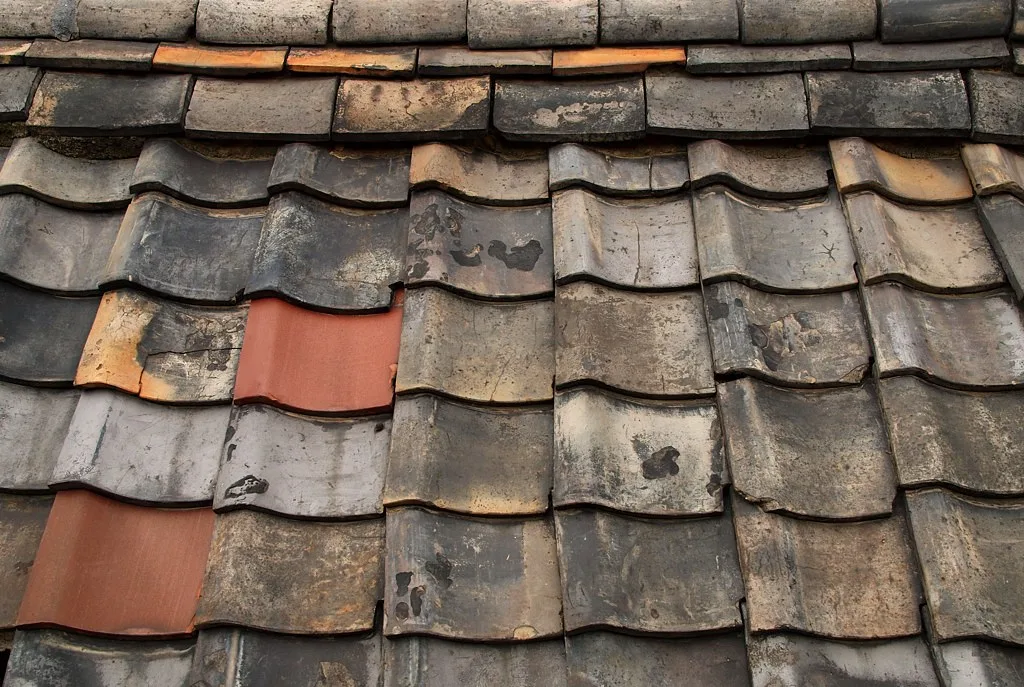
Frost damage on roof tiles happens slowly, then all at once. Water soaks into the pores of a clay or concrete tile, freezes, expands, and pushes a thin layer of the surface away. One winter does little. Twenty winters on a poorly made or badly maintained tile leave faces that have flaked away, nibs that crumble, and tiles that crack or slip. Here is how to recognise it from the ground, why some roofs suffer and others do not, and how to decide between replacing tiles and replacing the roof.
How frost damages a roof tile
Every clay and concrete tile absorbs some water. When that water freezes inside the tile it expands, and the pressure from ice forming in the pores near the surface stresses the material. A well-made tile has a pore structure that copes with this for decades. A poorly fired or poorly made tile does not: its surface layer separates and flakes off, a process roofers call spalling or delamination.
Clay and concrete fail differently:
- Clay tiles tend to shed flakes from the exposed face or, on plain tiles, from the part that sits under the tile above. Water drawn up between the laps soaks in, freezes and lifts the surface off in layers. Eventually the tile thins, cracks or crumbles.
- Concrete tiles more often lose their surface gradually: the face erodes, the aggregate shows through, and the tile becomes more porous, so it holds more water each winter and weathers faster.
Natural slate behaves differently again. A good slate barely absorbs water, while a poor one can delaminate. Our slate roofing guide covers what to look for.
The 5 signs of frost-damaged roof tiles
You can spot most of these without going up a ladder. Use binoculars from the garden or the street.
- Flakes and shards in the gutter or on the ground. Thin red or grey slivers of tile in gutters, downpipe hoppers or on paths below the eaves are the clearest early sign.
- Patchy, pale or pitted tile faces. Tiles where part of the surface has gone look lighter or a different texture from their neighbours, often in irregular patches.
- Crumbling nibs. Plain tiles hang on the battens by small nibs on the back. If the nibs spall away, the tile is held only by its nails, if it was nailed at all, and it can slide. Tiles slipping one after another is a warning; see our page on slipped roof tile repair.
- Cracks and broken corners, especially on tiles that are also spalling.
- Damp in the loft after a thaw. Daylight through the tiles, wet underlay or damp patches on rafters after a cold spell can mean tiles have broken through.
Damage is usually worse on the slopes that stay wet longest: shaded slopes that get little sun, areas under overhanging trees, and tiles carrying a thick layer of moss, which holds water against the surface through the winter.
Why some tiles resist frost and others do not
Quality of raw material and manufacture matters most. In the UK, clay roof tiles are made to the product standard BS EN 1304 and tested for frost resistance under BS EN 539-2. Clay plain tiles for use in the UK have to withstand at least 150 freeze-thaw cycles under method E of EN 539-2:2013; some makers test well beyond that, and Dreadnought, for example, says it tests its tiles to more than 400 cycles. Concrete tiles are made to BS EN 490, with test methods, including freeze-thaw, set out in BS EN 491.
That means a new tile from a recognised UK maker should have been tested for frost. Problems come from:
- Older machine-made clay plain tiles. Conservation guidance notes that delamination is more common in machine-made plain tiles from the 1930s and 1940s.
- Imported or unbranded tiles without a declaration of performance showing a frost test suitable for the UK.
- Reclaimed tiles that have already spent decades on a roof. They may look sound on the pallet but carry hidden damage, and they come with no frost test of their own.
- Pressure washing. Blasting a roof can strip the surface of a tile, opening its pores. See pressure washing roof risks.
- Moss and lichen holding water against the tile. Removing moss gently helps; our roof moss removal page explains how.
Replace the tiles or re-roof?
This is the real decision, and it depends on how widespread the damage is.
A handful of damaged tiles: replace them. If spalling is limited to a small number of tiles, a roofer can slide out the damaged ones and fit replacements. The challenge on an older roof is matching size, colour and nib type; our page on matching discontinued roof tiles covers the options, from reclaimed stock to new tiles that weather in. Ask your roofer to check the tiles around each one, as frost damage rarely stops at a single tile.
Damage across a whole slope: plan to re-roof it. When spalling is spread across a slope rather than confined to a few tiles, piecemeal replacement stops making sense. Each repair disturbs neighbouring tiles that are already fragile, and the next winter brings more failures. Stripping and re-covering the slope lets you fit new tiles with a proper frost test, new battens, underlay and fixings to the current standard, BS 5534. Our guides to new roof costs and how long a roof lasts help you budget.
The middle ground: one slope at a time. Shaded slopes often fail first. Re-covering the worst slope and keeping a watching brief on the others is a reasonable plan, as long as the new tiles match or are acceptable next to the old ones.
If the house is in a conservation area or listed, check with the council before changing tile type; like-for-like replacement is usually expected.
What not to do
- Do not paint or coat the tiles. Coatings can trap moisture in the tile, and they do not repair a delaminated surface.
- Do not fill cracks with sealant. It is a short-term patch that hides the extent of the problem.
- Do not walk on a spalling roof. Weakened tiles break underfoot. A roofer should work from a ladder with a roof ladder or from scaffolding; see roof scaffolding costs.
Will insurance pay for frost damage?
Usually not. Most home insurance policies exclude wear and tear and gradual deterioration, and frost damage that builds up over many winters falls squarely into that. A single storm that lifts already weakened tiles is a different matter, but the insurer can argue the tiles failed because of their condition. Our page on whether home insurance covers roof repairs explains how those disputes are decided.
When to get a roofer in
Book an inspection if you find tile shards in the gutters, see more than a couple of damaged or slipped tiles, or notice damp in the loft after a cold spell. Late summer and early autumn are the best time, before the frosts begin and while roofers have more availability. A roof inspection or survey will tell you whether you have a few failing tiles or a roof near the end of its life, and our list of questions to ask a roofer helps you compare quotes.
Frequently asked questions
What does frost damage on roof tiles look like? Flaking or missing patches on the tile face, crumbling nibs on the back of plain tiles, cracked or broken corners, and thin slivers of tile collecting in the gutters or on the ground below.
Why do roof tiles crack in cold weather? Water soaked into the tile freezes and expands. Repeated freeze-thaw cycles lift the surface away and weaken the tile, especially if it was poorly made, already porous, or covered in moss that keeps it wet.
Are clay or concrete tiles better in frost? Both can last for decades if made properly. New clay plain tiles for UK use must pass at least 150 freeze-thaw cycles under BS EN 539-2, and concrete tiles are tested under BS EN 491. Older machine-made clay tiles from the 1930s and 1940s are among the most prone to spalling.
Can you repair spalled roof tiles? Not in any lasting way. Spalled tiles should be replaced. Coatings and sealants do not restore the surface and can trap moisture.
How many damaged tiles before I need a new roof? There is no fixed number. If the damage is limited to a few tiles, replace them. If spalling is spread across a whole slope, re-covering that slope is usually more economical than repeated repairs.
Does home insurance cover frost-damaged roof tiles? Rarely. Frost damage builds up gradually, and most policies exclude wear and tear and gradual deterioration.
Sources
- Dreadnought Tiles, technical data for 11 x 7 clay plain tiles: BS EN 1304 and BS EN 539-2, the 150-cycle UK requirement and Dreadnought’s own 400-cycle test.
- BSI, BS EN 539-2 (frost resistance test for clay roofing tiles), BS EN 490 and BS EN 491 (concrete roofing tiles).
- New Forest National Park Authority, historic buildings guidance on tile and slate roofing.
Want costs like this each month?
Join the Roofline brief for current UK prices and quote-reading tips.
More from Professional Roofers
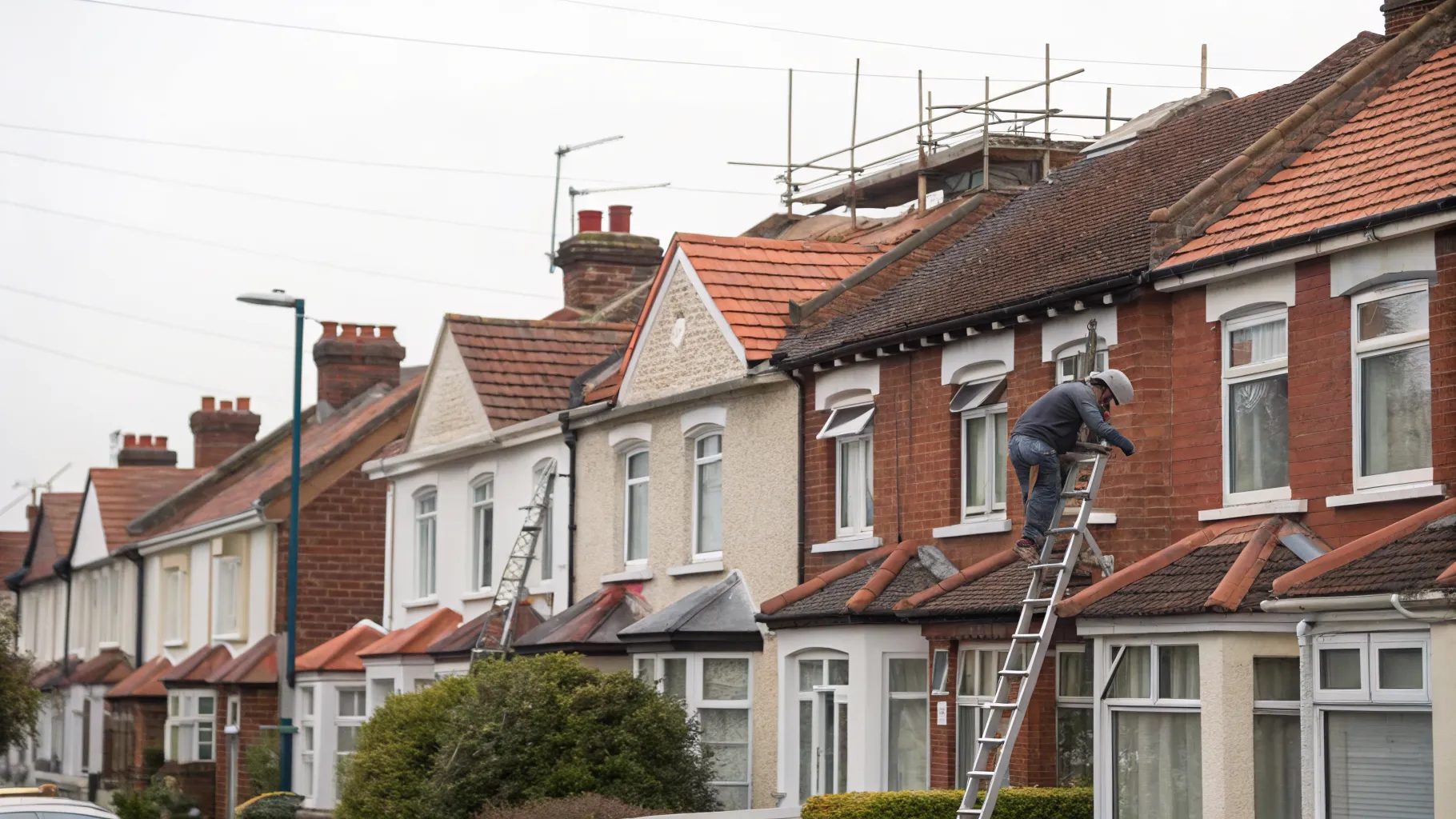
How Much Does a New Roof Cost in the UK in 2026?
What a new roof really costs in the UK in 2026, broken down by house size, material and the hidden extras, plus how to check you are being quoted fairly.
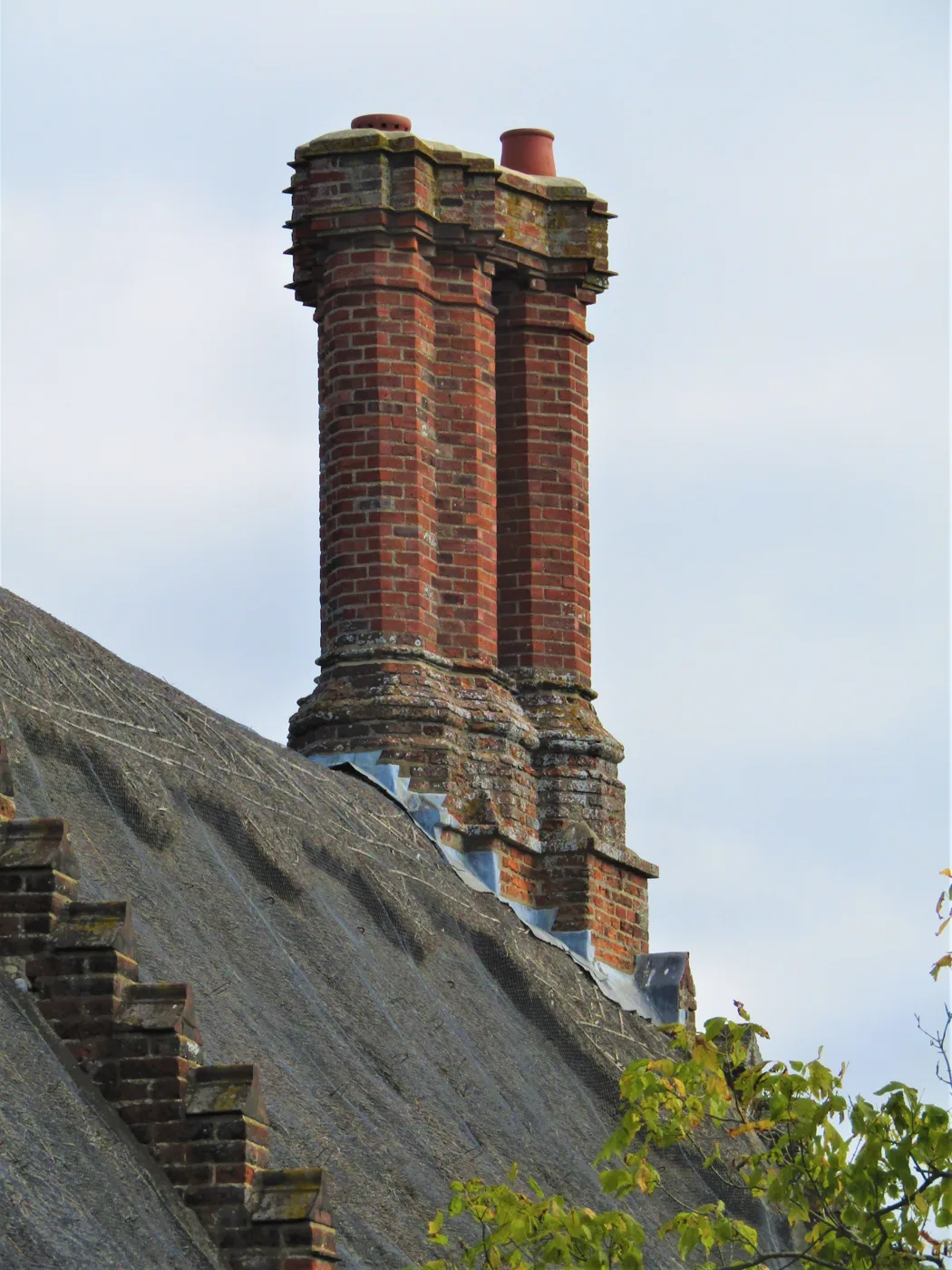
Chimney Repointing and Repair Cost UK (2026)
What chimney repointing cost is in the UK in 2026, why scaffolding drives the price, and how repointing compares to rebuilding, flashing and pot repairs.
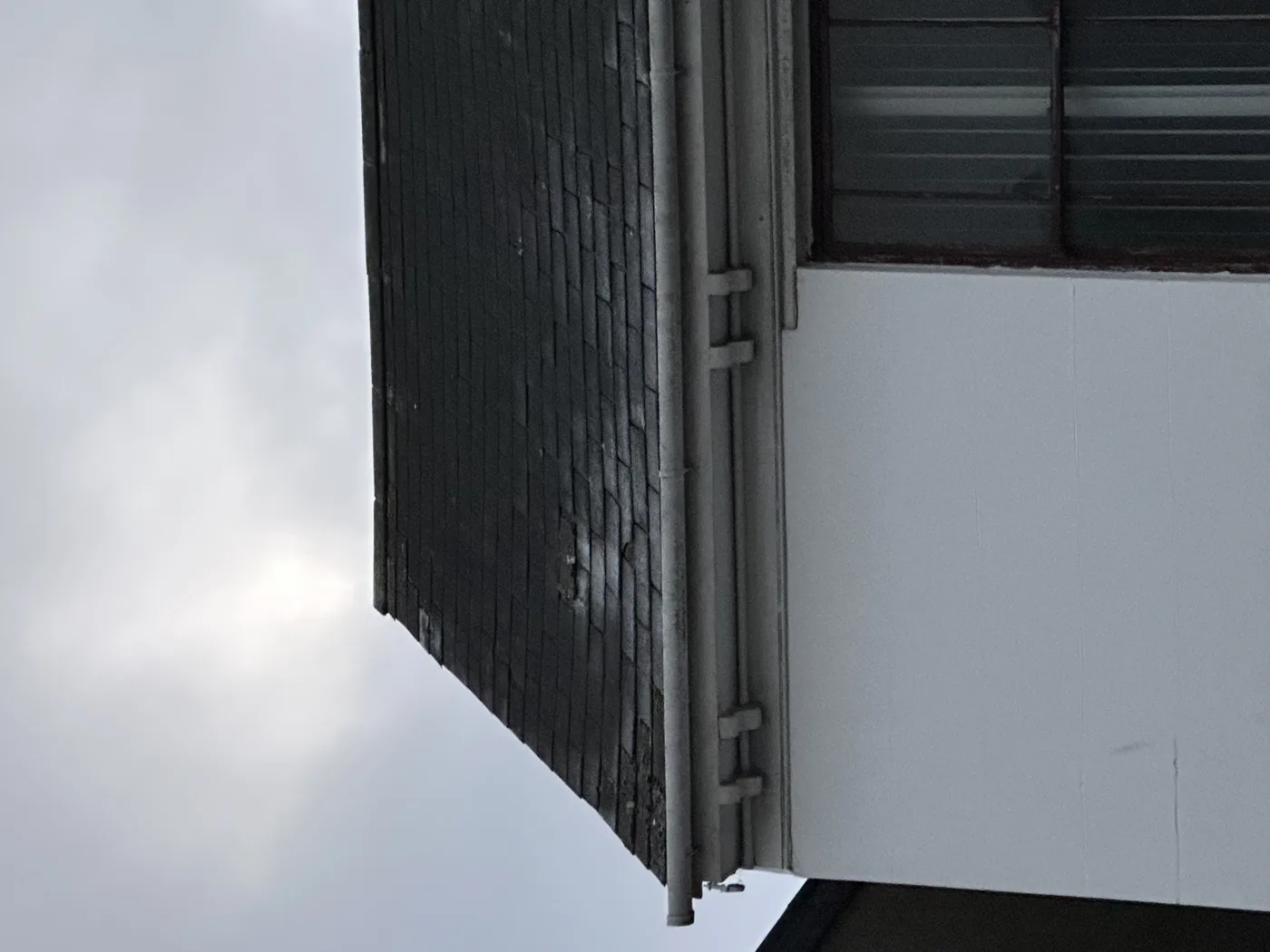
Roof Inspection and Survey Cost UK: What's Checked and the Price
Roof inspection cost UK 2026: what a ground, ladder or drone survey checks, typical prices for each, and when a written roof report is worth paying for.