BS 5534 Tile Fixing: Every Perimeter Tile Needs Two
By the Professional Roofers team
Updated 2026 · Independent cost guide
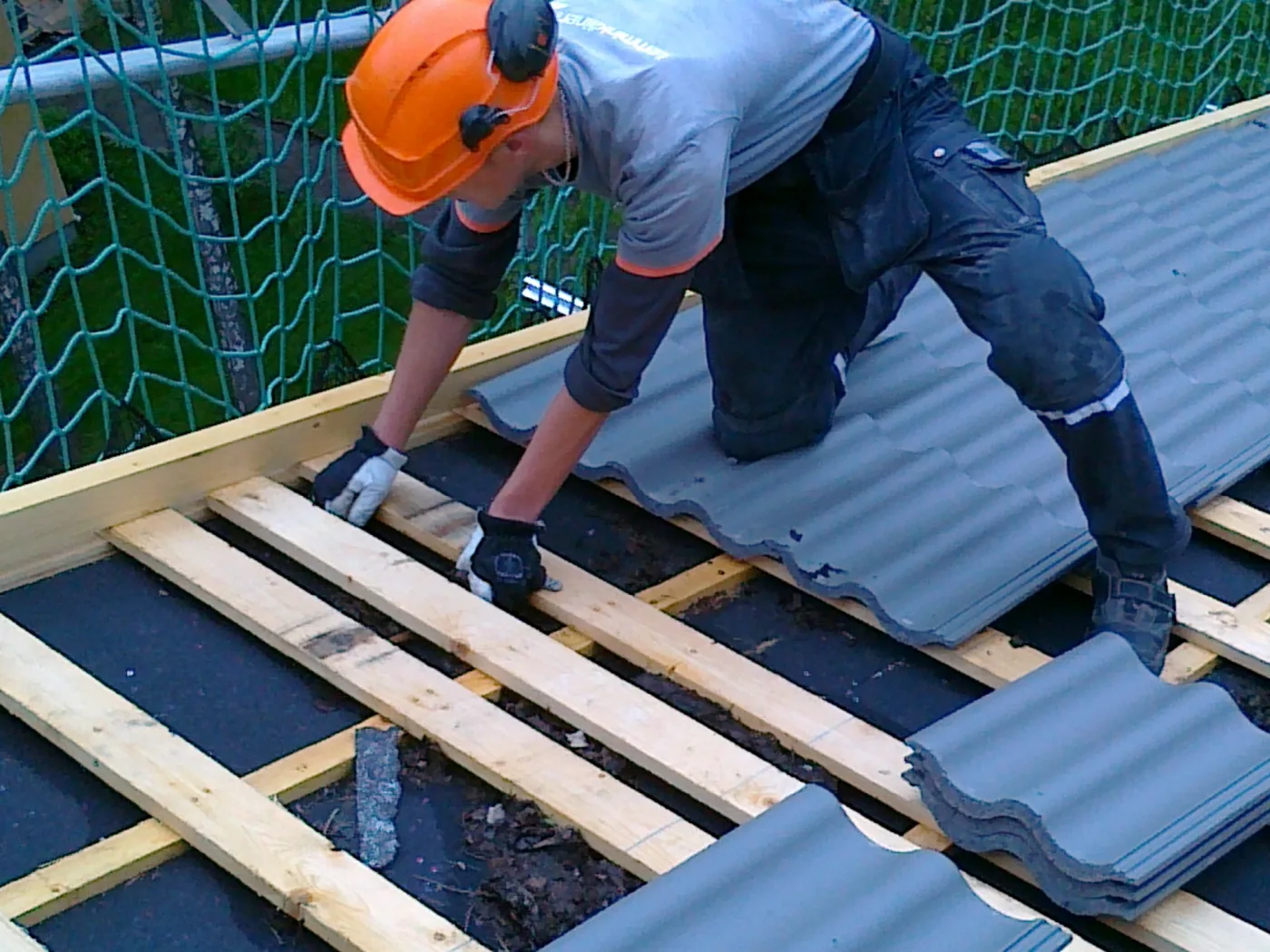
The BS 5534 tile fixing requirements are the reason a modern re-roof costs more than the one your neighbour had done in 2010, and the reason a cheap quote is often cheap. Since the 2014 revision of the standard it has not been acceptable to leave any single lap tile unfixed on a British roof, every tile at a perimeter needs two fixings rather than one, and mortar on its own no longer counts as holding anything down.
One correction before anything else, because it gets stated wrongly constantly: BS 5534 is a code of practice, not a law. Nobody is prosecuted for breaching a British Standard. What happens instead is that it becomes the benchmark a court, a warranty provider or a building control officer measures your roof against, and following it is how a roofer demonstrates the work meets the Building Regulations requirement for adequate workmanship. In a dispute, “it was not built to BS 5534” is the sentence that decides the outcome.
What actually changed in 2014
Three things, and they are the source of almost every argument between homeowners and roofers about price.
Every single lap tile must be mechanically fixed. Interlocking concrete and clay tiles, the ones on most post-war British roofs. Before 2014 it was common practice to nail every third or fourth course and let the weight and the interlock hold the rest. That is no longer acceptable on any roof at any pitch. As Wienerberger’s technical data sheet on BS 5534 fixing requirements puts it, “it is no longer acceptable to have un-fixed tiles on any roof”.
Perimeter tiles need two fixings. Not one. This is the requirement most often skipped on a cut-price job.
Mortar is a bedding material, not a fixing. All ridge and hip tiles must be mechanically fixed even where they are bedded in mortar. In practice most roofers now use a dry fix system instead, which is why dry ridge has largely replaced mortar ridge.
Which tiles count as “perimeter”
This is the definition people get wrong, because it is broader than the edge of the roof. Under BS 5534 the perimeters are:
- Verges
- Abutments, where the roof meets a wall
- Valleys
- Hips
- The first course at eaves
- The ridge
- The edge tiles around roof windows and chimneys
That last one surprises people. A Velux in the middle of a roof slope creates a perimeter in the middle of a roof slope, and every tile bordering it needs two fixings. So does every tile round a chimney stack. A roof with two rooflights and a chimney has a great deal more double-fixed tile than the plan suggests, and if a quote has not allowed for it, either the quote is wrong or the work will be.
On what those two fixings can be, the standard is practical rather than prescriptive:
- At eaves and ridge, a nail plus a clip.
- At verges, a nail plus a dry verge unit.
- At hips and valleys, purpose-made top and tail clips for cut tiles.
- On small cut pieces, a suitable adhesive counts as one of the two fixings. This is the sanctioned answer to the awkward little triangles at a hip, and it is why setting out to avoid tiny cuts is good practice in the first place.
One detail that quietly voids compliance: the clip has to be the one the tile manufacturer specifies. A generic clip on a branded tile may not develop the tested resistance, and the fixing then does not comply even though there is visibly a clip on the tile.
Double lap plain tiles and slates are different
If you have small plain tiles or natural slate rather than large interlocking tiles, the rules are less onerous and largely unchanged by the 2014 revision. The minimum is:
- Every tile in every fifth course twice nailed.
- All tiles at perimeters twice nailed, including the first two courses at eaves and the last two courses at ridge.
Note the two courses, not one, at eaves and ridge on a double lap roof. As with single lap, a fixing calculation may add to this. Our slate roofing guide covers the slate-specific detail, and tile vs slate covers the choice itself.
Nails are the minimum, not the answer
Here is the part that separates a specification from a guess. The standard does not say “two nails and you are done”. It says every tile must be fixed, and then a fixing calculation determines whether clips are needed on top of the nailing.
That calculation is driven by wind uplift, and it depends on:
- Location, which is to say local wind speed
- The height of the building
- The exposure of the site, from town centre to open countryside to coast
- Roof pitch and the size of the roof
- The tile itself, its weight and its profile
Wienerberger’s data sheet points roofers at roofspec.co.uk, where a postcode and a few details produce a fixing specification in a few minutes. The tool is free and takes less time than arguing about it.
The practical consequence is that two identical houses can require different fixings. A semi in a sheltered street in the Midlands and the same house on an exposed clifftop in Cornwall are not the same roof, and the same tile on both will need a different clip schedule. Anyone who quotes you a fixing spec without knowing your postcode has not done one.
How to check a quote for it
A compliant quote says what the fixings are. An evasive one says “re-tile roof”. Three things to look for, and the conversation to have if they are missing:
- A named fixing specification. Either a reference to a calculation run for your address, or an explicit schedule: nail every tile, clip to this pattern, two fixings at all perimeters.
- Dry fix at ridge, hip and verge, or mortar plus a stated mechanical fixing. If a quote proposes mortar-only ridge, that is not BS 5534 compliant and it is the single clearest tell.
- Graded battens. BS 5534 requires battens to be graded and marked. On site, a compliant batten carries the marking. An unmarked, ungraded batten under an otherwise perfect fixing schedule fails the whole specification, and it is invisible once the tiles are on.
Our page on how to read a roofing quote covers the rest of the document, and questions to ask a roofer has the wording for raising this without a row.
Repairs: why one tile costs more than it should
This is the honest bad news about the standard, and the thing homeowners find hardest to accept.
On a modern roof where every tile is nailed and clipped, you cannot simply lift out a broken tile and slide a new one in. The surrounding tiles are fixed too, and getting to the fixing usually means disturbing, and often breaking, at least one neighbouring tile. A one-tile job becomes a several-tile job. That is a direct and unavoidable consequence of proper fixing, not a roofer inflating the work, and it is worth knowing before you get the quote for a slipped tile repair.
Where a genuine like-for-like repair on an older, unfixed roof is concerned, the standard is not retrospective. Replacing a handful of tiles on a 1960s roof does not oblige you to re-fix the other 900. But the moment the job becomes a re-cover rather than a repair, the whole area comes under the current standard, and separately the Building Regulations thermal rules can bite once more than half the roof is being renovated. Our page on planning permission and building regs for a new roof covers those thresholds.
The full standard is BS 5534:2014+A2:2018 and is available from BSI. Most homeowners do not need to buy it. They need a roofer who has.
Frequently asked questions
Is BS 5534 a legal requirement? No. It is a British Standard code of practice, not legislation. It matters because following it is the accepted way of showing the work meets the Building Regulations requirement for adequate materials and workmanship, and because in a dispute or an insurance claim it is the yardstick the work is judged against.
Do all roof tiles need clips under BS 5534? All single lap tiles must be mechanically fixed, and nailing is the minimum. Whether clips are also required is determined by a wind uplift calculation based on your postcode, building height, site exposure, roof pitch and tile type. Two houses with the same tile can need different clip schedules.
Which tiles need two fixings? Every tile at a perimeter: verges, abutments, valleys, hips, the first course at eaves, the ridge, and the edge tiles around roof windows and chimneys. On double lap plain tiles and slates, that extends to the first two courses at eaves and the last two at ridge.
Can ridge tiles still be bedded in mortar? Mortar can still be used, but not on its own. All ridge and hip tiles must be mechanically fixed regardless of whether mortar is present, which is why dry fix ridge systems are now standard practice.
Does BS 5534 apply to repairs on an old roof? The standard covers new build, re-roofing and repairs, but it is not retrospective, so replacing a few tiles does not oblige you to re-fix an entire existing roof. Once the work becomes a re-cover of an area, that area should be finished to the current standard.
Why does replacing one tile now damage the tiles around it? Because they are fixed too. On a roof built to BS 5534 the neighbouring tiles are nailed and often clipped, and reaching the broken tile’s fixing normally means disturbing or breaking at least one of them. It is the predictable cost of a properly secured roof.
What are the batten requirements under BS 5534? Battens must be graded and carry the grading mark. An unmarked or ungraded batten does not comply, and because it is hidden the moment the tiles go on, it is worth checking while the roof is open rather than afterwards.
Want costs like this each month?
Join the Roofline brief for current UK prices and quote-reading tips.
More from Professional Roofers
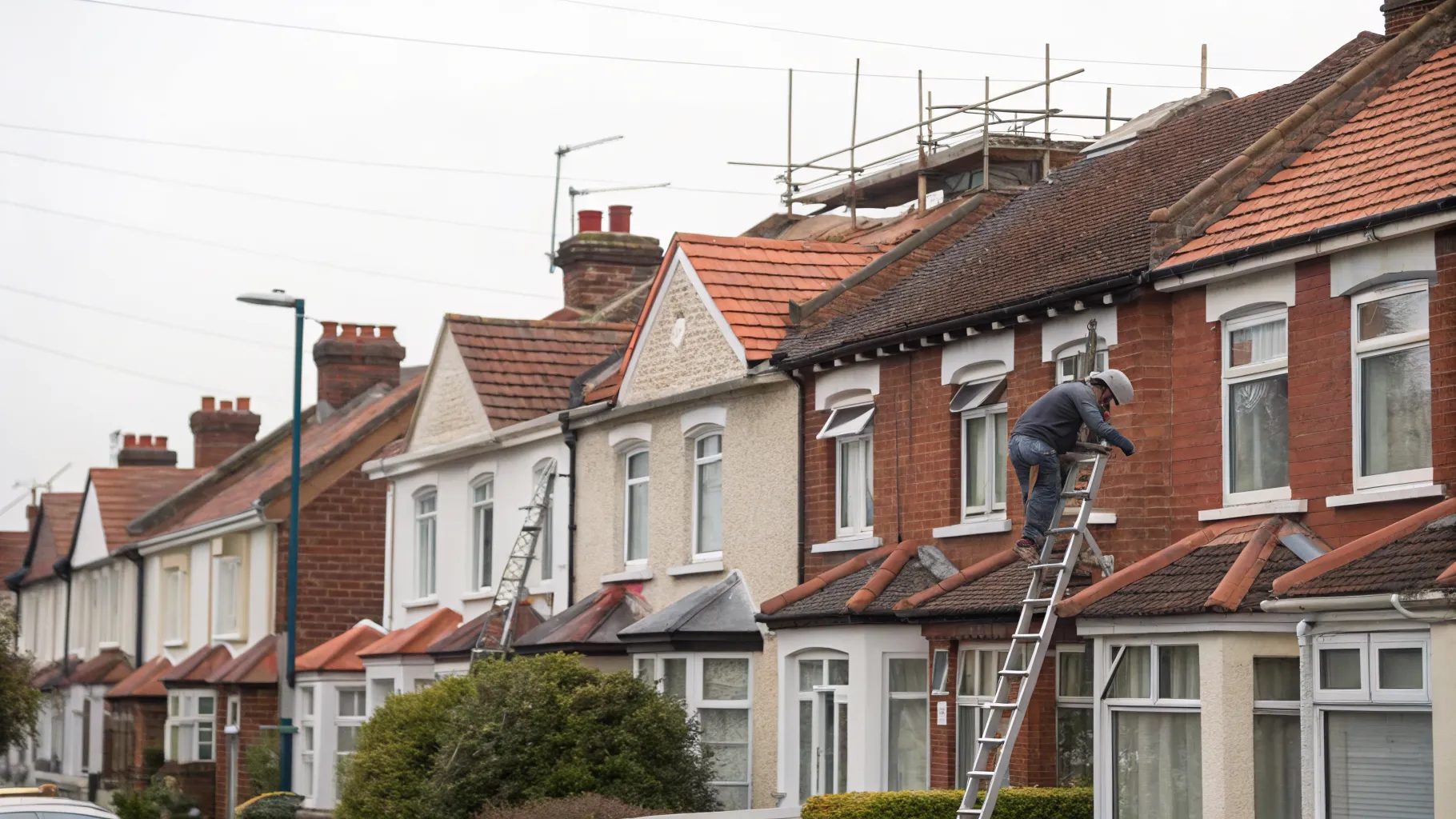
How Much Does a New Roof Cost in the UK in 2026?
What a new roof really costs in the UK in 2026, broken down by house size, material and the hidden extras, plus how to check you are being quoted fairly.
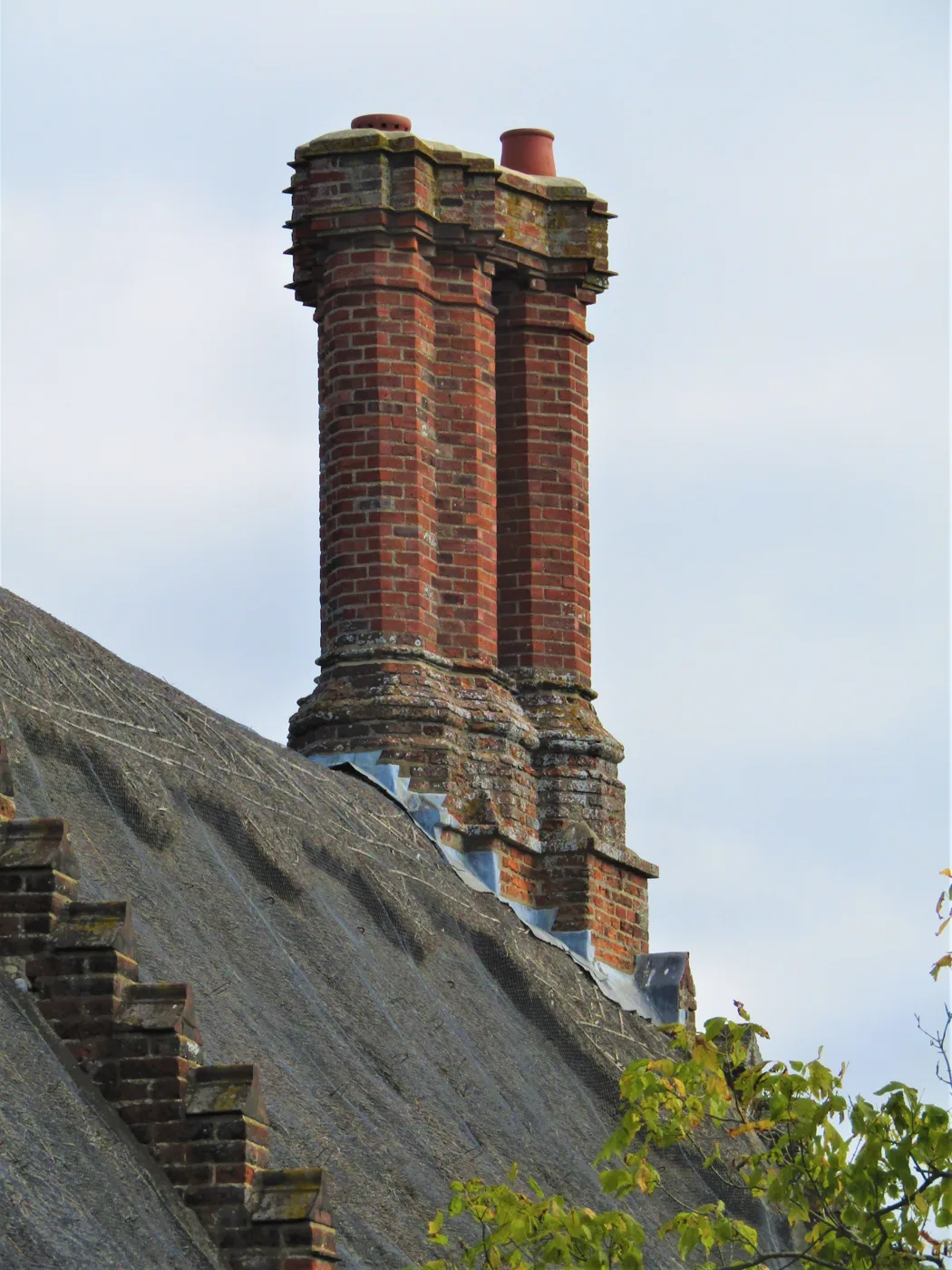
Chimney Repointing and Repair Cost UK (2026)
What chimney repointing cost is in the UK in 2026, why scaffolding drives the price, and how repointing compares to rebuilding, flashing and pot repairs.
Roof Inspection and Survey Cost UK: What's Checked and the Price
Roof inspection cost UK 2026: what a ground, ladder or drone survey checks, typical prices for each, and when a written roof report is worth paying for.