Roofing Quote Breakdown: The 9 Lines It Must Contain
By the Professional Roofers team
Updated 2026 · Independent cost guide
A proper roofing quote breakdown lets you compare three contractors line by line. Most homeowners never get one. What arrives instead is a single sheet with the address, a sentence describing the work, and a total, which tells you nothing about why one roofer is cheaper than another. The cheap quote is sometimes cheaper because the roofer is efficient, and sometimes because scaffolding, waste disposal, VAT or an insulation upgrade have been quietly left out and will appear later as extras.
This page sets out the nine things a roofing quote should contain, the legal points that sit behind it, and the specific omissions that turn a good price into a bad one.
Quote or estimate? The word matters
A quote is a fixed-price offer. Once you accept it, that is the price, and the roofer carries the risk if the job takes longer than expected. An estimate is an informed guess and can legitimately change.
Plenty of roofers use the words interchangeably, and some use “estimate” deliberately so the figure can move. Ask which one you have been given, in writing. If it is an estimate, ask what would have to happen for the price to change and by roughly how much. A contractor who cannot answer that has not priced the job properly.
The nine lines a quote should contain
1. The scope, in specifics. Not “strip and re-roof”. You want the area in square metres, which roof slopes are included, and what happens at the edges: verges, ridge, hips, valleys, abutments. Most disputes start at the edges, because that is where one quote includes the flashing and another does not.
2. Materials, by name and model. Tile or slate manufacturer and range, underlay type and grade, batten specification, ridge system. “Concrete tiles” is not a specification. Two concrete tiles from different makers with different profiles are different prices and different lifespans.
3. Battens and underlay treated as separate lines. These are hidden once the roof is on, which is exactly why they get downgraded to save money. Graded and marked battens to BS 5534 cost more than ungraded timber, and it is worth confirming which you are getting.
4. Ridge and verge method. Dry ridge and dry verge systems are mechanically fixed and are now the norm; mortar bedding is cheaper up front and needs re-pointing sooner. A quote that does not say which you are getting is not comparable to one that does.
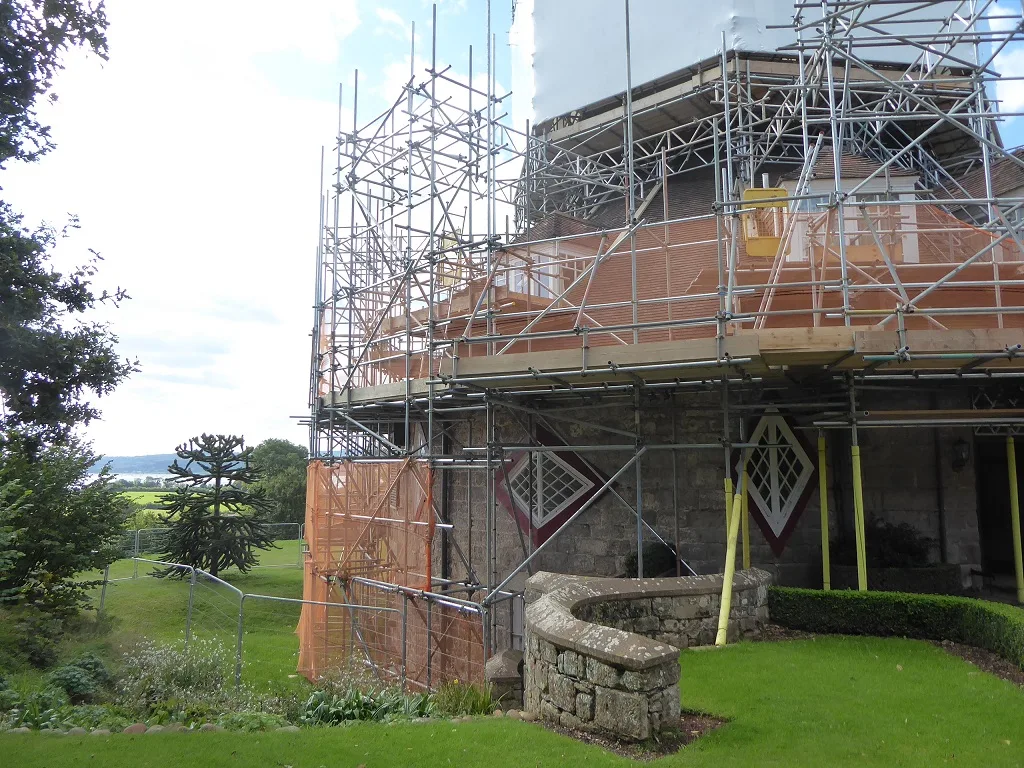
5. Scaffolding, and who pays for it. Scaffolding is a large line and a common omission. Confirm whether it is included, who erects it, how long the hire period runs, and what happens if the job overruns the hire. Weekly extension charges on a delayed job add up quickly. Our scaffolding cost guide covers what drives that figure.
6. Waste removal and tip fees. A stripped roof produces several tonnes of debris. Ask whether a skip or grab lorry is included, and whether tip charges are included or billed on. “Site left clean and tidy” is not the same as “all waste removed and disposed of”.
7. VAT, stated separately. See below, because roofing VAT is less straightforward than it looks.
8. Payment schedule. Deposit amount, stage payments tied to identifiable milestones, and a retention or final payment on completion. Be wary of a large up-front deposit. A reasonable deposit covers materials ordering, not the roofer’s labour.
9. Guarantees, both of them. A manufacturer’s product warranty and a separate workmanship guarantee from the contractor are different things, and the second is only worth what the company is worth. Our guarantees and warranties guide covers insurance-backed guarantees, which survive the contractor going out of business.
The VAT line is not always 20%
Most roofing work on an existing home is standard-rated at 20%. Two things complicate that.
First, if the roofer is not VAT registered there will be no VAT line at all, which is legitimate below the registration threshold but means you cannot reclaim anything and the business is small. Compare totals, not net figures, or you will pick the wrong quote.
Second, insulation is treated differently. Insulation counts as an energy-saving material, and installation of qualifying energy-saving materials in residential property is zero-rated for VAT until 31 March 2027, after which it reverts to a reduced 5% rate. HMRC sets out the qualifying list and conditions in VAT Notice 708/6. If your re-roof includes adding or upgrading roof or loft insulation, that element may not attract 20%, and a quote that applies 20% to everything is worth querying. The roofer must be VAT registered for this to apply at all.
The insulation upgrade that turns up as an extra
This is the biggest hidden cost in a re-roofing quote and the one homeowners are least likely to see coming.
If you replace more than 25% of a roof slope or a flat roof, the work is treated as a renovation of a thermal element under the Building Regulations, and the insulation generally has to be upgraded to current standards where it is reasonably practicable and cost effective. The Planning Portal’s guidance on insulation and thermal elements sets out how this works.
On a flat roof this can mean converting a cold roof to a warm roof build-up, with insulation above the deck, which changes the roof height and the detailing at the edges. That is not a small extra.
A quote for a full re-roof that makes no mention of insulation or Building Regulations either includes it silently, has assumed it is not required, or has left it out. Ask which. Also ask who is notifying Building Control, and whether the roofer works under a competent person scheme so they can self-certify. Our guide to planning permission and building regs for a new roof goes into when approval is needed.
Your 14-day right to cancel
If you agree a roofing contract in your own home rather than at the trader’s premises, it is an off-premises contract under the Consumer Contracts (Information, Cancellation and Additional Charges) Regulations 2013. You generally have 14 days to cancel, and the trader is legally required to tell you about that right in writing, usually with a model cancellation form.
Two practical points follow. If the roofer never gave you written cancellation information, that is a serious sign about how they run their business, and the cancellation period is extended. And if you want work to start inside the 14 days, you can agree to that, but you may then owe a proportionate amount for work already done if you cancel. Emergency repairs you specifically requested are treated differently.
The regulations are on legislation.gov.uk, and pressure to sign immediately, today only, is the classic warning sign covered in our page on roofing scams and rogue roofers.
Comparing three quotes properly
- Put them side by side and mark what each one includes for scaffolding, waste, VAT and insulation.
- Normalise. If quote A includes scaffolding and quote B does not, add a scaffolding figure to B before comparing.
- Compare materials at the same specification. If one is a cheaper tile range, that is a different roof, not a better price.
- Check the guarantee: length, what it covers, and whether it is insurance backed.
- Check the company: how long trading, registered address, and whether the trading name matches the legal entity on the quote.
- Ask each roofer the same question about what they would find under the tiles, and listen for who says “we will let you know if the decking needs replacing” rather than pretending to know.
- Query the outlier, whether it is the highest or the lowest. The reason is usually specific and usually informative.
Do not simply pick the middle one. Our pages on how to find a good roofer and questions to ask a roofer cover the vetting side, and the roof replacement process step by step sets out what should happen once you accept.
Frequently asked questions
What should be included in a roofing quote? Scope in square metres by slope, named materials including underlay and battens, ridge and verge method, scaffolding, waste removal and tip fees, VAT stated separately, a payment schedule tied to milestones, and both the manufacturer warranty and the workmanship guarantee. Anything missing from that list is a question, not an assumption.
Is a quote legally binding in the UK? A quote is a fixed-price offer, and once you accept it a contract is formed at that price. An estimate is not binding and can change. Roofers often use the words loosely, so ask in writing which you have been given and what could cause the figure to move.
How much deposit should a roofer ask for? Enough to cover ordering materials, not the labour. Treat a demand for a large proportion of the total before any work starts as a warning. Stage payments tied to identifiable milestones, with a final payment on completion, protect both sides.
Do I pay VAT on a new roof? Usually 20% on roofing work to an existing home. Insulation is the exception: installing qualifying energy-saving materials in residential property is zero-rated until 31 March 2027, then 5%. A roofer who is not VAT registered charges no VAT at all, so always compare gross totals.
Can I cancel a roofing contract after signing? If you signed in your home it is an off-premises contract and you generally have 14 days to cancel under the 2013 Consumer Contracts Regulations, with the trader obliged to tell you in writing. If you asked for work to start within that window you may owe for work already done. Failure to give written cancellation notice extends the period.
Why is one roofing quote so much cheaper than the others? Most often because something is excluded: scaffolding, waste disposal, VAT, or an insulation upgrade triggered by replacing more than 25% of the roof. Occasionally it is a cheaper tile range or ungraded battens. Ask the roofer directly what their price excludes, and add the missing items back before comparing.
Sources
Want costs like this each month?
Join the Roofline brief for current UK prices and quote-reading tips.
More from Professional Roofers
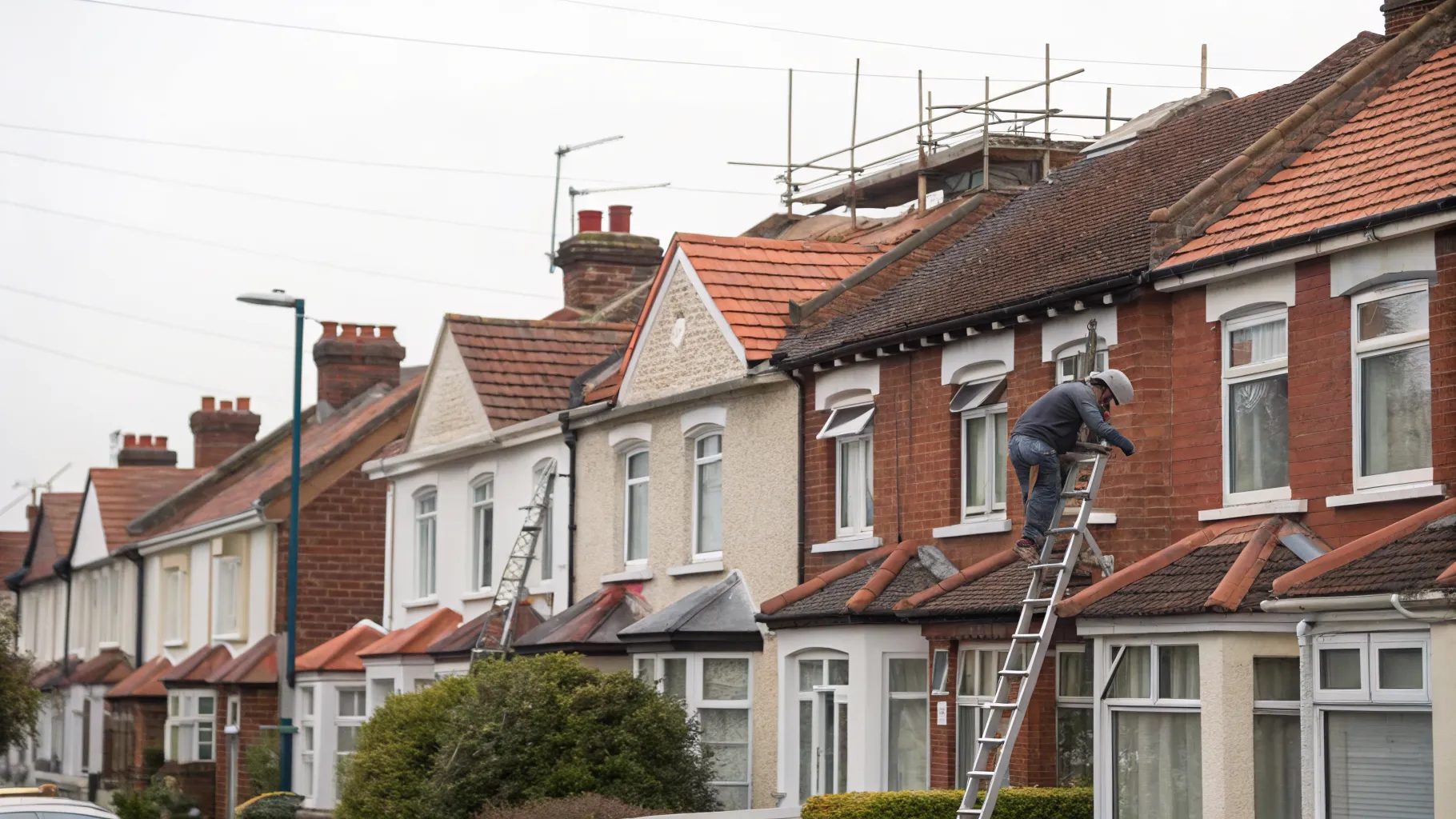
How Much Does a New Roof Cost in the UK in 2026?
What a new roof really costs in the UK in 2026, broken down by house size, material and the hidden extras, plus how to check you are being quoted fairly.
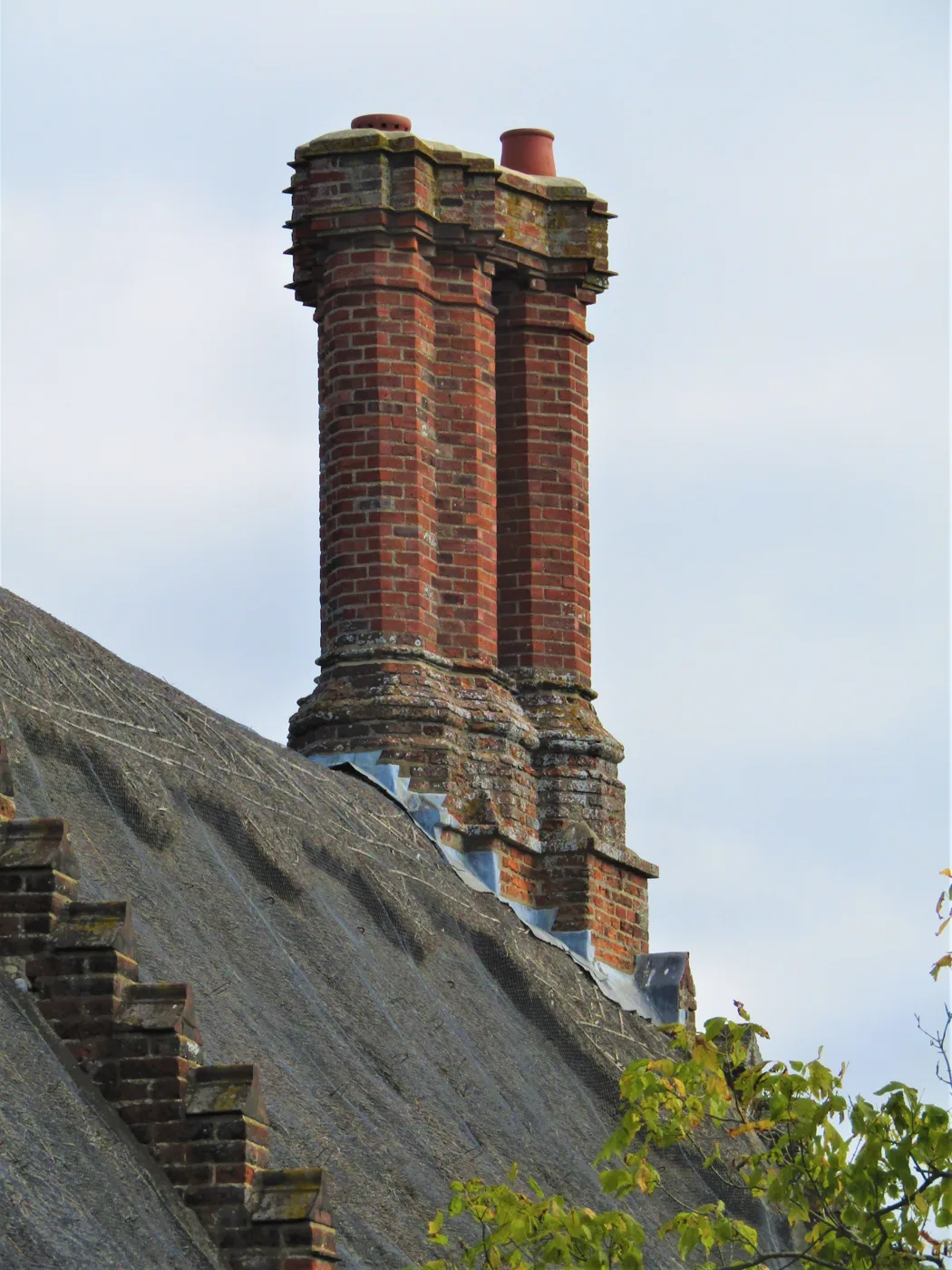
Chimney Repointing and Repair Cost UK (2026)
What chimney repointing cost is in the UK in 2026, why scaffolding drives the price, and how repointing compares to rebuilding, flashing and pot repairs.
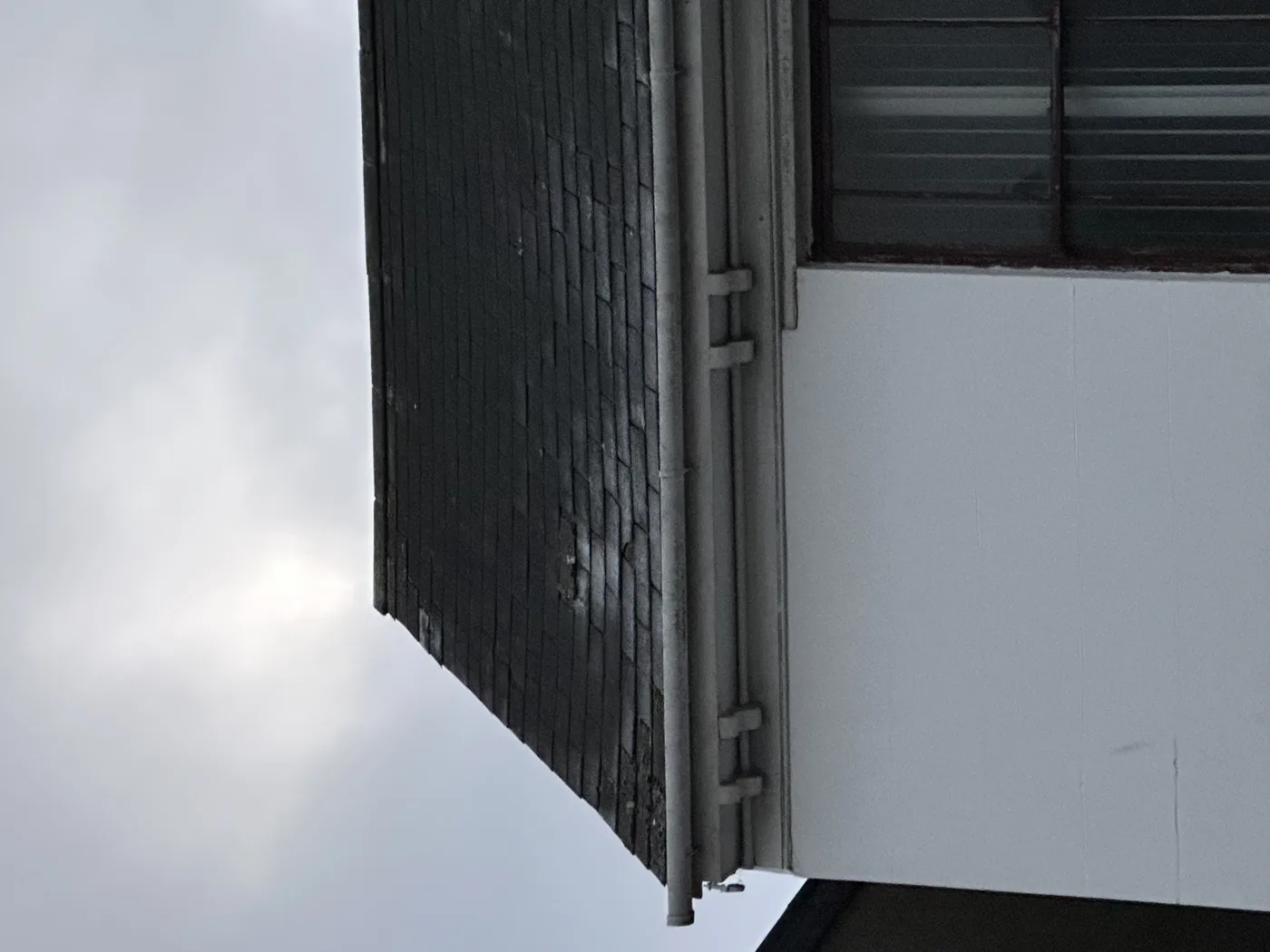
Roof Inspection and Survey Cost UK: What's Checked and the Price
Roof inspection cost UK 2026: what a ground, ladder or drone survey checks, typical prices for each, and when a written roof report is worth paying for.