Scaffolding Costs for a Roof Replacement Explained
By the Professional Roofers team
Updated 2026 · Independent cost guide
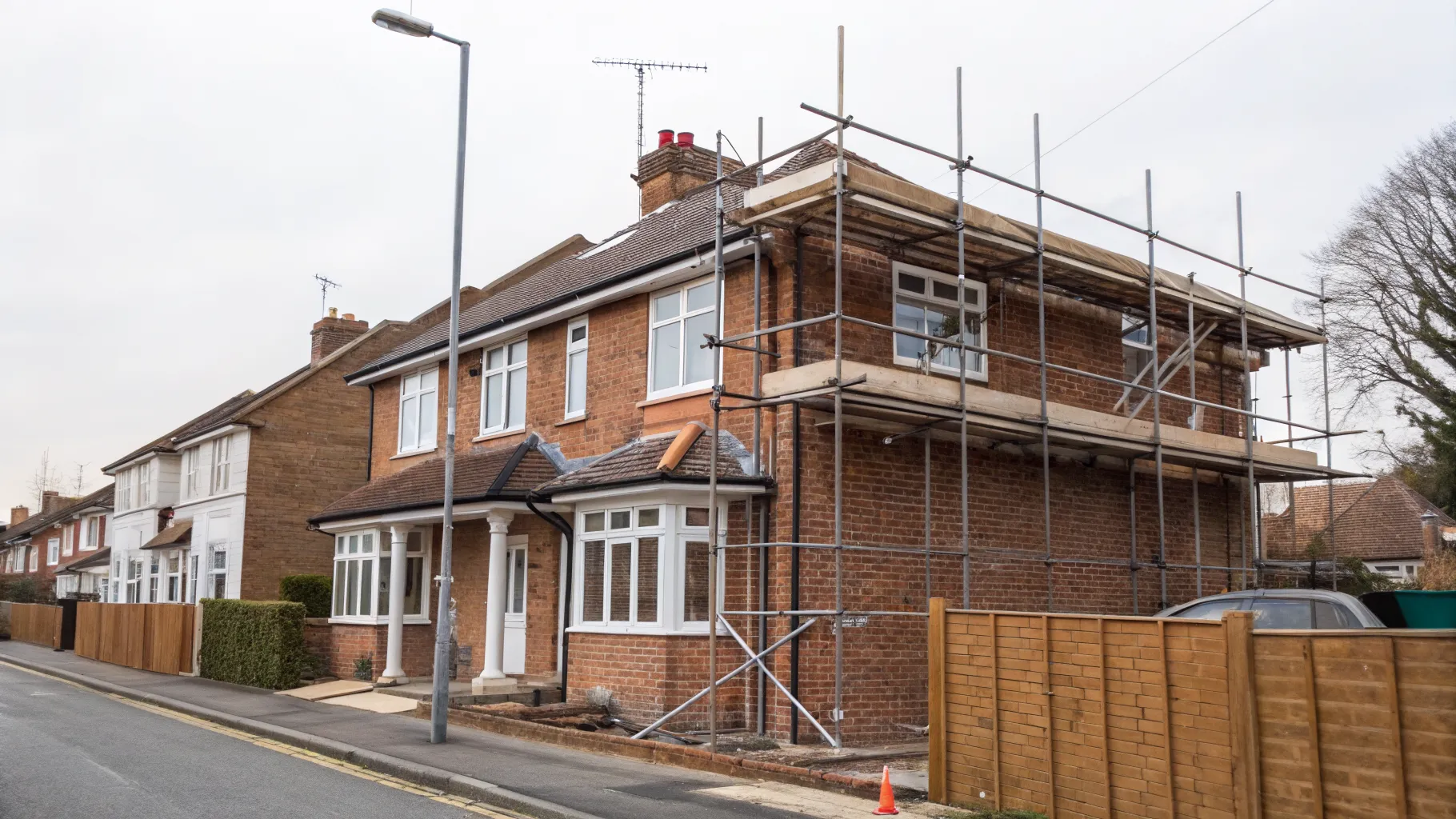
What scaffolding actually is on a roofing quote
Scaffolding is one of the most underestimated line items in a roof replacement quote, and one of the most commonly missed. It is a separate cost from the tiles, the underlay and the labour, yet it can account for a meaningful slice of the total budget. Before you compare two roofing quotes, the first question to settle is simple: does this price include the scaffold, or not? Get that wrong and the cheaper-looking quote can turn out to be the dearer one.
This guide explains why a re-roof needs scaffolding, what drives the price up or down, who is supposed to arrange it, how long it stays up, and exactly what to check on the quote so you can read it line by line. For the wider numbers, see our guides to new roof cost in the UK and roof cost per square metre.
Why a roof replacement needs scaffolding
Roof work in the UK is governed by the Work at Height Regulations 2005, enforced by the Health and Safety Executive. For most roof replacements, a scaffold is the preferred safe means of access. A full strip-and-recover is prolonged work that involves loading, storing and moving heavy materials at height: tiles, slates, battens and underlay going up, old material and waste coming down.
Ladders, mobile access towers and harness systems are only acceptable for short, low-risk tasks: a single slipped tile, clearing moss, or quick chimney access. A full re-roof does not qualify. A proper scaffold gives the roofer a stable working platform, edge protection in the form of guard rails and toe boards, somewhere to stack tiles safely, and a point to run a chute for waste. Building control and insurers expect that level of safe access. You can read the HSE’s own guidance on working at height if you want the regulatory detail.
For genuinely small jobs there are alternatives: access towers, ladder stabilisers and anchor systems. Temporary roof systems exist too, but those are mainly for weatherproofing large open roofs and lean more commercial than domestic.
What drives the cost
Scaffolding is priced on materials and labour, so anything that increases the amount of tube, fittings and boards, or the time to erect and dismantle, pushes the price up. The main drivers:
- Property height and number of storeys. More lifts mean more tube, more boards and more labour. A three-storey townhouse costs materially more than a two-storey semi. The cost scales with the wall area and height being covered.
- Property type: terraced, semi or detached. A detached house often needs scaffold on all or most elevations, sometimes a full wrap, which is the most material and the most labour. A semi or terraced house may only need one or two elevations along the working wall, so less material. Terraced streets bring their own complication: access and highway issues, covered below.
- Roof shape and complexity. Chimneys, extensions, conservatories, bay windows, valleys and dormers all need extra towers, cantilevered or beamed sections, or bridging over obstacles. A straight gable wall is quick and cheap to scaffold. Awkward elevations cost more in both time and skill.
- Access and ground conditions. Tight side returns, sloping or uneven ground, soft ground that needs base plates and sole boards, planted gardens, and restricted vehicle access for delivering the materials all add time and labour.
- Hire duration. The erect and dismantle (the “erect and strike”) is the costliest part. The quote usually bundles an included hire period, commonly the first few weeks. Overruns trigger weekly extension charges.
- Pavement or highway licence. If any part of the scaffold sits on or over a public footway or road, a council licence is legally required and gets costed into the job.
- Location. London and the South East cost more than most of the rest of England for the same scaffold.
On top of the structure itself, extras change the price: debris netting or sheeting, brick guards, loading bays or platforms for storing materials, alarmed anti-climb systems, temporary weather protection, and pedestrian gantries or walkways where the scaffold crosses a pavement.
Is it cheaper to scaffold a terraced house than a detached?
Usually, yes, on materials alone. A mid-terrace or semi often needs a single run of scaffold along the elevation being worked on, whereas a detached house may need scaffold on every side. Fewer elevations means less tube and fewer boards. The catch is access: a terraced house on a busy street is more likely to need a pavement licence and pedestrian protection, which adds cost and lead time that a detached house with its own driveway avoids.
The council pavement licence
This is the part most quotes and most rival articles skate over, and it matters. Under Section 169 of the Highways Act 1980, no one may erect or keep scaffolding on or over a highway (which includes the road, the pavement and the footway) without a written licence from the highway authority, meaning your local council. You can read the legislation itself here.
A few practical points:
- A licence is needed whenever the scaffold encroaches onto or projects over the public highway. A scaffold kept entirely within your own boundary or garden usually does not need one.
- The scaffolding company applies for the licence on the homeowner’s behalf, not you directly. They must hold public liability insurance; councils commonly specify a minimum of £5 million, and some larger jobs or frameworks want £10 million.
- Apply ahead of time. Many councils require seven clear working days’ notice, some ten, so it pays to sort this early rather than letting it delay the start.
- The cost varies a great deal by council, and the licence copy must be displayed on site. Some London boroughs also take a damage deposit.
What you should see on your quote is that the scaffolder arranges the licence and folds its cost in. Check that it is included rather than a surprise you discover later.
Who arranges the scaffold: the roofer or you?
There is no legal rule on who organises the scaffold. In most cases the roofer doing the work orders it and sub-contracts a scaffolding firm, and it appears as a line on the roofing quote. That is the simplest arrangement for you because the roofer owns the coordination.
Some roofers, though, ask the homeowner to arrange and pay for the scaffold directly, sometimes to keep it off their own books. You can also choose to hire a scaffolder yourself. The upside is that you are not tied to one roofer, and scaffolders will often price the job as a whole rather than charging pure weekly rental, which gives you flexibility on when the roofer starts. The downside is that you then own the coordination, the licence admin and the liability questions.
Whichever route you take, get it in writing: who is responsible for the scaffold, the licence, the insurance and any overrun charges. The single most useful thing you can do is insist the scaffold is itemised separately on the roofing quote, so you can see it and compare like for like across contractors. Our roof replacement process walkthrough sets out where scaffolding fits in the wider job.
How long does it stay up?
The scaffold stays up for the duration of the roof works plus any building control inspection. Quotes bundle a hire period, usually sold in roughly four-week blocks, with the first four to six weeks commonly included.
Here is where homeowners get caught out. Roofing jobs slip, mostly because of weather, and when the job runs past the included period the scaffolder applies a weekly extension charge, typically a small percentage of the original quote per extra week. Before you sign, confirm both the included hire period and the extension rate. For a sense of realistic timescales, see how long a new roof takes.
What to check on the quote
Run through this list before you accept any roofing quote:
| Check | Why it matters |
|---|---|
| Is the scaffold included or excluded, and itemised separately? | So you compare quotes on the same basis and spot the “hidden extra” |
| Which elevations are scaffolded? | One wall versus a full wrap is a big cost difference; confirm it reaches the chimney and all working areas |
| Included hire period and the extension charge per week | This is where weather overruns cost you |
| Who applies and pays for the council licence? | Only relevant if the scaffold touches the pavement or road, but expensive to miss |
| Public liability insurance level | Ask for the certificate; £5m is common, £10m for bigger jobs |
| Erection and dismantling included | The “erect and strike” should be in the price, not added later |
| Extras listed | Debris netting, brick guards, loading bay, pedestrian gantry, anti-climb alarms |
| NASC accreditation | A recognised mark of quality that many councils and contractors specify |
A note on standards, briefly. A scaffold built to a TG20:21 compliance sheet (the NASC’s good-practice guidance for tube-and-fitting scaffolding) is structurally sound and needs no separate bespoke engineering design, which keeps cost down. Most domestic re-roof scaffolds fit within TG20. A bespoke design, which adds cost, is only needed when the scaffold falls outside those limits: heavy loading bays storing a lot of tiles, full debris sheeting that changes the wind loading, or unusual shapes. If you want to sense-check the contractor side, the NASC publishes a Guide to Appointing a Scaffolding Contractor.
To pull the scaffold figure together with the rest of the job, try our roof replacement cost calculator.
Frequently asked questions
Do I really need scaffolding to replace my roof? For a full roof replacement, yes. It is prolonged work involving heavy materials at height, which falls under the Work at Height Regulations 2005. Ladders or towers are only acceptable for short, low-risk jobs like replacing a single slipped tile or clearing moss, not a re-roof.
Is scaffolding usually included in a roofing quote? Not always, which is the trap. Some roofers include it, some quote it separately, and some leave it out entirely and expect you to arrange it. Always ask whether the scaffold is included and ask for it as a separate itemised line so you can compare quotes properly.
Do I need a council licence for scaffolding? Only if any part of the scaffold sits on or over a public pavement or road. In that case a licence is legally required under Section 169 of the Highways Act 1980. A scaffold kept entirely within your own garden or driveway usually does not need one. The scaffolding firm applies for it on your behalf and should include the cost in the quote.
What happens to the cost if my roof job overruns? The quote includes a set hire period, commonly the first four to six weeks. If the job runs longer, usually because of weather, the scaffolder charges a weekly extension fee on top. Confirm the included period and the extension rate before you sign so an overrun does not become an unexpected bill.
Should I hire my own scaffolder instead of using the roofer’s? You can. Hiring your own scaffolder means you are not tied to a single roofer and you may get the work priced as a job rather than weekly rental. The trade-off is that you take on the coordination, the licence paperwork and the liability questions, which the roofer would otherwise handle for you.
Why is roof scaffolding so expensive? It is priced on materials and labour, and the erect-and-dismantle work is the costly part regardless of how long it stays up. Taller properties, more elevations, awkward roof shapes, difficult access and any pavement licence all add to it. It is a real engineering job with safety and insurance obligations attached, not just a few poles against a wall.
Want costs like this each month?
Join the Roofline brief for current UK prices and quote-reading tips.
More from Professional Roofers
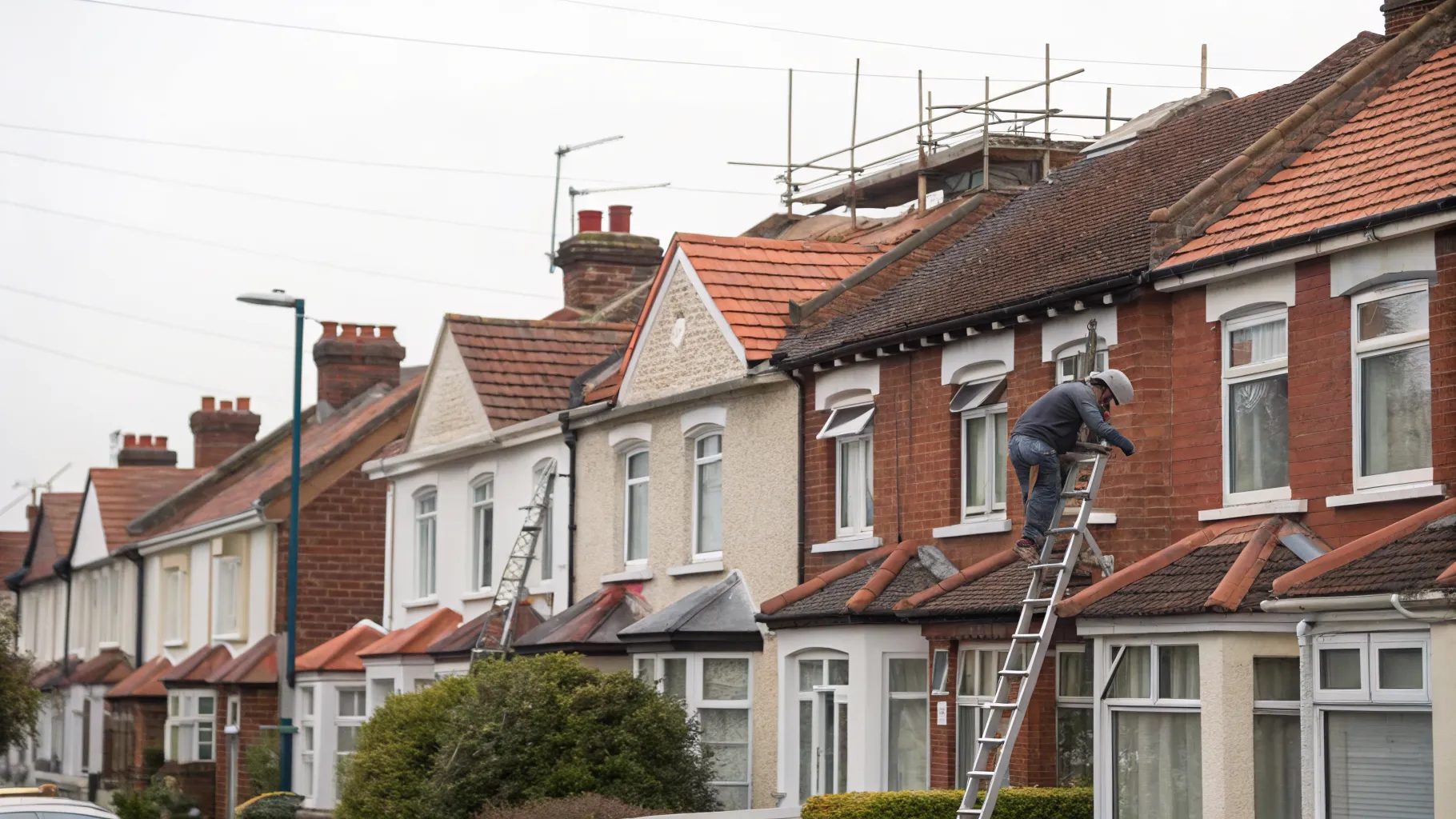
How Much Does a New Roof Cost in the UK in 2026?
What a new roof really costs in the UK in 2026, broken down by house size, material and the hidden extras, plus how to check you are being quoted fairly.
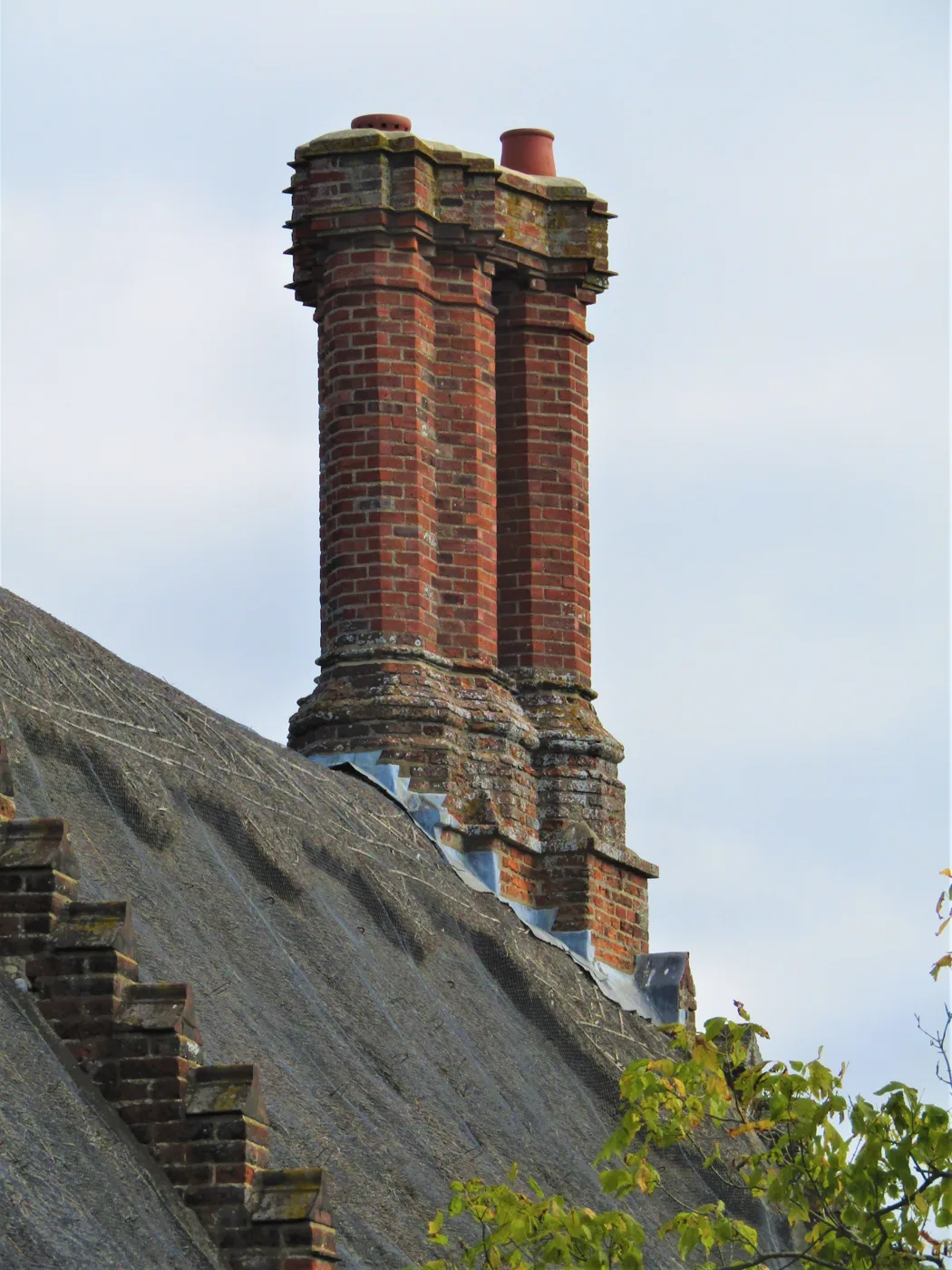
Chimney Repointing and Repair Cost UK (2026)
What chimney repointing cost is in the UK in 2026, why scaffolding drives the price, and how repointing compares to rebuilding, flashing and pot repairs.
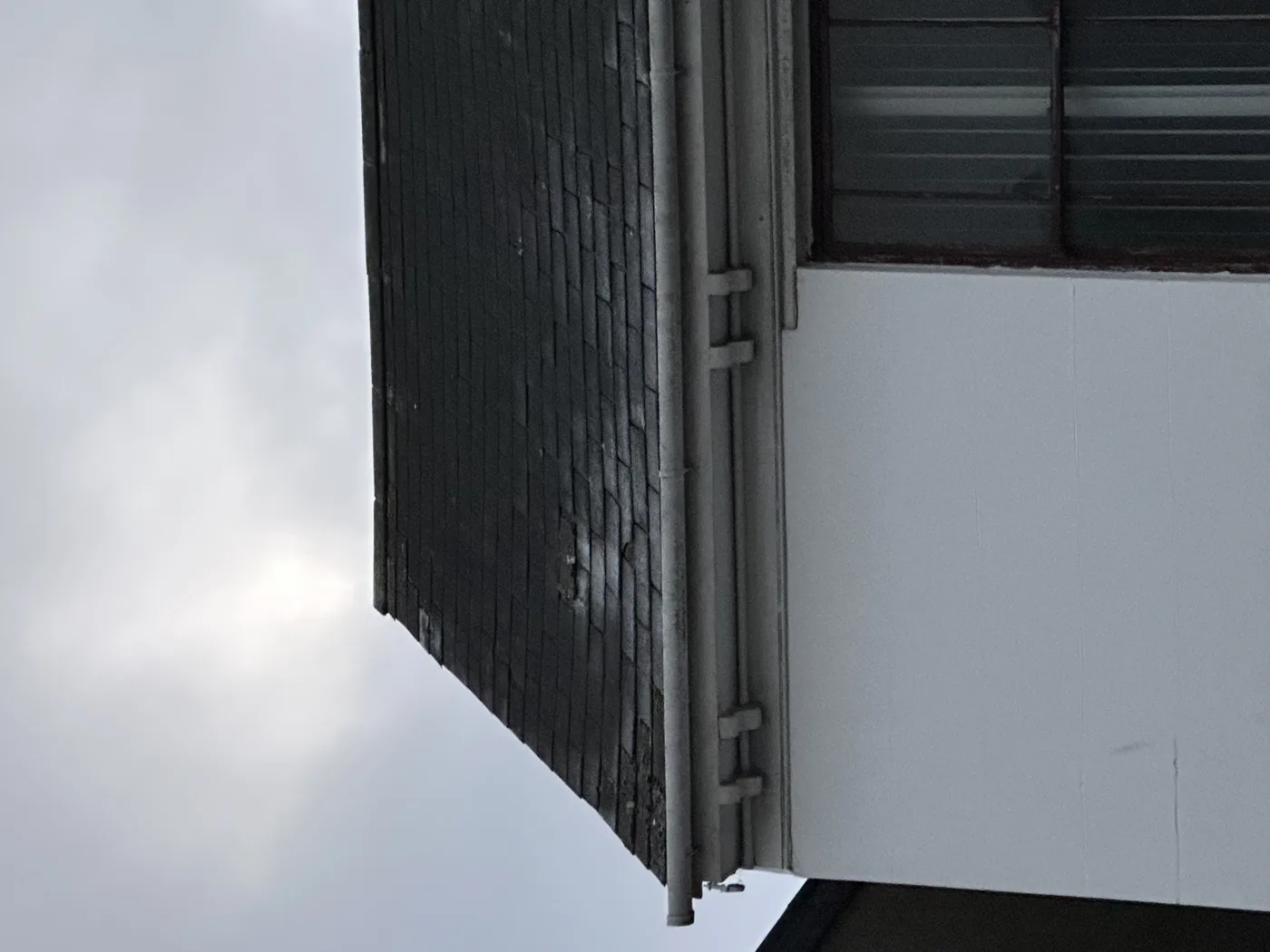
Roof Inspection and Survey Cost UK: What's Checked and the Price
Roof inspection cost UK 2026: what a ground, ladder or drone survey checks, typical prices for each, and when a written roof report is worth paying for.