New Roof Cost UK 2026: Full Roof Replacement Price Guide
By the Professional Roofers team
Updated 2026 · Independent cost guide
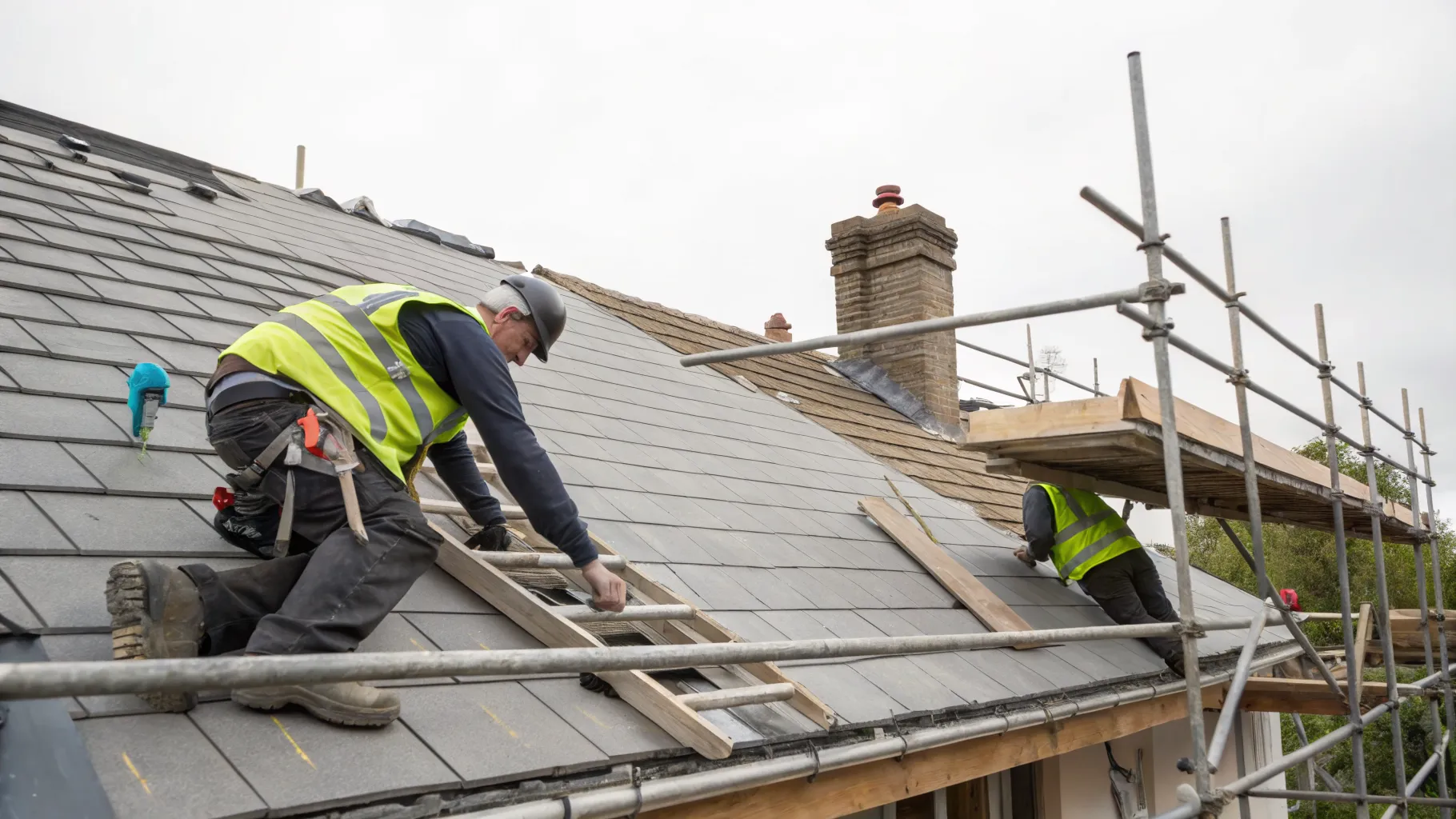
Replacing a roof is the single most expensive job most homeowners will ever commission on their property, and it is also the one where quotes vary most. Two roofers standing in the same driveway can be far apart on price, partly because they are quoting different specifications without saying so. This guide explains what drives the cost of a new roof in the UK, what should be itemised in your quote, and the regulations (planning, Building Regulations Part L, and the BS 5534 dry-fixing standard) that quietly decide how much work is legally required. Get at least three written quotes before you commit, and use this guide to compare them like for like.
What does a new roof cost in the UK?
There is no single answer, because the price is driven by roof size, pitch, shape (a simple gable roof is far cheaper than a cut hip roof with multiple valleys), the covering material, and where you live. The cheapest jobs are small, simple roofs re-covered in concrete tiles; the most expensive are large, complex roofs in natural slate.
Two things move the headline figure more than anything else:
- Material. Concrete tiles are the cheapest mainstream covering; clay costs more; natural slate is the most expensive and the heaviest commitment.
- Complexity. Hips, valleys, dormers, chimneys and multiple roof planes all add labour and detailing. A plain rectangular roof at a standard pitch is the cheapest shape to cover.
Published cost guides give national averages, but they are aggregated ranges rather than fixed quotes. Use them to sanity-check the prices you are given rather than as a target, and price your own roof from your measured area.
Why per square metre is the fairest way to compare
Per square metre is the framing most roofers actually work in, and it is the best way to compare quotes for roofs of different sizes. The spread on a pitched roof is wide, because it covers everything from a basic concrete tile job at the bottom of the range to a complex slate roof at the top. Flat roof systems sit on a different and generally lower per-square-metre basis.
To understand where a quote sits, separate the material cost from the labour. Concrete is the cheapest covering to supply, clay costs more, and natural slate is the most expensive, which is the main reason slate quotes come in so much higher. Labour is best understood as day rates for a small team rather than a tidy per-square-metre figure, because access, pitch and detailing change the effort far more than the bare area does. When a quote looks suspiciously cheap, it is usually the labour, the strip-out or the scaffolding that has been trimmed, not the tiles.
How property type affects the cost
Roof area, not floor area, drives the price, and a bungalow can have as much roof as a two-storey house despite being smaller inside.
- Terraced house: usually the cheapest mainstream re-roof, often a single front-and-rear pitch with shared party walls.
- Semi-detached: one of the most common jobs; cost depends heavily on the covering and the roof shape.
- Detached house: larger area and more often a hipped or multi-plane roof, which pushes the cost up.
- Bungalow: deceptively large roof area for the footprint, so do not assume it is cheap.
To narrow this down to your own roof rather than a property-type average, our roof replacement cost calculator and roof area calculator let you work from your measured area.
Slate vs concrete tile: the material comparison
This is the decision that swings the budget most, so it is worth understanding beyond the headline price.
Concrete tiles are the default on most modern UK homes: cheapest to supply, widely stocked, and good for 30 to 50 years. The market leaders are Marley, Redland (part of BMI) and Sandtoft. Common interlocking concrete profiles from Marley include Modern, Ludlow Plus, Ludlow Major, Mendip and Edgemere; the Double Roman is a familiar curved-look concrete tile. The interlocking Modern is a large-format tile at roughly 420 by 330mm, and Marley also makes concrete plain tiles. Manufacturer datasheets vary on minimum pitch and the number of tiles needed per square metre by profile, so confirm those figures against the specific product PDF before they go into a quote.
Clay tiles cost more than concrete to supply but hold their colour better and last longer, commonly 50 to 100 years. Marley’s clay range includes the Acme Single Camber plain tile, a machine-made clay tile at around 265 by 165mm.
Natural slate is the premium, longest-lasting option, frequently lasting 100 years or more, and it is the heaviest on cost. Spanish slate is the more affordable natural slate widely used in the UK; UK and Welsh natural slate cost more again. Welsh slate is the most expensive because it is quarried in limited volume in North Wales, and transport adds cost the further you are from the source. Welsh Slate operates the Penrhyn, Ffestiniog and Cwt-y-Bugail quarries. SSQ Group publishes a useful comparison of natural slate against other coverings; see their slate vs alternatives breakdown.
If you are weighing a flat section against a pitched one, we cover that trade-off on flat roof vs pitched roof cost, and the systems themselves on best flat roof material UK.
How long does a new roof last?
Lifespan is the other half of the value calculation: a slate roof costs far more up front but may never need replacing again in your ownership.
| Covering | Typical lifespan |
|---|---|
| Concrete tiles | 30 to 50 years |
| Clay tiles | 50 to 100 years |
| Natural and Welsh slate | 100+ years |
| Metal | 40 to 70+ years |
| Flat (felt, fibreglass, EPDM) | 10 to 30 years |
| Underlay and felt membrane | 40 to 50 years |
The membrane underneath outlasts a flat covering but not always a long-life slate or clay covering, which is one reason a full strip lets you replace the felt and battens at the same time.
Signs you need a new roof (and when a repair will do)
Not every problem means a full replacement. Spot repairs are the right call for isolated slipped tiles or a single failed flashing. Replacement starts to make sense when the failures are widespread or structural. Watch for:
- Water stains or damp patches in upstairs rooms or on top-floor ceilings.
- Daylight visible through the roof when you are in the loft.
- Widespread slipped, cracked or missing tiles, not just one or two.
- A sagging ridge line or visibly dipping roofline, which points to a structural issue.
- Persistent moss and mould holding moisture against the covering.
- Leaks that keep coming back despite repeated repairs.
That last point is the deciding one. Once you are paying for the same leak two or three times, repair money is being thrown after a roof that has reached the end of its life. The HomeOwners Alliance has a clear walkthrough of the warning signs in its guide on whether your roof needs replacing.
What should be itemised in your quote?
This is where a trade reads a quote differently from a homeowner. A trustworthy quote breaks the job into line items so you can see what you are paying for and spot what a cheaper rival has quietly left out. Sanity-check every quote against this list.
| Line item | What it covers |
|---|---|
| Scaffolding | Access for the full job; often included in a re-roof quote, but not always, so confirm it |
| Stripping old tiles, battens and felt | Removing the old covering; costs more if there are multiple old layers |
| Breathable membrane | The new underlay that replaces the old felt |
| Treated battens | New battens, standard on a full re-roof |
| Dry ridge system | Mechanically fixed ridge; long-life and required for compliance (see BS 5534 below) |
| Dry verge | Mechanical fixing at the gable edge |
| Lead flashing | Chimneys, abutments and valleys |
| Skip hire and waste removal | A strip-out generates a lot of waste |
| Building control fee | Applies when Building Regulations are triggered (see below) |
| VAT | Standard rate on a normal domestic re-roof |
If scaffolding is not a visible line on your quote, ask whether it is included or excluded before you compare prices, because that single item can be the reason one quote looks cheaper than another. The HomeOwners Alliance guide sets out indicative scaffolding and lead flashing costs if you want a benchmark.
Do I need new battens and felt?
Yes, on a proper full re-roof. Reusing old battens and perished felt is a false economy and it can void the warranty. System warranties such as SIG’s ONE Warranty require you to use one product from each mandatory group, the batten, the breather membrane and the covering, to qualify, and mixing in non-system components can void the cover. New battens and a new breathable membrane are part of doing the job once.
Dry ridge vs mortar ridge, and why BS 5534 matters
Older roofs bedded the ridge and verge tiles in mortar. Mortar cracks, lets water in and works loose, and a traditional mortar ridge typically needs repointing within 10 to 15 years. A dry ridge system fixes each ridge tile mechanically with screws and clamps, ventilates the ridge, and lasts 30 years or more.
There is a compliance angle competitors gloss over. The revised BS 5534, the British Standard code of practice for slating and tiling, requires ridge and hip tiles to be mechanically fixed on new and re-covered roofs, even where mortar is still used. Mortar on its own is no longer enough as the sole fixing. So if a quote proposes a mortar-only ridge with no mechanical fixing on a full re-roof, that is a red flag: it is both shorter-lived and out of step with the current standard. A properly fixed dry ridge and verge is often the answer to why a cheaper quote is cheaper, and it is also better for any future insurance claim.
Do I need planning permission or building regulations approval?
These are two separate approvals and people routinely confuse them.
Planning permission
Re-roofing that does not materially change the external appearance of the house usually needs no planning permission, because it falls under permitted development. The Planning Portal sets two key limits for roof alterations: they must not project more than 150mm beyond the existing roof plane, and must not exceed the height of the existing roof.
Permission is needed when you go beyond a like-for-like recover, including:
- Raising the ridge or overall roof height.
- Adding dormers or a mansard.
- Any work on a listed building, which needs Listed Building Consent.
- Homes in a conservation area, where permitted development rights may have been removed.
The authoritative reference is the official Planning Portal guidance on roof projects.
Building Regulations and the 25% rule (Part L)
This is the trigger most homeowners do not see coming. Under Building Regulations Part L:
- Replacing or recovering less than 25% of a roof slope generally does not require Building Regulations approval.
- Replacing or recovering more than 25% of a roof slope, which a full re-roof always does, counts as renovating a thermal element. Building Regulations then apply and you are required to bring the insulation up to current standards.
In practice the retained roof is upgraded to a renovation U-value target in the region of 0.16 W/m2K where its existing performance is worse than the threshold. On a warm roof that can mean a layer of rigid insulation; on a cold roof the upgrade is often done at ceiling level instead. The work has to maintain ventilation and be documented for building control certification, which is where the building control fee in your quote comes from. Your local authority building control team can confirm exactly what applies to your roof.
VAT on a new roof
Roofing work is standard-rated, so VAT applies at the standard rate on a normal domestic re-roof. A reduced rate can apply in specific cases, such as renovating a property that has been empty for two or more years, or certain conversions. These are edge cases with strict conditions, so confirm eligibility with your contractor and HMRC before assuming a lower rate applies.
What guarantee should a new roof come with?
There are three different protections and they are not the same thing:
- Workmanship guarantee: covers the installer’s labour. A properly installed pitched tile or slate roof should carry a minimum 10-year workmanship guarantee.
- Material warranty: comes from the tile or slate manufacturer and often runs 20, 30 or 40+ years.
- Insurance-backed guarantee (IBG): the important one for peace of mind. If the original installer stops trading, an IBG pays for another registered contractor to honour the work. A workmanship guarantee is only as good as the company behind it, so an IBG is what protects you if that company disappears.
Watch what voids cover. System warranties require you to use compatible components throughout, and mixing in non-system battens or membrane to save money can void the warranty on the whole roof.
Will insurance pay for a new roof? Are there grants?
This is the question top cost guides answer worst, so here is the straight version.
Insurance covers sudden, accidental damage from an insured peril: storm damage, fallen trees, fire. It does not cover wear and tear or age-related failure. If your roof has simply reached the end of its life, that is a maintenance cost, not a claim, and insurers will decline it as such. Where storm damage is genuine, document it with photos and dates before any work starts.
Grants do not fund the roof covering itself, but they can fund roof-level insulation, which is relevant because a full re-roof triggers the Part L insulation upgrade described above. Schemes such as ECO4 can contribute to loft or roof insulation for eligible households. Eligibility is means-tested and the schemes change, so check your current entitlement on gov.uk and with Ofgem before relying on it. The grant pays toward the insulation, not the tiles or slate.
How long does it take to replace a roof?
For a typical semi-detached house, allow around a week of working time once scaffolding is up, weather permitting. Larger, complex or natural slate roofs take longer. Wet weather extends the timeline because an exposed roof cannot be left open, so good roofers strip and re-cover in sections rather than opening the whole roof at once.
Frequently asked questions
How much does a new roof cost for a semi-detached house in the UK? There is no fixed figure, because the cost depends on roof area, shape and covering. Concrete tiles sit at the lower end and natural slate at the top. Published cost guides give aggregated ranges, so get three written quotes priced to your specific roof rather than relying on an average.
Do I need planning permission to replace my roof? Usually not, if it is a like-for-like recover that does not change the external appearance, projects no more than 150mm beyond the existing roof plane and does not exceed the existing height. You do need permission for raising the roof, adding dormers, listed buildings (Listed Building Consent) and often in conservation areas. Check the Planning Portal for your situation.
Is scaffolding included in a roof replacement quote? On a full re-roof it usually is, but not always, so ask. If one quote looks cheaper than another, check whether scaffolding has been left out of it, because it is one of the biggest single line items and an easy one to drop to win the job.
How long does a slate roof last compared to concrete tiles? Natural and Welsh slate frequently lasts 100 years or more, clay tiles 50 to 100 years, and concrete tiles 30 to 50 years. Slate costs far more up front but may never need replacing again in your ownership, which is why the long-term value comparison can favour it despite the higher initial price.
Will my home insurance pay for a new roof? Only if the damage is from a sudden insured peril such as a storm or fallen tree. Insurers do not pay for wear and tear or a roof that has simply aged out, which they treat as maintenance. If you have genuine storm damage, photograph and date it before any repairs begin.
Do I have to upgrade the insulation when I re-roof? Yes, if you replace more than 25% of a roof slope, which a full re-roof does. That triggers Building Regulations Part L, requiring you to bring the insulation up to current standards and certify the work through building control. Grants such as ECO4 may help fund the insulation element for eligible households.
Want costs like this each month?
Join the Roofline brief for current UK prices and quote-reading tips.
More from Professional Roofers
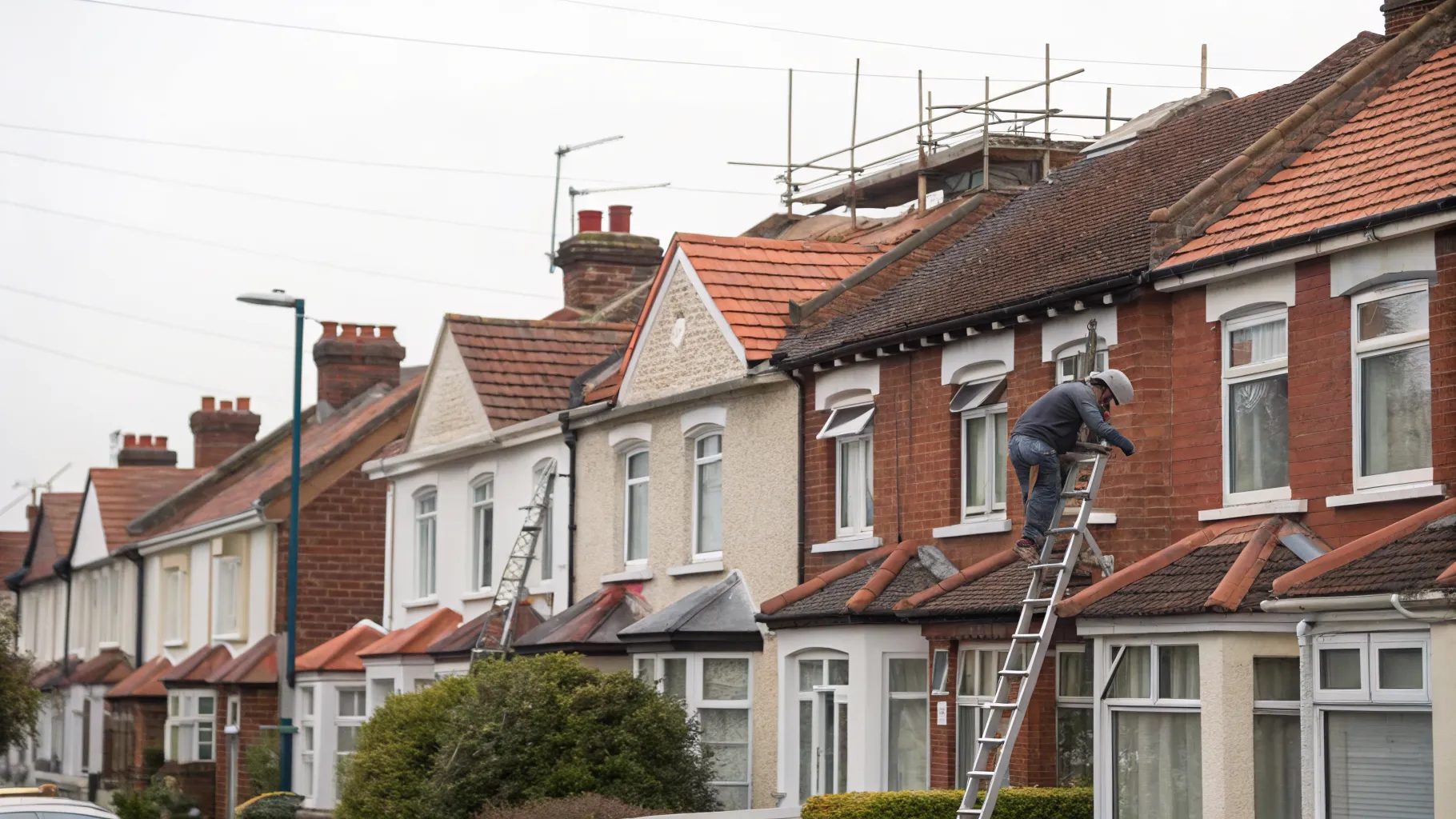
How Much Does a New Roof Cost in the UK in 2026?
What a new roof really costs in the UK in 2026, broken down by house size, material and the hidden extras, plus how to check you are being quoted fairly.
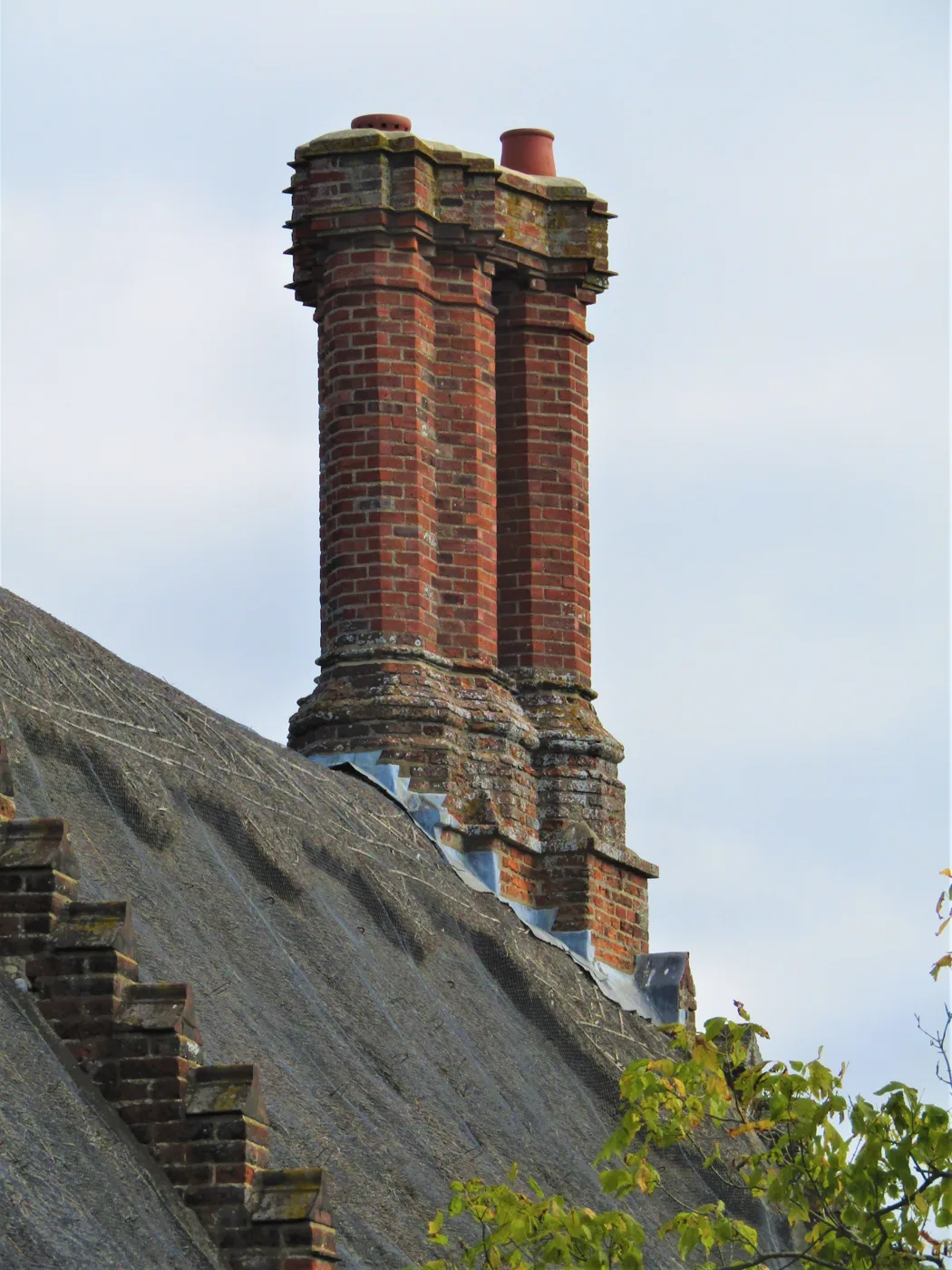
Chimney Repointing and Repair Cost UK (2026)
What chimney repointing cost is in the UK in 2026, why scaffolding drives the price, and how repointing compares to rebuilding, flashing and pot repairs.
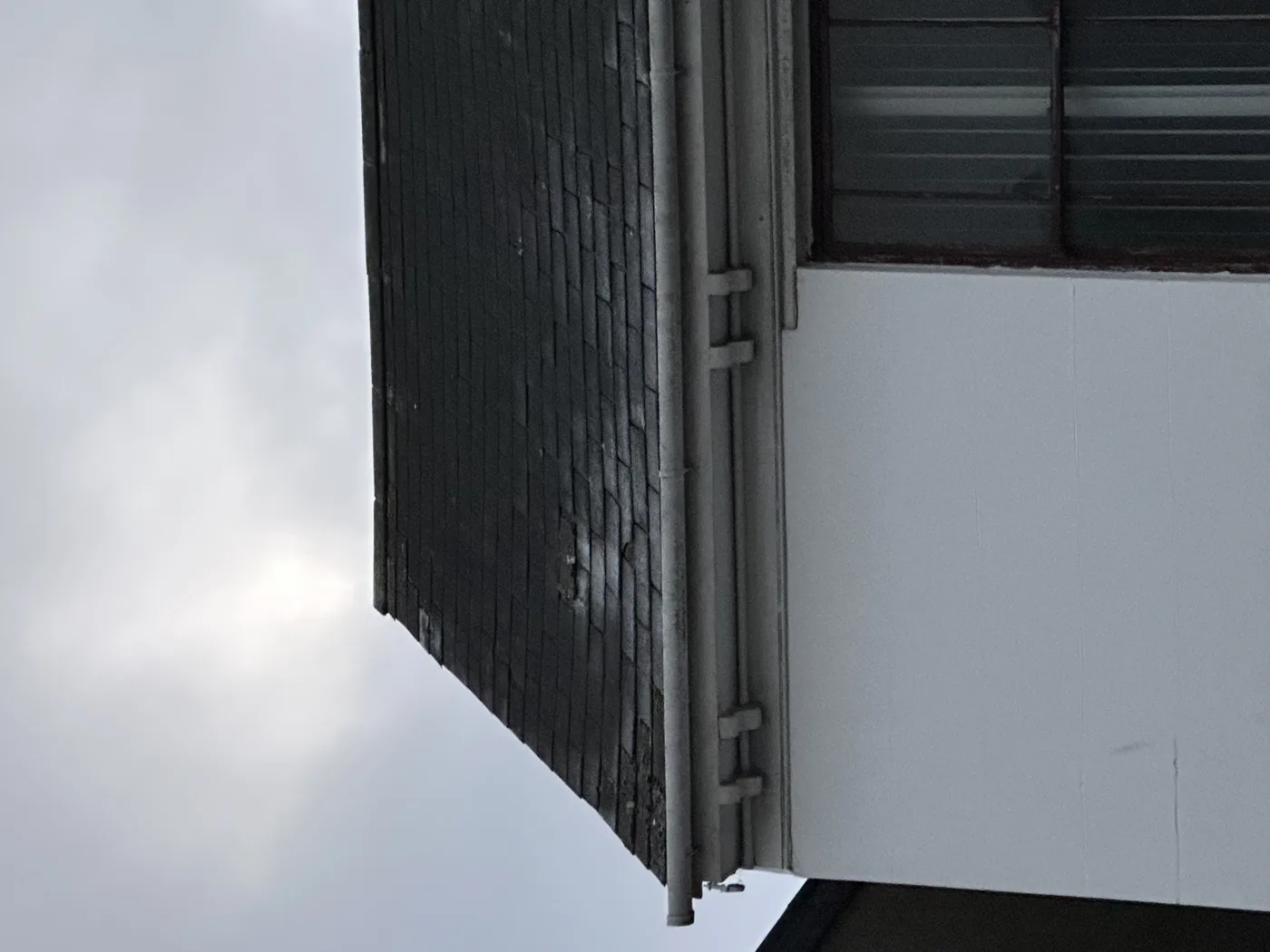
Roof Inspection and Survey Cost UK: What's Checked and the Price
Roof inspection cost UK 2026: what a ground, ladder or drone survey checks, typical prices for each, and when a written roof report is worth paying for.