Roof Replacement Process: What Happens Step by Step
By the Professional Roofers team
Updated 2026 · Independent cost guide
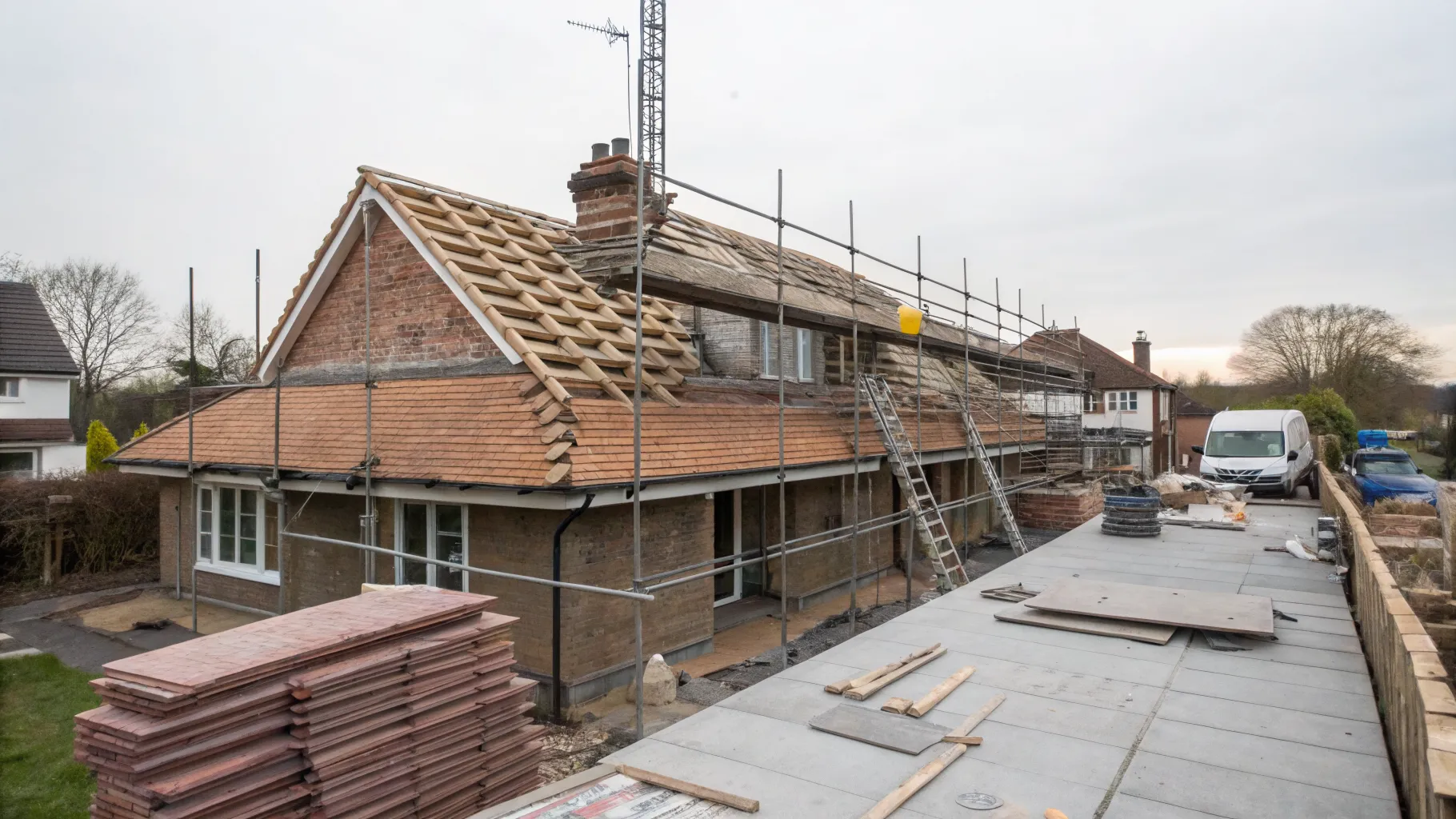
A full re-roof in the UK runs through a fixed sequence: scaffold goes up, the old covering is stripped, the deck and timbers are checked and repaired, breathable membrane and new battens go on, tiles or slates are laid from the eaves up, ridges and flashings are finished, then everything is inspected before the scaffold comes down and you pay the balance. Most jobs take 2 to 5 working days and, for an average property, cost roughly £6,000 to £12,000. Below is what happens at each stage, what the law requires, and how to tell a compliant quote from a cheap one.
Before anything starts: do you actually need a new roof?
Replacing a whole roof is the most expensive thing most homeowners ever do to the outside of their house, so it is worth confirming the roof is genuinely past repair rather than missing a few tiles. The clearest warning signs, set out in the HomeOwners Alliance guide on whether your roof needs replacing, are daylight visible through the roof in the loft, widespread slipped or missing tiles, and a sagging ridge line. A sagging ridge is the serious one: it points to a structural problem in the timbers, not just the covering.
If only a small area is affected, a repair or partial re-cover may be all you need. A full replacement is the right call when the covering is at the end of its life across the whole roof, the battens or felt have failed, or repairs are becoming a yearly habit.
Get three written, like-for-like quotes before you commit. “Like-for-like” matters: a quote that includes new battens, breathable membrane, dry-fixed ridges and proper scaffold is not comparable to one that quietly skips them, even though the second looks cheaper. For where the money goes by property type, see our breakdowns of new roof cost in the UK and roof cost per square metre.
Step 1: Scaffold and access
A re-roof cannot legally start until safe access is in place. Working at height to strip and re-cover a roof requires proper scaffolding under UK health and safety law; no reputable roofer will strip a roof off a ladder, and any quote that omits scaffold to look cheaper is cutting a corner you do not want cut.
Scaffold is a separate line item, usually £800 to £1,500 or more, with an average three-bed semi often quoted near £1,000. A full wrap or a longer hire period costs more. Scaffold erection and removal are also their own days at each end of the job, which is why the “1 to 3 days” timelines you see online are misleading: the covering work might take two days, but the scaffold adds a day at the front and a day at the back.
Step 2: Stripping the old roof
The old tiles or slates come off, along with the old felt and battens. Old battens are not re-used on a full re-roof; new treated battens are always fitted. Existing tiles can sometimes be set aside and re-laid if they are sound, but expect a proportion to crack during stripping, and older tiles are often porous or no longer sit cleanly on new battens. Natural slate in good condition is more commonly salvaged than aged concrete tile.
This is also the stage where hidden problems surface. Once the covering is off, the roofers can see the rafters, the deck and any older felt underneath. Rotten timber, woodworm, or a roof that was originally laid with no underlay at all will add cost and time that no one could have quoted accurately beforehand. A good contractor flags this immediately with photos rather than burying it.
Step 3: Timber repairs and the new build-up
With the structure exposed and any rotten timber replaced, the modern build-up goes on from the deck upward:
| Layer | What it does |
|---|---|
| Breathable underlay / membrane | Sits over the rafters; sheds wind-driven rain while letting moisture escape from the roof space |
| Treated timber battens | New battens create the air gap and give the tiles or slates their fixing line |
| Tiles or slates | Laid in overlapping courses from the eaves upward, mechanically fixed |
| Lead flashings | Reformed at chimneys, abutments and around skylights to keep junctions watertight |
This part of the job is invisible from the ground but decides whether the roof lasts 30 years or leaks in five. The relevant standard is BS 5534, the code of practice for slating and tiling. Since its 2015 amendment, mortar can no longer be the sole means of fixing tiles: single-lap tiles plus all hip and ridge tiles must be mechanically fixed, whether or not mortar is also used. The current version is BS 5534:2014 + A2:2018, in force from February 2018. Dry-fix systems for ridges, hips and verges are covered by BS 8612:2018. Marley’s BS 5534 guidance sets out the mortar-versus-dry-fix rules in detail.
In plain terms: if a quote says the ridge tiles will simply be “bedded in mortar” with no mechanical fixing or dry-ridge system, it is not meeting current standards. Dry ridge and dry verge, clipped and screwed rather than mortared, are now the expected approach, and they are far less likely to come loose in high winds.
Step 4: Building Regulations, insulation and who certifies it
This is the stage most online guides get wrong, often because they copy US “permits and building authority” language that does not apply here. The UK position is specific.
Building Regulations are triggered when more than 25% of the total building envelope, or more than 50% of an individual element such as the roof, is being re-covered. A full strip-and-recover always crosses that line. When it does, two things follow:
- Insulation upgrade. Under Approved Document L, the thermal element usually has to be brought up to current standards unless it already complies, where it is cost-effective to do so. The Planning Portal guidance on thermal elements confirms that significant changes to a roof normally need Building Regulations approval and an insulation upgrade on this basis. If your roof currently has little or no insulation, budget for this.
- Notification. The work has to be notified. You have two routes.
The two routes are the decision point that affects whether you end up with a compliance certificate:
| Route | How it works |
|---|---|
| Local Authority Building Control (LABC) | You or the roofer submit a Building Notice, typically about 48 hours before work starts; an inspector signs the work off |
| Competent Person Scheme | A roofer registered with a scheme self-certifies that the work meets Building Regulations, with no separate council application |
The relevant scheme for roofing is NFRC CompetentRoofer, which has been the government-authorised Competent Person Scheme for roofing in England and Wales since 2006. As its scheme information explains, notification is triggered when 50% or more of the roof is replaced, and registered contractors self-certify and notify the relevant LABC on your behalf. Ask any contractor up front whether they are in a Competent Person Scheme. If they are not, you need to confirm a Building Notice will be lodged with the council, otherwise the work goes unnotified and you have no certificate to show a future buyer.
Step 5: Finishing, the walkthrough and snagging
Once the covering, ridges, verges and flashings are complete, do not let the scaffold come down before you have walked the job. While the scaffold is still up, the roofers can reach and fix anything; once it is gone, putting it back is a cost and a delay.
Check, ideally with the contractor:
- Ridge and hip tiles are mechanically fixed or on a dry system, not just sitting in mortar.
- Lead flashings at the chimney, any abutments and around skylights are dressed in neatly with no gaps.
- Verges are finished cleanly and securely.
- Gutters and downpipes are clear of debris and offcuts.
- Up in the loft, there is no daylight through the new covering and the underlay is sitting correctly.
Snag anything that is not right now, in writing, before the scaffold is booked for removal.
Step 6: Payment and paperwork
Deposits are commonly 10% to 25% of the contract value. Withhold the final payment until the completion walkthrough is done and the paperwork is in your hands. You should end up with three or four distinct documents, which thinner guides tend to conflate:
| Document | What it is |
|---|---|
| Workmanship guarantee | From the contractor, covering their labour; commonly 2 to 10 years |
| Manufacturer material warranty | Separate, from the tile, slate or membrane maker |
| Building Regulation Compliance Certificate | Proof the notifiable work was certified, via the Competent Person Scheme or LABC |
| Insurance-backed guarantee (IBG) | Optional but worth having: it keeps the workmanship guarantee alive if the contractor stops trading |
A new roof should last at least 20 years, and far longer depending on material: concrete tiles around 30 to 50 years, natural Welsh slate well over 100 with maintenance. Keep all of this paperwork together; a buyer’s surveyor will ask for the compliance certificate.
How cost, timeline and complexity fit together
The headline ranges only make sense against the property and the work involved:
| Property type | Typical full re-roof cost | Rough timeline |
|---|---|---|
| Small terraced / bungalow | £4,000 to £7,000 | About 2 days plus scaffold |
| Average 3-4 bed semi or detached | £6,000 to £12,000 | 2 to 5 working days |
| Large, complex or natural slate | £12,000 to £20,000+ | A week or more |
Pricing usually works out at roughly £120 to £275 per m2 depending on material and region, with London and the South East at the top end. Hidden timber repairs, a full insulation upgrade and a longer scaffold hire all push a job toward the upper figure. For tighter numbers by property type, see our guides to the cost of re-roofing a 3-bed semi and terraced versus detached roof replacement costs.
Frequently asked questions
How long does it take to replace a roof in the UK? Most residential re-roofs take 2 to 5 working days. A compact terraced house can be done in about 2 days; a large or complex roof can take a week or more. Remember scaffold erection and removal are separate days at each end, and hidden timber rot or a roof with no underlay will extend the job.
Do I need scaffolding for a new roof? Yes. Stripping and re-covering a roof is work at height that legally requires safe access under UK health and safety law. A roofer cannot lawfully re-roof your house off ladders, and any quote that leaves scaffold out to look cheaper is cutting a corner. Budget roughly £800 to £1,500 or more as a separate line item.
Do I need Building Regulations approval to replace my roof, or can the roofer self-certify? A full re-roof is notifiable because it re-covers more than 50% of the roof. You have two routes: submit a Building Notice to Local Authority Building Control (typically about 48 hours before work starts), or use a roofer registered with a Competent Person Scheme such as NFRC CompetentRoofer, who self-certifies and notifies the council for you. Ask which route your contractor is using before work begins.
Should I get new tiles or can the old ones be reused? New battens and breathable membrane are always fitted on a full re-roof. Old tiles or slates can be re-laid only if they are sound, and you should expect a proportion to crack during stripping or to be too porous to re-use. Sound natural slate is salvaged more often than aged concrete tile. Do not assume a “we’ll re-use your tiles” quote saves much once breakages are counted.
What paperwork should I get after a new roof? Four things, kept separate: a workmanship guarantee from the contractor (often 2 to 10 years), a manufacturer’s material warranty on the tiles or membrane, a Building Regulation Compliance Certificate for the notifiable work, and ideally an insurance-backed guarantee that protects the workmanship guarantee if the contractor stops trading. Withhold final payment until you have them.
Can I stay in my house while the roof is being replaced? Usually yes. A re-roof is external work, so you can normally live in the house throughout, though it is noisy and dusty and there will be scaffold around the property for several days. Keep cars off the drive for deliveries and skips, and expect some debris in the loft if the ceiling below is open.
What happens if my old roof has rotten timber or no insulation? Rotten rafters or battens are only visible once the covering is stripped, so they cannot be quoted accurately in advance; a good roofer photographs the problem and prices the repair before continuing. Missing insulation is separate: because a full re-roof triggers Approved Document L, the insulation usually has to be brought up to current standards as part of the job, which adds cost but cuts your heating bills afterwards.
Want costs like this each month?
Join the Roofline brief for current UK prices and quote-reading tips.
More from Professional Roofers
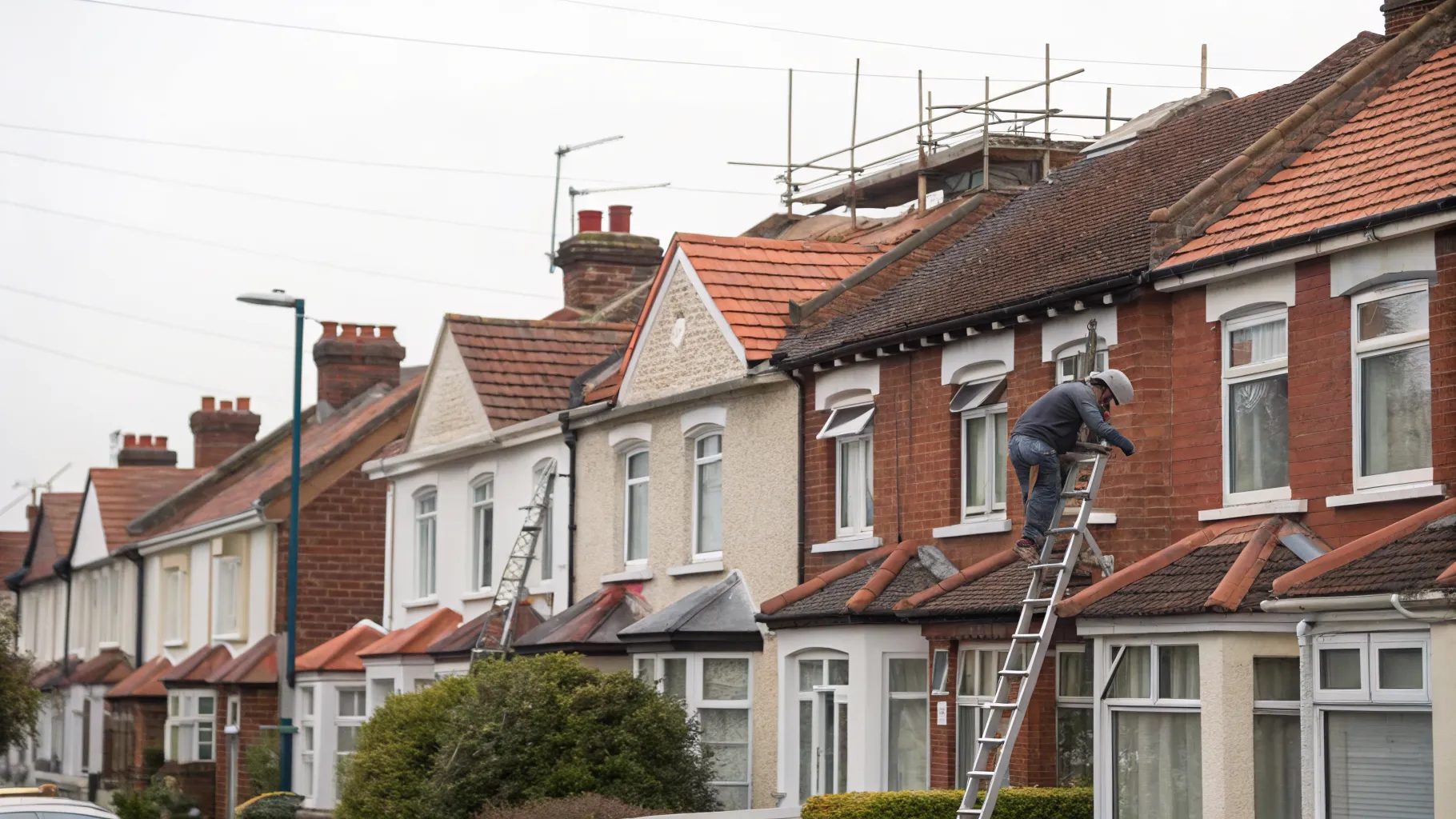
How Much Does a New Roof Cost in the UK in 2026?
What a new roof really costs in the UK in 2026, broken down by house size, material and the hidden extras, plus how to check you are being quoted fairly.
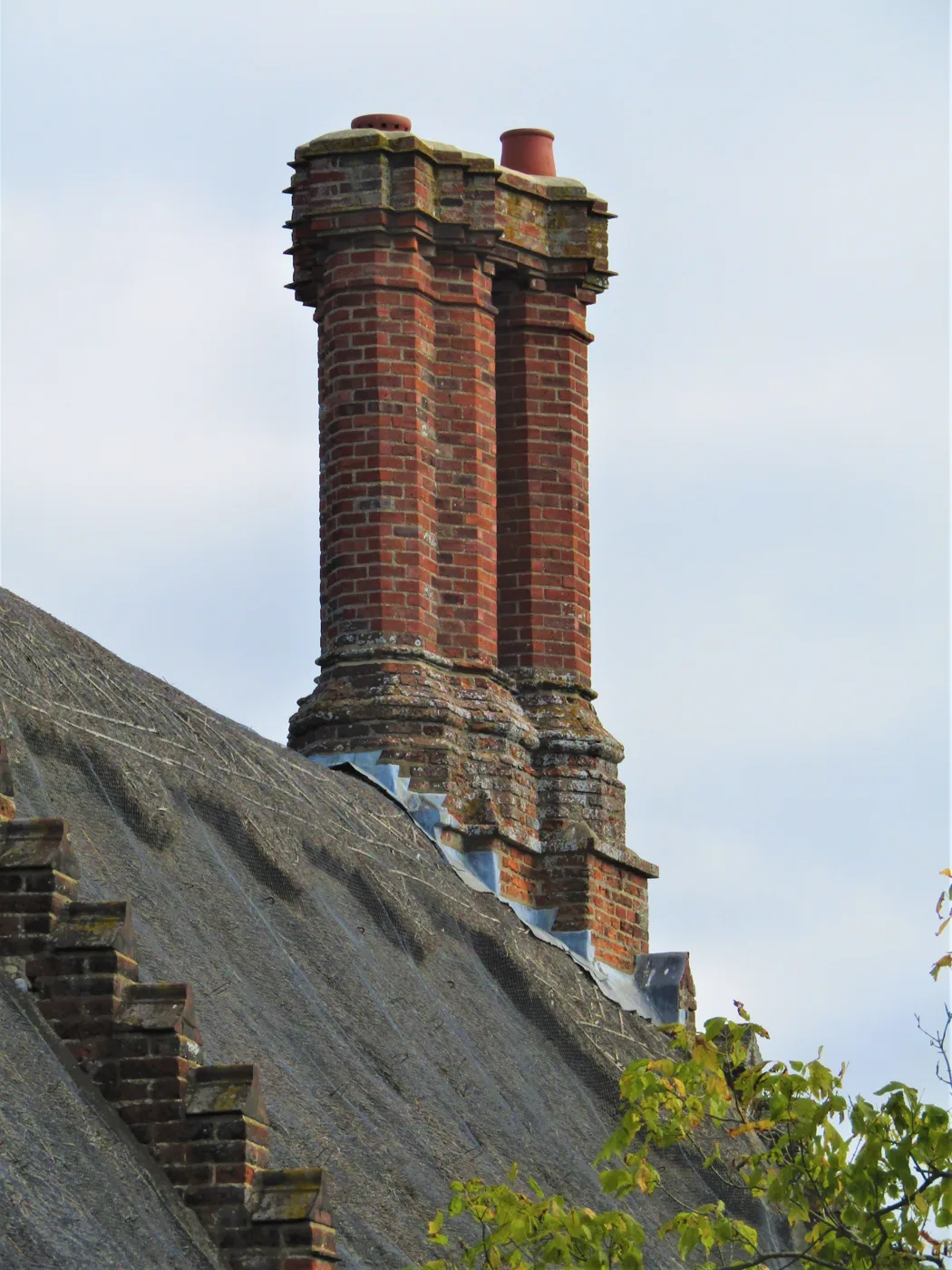
Chimney Repointing and Repair Cost UK (2026)
What chimney repointing cost is in the UK in 2026, why scaffolding drives the price, and how repointing compares to rebuilding, flashing and pot repairs.
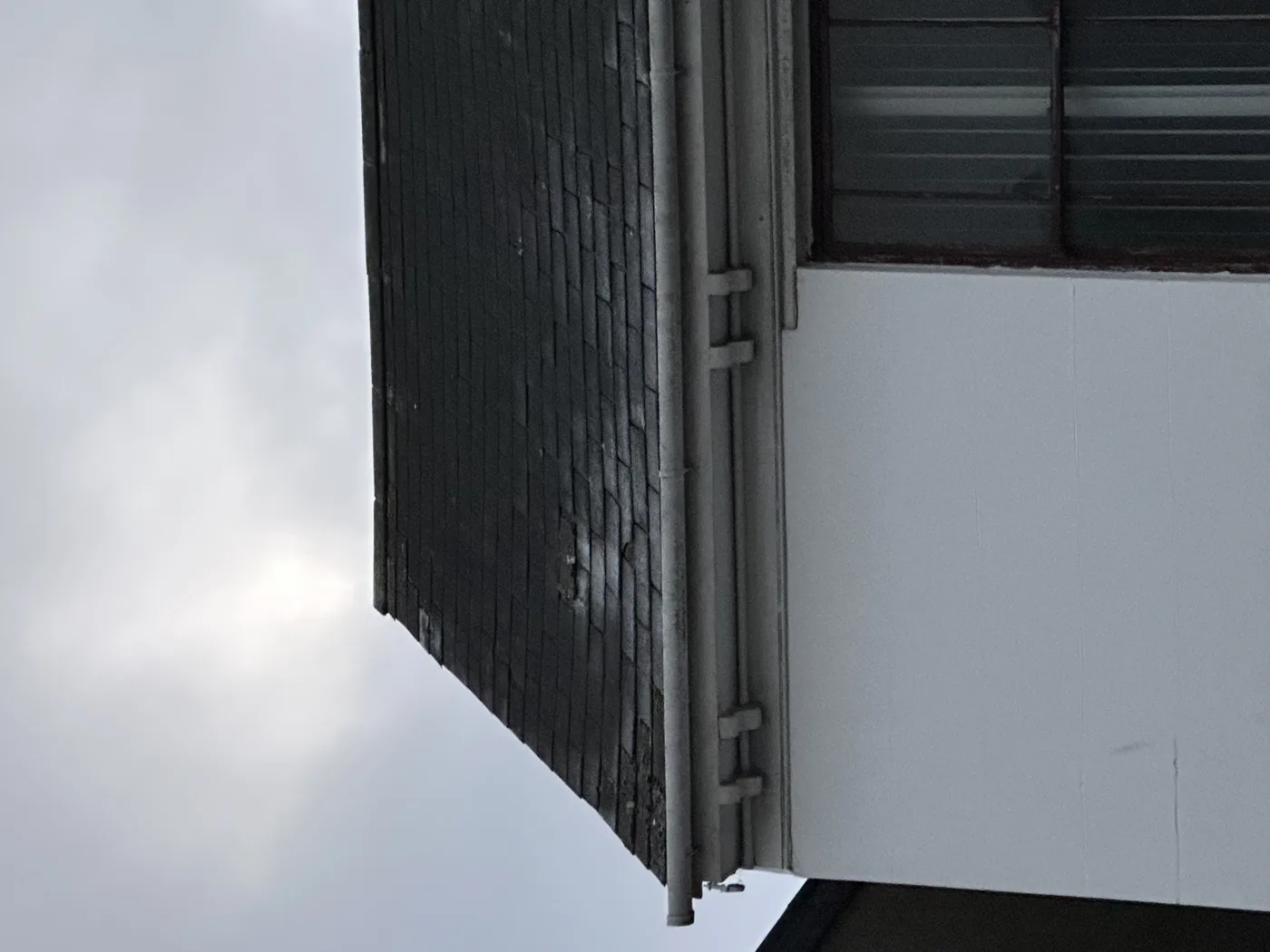
Roof Inspection and Survey Cost UK: What's Checked and the Price
Roof inspection cost UK 2026: what a ground, ladder or drone survey checks, typical prices for each, and when a written roof report is worth paying for.