Cost to Replace a Roof on a Terraced or Detached House
By the Professional Roofers team
Updated 2026 · Independent cost guide
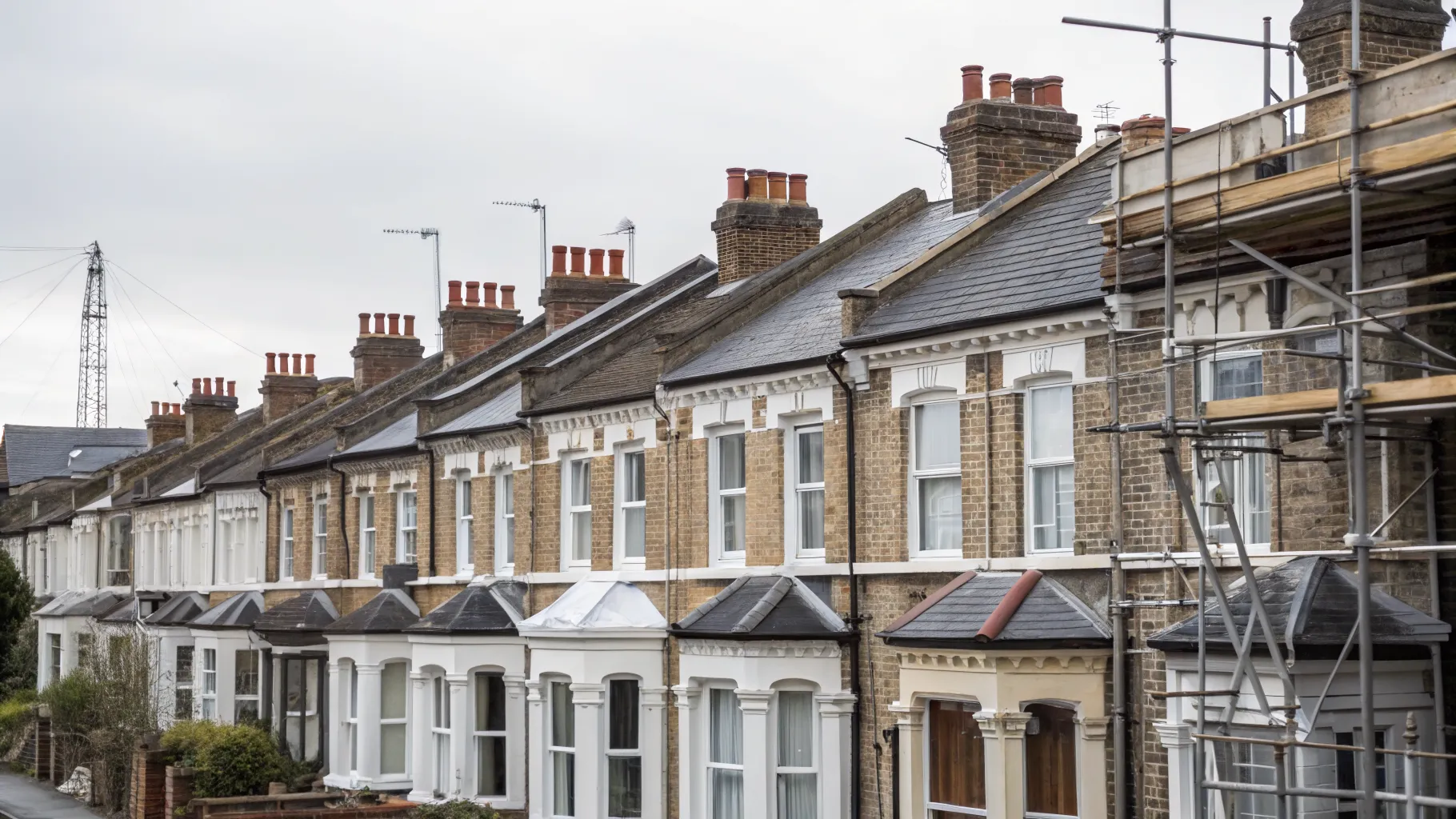
Ask three roofers to quote a full re-roof on the same house and you can get three prices that are thousands of pounds apart. That is not always a sign someone is overcharging. It usually means they have measured the roof differently, made different assumptions about what they will find when the old covering comes off, or priced the scaffolding in a way the others did not. This guide gives you realistic 2026 UK cost ranges for a terraced and a detached house, then explains what actually moves the number so you can read a quote properly instead of just picking the cheapest.
All figures below are indicative 2026 UK ranges. The final price on your house depends on roof area and pitch, access and scaffolding, the covering you choose, your region, and the condition of the timbers and felt found once the roof is stripped. Treat them as brackets, not promises.
What a full re-roof costs by house type
These ranges assume a complete strip and replace: old covering removed and taken away, new breathable membrane and battens, new tiles or slates, ridge and flashings refitted, and scaffolding included.
| House type | Typical roof area | Indicative 2026 cost |
|---|---|---|
| 2-bed terraced | 40 to 55 m² | £4,000 to £12,500 |
| Semi-detached | 60 to 80 m² | £5,000 to £15,000 |
| Detached (3 to 4 bed) | 80 to 120 m²+ | £7,000 to £20,000+ |
| Bungalow | large footprint, easy access | £5,500 to £11,000 |
The spread inside each row is deliberately wide because the published sources genuinely disagree. Lower and mid-range guides (the kind aggregators like Checkatrade and MyJobQuote publish) put a terraced re-roof around £4,000 to £7,500 and a detached at £7,000 to £12,000 or so. Specialist roofers quoting full scaffold-wrapped jobs on period property sit higher: a 2-bed terraced at £7,500 to £12,500, a 3-bed semi at £10,000 to £15,000, a 4-bed detached at £15,000 to £20,000. Other industry guides note that a small terraced pitched roof can start near £6,500, while a large, complex detached can pass £22,000.
The national headline “average new roof” figure often quoted at around £5,250 leans heavily towards small, simple roofs and is not a useful target for a detached house. Use the bracket for your house type, not the national average.
The short version: a terraced house is almost always the cheapest to re-roof and a detached the dearest. A terrace has the smallest area, only the front and rear elevations to access, and you may be able to share scaffolding with a neighbour. A detached house has more area, all four elevations to scaffold, and usually more hips, valleys and ridges, which means more labour and more cut tiles wasted.
Why the same roof gets very different prices
Six things drive most of the variation between quotes. If two quotes differ a lot, the gap is almost always hiding in one of these.
Roof area and shape. Price scales with square metres, but shape matters too. A plain front-to-back gable roof is cheap to cover. Every hip, valley and dormer adds cutting, lead or dry-valley work, and waste. As a rough guide on the covering alone (before a full scaffold wrap), a detached standard hipped roof runs higher than a gable, and adding two valleys pushes it up again.
Material. Concrete tile is the cheapest covering; natural Welsh slate is the most expensive, and can cost three to four times as much per square metre.
Pitch and access. A steep roof above about 40 degrees adds roughly 15 to 25 percent to labour because work is slower and harder to make safe. Awkward access, such as a roof you can only reach from a narrow side passage, can add £500 to £2,000.
What is found on strip-out. This is the biggest source of “the quote went up”. On Victorian and Edwardian terraces especially, rotten battens, perished felt or the odd cracked rafter are common. New felt and battens across the roof typically adds £500 to £1,000. Serious structural timber repair is rare but expensive, running into several thousand pounds.
Region. Same roof, very different price by postcode. London commonly adds 20 to 30 percent over the national average and the South East 15 to 25 percent, driven mainly by labour rates. The North of England, Wales and Scotland often sit 5 to 10 percent below average.
Scaffolding. This is a big, separate line that many homeowners overlook. For a terrace you may only need the front (and rear) scaffolded, and a front-only run is far cheaper than a full wrap. A detached house needs all four elevations, so its scaffold bill alone can be several thousand pounds.
For more on choosing between patching and a full replacement, see when a roof is worth repairing rather than replacing.
Cost by material
Material is the single biggest lever you control. These are installed prices (supply and fit) per square metre, so they already include labour.
| Covering | Installed cost per m² | Typical lifespan |
|---|---|---|
| Concrete tile | £35 to £90 | 40 to 60 years |
| Clay tile | £40 to £105 | 50 to 100+ years |
| Natural slate (Welsh top end) | £90 to £275 | 100+ years |
| Composite / synthetic slate | £60 to £90 | 30 to 50 years |
| EPDM rubber (flat) | £45 to £100 | 20 to 30+ years |
| GRP fibreglass (flat) | £50 to £80 | 20 to 30+ years |
| Felt / torch-on (flat) | £40 to £65 | 15 to 20 years |
As a whole-job rule of thumb, a pitched re-roof works out around £70 to £130 per square metre installed once you include labour, with the top of that band reflecting slate and steep or complex roofs.
The lifespan column is why slate is not as expensive as it first looks. Plenty of Victorian Welsh slate roofs are still watertight at 150 years. A concrete tile roof done well lasts 40 to 60. A poor installation, though, can halve any of these numbers, which is why the roofer matters as much as the tile. For a closer look at the options, see our guide to choosing roof tiles and slates.
The terraced house: smaller bill, different headaches
A terrace is cheaper to re-roof, but it comes with its own complications that detached owners never deal with.
- Shared scaffold economics. If a neighbour is also re-roofing, or even just willing, a shared scaffold run along the terrace splits the single biggest non-tile cost. It is worth asking up and down the row.
- Street access and permits. Tight parking, no front drive for a skip, and the need for a skip or scaffold licence from the council to place anything on the public highway. These permits cost money and time and should appear on the quote.
- Party-wall and parapet detailing. Victorian and Edwardian terraces often have shared chimney stacks, party parapets and box (or “secret”) gutters between properties. These are fiddly, need lead or specialist detailing, and add cost that a simple modern roof does not have.
The job itself is quick: a straightforward terraced re-roof is often 1 to 3 days on site.
The detached house: more of everything
A detached roof costs more for structural reasons, not because roofers see a bigger house and charge more.
- More area, all four sides. 80 to 120 m² or more, with scaffolding needed on every elevation.
- More cuts and waste. Hips, valleys, gable ends and dormers each generate cut tiles and lead or dry-valley work. A complex detached roof can use noticeably more material per covered square metre than a plain one.
- Longer on site. A detached re-roof commonly runs 1 to 2 weeks, so labour is a larger share of the bill.
The hidden costs your quote should itemise
A good quote does not give one lump sum. It breaks the job into lines so you can compare like with like and see where two roofers really differ. Ask for these as separate items:
- Scaffolding: front-only, rear, or full wrap, and how many weeks of hire are included.
- Strip-out and waste removal: roughly £1,000 to £2,500 including the skip.
- New membrane and battens: the felt and timber the new tiles sit on.
- The covering itself: make, model and quantity of tile or slate.
- Ridge, hips and flashings: dry-ridge systems and lead or alternative flashing to chimneys and abutments. Chimney re-flashing alone is roughly £250 to £600.
- Fascias, soffits and gutters: if these are being renewed at the same time, capping a 3-bed runs around £800.
- Building control notification: a small fee, or self-certification if the roofer is on a competent person scheme (see below).
- VAT: standard 20 percent applies to a domestic re-roof. Make sure you know whether the headline figure includes it.
Watch for a couple of variable extras. A timber or structural survey is usually £100 to £300. If the old roof or an adjoining garage roof might contain asbestos (common in older felt and corrugated sheets), a survey runs around £325 and removal around £2,750, and that work must be done by a licensed contractor.
The paperwork: building regs, planning and party walls
This is where cheap guides go quiet, and where unbudgeted cost and resale problems hide.
Building regulations almost always apply. If you re-roof 50 percent or more of a roof slope, the roof counts as a “thermal element” and you are required to bring its insulation up to current standards, even if you are putting back the same tiles. Approval is also triggered if the new covering performs worse thermally than the old one, if heavier tiles increase the load on the structure, or if you cut in new rooflights. You satisfy this either by submitting a Building Notice to your local authority at least 48 hours before work starts, or by using a contractor registered with a Competent Roofer scheme (run through the NFRC) who can self-certify the work. Skipping the paperwork can cause real headaches at conveyancing when you sell. The Local Authority Building Control guidance on roof work sets out exactly when approval is needed.
Planning permission is usually not needed for a like-for-like re-roof at the same pitch and height under permitted development rights. It is needed in a conservation area, and a listed building needs Listed Building Consent, which often means you must use natural Welsh slate rather than a synthetic substitute. That single rule can change the cost of re-roofing a period terrace or detached house substantially.
Party wall rules catch people out on terraces and semis. Simply changing your roof covering on your own roof is outside the Party Wall etc. Act 1996, so a straight like-for-like re-roof does not by itself need a party wall agreement. But if the scaffolding has to stand on, or oversail, the neighbour’s land, or if the work touches the party wall or a shared chimney, that is notifiable and you need the neighbour’s permission and access. A neighbour can refuse scaffolding that has to sit on their property; they cannot stop scaffolding that stays inside your own boundary. The Federation of Master Builders guide to party wall agreements explains where the line falls.
How to bring the cost down
- Get 2 to 3 written, itemised quotes and compare line by line, not just the totals. A quote that is suspiciously cheap usually leaves out scaffold weeks, waste or building control.
- Share scaffold with a neighbour on a terrace if you can time the jobs together.
- Choose concrete over slate where the look and any conservation rules allow it, since this is the single biggest material saving.
- Avoid changing tile weight unless needed, since heavier tiles can trigger structural and building-regs work.
- Book outside peak season if you can, as late autumn through winter is often quieter and more negotiable than spring.
If your roof is not actually at the end of its life, a targeted repair may make more sense for now. Our piece on common roof leaks and what they cost to fix covers when patching is the better call.
Frequently asked questions
How much does it cost to replace a roof on a terraced house? For a typical 2-bed terraced house, budget somewhere between £4,000 and £12,500 in 2026 for a full strip and replace including scaffolding and waste. The wide range reflects the covering chosen (concrete at the bottom, natural slate at the top), your region, and what the roofers find when the old roof comes off. A terrace is usually the cheapest house type to re-roof because the area is small and only the front and rear need access.
What is the cheapest roofing material? Concrete tile, at roughly £35 to £90 per square metre installed. It is cheaper than clay and far cheaper than natural slate, and a well-laid concrete tile roof still lasts 40 to 60 years. The main trade-offs are appearance and weight, and in a conservation area or on a listed building you may not be allowed to use it.
Do I need building regulations approval to replace my roof? Usually yes. Re-roofing 50 percent or more of a roof slope makes it a thermal element, so you must upgrade the insulation to current standards even with the same tiles. You either submit a Building Notice at least 48 hours before work, or use a Competent Roofer scheme contractor who self-certifies. Missing this paperwork commonly causes problems when you sell.
Can a neighbour refuse to let me put up scaffolding? Yes, but only if the scaffold has to stand on or oversail their property. If it fits entirely within your own boundary, they cannot stop it. A straight like-for-like re-roof of your own covering is outside the Party Wall Act, but work that touches the party wall, a shared chimney, or needs access over the neighbour’s land does need their agreement.
How long does a new roof last? It depends on the material and the quality of the fit. Concrete tile lasts 40 to 60 years, clay 50 to 100 or more, natural slate 100 years and beyond (Victorian slate roofs are still going at 150), and flat EPDM or GRP roofs 20 to 30 years. A poor installation can roughly halve any of these, so the roofer matters as much as the material.
Is there VAT on a new roof? Yes, a standard domestic re-roof attracts 20 percent VAT. Some specific energy-saving measures can qualify for a reduced or zero rate, but a routine like-for-like re-roof does not, so assume the standard rate and check whether a quoted figure includes it.
Want costs like this each month?
Join the Roofline brief for current UK prices and quote-reading tips.
More from Professional Roofers
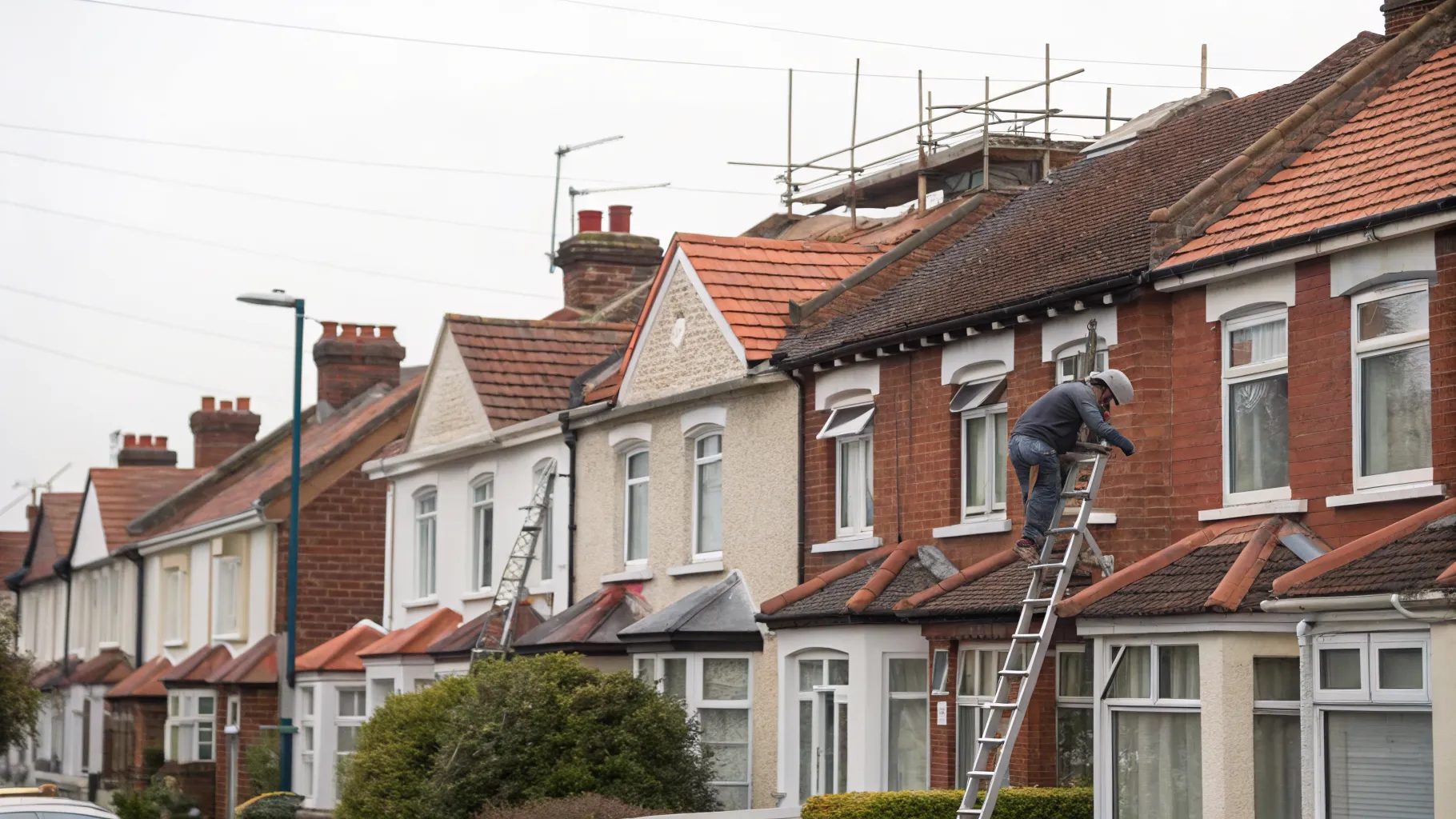
How Much Does a New Roof Cost in the UK in 2026?
What a new roof really costs in the UK in 2026, broken down by house size, material and the hidden extras, plus how to check you are being quoted fairly.
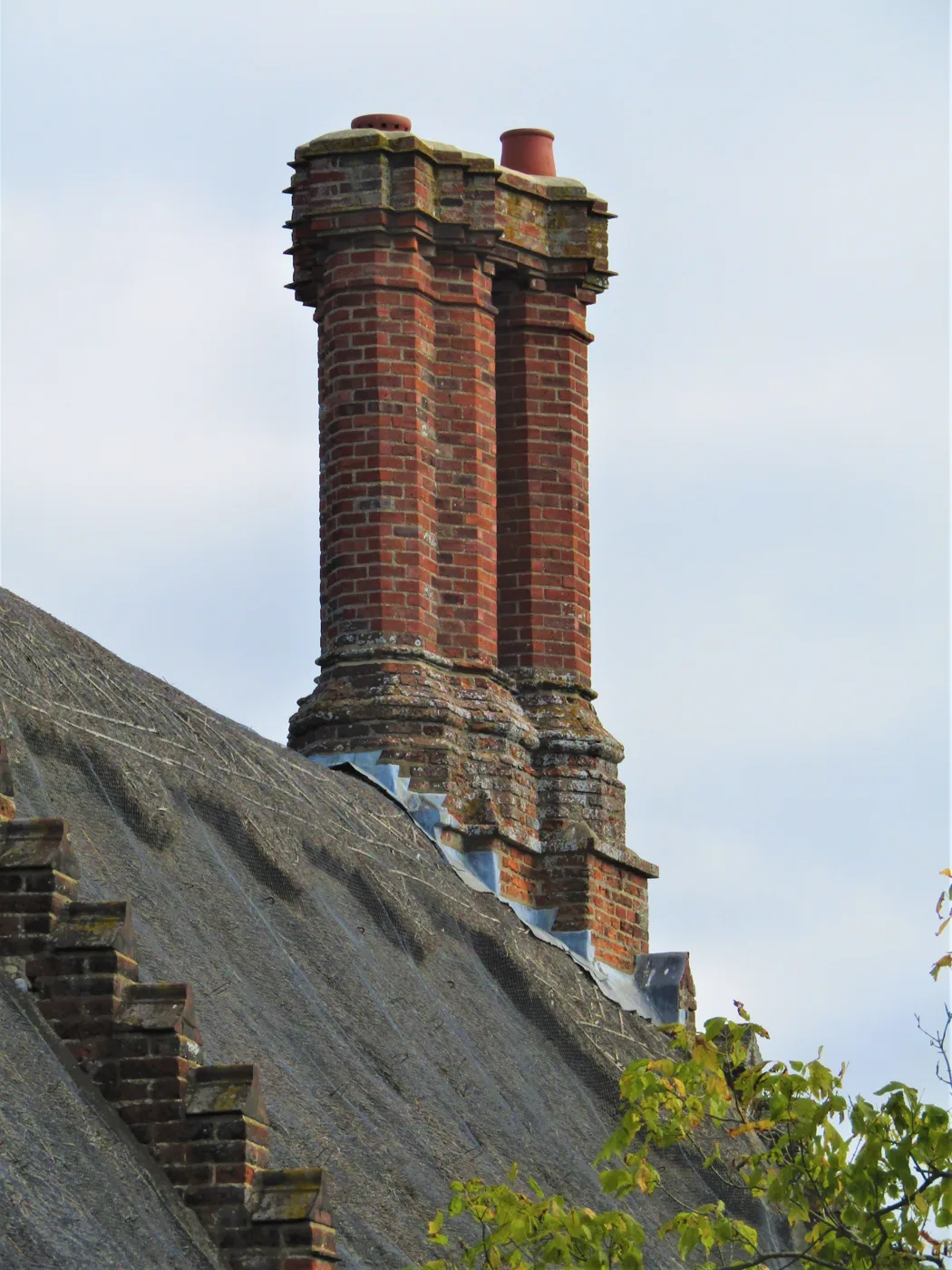
Chimney Repointing and Repair Cost UK (2026)
What chimney repointing cost is in the UK in 2026, why scaffolding drives the price, and how repointing compares to rebuilding, flashing and pot repairs.
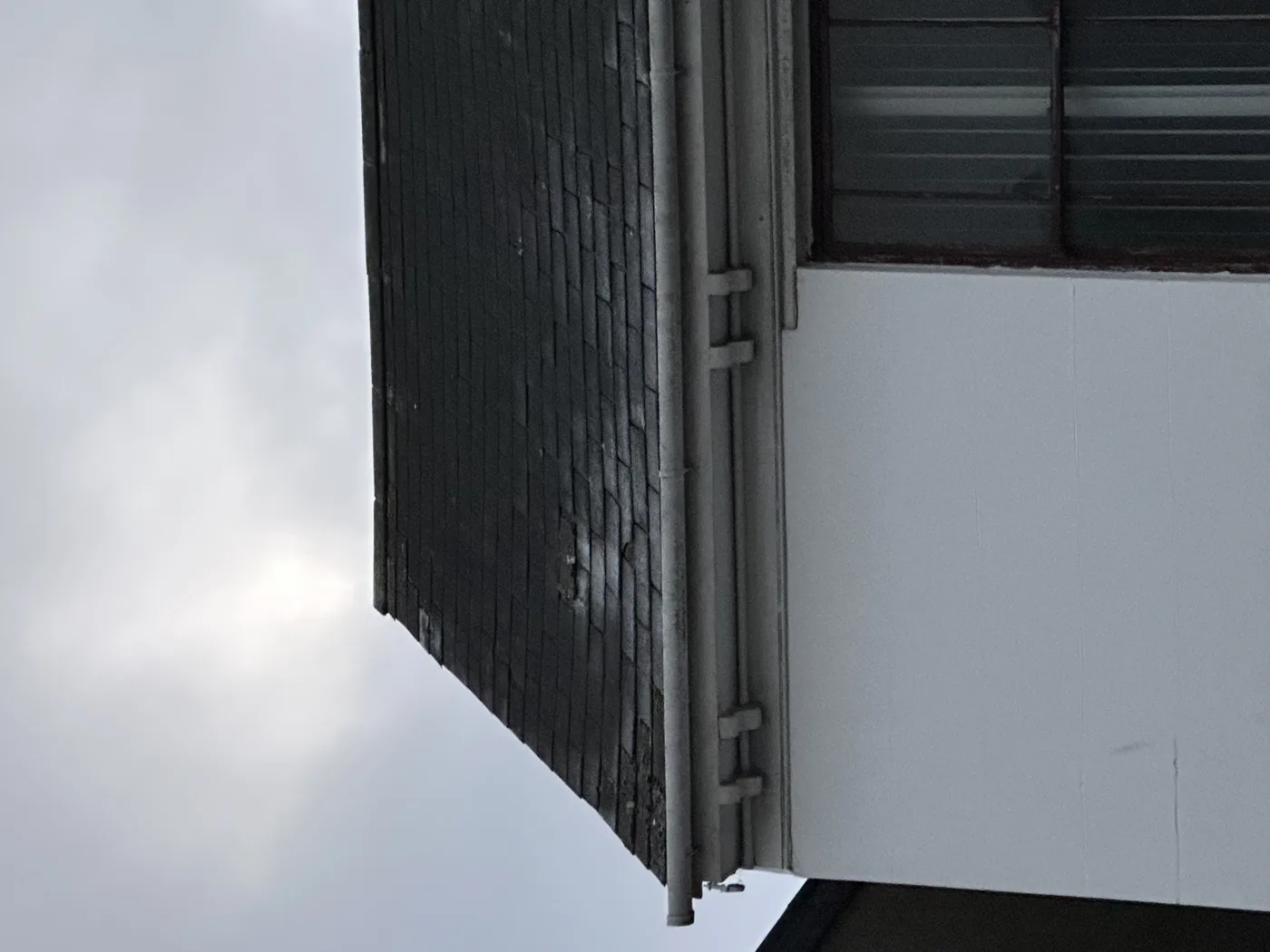
Roof Inspection and Survey Cost UK: What's Checked and the Price
Roof inspection cost UK 2026: what a ground, ladder or drone survey checks, typical prices for each, and when a written roof report is worth paying for.