Roof Moss Removal: Methods, Cost and Whether It's Worth It
By the Professional Roofers team
Updated 2026 · Independent cost guide
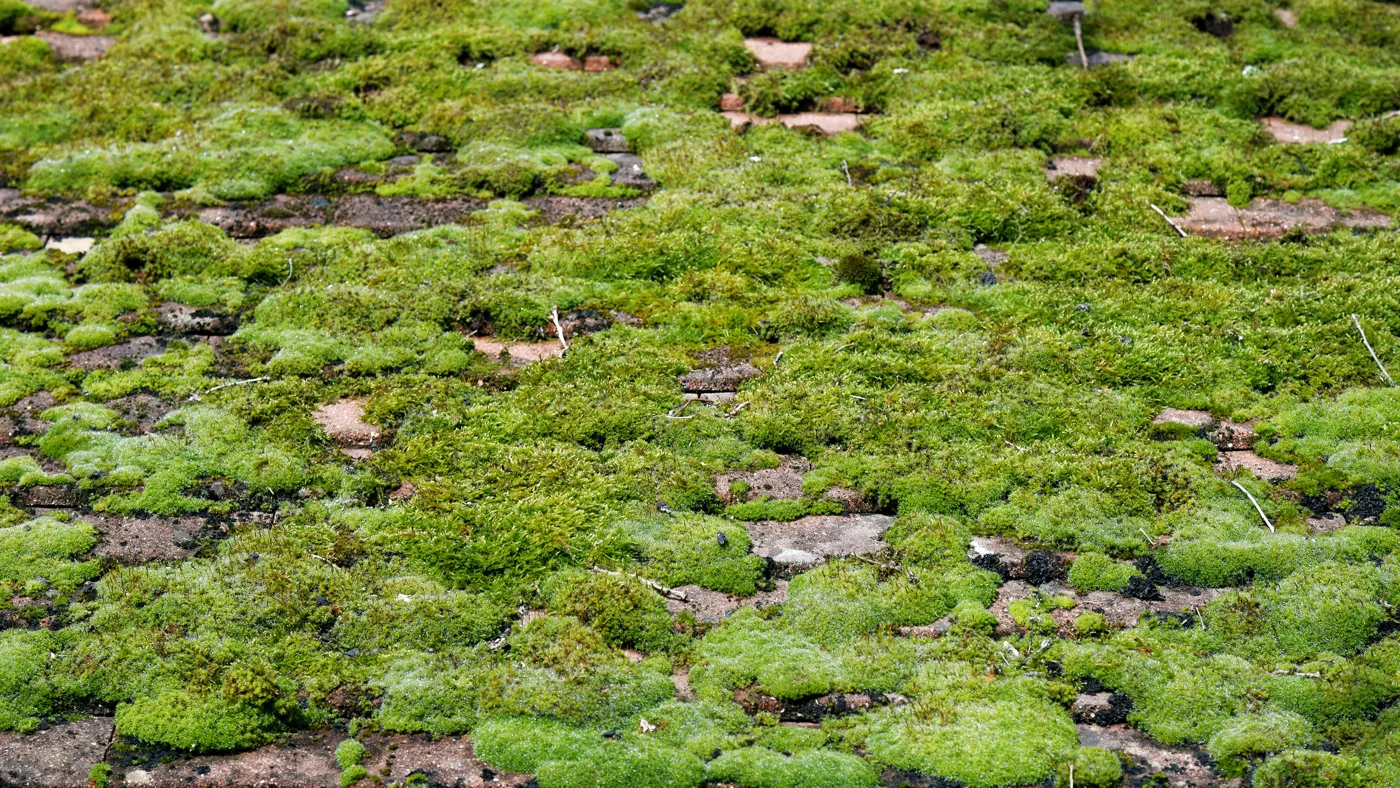
Roof moss removal is one of those jobs that sits between genuine maintenance and pure cosmetics, and knowing which side of that line your roof is on will save you a lot of money. A light green film on a sound roof is mostly a looks issue you can monitor. A thick, spongy mat of moss shedding into your gutters and holding water against the tiles is a maintenance problem worth treating. This guide sets out the methods that actually work, what they cost in the UK, and, just as importantly, how to spot the approach that will crack your tiles and cost you a fortune to put right.
Why moss grows and when it matters
Moss thrives on north-facing, shaded and damp roof slopes, taking hold in the textured surface of concrete tiles in particular. On its own a thin covering does little harm. The problem is heavy build-up: moss holds moisture against the tile surface, sheds debris that blocks gutters and downpipes, and can lodge under and between tiles where freeze-thaw cycles then widen gaps. So the honest test is not “is there moss” but “is it thick enough to trap water and clog the gutters”. If it is, deal with it. If it is light, keep an eye on it and clear the gutters. Our roof maintenance guide covers where moss fits in the wider upkeep picture.
The methods that work, ranked by safety
Hand scraping plus biocide. This is the method most reputable UK roofers recommend. The moss is physically scraped off by hand, then a biocide is applied to kill spores and slow regrowth. Done properly it is gentle on the tiles and the results typically last two to three years. It is labour-intensive, which is reflected in the price, but it is the safest route on most roofs.
Soft washing. Low-pressure water combined with a cleaning solution, soft washing kills the underlying growth rather than just blasting off what you can see, and it does not risk damaging tiles the way high pressure does. It is a good choice where scraping alone would leave staining.
Biocide-only treatment. A biocide is sprayed across the roof and left to work. The moss and lichen die back over roughly six to eight weeks and are gradually washed off by rain over the following months. It is the least disruptive option and useful as a preventative or a follow-up, though you wait for the result rather than seeing an instantly clean roof.
Pressure washing (approach with caution). High-pressure washing is the cheapest and most dramatic-looking method, and the riskiest. The jet can dislodge or crack tiles, strip the protective surface layer off concrete tiles so they weather faster, and lift the mortar pointing on ridge and hip tiles. A cheap pressure-wash quote can turn into a far bigger repair bill. Treat any contractor who leads with a jet wash as a warning sign.
What roof moss removal costs in the UK
Prices vary by roof size, pitch, access and the amount of moss, so always get the roof looked at, but the going rates give you a benchmark. Manual scraping tends to run around £5 to £10 per square metre, and soft washing roughly £15 to £20 per square metre. A biocide spray treatment on a standard semi commonly falls in the £150 to £300 range, while a soft wash combined with biocide is often £250 to £500. For a full moss removal on an average semi-detached home you might see totals from around £600 upward once scaffolding or access equipment is involved. The widely cited Checkatrade roof cleaning cost guide gives similar figures. For the fuller breakdown, see our roof cleaning cost guide.
Access is the swing factor. Anything that needs scaffolding rather than a simple ladder or a reach-and-wash pole will cost noticeably more, so a steep or three-storey roof is a different job from a bungalow.
Does moss removal damage the roof?
Done correctly, no. Damage comes from the method, not the cleaning itself: excessive pressure, the wrong chemicals, or careless clambering across brittle tiles. Hand scraping, soft washing and steam cleaning are all safe on standard UK roof materials when done by someone competent. This is exactly why the cheapest pressure-wash quote is so often a false economy, and why it is worth asking a contractor which method they use and why before you accept.
Getting it done safely
Ask for the method in writing, confirm the contractor has insurance and safe access equipment, and be wary of anyone quoting a whole-roof price without seeing the roof. It is also worth pairing moss removal with a gutter clear-out, since the loosened moss ends up in the gutters, and with a quick check for any tiles the moss was hiding. If you are booking someone in, our roof inspection guide explains what a proper look at the roof should cover.
Frequently asked questions
Is roof moss removal worth it? It is worth it when moss is thick enough to trap moisture, block gutters or lodge between tiles, because left alone that shortens the roof’s life and causes damp problems. A light covering on an otherwise sound roof is mainly cosmetic and can simply be monitored, with the gutters kept clear.
What is the best way to remove moss from a roof? Hand scraping followed by a biocide treatment is the method most UK roofers recommend, because it is gentle on the tiles and lasts two to three years. Soft washing and biocide-only treatments are also safe. Avoid high-pressure jet washing, which can crack tiles and strip their surface.
How much does it cost to remove moss from a roof in the UK? Expect roughly £5 to £10 per square metre for manual scraping and £15 to £20 per square metre for soft washing. A biocide spray on a standard semi is often £150 to £300, and a full moss removal on an average semi can run from around £600 upward once access equipment is factored in. Always get the roof surveyed for an accurate quote.
Does removing moss damage roof tiles? Not when it is done correctly. Damage is caused by excessive pressure, the wrong chemicals or poor access, not by cleaning itself. Hand scraping and soft washing are safe on standard tiles, whereas pressure washing risks dislodging tiles and removing their protective surface.
How long does it take for moss to grow back? After a proper scrape and biocide treatment, expect a couple of years before significant regrowth, typically two to three. North-facing and shaded roofs regrow faster. A periodic biocide top-up and keeping gutters and overhanging branches in check slows it down.
Want costs like this each month?
Join the Roofline brief for current UK prices and quote-reading tips.
More from Professional Roofers
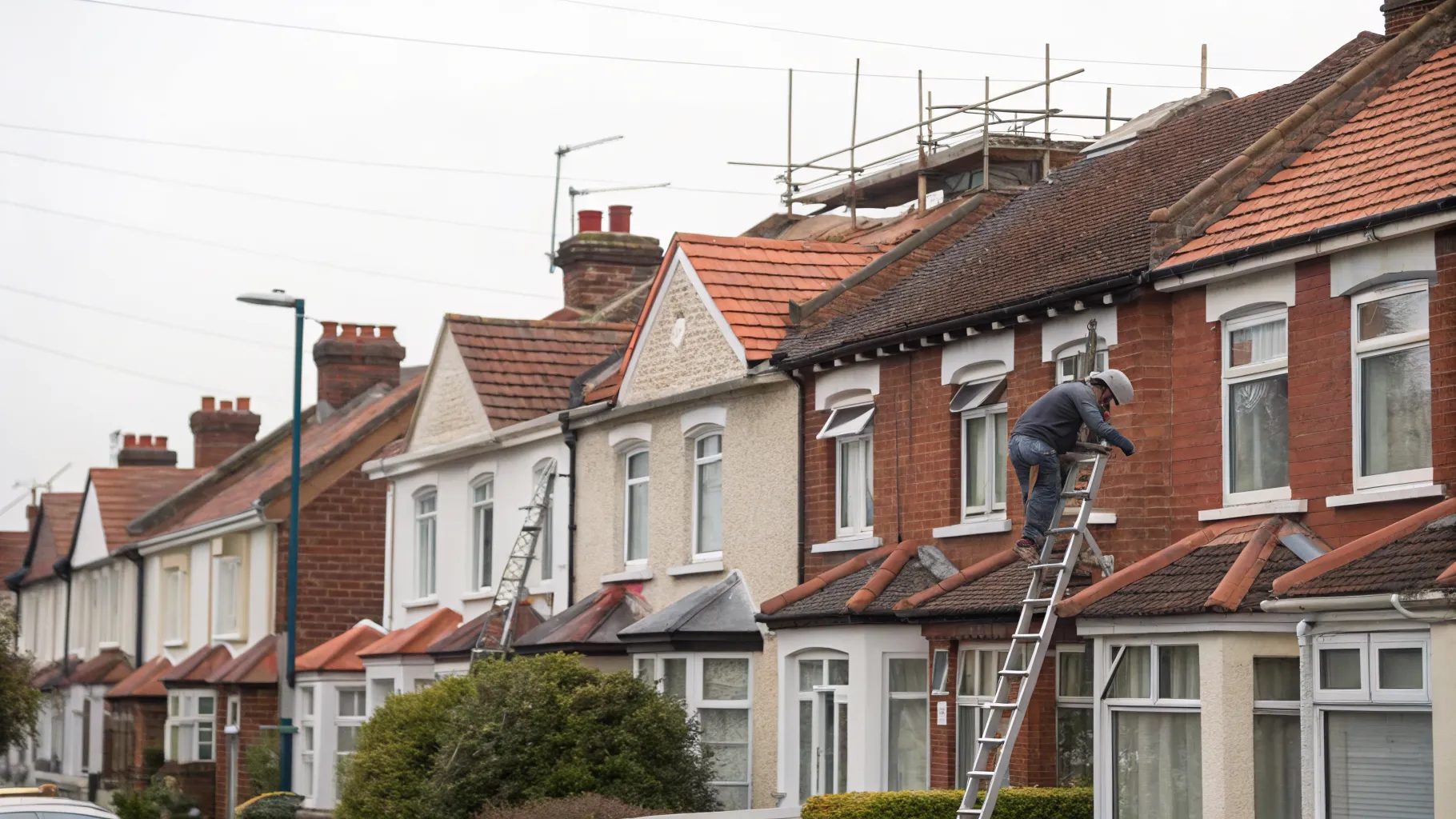
How Much Does a New Roof Cost in the UK in 2026?
What a new roof really costs in the UK in 2026, broken down by house size, material and the hidden extras, plus how to check you are being quoted fairly.
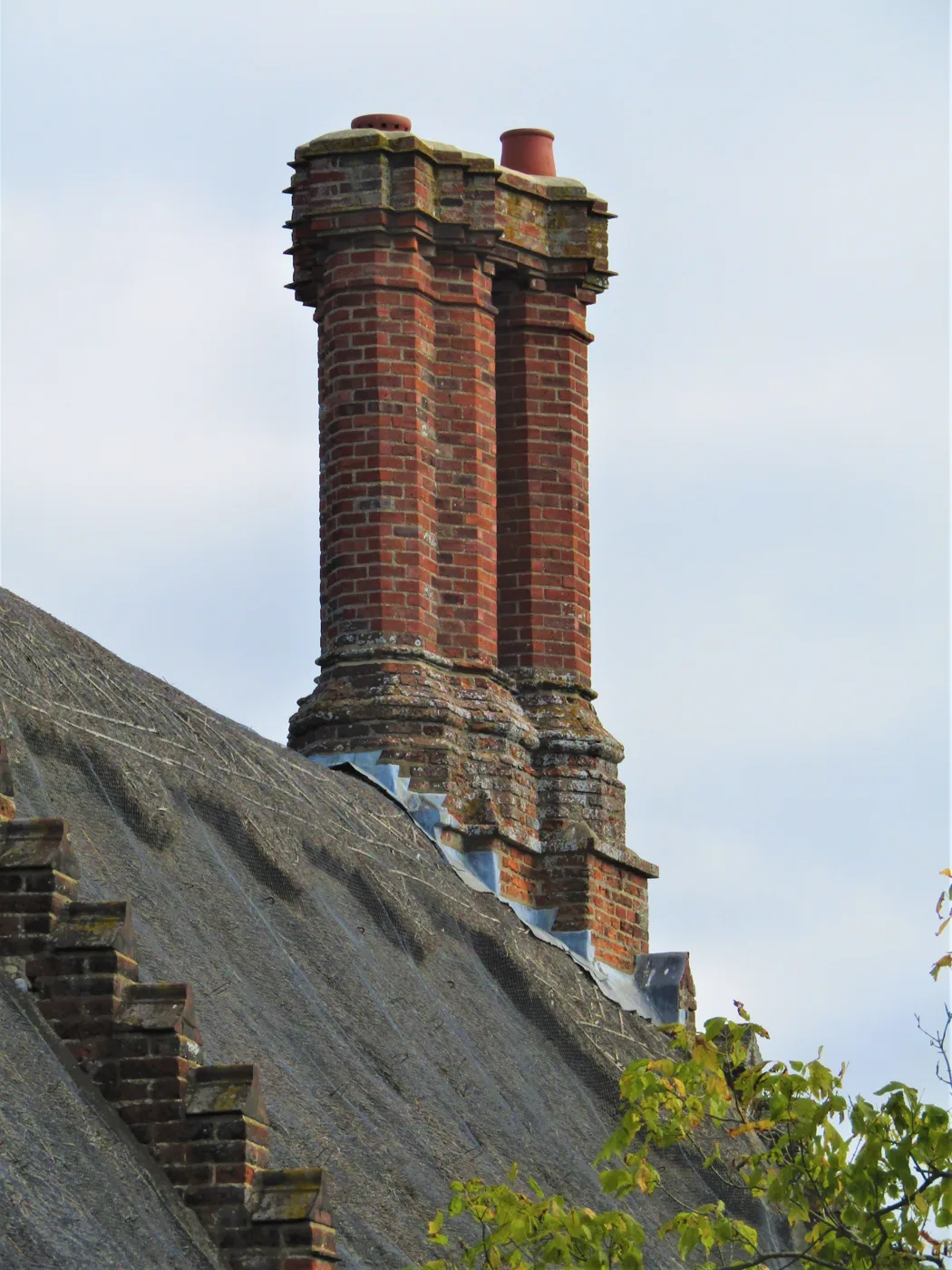
Chimney Repointing and Repair Cost UK (2026)
What chimney repointing cost is in the UK in 2026, why scaffolding drives the price, and how repointing compares to rebuilding, flashing and pot repairs.
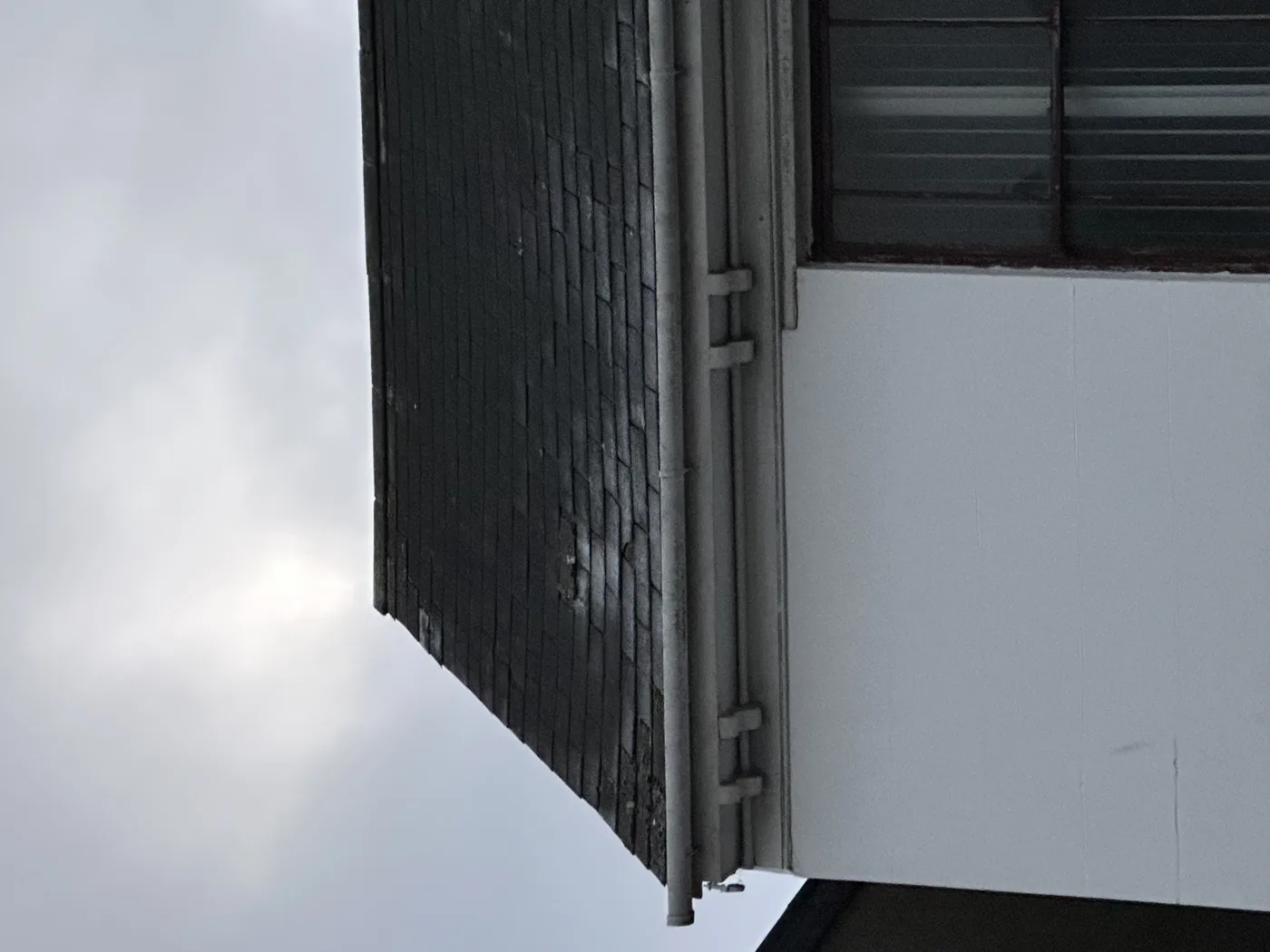
Roof Inspection and Survey Cost UK: What's Checked and the Price
Roof inspection cost UK 2026: what a ground, ladder or drone survey checks, typical prices for each, and when a written roof report is worth paying for.