Roof Maintenance Guide: Keep Your Roof in Good Condition
By the Professional Roofers team
Updated 2026 · Independent cost guide
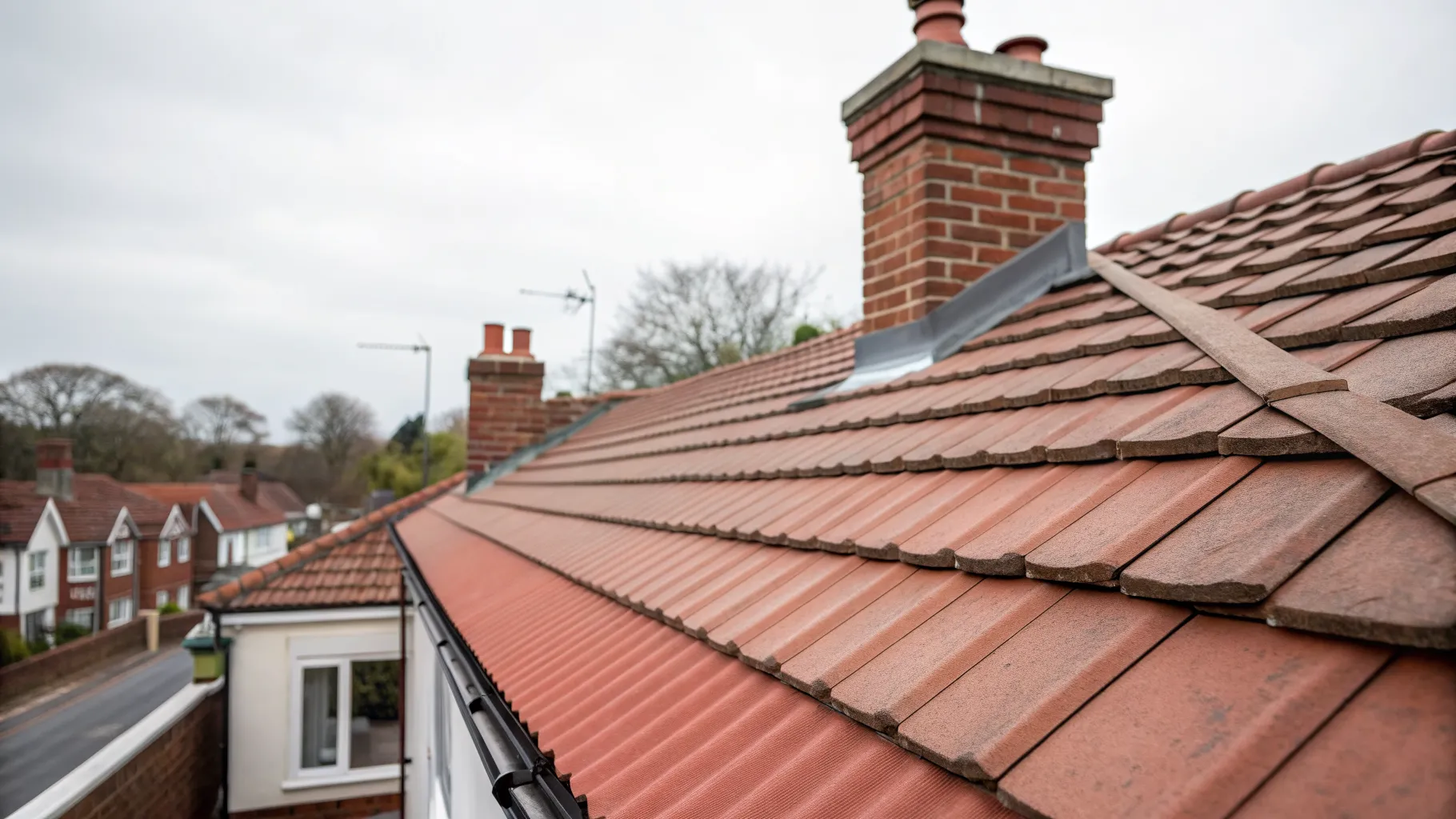
Roof maintenance is the cheapest work you will ever do on a house, and it is almost universally neglected until something drips through a ceiling. The economics are not subtle: a blocked gutter is a twenty minute job, and the rotten fascia, saturated wall and damp plaster it eventually causes are not.
This guide covers what actually needs checking, how often, what you can safely do yourself from the ground, and the point at which carrying on becomes a bad idea.
The single most important habit
Look at your roof twice a year, from the ground, with binoculars.
That is the whole of basic roof maintenance for most houses. Spring and autumn, walk the full perimeter of the property, look at every slope, and compare what you see with what you saw last time. Photograph it on your phone, because memory is unreliable and a photo from six months ago makes a slipped tile obvious.
Almost every expensive roofing problem announces itself months in advance, in a way that is visible from the garden. The reason people miss it is not that the signs are subtle. It is that nobody ever looks up.
What to look for from the ground
Tiles and slates. Missing ones are obvious. Look also for tiles that have slipped down the slope, sit at a slightly different angle to their neighbours, or have lifted at the edge. On a slate roof, a scatter of slipped slates usually means nail fatigue rather than one-off damage, which is a different and larger conversation covered in our slate roofing guide.
The ridge. The line along the top should be dead straight. Any dip or sag in the ridge line is a structural signal and warrants a proper inspection rather than a repair. Loose or cracked mortar bedding on ridge tiles is common on older roofs and is the sort of thing high winds turn into an emergency.
Flashing. The lead around chimneys, in valleys and where a roof meets a wall is where most leaks start. Look for lifted edges, cracks, gaps where the lead has pulled out of the mortar joint, or a chalky white bloom on the lead surface. Our roof flashing repair guide covers what is repairable and what needs replacing.
Chimney stack. Crumbling mortar joints, spalled brick faces, a leaning pot. Chimneys cause a disproportionate share of leaks because they present four vertical faces to driving rain.
Gutters, fascias and soffits. Plants growing out of a gutter mean it has been blocked long enough to accumulate soil. Staining down the wall below a joint means it is leaking. Sagging guttering means a bracket has failed or the gutter is full of water it cannot drain.
Moss. Green on north-facing slopes is normal in Britain and not automatically a problem. It matters when it is thick enough to hold water against the tiles through winter frosts, or heavy enough to lift tile edges and wash down into the gutters.
Inside the loft. The most informative check of all, and the one most people skip. Go up after heavy rain with a torch. Look for daylight through the roof covering, damp or dark staining on the timbers, wet insulation, and any sign of water tracking down a rafter. Water rarely enters directly above the stain, so follow it uphill.
A seasonal calendar
Autumn, before the weather turns. Clear the gutters and downpipes once the leaves are down. This is the single highest-value maintenance task of the year. Check flashing and ridge mortar while it is still dry enough to see clearly.
Winter, after every serious storm. A quick perimeter walk. Look for displaced tiles and check the ground for fragments, which are often the first evidence. Our guide on storm damage roof repair covers what to do and how insurers treat it.
Spring. The main annual inspection. Clear gutters again, assess moss growth over the winter, check the loft after a wet spell.
Summer. The right window for any repair work identified earlier, because roofers are less pressed and the weather cooperates. Booking a repair in November costs you availability.
What you can safely do yourself
Realistically, from ground level or a securely footed ladder used only to access a gutter at eaves level:
- Clear gutters and downpipes, or use a gutter vacuum or clearance tool from the ground.
- Cut back branches overhanging the roof, which drop debris and hold damp against the covering.
- Check and clear gullies and drains at the bottom of downpipes.
- Inspect the loft.
- Photograph the roof for comparison.
That is the list. Everything beyond it involves being on the roof.
Where to stop
Falls from height remain one of the largest causes of serious injury in Britain, and domestic roof work is well represented in that figure. The Health and Safety Executive’s working at height guidance is written for employers, but the underlying principle applies just as much to a homeowner on a Sunday: avoid work at height where you can, and where you cannot, use proper equipment and never work alone.
Do not walk on a pitched roof. Tiles and slates are not designed to take point loads and you will break more than you fix, quite apart from the fall risk. Do not work off a ladder leaning against guttering, which is not a structural component. Do not go up in wind or on a wet roof.
Call a roofer for: any repair above eaves level, anything involving the ridge or chimney, any sagging, persistent damp inside, or more than one or two displaced tiles. Look for a firm that is a member of a recognised trade body such as the National Federation of Roofing Contractors, and see our questions to ask before hiring.
The moss removal trap
Roof cleaning is heavily marketed and frequently oversold. Two warnings are worth more than the rest of the sales copy.
Never let anyone pressure wash a tiled or slate roof. High pressure water strips the protective surface off concrete tiles, drives water under the laps, and can dislodge bedding mortar. It looks dramatic and cheap on the day and shortens the life of the covering. Scraping by hand followed by a biocide treatment is the correct method.
Be sceptical of unsolicited approaches. A knock at the door reporting a problem “spotted from the road” is the classic opening for roofing work you do not need. Get an independent inspection before agreeing to anything. Our roof moss removal and roof cleaning guides set out what is genuinely worth doing.
Maintenance versus replacement
There is a point where maintenance stops being economic, and it is worth recognising honestly. If you are patching several slipped slates a year on a roof approaching the end of its expected life, and the underlay beneath is a brittle bitumen felt from the 1960s, you are spending money to defer an inevitable job.
The signals that you are in replacement territory rather than maintenance territory: widespread nail fatigue, a sagging roof structure, failed or absent underlay visible from the loft, and repeated leaks in different places. Our guides to how long a roof lasts and new roof costs cover where that line falls.
For a roof with life left in it, maintenance is overwhelmingly worth it. Keeping water moving off and away from the covering is the entire job, and gutters, flashing and moss are where that goes wrong.
Frequently asked questions
How often should roof maintenance be done? Inspect twice a year, in spring and autumn, plus after any severe storm. Gutters should be cleared at least twice a year, more often if there are trees nearby. A professional inspection every three to five years is sensible on an older roof, and annually if you have had recurring problems.
Can I do roof maintenance myself? The useful parts, yes: gutter clearing at eaves level, trimming overhanging branches, loft inspection and visual checks from the ground with binoculars. Anything requiring you to be on the roof itself should go to a roofer, both for safety and because walking on tiles causes damage.
Does moss damage a roof? It can, though not always. Thick moss holds moisture against tiles through frost cycles, can lift tile edges, and washes down to block gutters. Light growth on a north-facing slope is common and low risk. The removal method matters more than the moss: pressure washing does more damage than the moss ever would.
What is the most important roof maintenance task? Clearing gutters and downpipes. Blocked drainage causes water to overflow against the wall and back up under the eaves, which leads to damp walls, rotten fascias and saturated wall plates. It is the cheapest task and the one that prevents the most expensive damage.
How do I know if my roof needs repair or replacement? Isolated damage on an otherwise sound roof is a repair. Repeated failures in different places, a sagging ridge or roof plane, widespread nail fatigue on slate, and perished or missing underlay all point to replacement. A roofer should be able to show you photographic evidence for the recommendation.
Should I have a roof inspection before buying a house? Yes, if the survey flags anything or the roof looks close to its expected age. A standard homebuyer survey is done from the ground and will not tell you the condition of the underlay or the fixings, which is where the cost sits. Our guide to roof inspections and surveys covers what a proper one includes.
Want costs like this each month?
Join the Roofline brief for current UK prices and quote-reading tips.
More from Professional Roofers
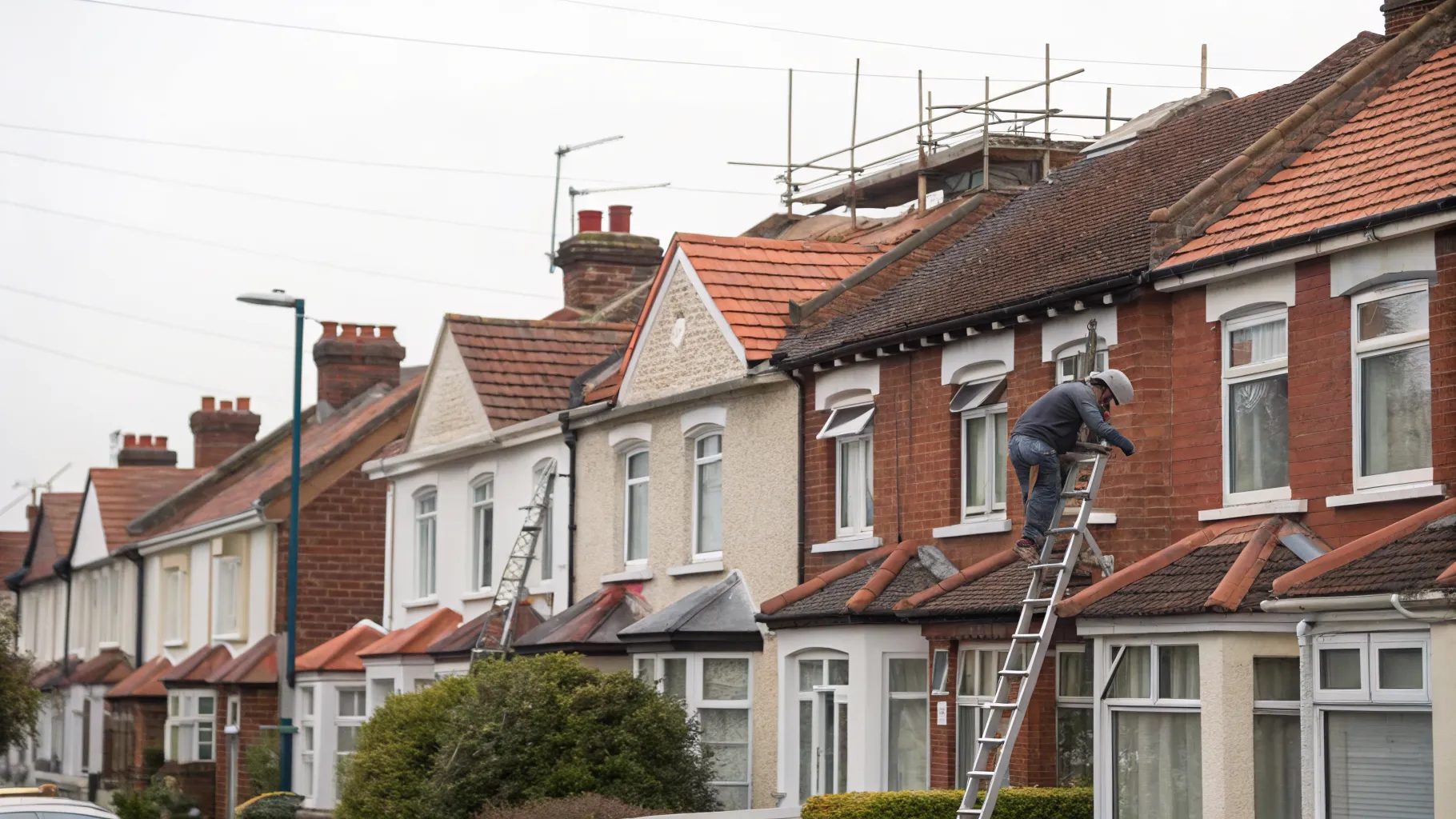
How Much Does a New Roof Cost in the UK in 2026?
What a new roof really costs in the UK in 2026, broken down by house size, material and the hidden extras, plus how to check you are being quoted fairly.
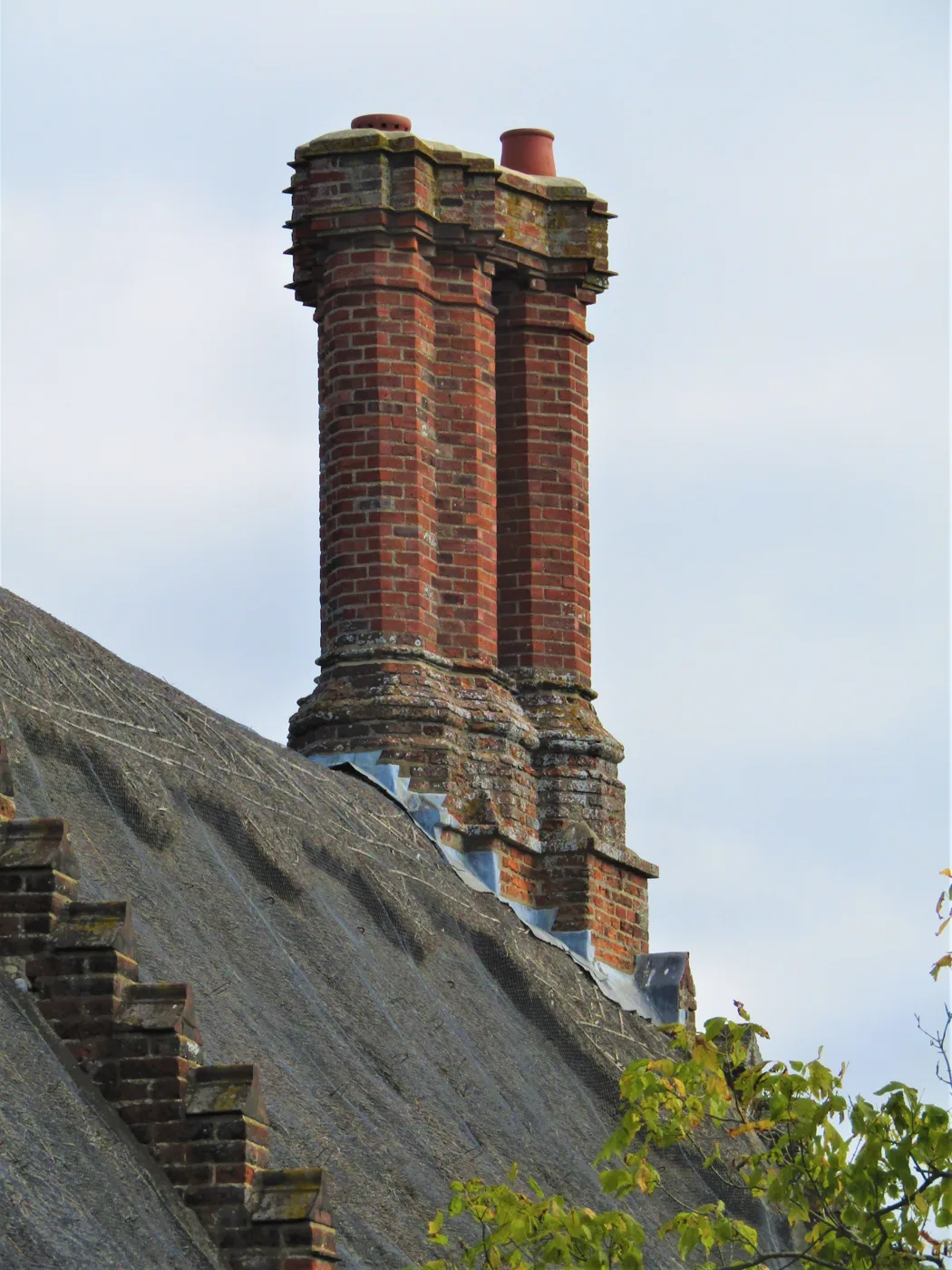
Chimney Repointing and Repair Cost UK (2026)
What chimney repointing cost is in the UK in 2026, why scaffolding drives the price, and how repointing compares to rebuilding, flashing and pot repairs.
Roof Inspection and Survey Cost UK: What's Checked and the Price
Roof inspection cost UK 2026: what a ground, ladder or drone survey checks, typical prices for each, and when a written roof report is worth paying for.