Can You Live in a House While the Roof Is Being Replaced?
By the Professional Roofers team
Updated 2026 · Independent cost guide
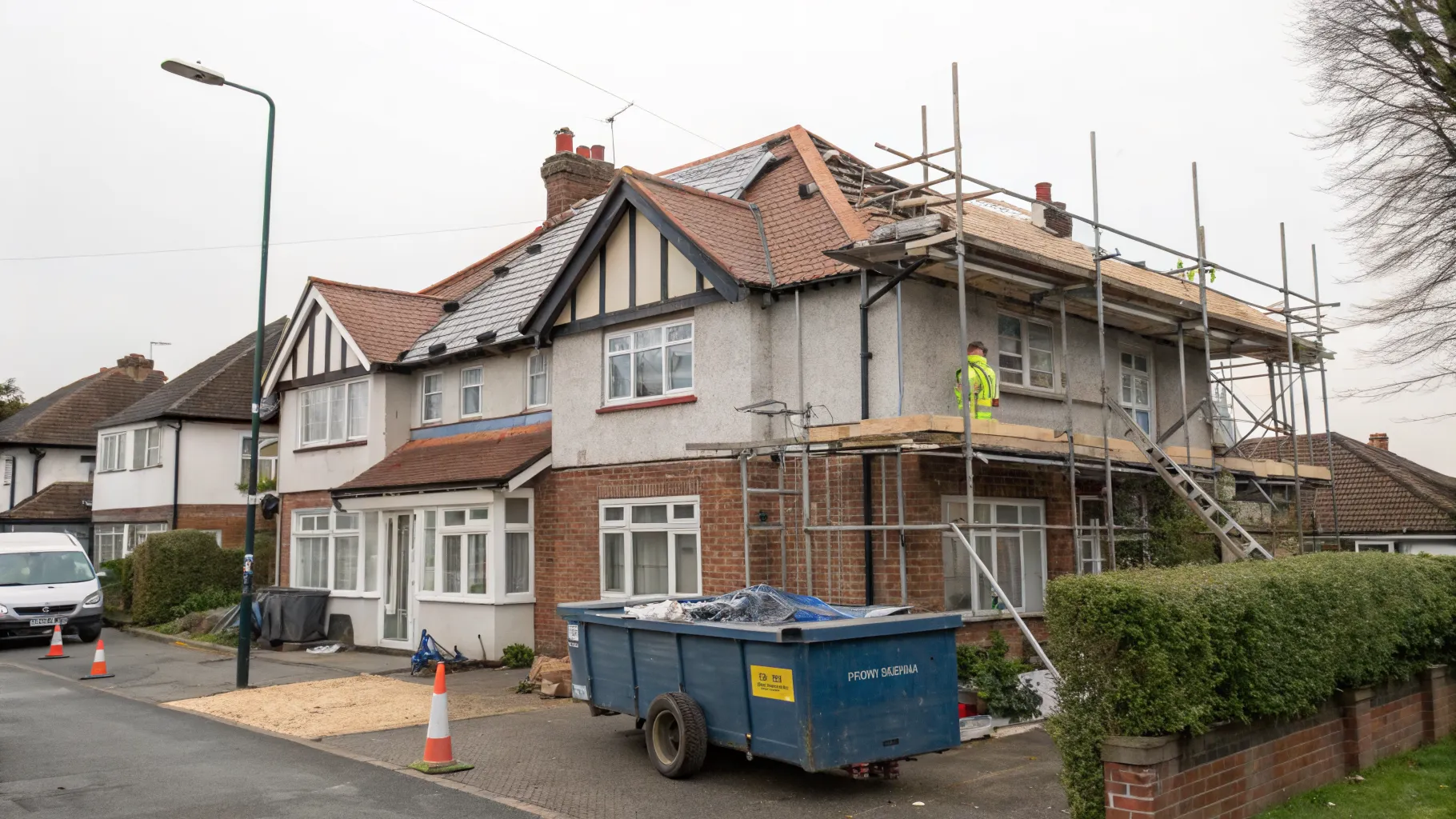
Can you live in a house while the roof is being replaced? For most homes, yes. A re-roof is done from the outside off scaffolding, so the work stays above your ceilings and you keep your kitchen, bathroom and beds the whole time. What you trade for staying put is daytime noise, some vibration through the upstairs rooms, and dust working its way into the loft. None of that makes the house unsafe to occupy, but it does make a few days genuinely loud and dusty, and some households are better off arranging to be elsewhere for the worst of it. Below we cover who should stay and who should not, how messy it really gets, how the crew keeps the place watertight if it rains, and the best time of year to book the job in Britain.
Can you stay in the house? Usually yes
Because the work happens above the felt line, your services stay connected and your rooms stay usable. Roofers strip and re-cover the roof in sections from the scaffold; they are not coming through your front door or pulling your ceilings down. That is why almost every UK roofer will tell you it is fine to remain in the property.
The honest caveat is comfort, not safety. Tear-off day is the loudest of the whole job: tiles being lifted, battens prised off and debris hitting the skip make a constant racket directly over your head, and the vibration can rattle anything loosely hung on the walls below. Once the new membrane and battens go on and tiling begins, it settles into a steadier hammering that is easier to live with.
Who should think about moving out
Staying is the default, but it is worth being clear-eyed about who finds it hardest. Plan to be out, at least for the noisiest days, if anyone in the house is:
- A night-shift worker who sleeps in the day. The noise runs through normal working hours, exactly when they need quiet.
- Someone with asthma, COPD or another respiratory condition. Tear-off lifts fine dust, and even with care some drifts into the loft and down through gaps.
- A baby or very young child who naps during the day.
- Working from home on calls all day. Tear-off day in particular will make video meetings difficult.
- An anxious dog or cat. The banging and the strangers on scaffold outside the windows unsettle a lot of pets.
If that describes your household, you do not necessarily need to move out for the full week. Lining up a day or two away over the tear-off and the noisiest stripping is often enough.
How messy is it, really?
Stripping a roof creates a lot of debris, broken tile, old felt, dust and a scatter of old nails, and there is no avoiding that part. What you can control is the crew. A good firm protects plants, paths and the driveway before they start, runs a skip with the waste cleared progressively rather than left to pile up, and finishes by sweeping the ground and running a magnetic sweeper to pick up dropped nails so the garden and drive are safe for bare feet and tyres afterwards.
Inside, the issue is the loft. Tear-off and the vibration of removing old battens push dust up between the rafters, so anything stored in the loft should be covered with dust sheets or, better, moved out for the duration. Vibration can also nudge loosely hung pictures and mirrors off their hooks in the upstairs rooms, so take fragile wall items down before the crew arrives. These are five-minute jobs that save a ruined photograph or a box of dusty Christmas decorations.
What happens if it rains while the roof is open?
This is the worry that keeps people up at night, and the reassurance is in the method, not in luck with the forecast. A competent crew never strips the whole roof in one go. They work in sections, stripping and re-covering an area before moving on, so the amount of roof that is genuinely open at any moment is small. Once the underlay is on, the deck is protected even before the tiles go back.
Modern re-roofs use a BBA-certified breathable membrane rather than the old bitumen felt. The Klober Permo Air 160, for example, is BBA certified, water resistance class W1, and lets the roof space breathe so well it can be fitted without separate tile, eaves or ridge vents, which cuts the condensation risk that plagued older felted roofs. One thing to know if weather stalls the job: most non-woven breathable membranes are UV stable for only a few months exposed, typically around three, before their water resistance starts to drop, so a good crew gets the tiles back on promptly rather than leaving membrane bare for the whole winter. If heavy rain is forecast while an area is open, the crew tarps it overnight. Ask any quoting firm how they handle weather; the answer tells you a lot.
The legal and admin side most pages skip
A like-for-like re-roof using the same or similar materials is normally permitted development, so no planning permission is needed. The exceptions matter: listed buildings, homes in a conservation area, and any change to the roof’s shape or height can all need permission. Always check before you commit. The official position is set out on the Planning Portal’s page on roofs and Building Regulations.
Building Regulations are separate from planning and are the bit people miss. If you replace or refurbish more than 25% of the roof area, you must notify Building Control, and the insulation usually has to be brought up to current standards, a target U-value of 0.16 W/m²K for a pitched roof. A roofer registered with a Competent Person Scheme can self-certify the work as compliant and issue a certificate, which saves a separate council inspection. Keep that certificate safe; a buyer’s solicitor will ask for it. We cover this in full in our guide to planning permission and Building Regs for a new roof.
Scaffold has its own rules. If it stands on the pavement or road rather than entirely on your own land, the scaffolder must arrange a council licence, and those permits can take several weeks to come through, so it is worth raising early. Under the Work at Height Regulations 2005, the scaffold must be inspected before first use, every seven days while it is up, and again after severe weather or any alteration, and the contractor must carry public and employers’ liability insurance. The legal basis sits with the HSE’s work at height guidance. A quick, friendly word with the neighbours before the scaffold goes up is good manners and heads off complaints, especially if any part of it oversails their boundary or needs access across their side.
The best time of year for a new roof in the UK
There is no perfect month, only trade-offs against the British climate.
- Spring and early autumn are the sweet spot: mild, usually dry enough, and the materials cure well in moderate temperatures. This is what we would book if the choice were free.
- Summer gives the most reliable dry weather and the longest daylight, so jobs run with fewer weather delays, but it is peak season and prices and waiting times are at their highest.
- Winter is the cheapest and quietest time to book, with roofers more available, but cold, wet and short days mean more stoppages and a job that drags out longer than its working-day count suggests.
If you can be flexible, aim for a dry spell in spring or autumn. If your roof is actively leaking, do not wait for the perfect season; an open leak does more damage every week than a winter install ever will.
How long will you be living with it?
Plan your time off and your patience around the property size. As a rough UK guide, a simple two-bed terrace runs about two to four working days, a three-bed semi around four to seven, and a large or complex four to five-bed detached eight to twelve. Most ordinary three and four-bed homes land somewhere around five to ten days once scaffold up and down, and any weather days, are counted. For a fuller breakdown see how long a new roof takes and the full step-by-step roof replacement process.
A short pre-start checklist
A bit of prep makes the whole week smoother:
- Clear or sheet over everything in the loft; dust will get up there.
- Take down fragile pictures and mirrors from upstairs walls.
- Move cars off the drive so the crew has skip and material space, and check where you will park for the week.
- Agree pet and childcare cover for tear-off day if anyone is sensitive to noise.
- Confirm with the contractor how they will keep the roof watertight, where the skip goes, and that you will get a Building Regs compliance certificate at the end.
Frequently asked questions
Can you live in a house while the roof is being replaced? Yes, in almost all cases. The work is done from the outside off scaffolding, so your rooms and services stay usable. Expect daytime noise, some vibration and dust in the loft, with tear-off day being the loudest. Households with night-shift workers, respiratory conditions, very young children or anxious pets may prefer to be out for the noisiest day or two.
How messy is a roof replacement and will dust get inside? Tear-off makes debris and drops old nails, but a good crew protects plants and paths, clears the skip progressively, and magnet-sweeps the ground afterwards. Dust does drift into the loft, so cover or move loft belongings and take fragile wall items down before the work starts.
What happens to my roof if it rains while it is open? A competent crew strips and re-covers in sections, so only a small area is open at once, and once the breathable membrane is on the deck is protected. If rain threatens, they tarp the exposed area. Ask any firm you quote how they handle weather.
Do I need planning permission or Building Regs to replace my roof? A like-for-like re-roof is usually permitted development, so no planning permission, unless the home is listed, in a conservation area, or the roof shape or height changes. Building Regs are separate: replace more than 25% of the roof area and you must notify Building Control and usually upgrade the insulation. A Competent Person Scheme roofer can self-certify and issue a certificate.
What is the best time of year to have a new roof fitted in the UK? Spring and early autumn are the best balance of mild, dry weather and fair prices. Summer is the most reliable for weather but the most expensive and busy. Winter is cheapest and quietest but cold, wet days cause delays. If the roof is leaking, do not wait for a season.
Do I need to tell my neighbours or get permission for the scaffolding? Telling neighbours is courtesy rather than a legal requirement, but it heads off complaints, especially if the scaffold oversails their boundary or needs access across their land. If the scaffold stands on the pavement or road, the scaffolder must arrange a council licence, which can take several weeks, so raise it early.
Want costs like this each month?
Join the Roofline brief for current UK prices and quote-reading tips.
More from Professional Roofers
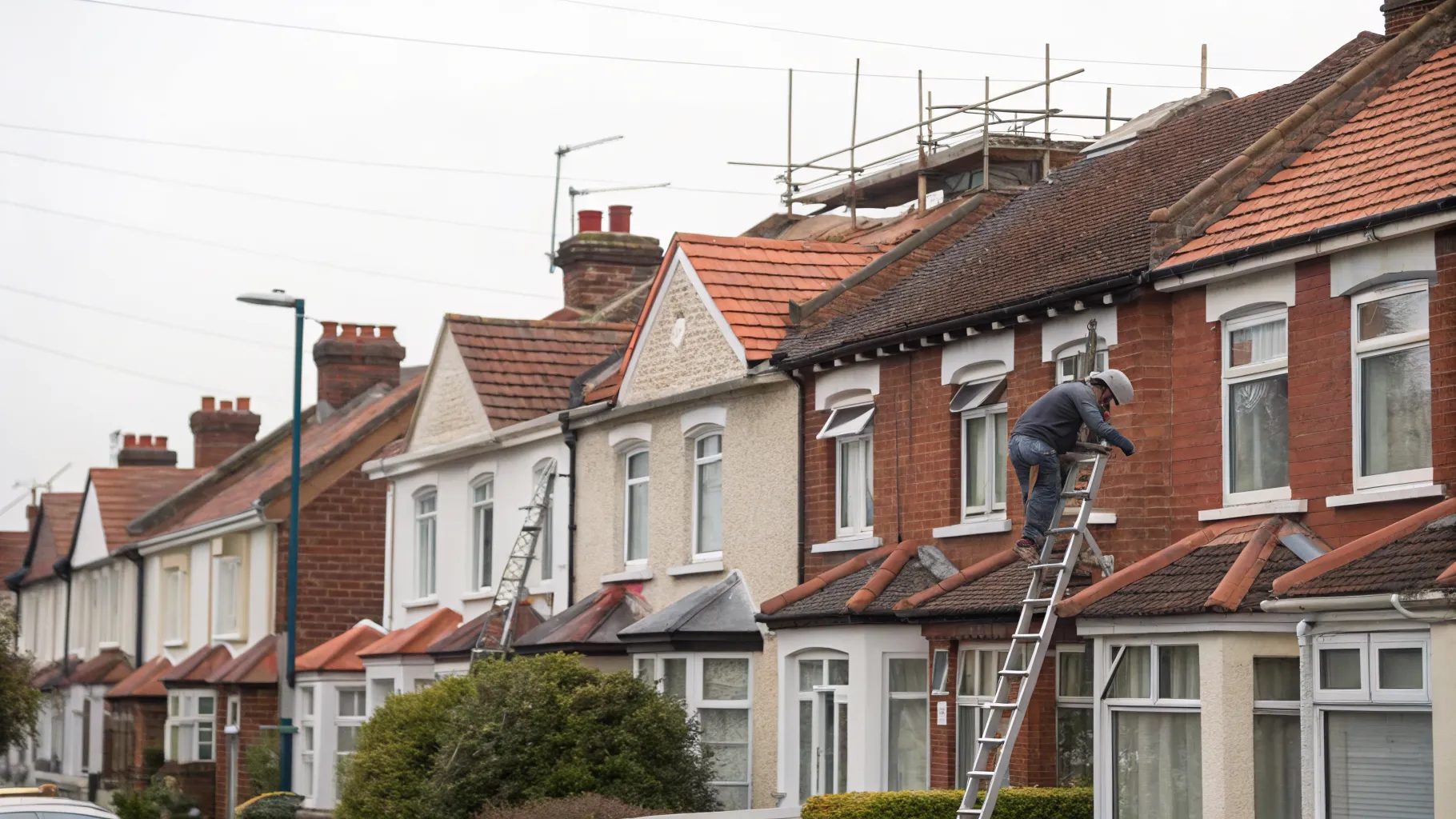
How Much Does a New Roof Cost in the UK in 2026?
What a new roof really costs in the UK in 2026, broken down by house size, material and the hidden extras, plus how to check you are being quoted fairly.
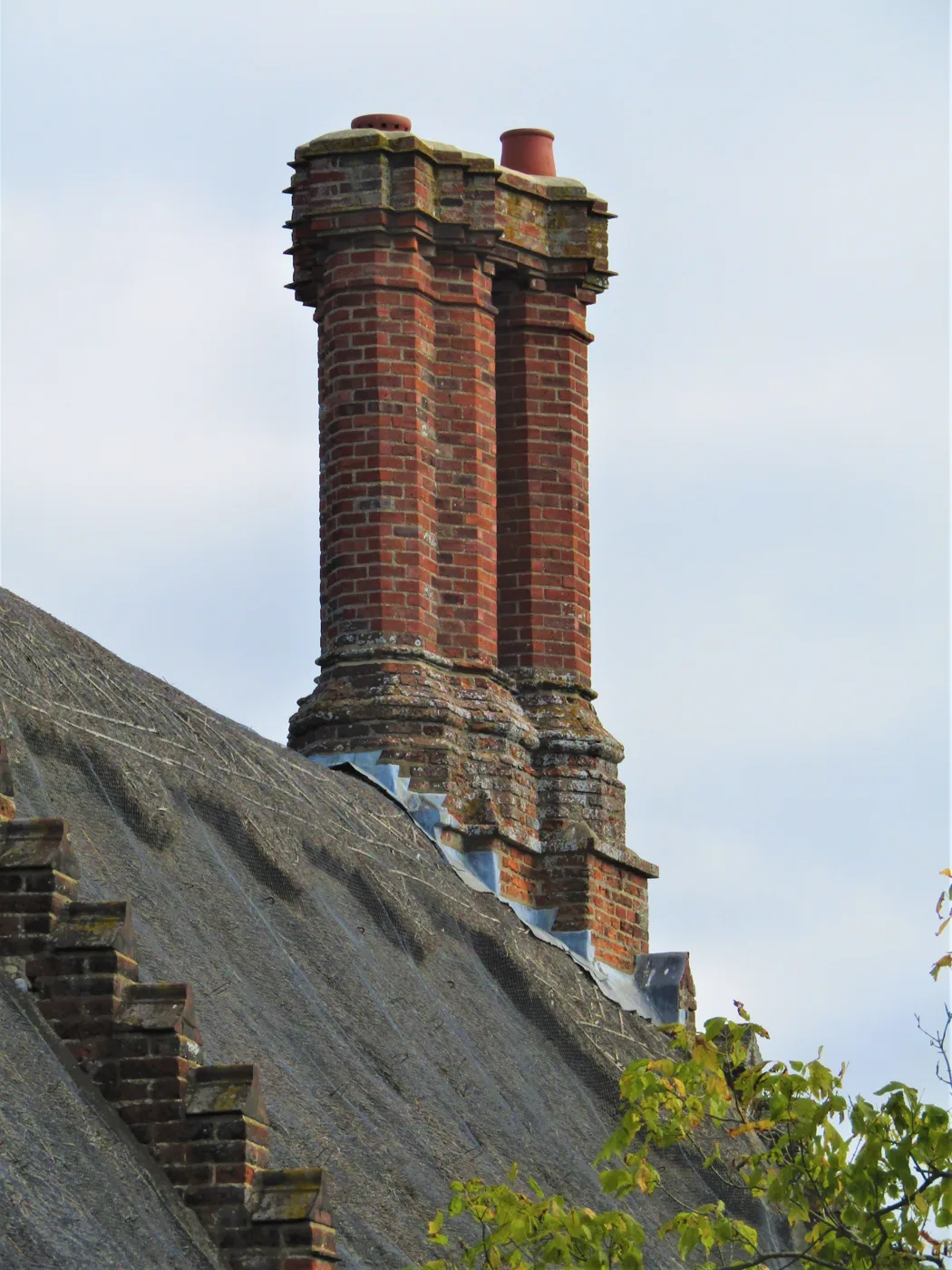
Chimney Repointing and Repair Cost UK (2026)
What chimney repointing cost is in the UK in 2026, why scaffolding drives the price, and how repointing compares to rebuilding, flashing and pot repairs.
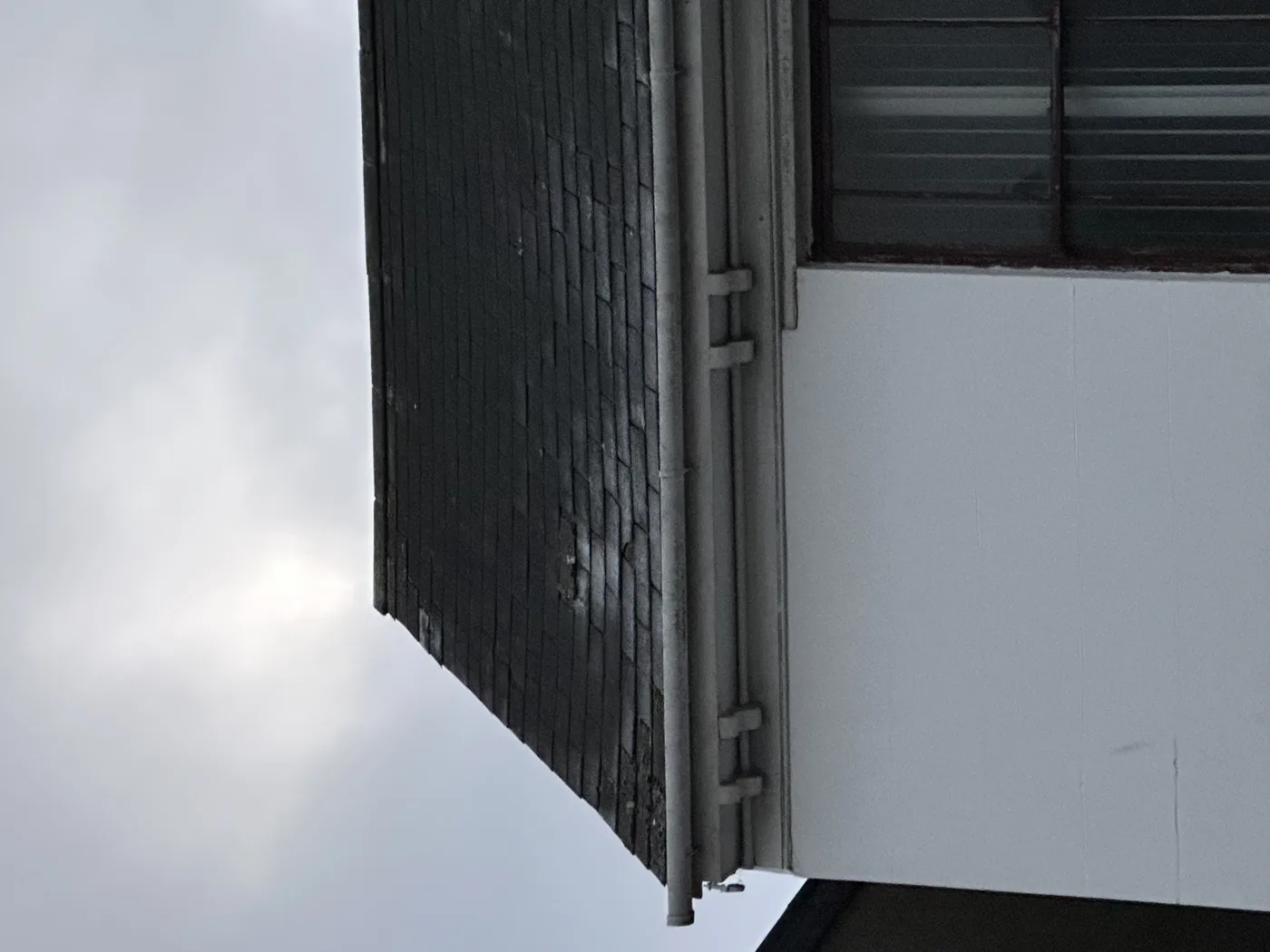
Roof Inspection and Survey Cost UK: What's Checked and the Price
Roof inspection cost UK 2026: what a ground, ladder or drone survey checks, typical prices for each, and when a written roof report is worth paying for.