How Long Does a New Roof Last? Lifespan by Material
By the Professional Roofers team
Updated 2026 · Independent cost guide
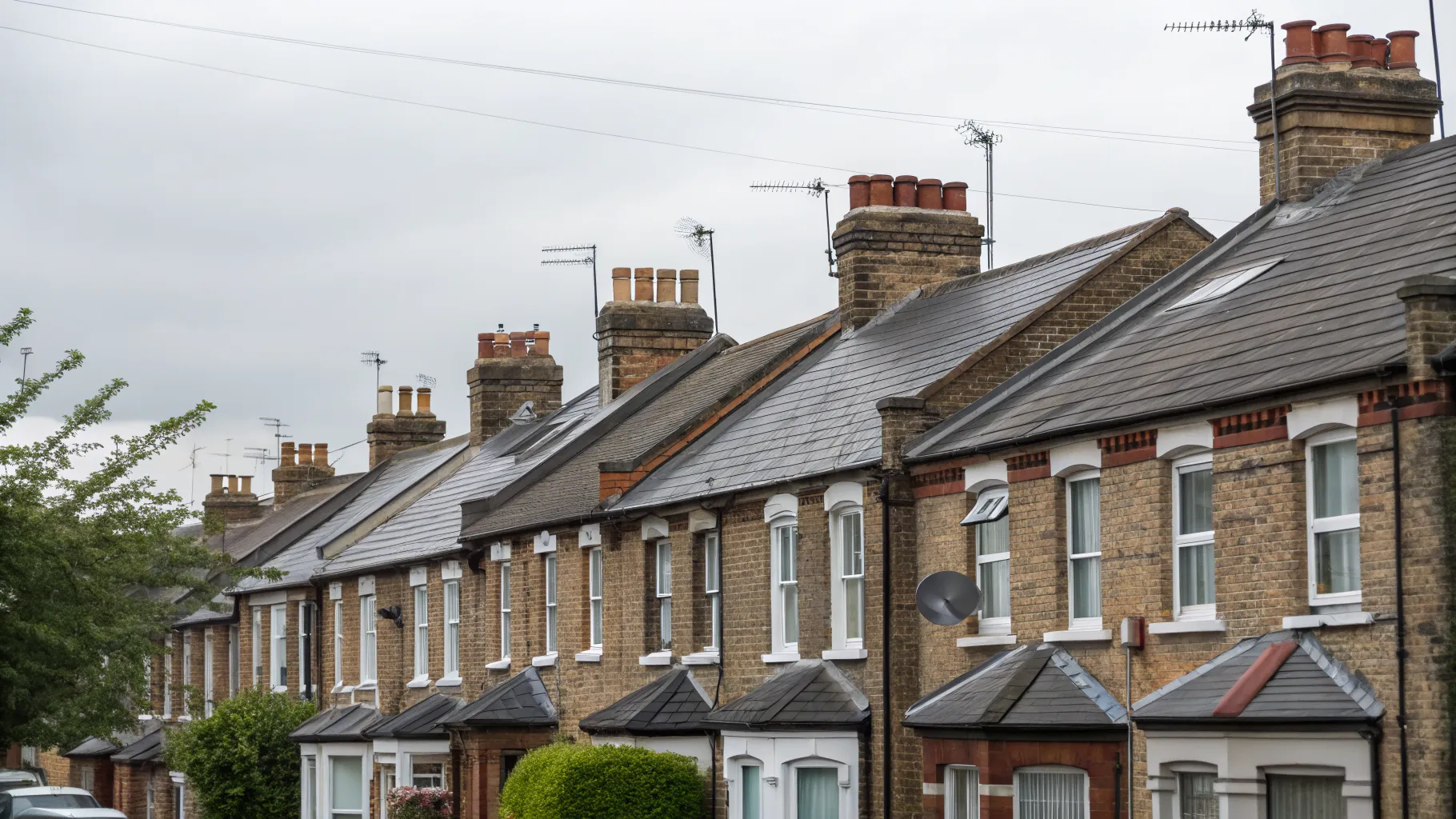
How long does a roof last? The honest answer is that it depends almost entirely on the covering and how well it was fitted. Most UK roofs last somewhere between 20 and 50 years, but natural slate and good clay tile can pass 100 years, while a basic felt flat roof may need replacing in 15. Anyone quoting you a single universal number is guessing. Below are the real figures by material, why the spread is so wide, what a warranty actually covers (it is not the same as lifespan), and the signs that tell you a roof is genuinely finished rather than just in need of repair.
Lifespan by material at a glance
These are realistic UK service lives for a correctly installed covering. Poor fixings, a shallow pitch or skipped maintenance pull every figure toward the bottom of its range.
| Covering | Typical UK lifespan |
|---|---|
| Natural slate | 80 to 100+ years (Welsh slate regularly seen at 100 to 150) |
| Clay tile (handmade) | 100+ years |
| Clay tile (machine-made) | 60 to 80 years |
| Concrete tile | 30 to 50 years |
| Metal (steel/aluminium) | 40 to 70 years |
| Thatch (water/Norfolk reed) | 25 to 60 years, ridge re-done every 10 to 15 |
| GRP fibreglass (flat) | 20 to 40 years |
| EPDM rubber (flat) | 20 to 30 years, up to 50 if well fitted |
| Felt (built-up/torch-on, flat) | 10 to 20 years |
The pattern is clear: pitched coverings outlast flat ones, and natural materials outlast manufactured ones. A pitched roof drains fast and dries out; a flat roof holds water and sun, so it works harder and fails sooner. As a rule, expect to re-cover a flat roof every 20 to 30 years, far more often than a pitched roof.
Pitched roofs: slate, clay and concrete
Natural slate is the longest-lived covering you can buy. Plenty of Victorian slate roofs are still sound after 150 years, and quality Welsh slate is regularly observed at 100 to 150 years. Important caveat: that figure describes the slate, not the whole roof. The slate itself almost never wears out; the nails or hooks holding it up corrode first. This is why a slate roof can look fine for a century and then start shedding slates within a few years (see nail sickness below). Fixings should be copper or stainless steel, never plain iron, if you want the covering to live up to its potential.
Clay tiles split into two camps. Handmade clay routinely exceeds 100 years. Modern machine-made clay typically gives 60 to 80 years. Clay holds its colour because the colour is fired into the body of the tile rather than applied to the surface.
Concrete tiles are the most common covering on post-war UK homes and the shortest-lived of the three pitched options, at roughly 30 to 50 years. Marley, the largest UK tile maker, quotes an expected service life of 60 years for its roof tiles in normal conditions when correctly installed, with the roofing system underwritten by a 15-year warranty. That 60-year figure applies to roof tiles in general, and the warranty is a separate thing from the lifespan, which is exactly the confusion the next section clears up. Concrete tiles also tend to fade and grow more porous with age, so an old concrete roof can look tired well before it actually leaks. The cost difference between coverings feeds straight into our breakdown of new roof cost in the UK and the roof cost per square metre by material.
Flat roofs: felt, EPDM and GRP
Flat roofs are a different problem. There is no pitch to throw water off quickly, and the covering bakes in summer and freezes in winter, so the material has to absorb a lot of movement and standing water.
- Felt (built-up or torch-on): 10 to 20 years. The cheapest option and the one that blisters, splits at the joints and lifts at the edges as it ages.
- EPDM rubber: commonly 20 to 30 years, and a well-fitted membrane can reach 25 to 50. It resists UV, ozone and freeze-thaw far better than felt, and on a small roof it goes down as a single sheet with very few joints to fail.
- GRP fibreglass: 20 to 40 years. Many kits carry a conservative 10 to 15 year guarantee, but a properly laid GRP roof typically reaches 30 to 40 years. Its weakness is rigidity: it cannot flex with daily thermal movement, so it can craze or crack on larger roofs.
For a full breakdown of which flat covering suits which job, see our guide to the best flat roof material in the UK.
Warranty is not the same as lifespan
This is the single biggest source of confusion, and it catches out people who have just paid for a “30-year” or “40-year guarantee” roof. A manufacturer’s warranty of 15, 20 or 30 years covers material defects only. It does not cover normal wear, weather damage, poor maintenance or bad installation, and it does not promise the roof will fail the day the warranty expires.
In practice the relationship usually runs the other way. A concrete tile carrying a 15-year system warranty is expected to last decades longer than that. A 20-year EPDM membrane routinely outlives its warranty. The warranty is a defects guarantee with a time limit; the lifespan is how long the covering actually keeps the rain out. Treat them as two separate numbers, and never assume a long warranty means a long-lasting roof, or that a short warranty means a short-lived one.
When you finish a re-roof you should end up with several distinct documents, covered in our roof replacement process guide: a workmanship guarantee from the contractor, a separate manufacturer’s material warranty, and a Building Regulation Compliance Certificate. None of those is a statement of lifespan.
Why the same roof lasts 30 years on one house and 70 on another
The covering material sets the ceiling, but four other factors decide where in the range you land.
Fixings. As above, the nails and clips often fail long before the covering. Cheap iron or low-grade copper nails are the most common reason a roof dies early.
Pitch. A steeper roof sheds water and dries out fast, so the covering and fixings last longer. A low pitch holds moisture against the covering and accelerates failure. This is why the same tile can give very different lives on different houses.
Installation. A covering laid to BS 5534 with the correct overlaps, mechanical fixing and detailing will reach its expected life. A rushed or cut-price job will not, regardless of how good the tile is.
The layers underneath. A roof is only as good as its weakest layer. The breathable membrane (or old felt underlay) and the timber battens have their own, shorter life than the visible covering. A 100-year slate sitting on perished felt and rotten battens is not a 100-year roof. When people say they are getting a “new roof,” what they are really replacing is usually the membrane, battens and fixings as much as the tiles.
Nail sickness: the end-of-life trigger most guides skip
Nail sickness is the term for the fixing nails corroding and failing across a roof, causing slates or tiles to slip in numbers. On a slate roof with good fixings it tends to set in at 80 to 100 years. Where cheap nails were used it can appear after just 20-odd years, regardless of how sound the slate looks.
The practical trade rule is worth remembering: if more than about 25% of the slates are loose, slipped or defective, the roof needs stripping and re-laying (a full re-slate) rather than patch repairs. Below that threshold, spot repairs are usually the sensible call. If you are seeing a steady trickle of slates coming down each winter on an old roof, that is nail sickness announcing itself, and it is the point at which budgeting for a full re-roof makes more sense than paying a roofer to go up after every storm.
When does a roof need replacing rather than repairing?
A roof at or near the end of its life shows it. The clearest signals:
- Widespread slipped, cracked or missing tiles or slates, not just one or two.
- More than roughly a quarter of the covering loose or defective (the re-slate threshold).
- Daylight visible through the roof from inside the loft.
- A sagging or dipping ridge line, which points to a timber or structural problem, not just the covering.
- Repairs becoming an annual habit.
- A flat roof that is ponding water, blistered or repeatedly leaking despite patching.
One or two slipped tiles after a gale is a repair. A whole covering at the end of its service life, with failed fixings and a tired membrane underneath, is a replacement. Historic England’s guidance on looking after the roofs of older homes is a useful read before you commit to stripping a period roof, since careful repair often beats wholesale replacement on traditional buildings.
Does a new roof add value, and what about insurance?
A new roof does not usually transform a home’s value the way a kitchen or an extension might. Estimates of a 5 to 10% uplift get quoted, but the bigger role of a sound roof is protecting your asking price and reassuring a buyer’s surveyor and lender. A roof flagged as near the end of its life on a survey can stall a mortgage or knock money off an offer, so a new roof more often removes a problem than adds a premium.
On insurance, be careful with what you read online: most material about roof-age surcharges and “actual cash value versus replacement cost” comes from US insurers and does not map onto UK buildings insurance. In the UK, the practical point is simpler. Keep the paperwork from any re-roof, including the Building Regulation compliance certificate, because that is what a surveyor and a future buyer will ask to see.
Frequently asked questions
How long does a roof last on average in the UK? There is no single average, because it depends on the covering. Most UK roofs last 20 to 50 years, with concrete tile around 30 to 50, machine-made clay 60 to 80, and natural slate 80 to over 100. Flat roofs are shorter-lived, typically 10 to 30 years depending on whether they are felt, EPDM or GRP.
Does a 30-year warranty mean the roof will last 30 years? No. A manufacturer’s warranty covers material defects for that period; it does not cover normal wear, weather or bad installation, and it is not a prediction of failure. Most coverings outlive their warranties comfortably. The warranty length and the real lifespan are two separate numbers.
Which roofing material lasts the longest? Natural slate and handmade clay tile. Quality Welsh slate is regularly seen lasting 100 to 150 years, though the slate usually outlasts its fixings, so copper or stainless-steel nails matter. Handmade clay also passes 100 years.
What is the difference between concrete and clay tile lifespan? Concrete tiles typically last 30 to 50 years and tend to fade and grow porous with age. Machine-made clay lasts 60 to 80 years and handmade clay over 100, because the colour is fired into the tile rather than applied to the surface. Clay generally costs more but lasts considerably longer.
How long do flat roofs last? Felt (built-up or torch-on) lasts 10 to 20 years, EPDM rubber 20 to 30 years and up to 50 if well installed, and GRP fibreglass 20 to 40 years. As a rule, plan to re-cover a flat roof every 20 to 30 years, more often than a pitched roof.
How do I know if my roof needs replacing rather than repairing? Replace when the covering is failing across the whole roof: widespread slipped or missing tiles, more than about 25% loose or defective, daylight through the loft, a sagging ridge, or repairs becoming a yearly event. One or two slipped tiles after a storm is a repair, not a re-roof.
Want costs like this each month?
Join the Roofline brief for current UK prices and quote-reading tips.
More from Professional Roofers
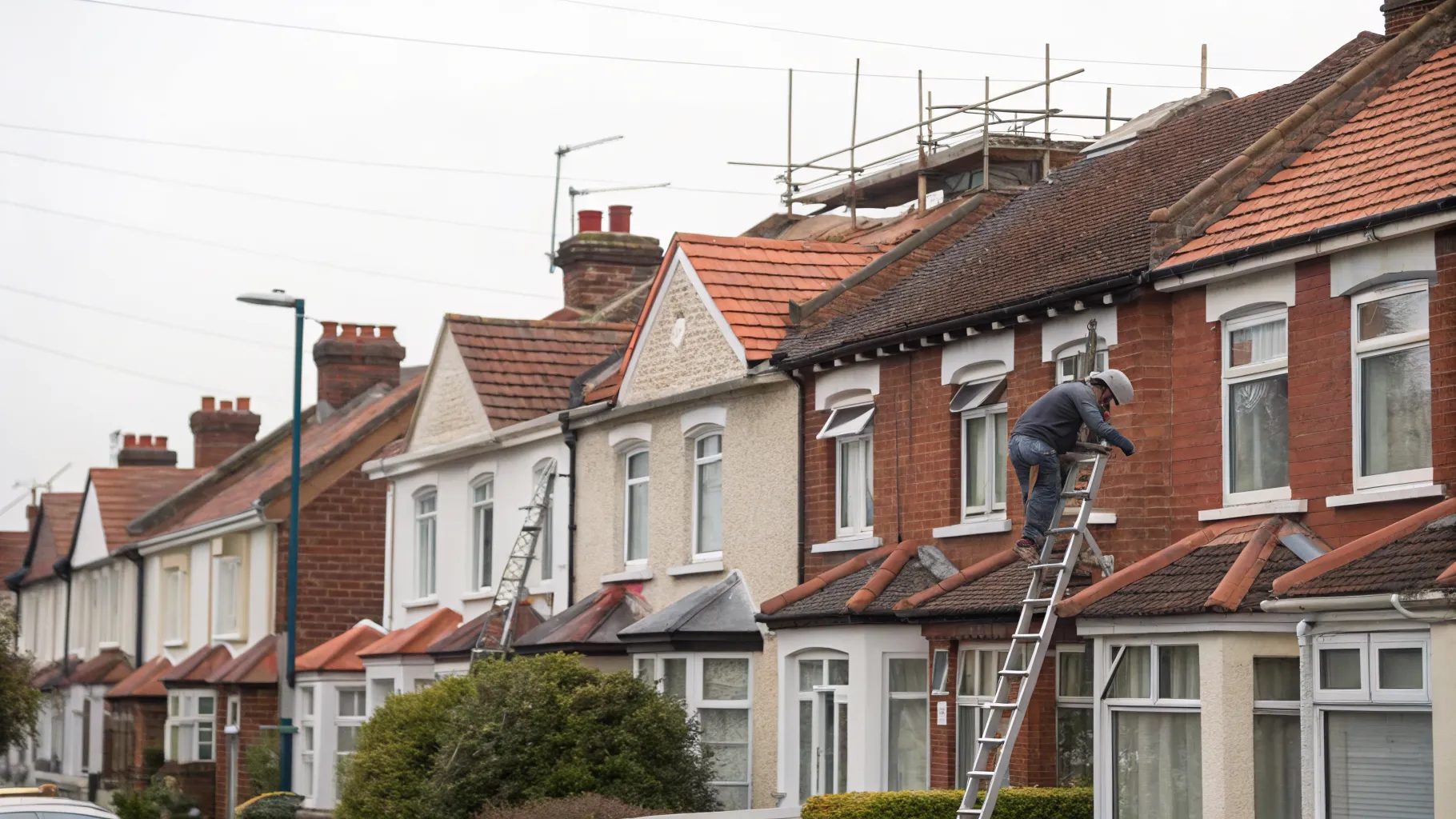
How Much Does a New Roof Cost in the UK in 2026?
What a new roof really costs in the UK in 2026, broken down by house size, material and the hidden extras, plus how to check you are being quoted fairly.
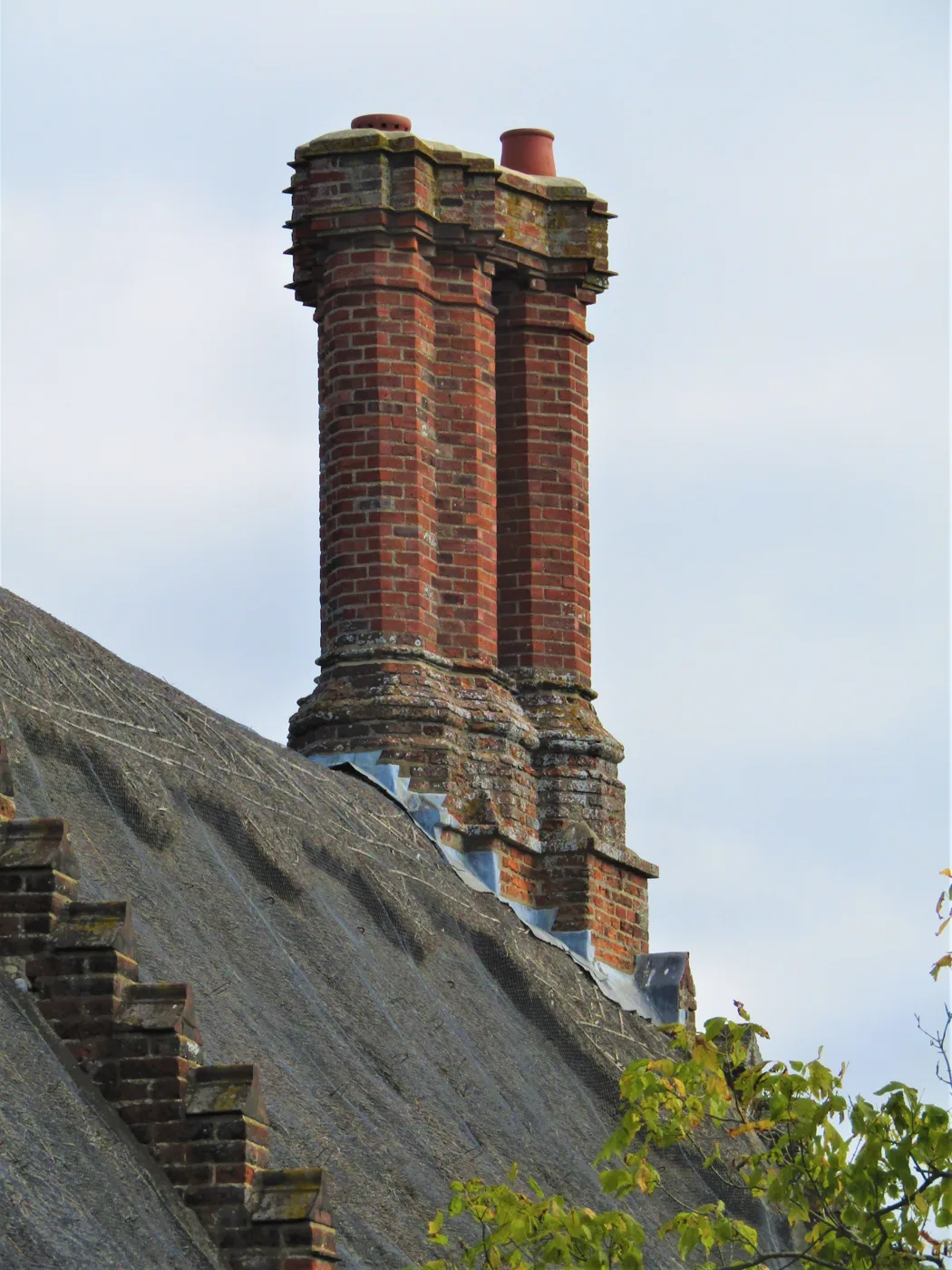
Chimney Repointing and Repair Cost UK (2026)
What chimney repointing cost is in the UK in 2026, why scaffolding drives the price, and how repointing compares to rebuilding, flashing and pot repairs.
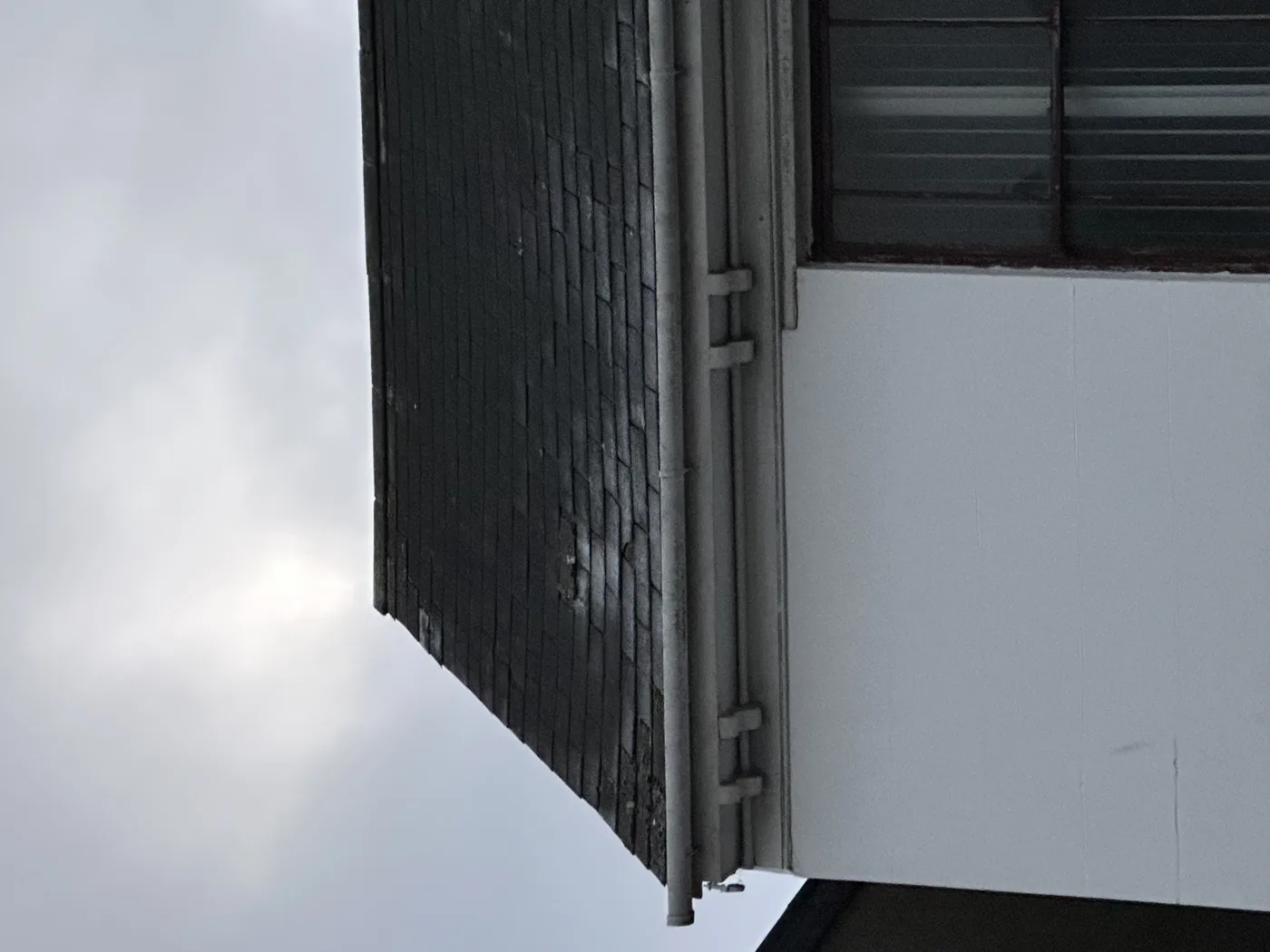
Roof Inspection and Survey Cost UK: What's Checked and the Price
Roof inspection cost UK 2026: what a ground, ladder or drone survey checks, typical prices for each, and when a written roof report is worth paying for.