Storm Damage Roof Repair: What to Do and Who Pays
By the Professional Roofers team
Updated 2026 · Independent cost guide
When a storm strips tiles off your roof, storm damage roof repair becomes urgent for two reasons: the weather is still getting in, and the way you handle the next few hours can decide whether your insurer pays. Do the wrong thing in the wrong order and you can invalidate a valid claim. This guide sets out exactly what to do, in what order, and who ends up footing the bill.
First: stay off the roof
The single most important rule after a storm is do not climb up to inspect or fix the roof yourself. Wet tiles, lingering high winds and loose material make it genuinely dangerous, and most serious roofing injuries happen to homeowners rather than roofers. Assess what you can from the ground and from inside the loft, and leave the height work to someone insured and equipped for it.
Look for the tell-tale signs of storm damage: slipped or missing tiles, a displaced ridge tile, lifted or torn flashing, debris on the roof, a dislodged aerial or chimney pot, and in the loft, daylight, damp patches or dripping water.
What counts as storm damage for insurance
This matters because insurers apply a specific test. The Association of British Insurers describes a storm as a period of violent weather, typically involving gusts of at least 55mph, rainfall of at least 25mm an hour, snow at least 30cm deep in 24 hours, or hail heavy enough to damage hard surfaces.
Two conditions usually have to be met for a claim to succeed:
- There was a genuine storm event. Insurers can and do check local weather records for the date you claim.
- The storm caused the damage, rather than simply exposing a roof that was already worn out or poorly maintained.
That second point is where most refusals come from, so it is worth understanding before you claim.
The steps to take, in order
- Make it safe inside. Move belongings away from any leak, and put down containers or sheeting to catch water and limit interior damage.
- Document everything. Photograph the damage from ground level and from inside the loft, and photograph any water damage to ceilings, walls and possessions. Timestamped photos are strong evidence.
- Contact your insurer the same day. Log the incident formally as soon as you can. Many policies expect notification promptly, often within 30 days, but same-day is best and gets you into the queue for a loss adjuster.
- Arrange temporary protection only. A qualified roofer can fit a tarpaulin or emergency boarding to stop further water getting in. This is allowed and sensible; leaving the roof open so more damage occurs can itself reduce your payout. Our guide to emergency roof repair covers what a temporary fix should involve.
- Keep every receipt. Emergency and temporary repair costs are often reimbursable under the claim, so hold on to invoices.
- Wait for sign-off before permanent repairs. Do not commission the full, permanent repair until your insurer or their loss adjuster has assessed the damage and confirmed in writing what they will cover. Starting permanent work too early can invalidate the whole claim.
Who pays for storm damage roof repair?
In most cases, buildings insurance is what pays. Standard UK buildings policies typically cover storm damage, along with related events such as fallen trees, lightning and impact damage. If your claim is accepted, the insurer covers the cost of putting the roof back, minus your policy excess, which is the fixed amount you agree to pay towards any claim.
What buildings insurance does not cover:
- Wear and tear and age. An old, tired roof that finally gives way in a moderate wind is treated as maintenance, not storm damage.
- Poor maintenance or neglect. If missing pointing, blocked gutters or long-standing loose tiles contributed, the insurer may decline.
- Poor workmanship. Faults from a previous botched repair are the installer’s responsibility, not the insurer’s.
If the damage is minor, below your excess, or clearly maintenance rather than storm, you will usually pay for the repair yourself. In that case, get more than one written quote and check the roofer’s own insurance and references before work starts. For a sense of typical repair costs to sanity-check any quote, see our roof leak repair cost and slipped roof tile repair cost guides.
If your claim is refused
A refusal is not always the end. Insurers must give a reason, and if you believe the damage was genuinely storm-caused you can challenge it, supply your own roofer’s report as evidence, and if needed escalate to the insurer’s formal complaints process and then the Financial Ombudsman Service. A clear, independent roofing report describing storm-consistent damage is often the difference between a declined and an accepted claim.
For a plain-English overview of your rights, the HomeOwners Alliance storm damage guidance is a useful independent reference.
Frequently asked questions
Does buildings insurance cover storm damage to a roof? Usually yes. Standard UK buildings insurance typically covers roof damage caused by a storm, minus your excess, provided the storm genuinely caused it and the roof was not already worn out or poorly maintained. Insurers may check weather records for the date and can decline if the damage is down to age or neglect.
Can I repair storm damage before the insurer inspects? Only temporary repairs, such as a tarpaulin or boarding to stop more water getting in. Keep receipts for those. Do not start the permanent repair until the insurer or loss adjuster has assessed the damage and confirmed cover in writing, because starting early can invalidate the claim.
What counts as a storm for an insurance claim? Insurers broadly follow the ABI definition: violent weather with gusts of at least 55mph, rainfall of at least 25mm an hour, snow at least 30cm deep in 24 hours, or damaging hail. Both a genuine storm event and a clear link between that storm and the damage usually have to be shown.
How soon do I need to report storm damage to my insurer? As soon as possible, ideally the same day. Many policies require notification within around 30 days, but reporting promptly gets your claim moving and looks better than a delayed report, which insurers may question.
What should I do first after storm damage to my roof? Stay off the roof, make the inside safe by catching water and moving belongings, photograph the damage from the ground and the loft, then contact your insurer the same day. Only after that should you arrange temporary protection through a qualified roofer.
Want costs like this each month?
Join the Roofline brief for current UK prices and quote-reading tips.
More from Professional Roofers
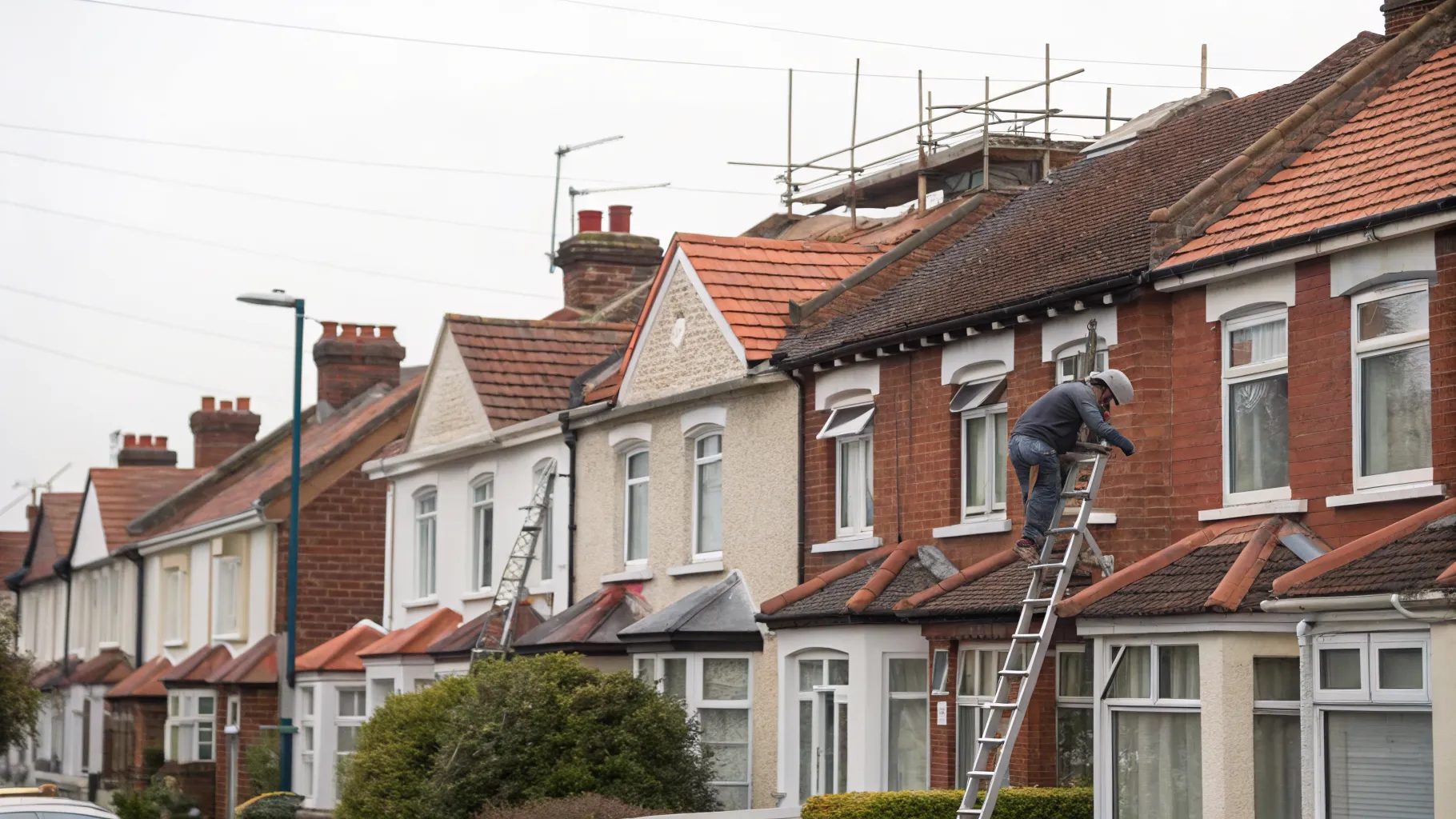
How Much Does a New Roof Cost in the UK in 2026?
What a new roof really costs in the UK in 2026, broken down by house size, material and the hidden extras, plus how to check you are being quoted fairly.
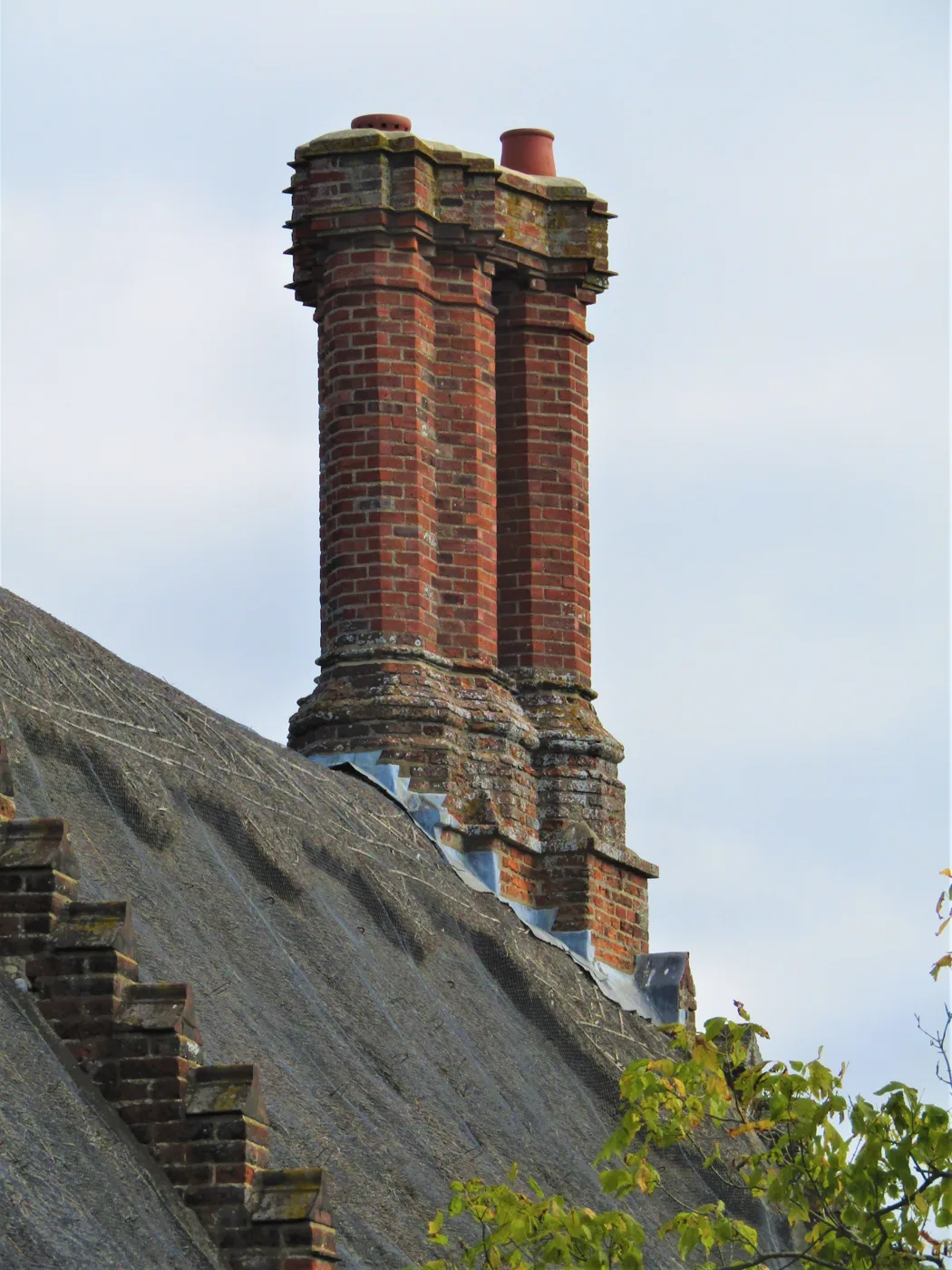
Chimney Repointing and Repair Cost UK (2026)
What chimney repointing cost is in the UK in 2026, why scaffolding drives the price, and how repointing compares to rebuilding, flashing and pot repairs.
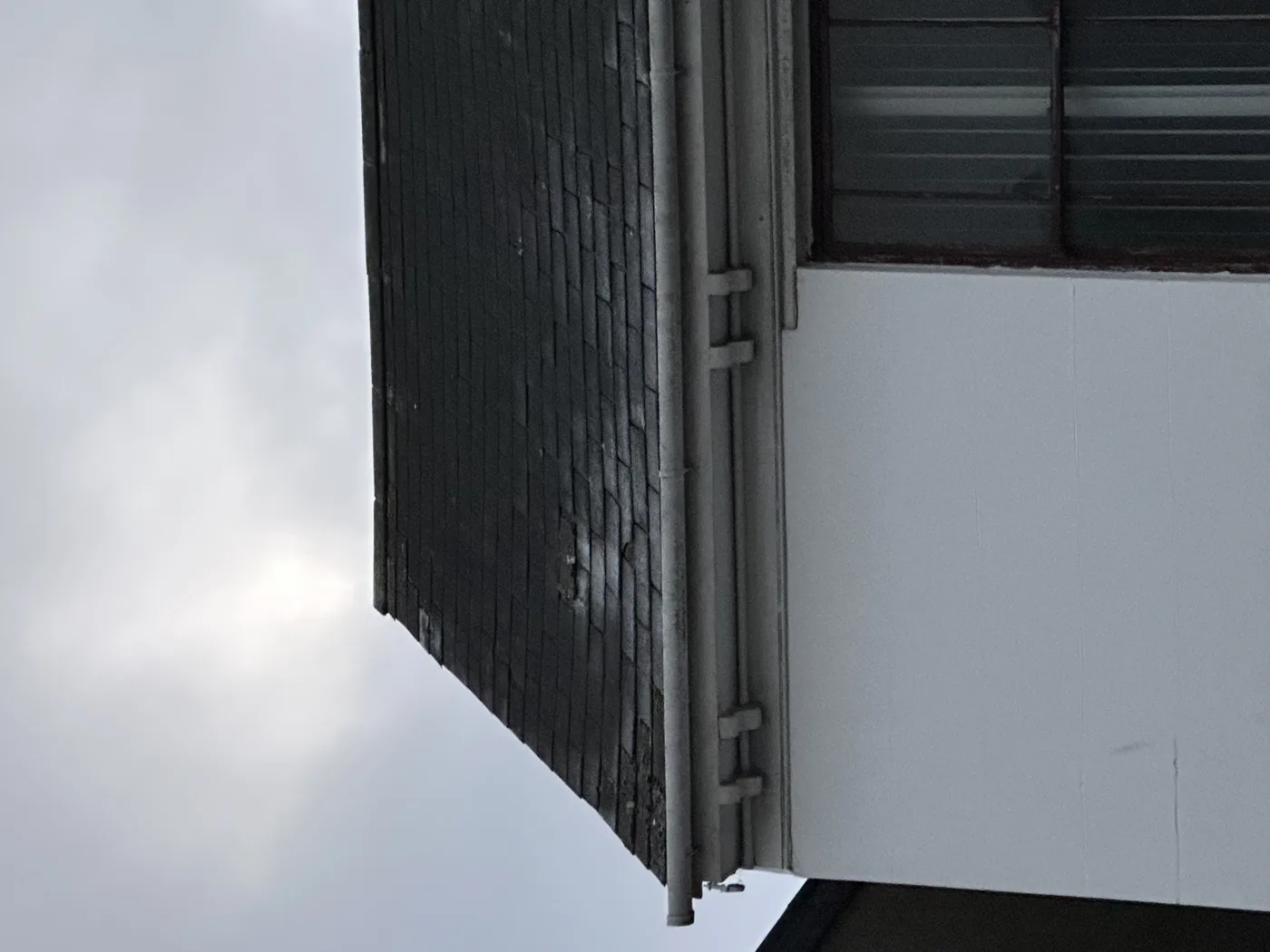
Roof Inspection and Survey Cost UK: What's Checked and the Price
Roof inspection cost UK 2026: what a ground, ladder or drone survey checks, typical prices for each, and when a written roof report is worth paying for.