Roofing Scams UK: Doorstep Tactics and Your 14-Day Right
By the Professional Roofers team
Updated 2026 · Independent cost guide
Roofing scams in the UK are not improvised. They follow a script that Trading Standards teams see so often they can predict the next step, and the reason it works is that almost nobody can see their own roof. A stranger tells you something is wrong forty feet above your head, and you have no way of checking. That is the whole business model.
This page sets out the script in the order it actually happens, the point at which it becomes very hard to back out (earlier than most people realise), what a recent prosecution looked like in court, and the cancellation right that applies to doorstep roofing work. Nothing here is hypothetical. The tactics come from Trading Standards alerts and the case detail from a sentencing in January 2026.
Roofing is the biggest category of doorstep crime
Derbyshire County Council’s trading standards team publishes the numbers, and they are worth seeing. Reports involving roofing work went from 76 in 2022 to 2023, up to 135 in 2023 to 2024, and stood at 121 in the most recent financial year. That last figure was 47% of all doorstep crime incidents reported to them that year.
Nearly half of all doorstep crime, in one trade. Not driveways, not double glazing, not gardening. Roofing.
The script, step by step
1. The approach is always unsolicited. Someone knocks, or calls out from a van. The framing is usually that they are already working nearby, so the scaffolding, materials and labour are conveniently on hand. Sometimes it is dressed up as a free inspection or a council-adjacent survey. Legitimate roofers in Britain are busy and do not tout door to door for roof replacements.
2. A defect appears that you cannot verify. Slipped tiles, a cracked ridge, failed flashing, a hole they can see from the road. They may go up a ladder and come down with photographs. Photographs prove nothing, because you have no way of knowing they were taken on your roof. In the Lancashire case below, a Trading Standards surveyor inspected the properties afterwards and found no structural defects at all.
3. The opening price is low. This is the hook, and it is deliberate. Trading Standards describes the pattern as low prices offered at first with costs then rising. Nobody signs up to a huge bill on the doorstep. They sign up to a small one.
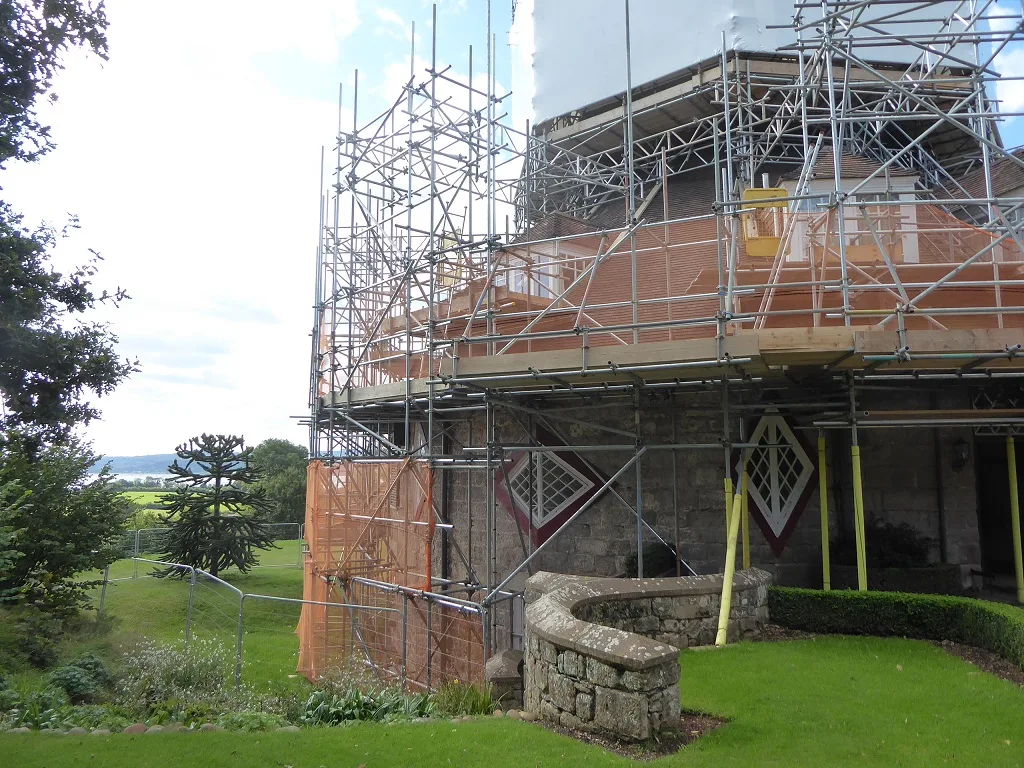
4. Scaffolding goes up immediately. This is the step people underestimate, and it is the point of no return. Bromley Council’s trading standards alert names it directly: scaffolding is erected at the earliest opportunity, which creates urgency and makes it far harder for residents to withdraw. Once there is steel across the front of your house, you feel committed, the neighbours can see it, and saying stop feels like an act of aggression. It is a psychological device, not a construction decision. Our page on roof scaffolding costs explains what scaffolding for genuine work actually involves and when it goes up in a proper job, which is after the contract, not before it.
5. The job grows. They have opened something up and found more. More rot, more battens, a chimney that needs attention. Each discovery adds money, and each one is unverifiable from the ground.
6. The demands escalate and turn to cash. Upfront payments, cash preferred, more money before the next stage. By this point the pressure is considerable, and older or isolated homeowners in particular find it very hard to refuse.
7. The work is poor or worthless. Often it is cosmetic: a smear of sealant, a coat of coating, tiles moved around. Sometimes the roof is left worse than it started.
What this looks like in court
On 5 January 2026 at Preston Crown Court, Benjamin Lee Molloy, 39, of Colne, was jailed for 12 months following a Lancashire County Council Trading Standards investigation. He was also given a five-year Company Director Disqualification Order and a three-year Criminal Behaviour Order preventing him from canvassing for home improvement work.
Molloy operated through a limited company and targeted residents aged between 69 and 74. The figures from the case are the useful part:
- One victim paid £17,450 for work the investigation deemed unnecessary and worthless.
- Another paid around £4,500 for repairs a surveyor valued at £450.
- A Trading Standards surveyor found the work showed a clear lack of skill and knowledge, and found no structural defects in the properties at all.
Two details are worth noting. He traded as a registered limited company, so checking that a company exists on Companies House proves only that it exists. And the offences were under the Consumer Protection from Unfair Trading Regulations 2008, which is the legislation that makes misleading a consumer about what work is needed a criminal matter rather than a civil dispute.
Your cancellation right, and the exception that catches people out
Doorstep roofing is an off-premises contract, which brings it under the Consumer Contracts (Information, Cancellation and Additional Charges) Regulations 2013.
The 14 days. Under regulation 30, you have 14 days to cancel a service contract, running from the day after the contract is entered into. You do not have to give a reason.
The 12 months. If the trader never gave you the required written information about your right to cancel, that cancellation period extends dramatically, up to 12 months. It drops back to 14 days once they correct the failure. Rogue traders routinely fail to give written cancellation notices, which means many people who think they are stuck are not.
The exception. Regulation 28 removes the cancellation right where you specifically requested a visit for urgent repairs or maintenance. This matters after a storm, when you did the calling. But the exclusion is narrower than traders imply: it does not cover additional services beyond the urgent repair you asked for, and it does not cover goods other than replacement parts necessarily used in the repair. So if you called someone out for a leak and they sold you a full re-roof on the spot, the re-roof is very likely still cancellable.
The practical upshot: if work started within the last two weeks, or if you were never handed anything in writing about cancelling, stop paying and get advice before you do anything else.
The red flags, in one list
- They came to you. Nobody legitimate sells a re-roof from the pavement.
- They will not leave a written, itemised quotation, or the “quote” is a number on a scrap of paper.
- No company address you can find, or a mobile number only.
- Cash, and cash up front.
- Pressure to decide today, or a price that is only good today.
- Scaffolding offered or erected before a contract is signed.
- The defect they describe cannot be seen from any window in your house.
- The price changes after work starts.
- No written notice of your right to cancel.
What to do instead
Get three written quotations from firms you approached. Insist each one is itemised, so you can compare like with like: our page on questions to ask a roofer sets out what a proper quote should contain, and how to find a good roofer covers vetting.
Commission an independent inspection if you are told the roof is failing and you are not sure. A paid survey from someone who is not going to do the work is the cheapest insurance available, and it gives you photographs of your own roof with an address on the report. See roof inspections and surveys.
Check the trader properly. Companies House confirms a company exists, nothing more. Trading Standards Checked or Buy With Confidence schemes vet businesses rather than just listing them.
Never pay in cash and never pay in full up front. Staged payments against completed stages are normal. A large deposit before anything happens is not.
After a storm, be especially careful. Storm chasing is a real pattern, and the urgency is genuine, which is exactly why it gets exploited. Our guide to storm damage roof repair covers what to do first, including the fact that your insurer will usually want its own assessment before major work.
If it has already happened
- If you feel threatened or someone will not leave: 999.
- Citizens Advice consumer service: 0808 223 1133. They record the report and refer it to Trading Standards, which is how these prosecutions start.
- Action Fraud: 0300 123 2040, or report online at reportfraud.police.uk.
- Call 159 to reach your bank safely if you are being pressured into a payment.
- Stop paying. Do not make a further payment to make the problem go away. It will not.
- Keep everything. Quotes, receipts, texts, bank records, photographs of the work. Cases are built on paperwork.
If you paid by credit card, you may have a claim against the card provider under section 75 of the Consumer Credit Act for transactions over £100. That is one of the strongest reasons to put a building deposit on a credit card rather than pay cash.
Frequently asked questions
How common are roofing scams in the UK? More common than any other doorstep trade. Derbyshire County Council’s trading standards team recorded 121 reports involving roofing work in its most recent financial year, which was 47% of all doorstep crime reported to it. The figure had risen from 76 reports two years earlier.
Can I cancel roofing work I agreed to on my doorstep? Usually yes. Doorstep work is an off-premises contract, so regulation 30 of the Consumer Contracts Regulations 2013 gives you 14 days to cancel from the day after the contract is made, with no reason required. If the trader never gave you written notice of that right, the period extends up to 12 months.
What if I called the roofer out myself for an emergency? The 14-day right does not apply to a visit you specifically requested for urgent repairs or maintenance. However, regulation 28 keeps your cancellation rights for any additional services they sold you beyond that urgent repair, and for goods other than the replacement parts needed to do it.
Why do rogue roofers put scaffolding up so quickly? Because it makes you feel committed. Bromley trading standards describes scaffolding being erected at the earliest opportunity as a tactic that creates urgency and makes it far harder for residents to withdraw. In a legitimate job the scaffolding follows a signed contract and an agreed start date, not a doorstep conversation.
Does a company being registered at Companies House mean a roofer is legitimate? No. The rogue roofer jailed at Preston Crown Court in January 2026 traded through a registered limited company. Companies House confirms a company exists and who runs it, which is useful, but it is not a check on competence or honesty. Use a vetting scheme such as Trading Standards Checked as well.
How do I know if the damage they described is real? Get a second opinion from someone who is not bidding for the work. Photographs a trader shows you cannot be tied to your roof. An independent survey report will carry your address, dated photographs and a written assessment, and it is the only way to check a claim about a part of your house you cannot see.
Who do I report a rogue roofer to? Citizens Advice consumer service on 0808 223 1133, which passes reports to Trading Standards, and Action Fraud on 0300 123 2040 for the fraud element. Report even if you did not lose money, because prosecutions are built from patterns of reports across several victims.
Want costs like this each month?
Join the Roofline brief for current UK prices and quote-reading tips.
More from Professional Roofers
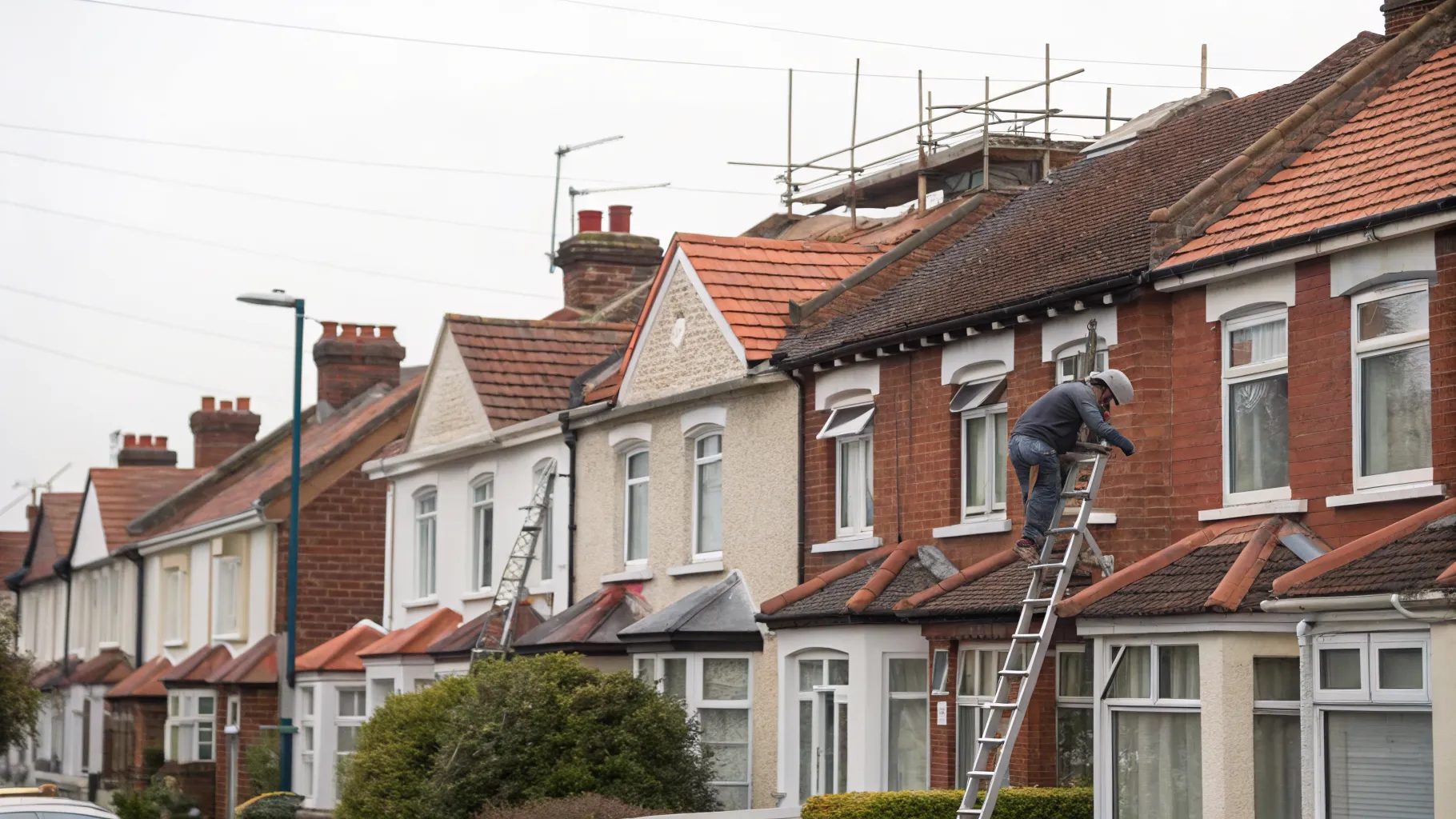
How Much Does a New Roof Cost in the UK in 2026?
What a new roof really costs in the UK in 2026, broken down by house size, material and the hidden extras, plus how to check you are being quoted fairly.
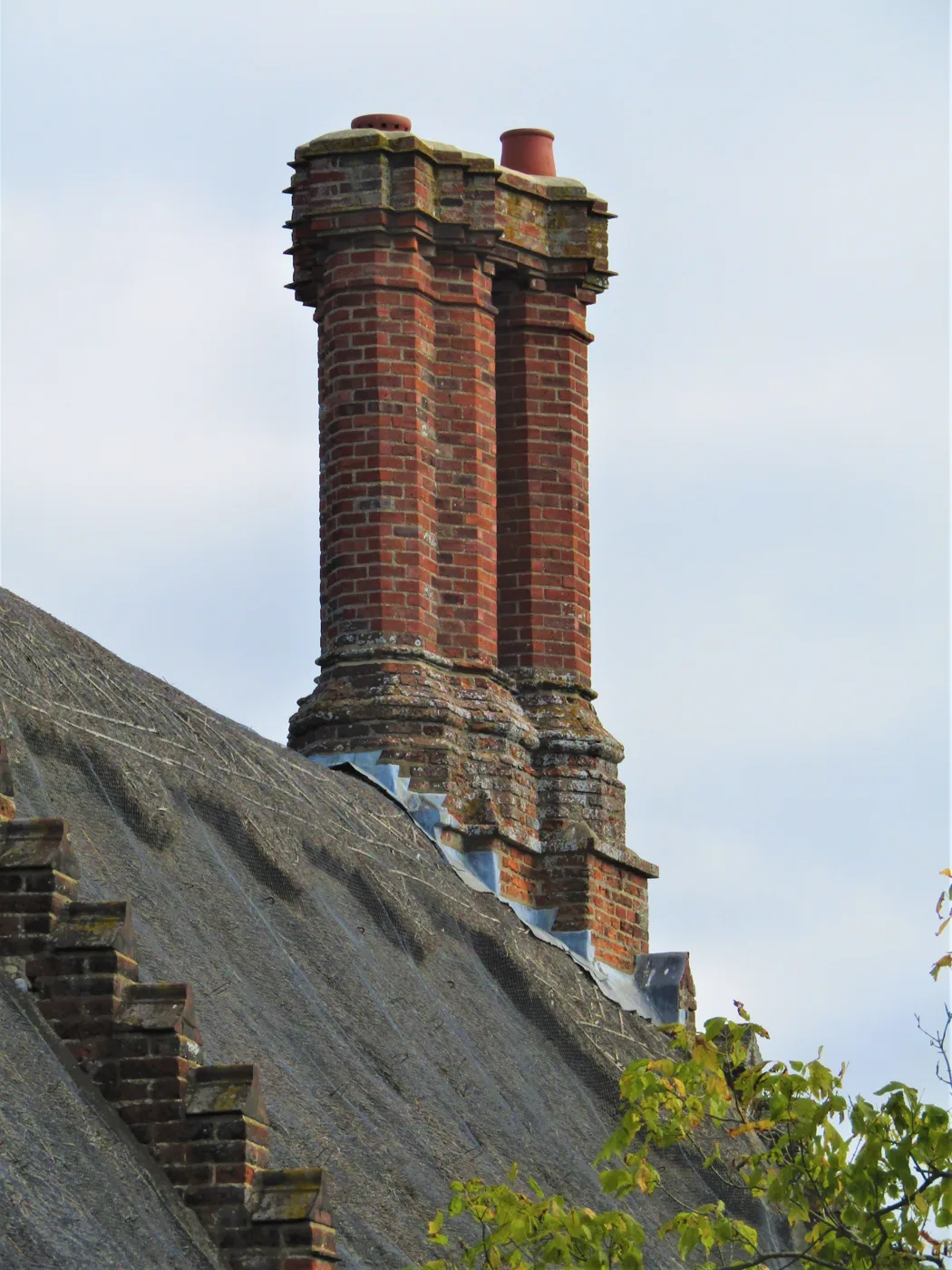
Chimney Repointing and Repair Cost UK (2026)
What chimney repointing cost is in the UK in 2026, why scaffolding drives the price, and how repointing compares to rebuilding, flashing and pot repairs.
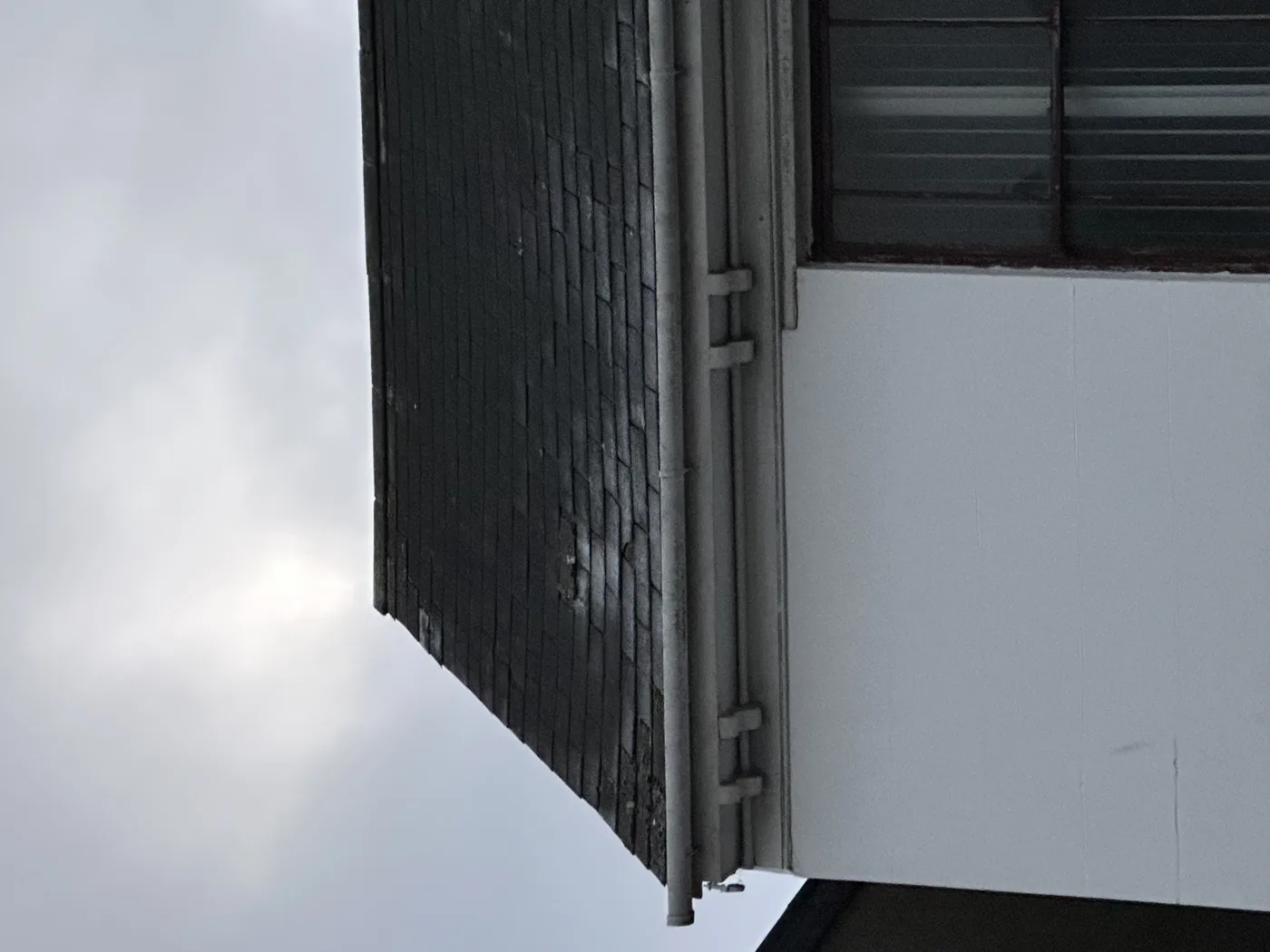
Roof Inspection and Survey Cost UK: What's Checked and the Price
Roof inspection cost UK 2026: what a ground, ladder or drone survey checks, typical prices for each, and when a written roof report is worth paying for.