Tile vs Slate Roof: Cost, Lifespan and Which Is Better
By the Professional Roofers team
Updated 2026 · Independent cost guide
Choosing between a tile vs slate roof usually comes down to a trade-off most homeowners get told about too late: slate costs considerably more upfront but lasts far longer, while tile is cheaper to buy and fit but replaced sooner. Which one is “better” depends on how long you plan to keep the house, what your roof timbers can carry, and whether your property has any conservation restrictions. This guide sets out the real differences in lifespan, weight, cost and upkeep so you can decide before a contractor pushes you one way.
Both are proven, widely used roofing materials in the UK, so this is not a case of one being right and the other wrong. It is about matching the material to the building and to how long you need it to last.
Lifespan: where slate wins clearly
Longevity is slate’s headline advantage. Natural slate can last around 100 to 150 years with minimal intervention, which is often longer than anyone reading this will own the house. Clay tiles are also long-lived at roughly 60 to 100 years when maintained. Concrete tiles sit at the lower end, typically 30 to 50 years before they need replacing.
The one caveat with very old slate roofs is nail fatigue: after 80 to 100 years the original fixing nails can corrode and let slates slip, even though the slate itself is still sound. That is usually a re-fixing job rather than a full re-roof. Tiles, by contrast, reach the end of their service life as a material rather than a fixing issue.
Cost: upfront versus cost per year
On day one, tile is the cheaper option for both materials and labour, and concrete tile is the most budget-friendly of all. Slate is significantly more expensive to buy, and it also costs more to install because it needs specialist skills to lay and fix properly. There is no getting around a higher initial outlay for slate.
The picture changes when you spread the cost over the roof’s life. Because a slate roof can outlast two or even three concrete tile roofs, the cost per year of ownership can actually come out lower for slate if you hold the property long term. So the right way to compare is not just the quote in front of you but roughly how many years of roof that quote buys. For a full breakdown of what drives a re-roof price, see our roof replacement cost guide.
Weight: what your roof structure can take
This is the factor people forget, and it can decide the whole question. A standard concrete tile roof is heavy, often 40 to 70 kg per square metre, which puts real load on the roof timbers. Natural slate is comparatively lighter, frequently 25 to 35 kg per square metre depending on thickness.
On an older property, or one with thinner or already-strained roof timbers, that difference matters. Switching from slate to heavy concrete tile can overload a structure that was never designed for it, sometimes requiring the roof structure to be strengthened first. Always have the existing timbers assessed before changing material, especially if you are moving to something heavier.
Maintenance and appearance
Slate is dense and strong, which makes it highly resistant to rot, moss and weathering, and it needs little ongoing maintenance once laid correctly. It is also non-combustible and copes well with heavy rain, high winds and frost. Tiles are more prone to moss and algae, particularly on shaded or damp roofs, so they benefit from occasional cleaning and inspection.
Repairs favour tile in one respect: individual tiles are usually easy and cheap to swap if one cracks. Matching and replacing a slipped or broken slate is more of a specialist task. On looks, slate gives the crisp, traditional appearance associated with period and higher-value homes, while modern tiles come in a wider range of profiles and colours.
So which should you choose?
If you are keeping the property for the long term and the structure suits it, slate is often the better lifetime value despite the higher upfront cost, and it is the natural choice for period homes. If your priority is a lower initial spend, or the roof timbers favour a lighter or budget material, quality tiles are a sound, practical choice. One thing to check first: if your home is listed or sits in a conservation area, the local authority may require natural slate or clay tiles to preserve the area’s character, which can settle the decision for you. The government’s guidance on listed buildings and conservation areas is the place to confirm what applies. If you are weighing tile options specifically, our clay vs concrete roof tiles guide goes deeper.
Frequently asked questions
Is a slate or tile roof better? Neither is universally better. Slate lasts far longer and can be better lifetime value, and it suits period and listed homes. Tile is cheaper upfront and easier to repair. The right choice depends on how long you will keep the house, your budget, your roof structure, and any conservation rules.
Is slate more expensive than tile? Yes. Slate is significantly more expensive than tile for both materials and installation, and concrete tile is the cheapest option. However, because slate can last two to three times as long, its cost per year of ownership can be lower over the full life of the roof.
How long does a slate roof last compared to tiles? Natural slate can last around 100 to 150 years, clay tiles roughly 60 to 100 years, and concrete tiles about 30 to 50 years. Very old slate roofs may need re-fixing after 80 to 100 years due to corroded nails, even when the slate itself is still in good condition.
Is slate lighter than roof tiles? Yes, natural slate is usually lighter, often 25 to 35 kg per square metre, compared with 40 to 70 kg per square metre for concrete tiles. That makes slate a better fit for older roofs or thinner timbers, and it is why switching to heavier tiles can require structural strengthening.
Can I replace a slate roof with tiles? You can, but check two things first. Have the roof timbers assessed, because concrete tiles are much heavier than slate and can overload a structure built for slate. Also confirm your home is not listed or in a conservation area, where natural slate or clay may be required.
Want costs like this each month?
Join the Roofline brief for current UK prices and quote-reading tips.
More from Professional Roofers
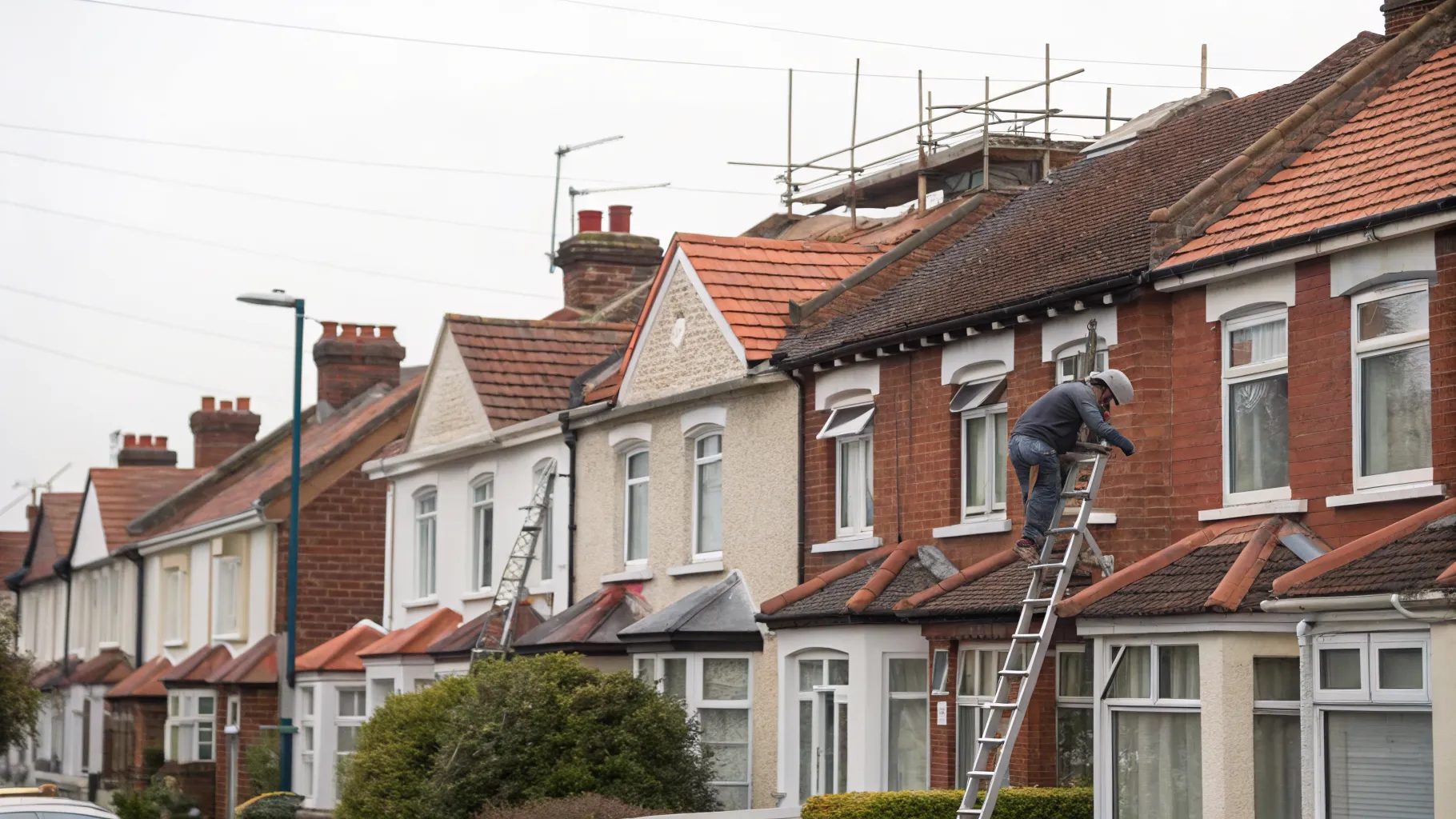
How Much Does a New Roof Cost in the UK in 2026?
What a new roof really costs in the UK in 2026, broken down by house size, material and the hidden extras, plus how to check you are being quoted fairly.
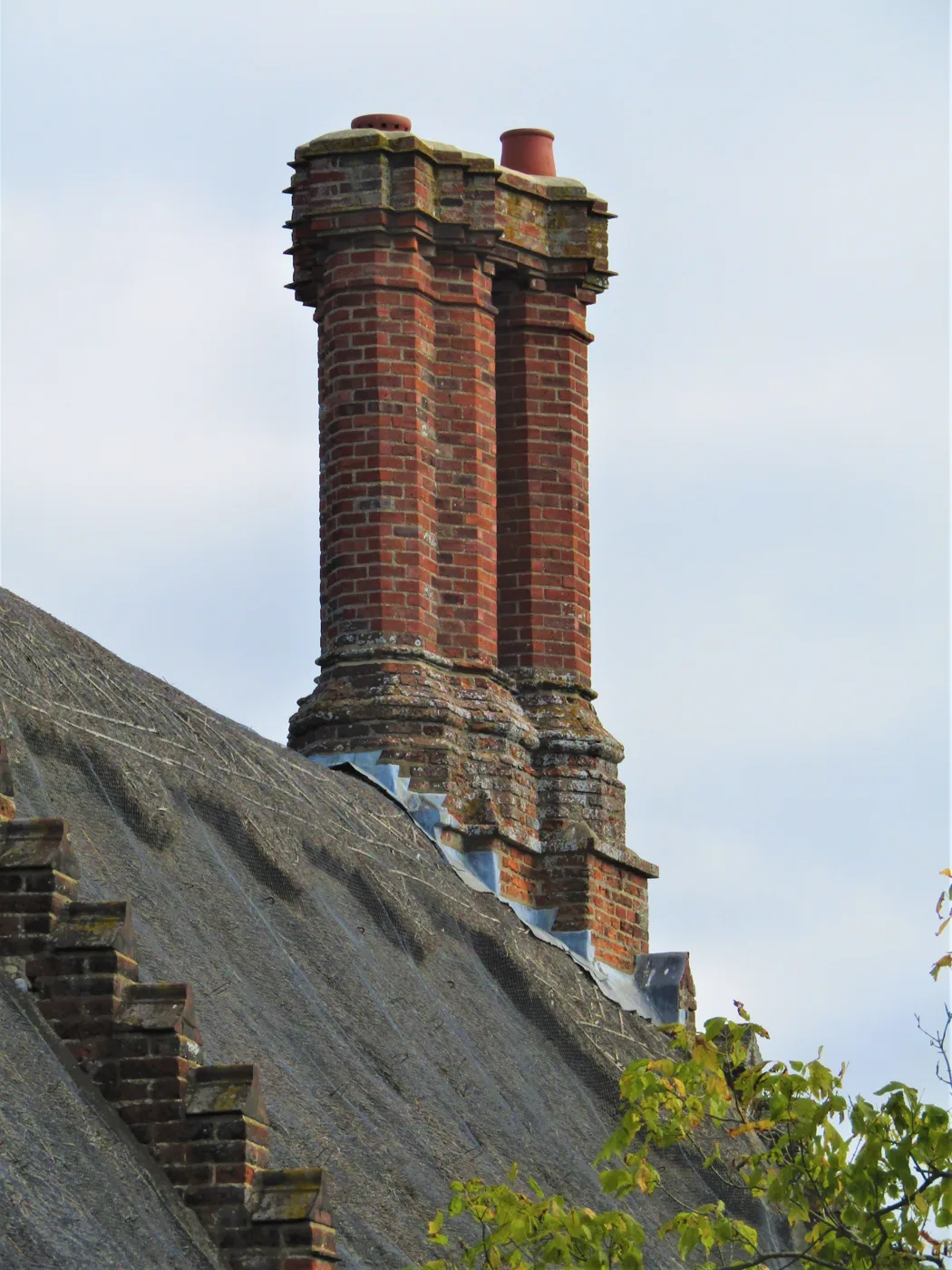
Chimney Repointing and Repair Cost UK (2026)
What chimney repointing cost is in the UK in 2026, why scaffolding drives the price, and how repointing compares to rebuilding, flashing and pot repairs.
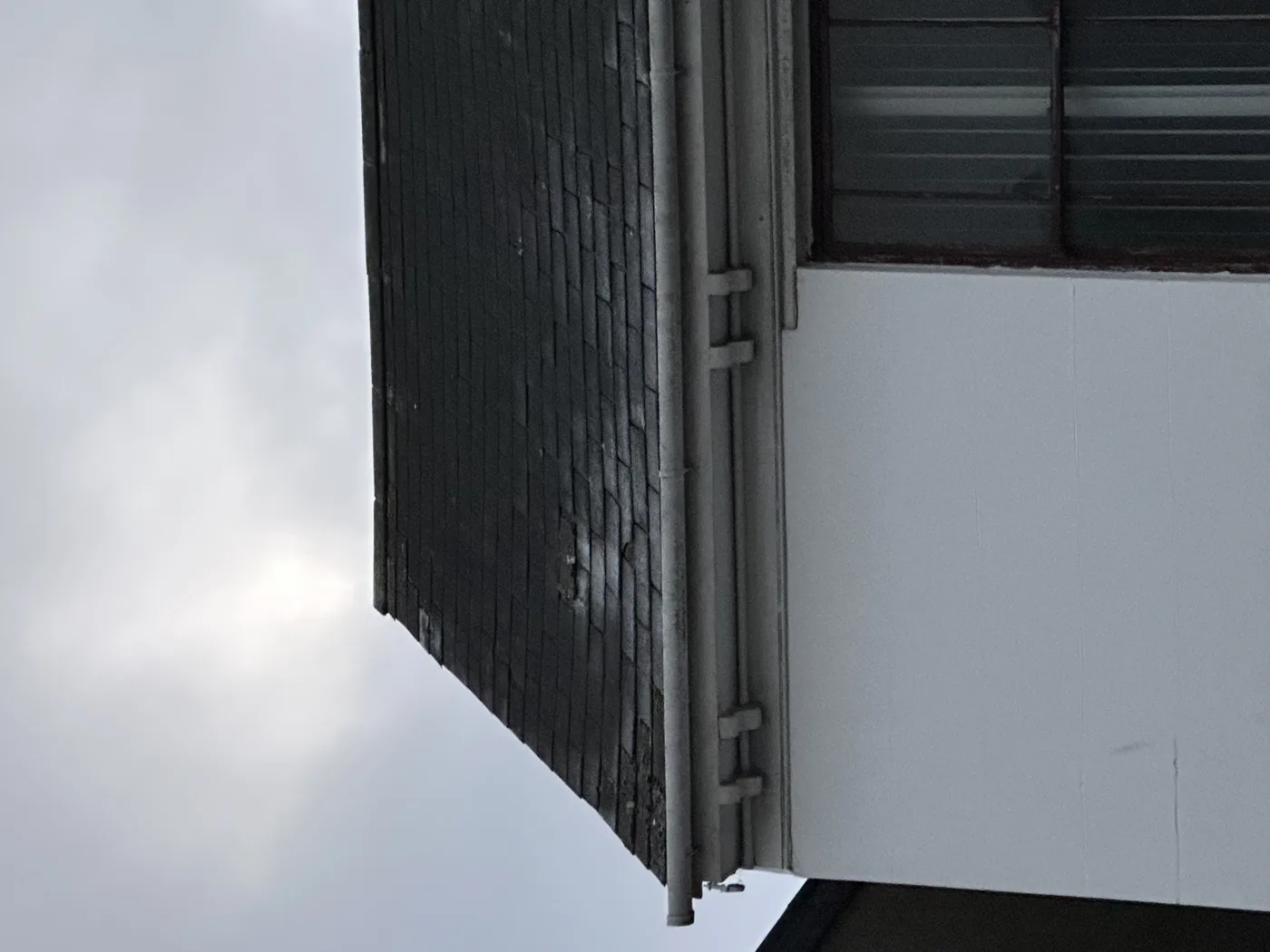
Roof Inspection and Survey Cost UK: What's Checked and the Price
Roof inspection cost UK 2026: what a ground, ladder or drone survey checks, typical prices for each, and when a written roof report is worth paying for.