Pressure Washing a Roof: Why Roofers Warn Against It
By the Professional Roofers team
Updated 2026 · Independent cost guide
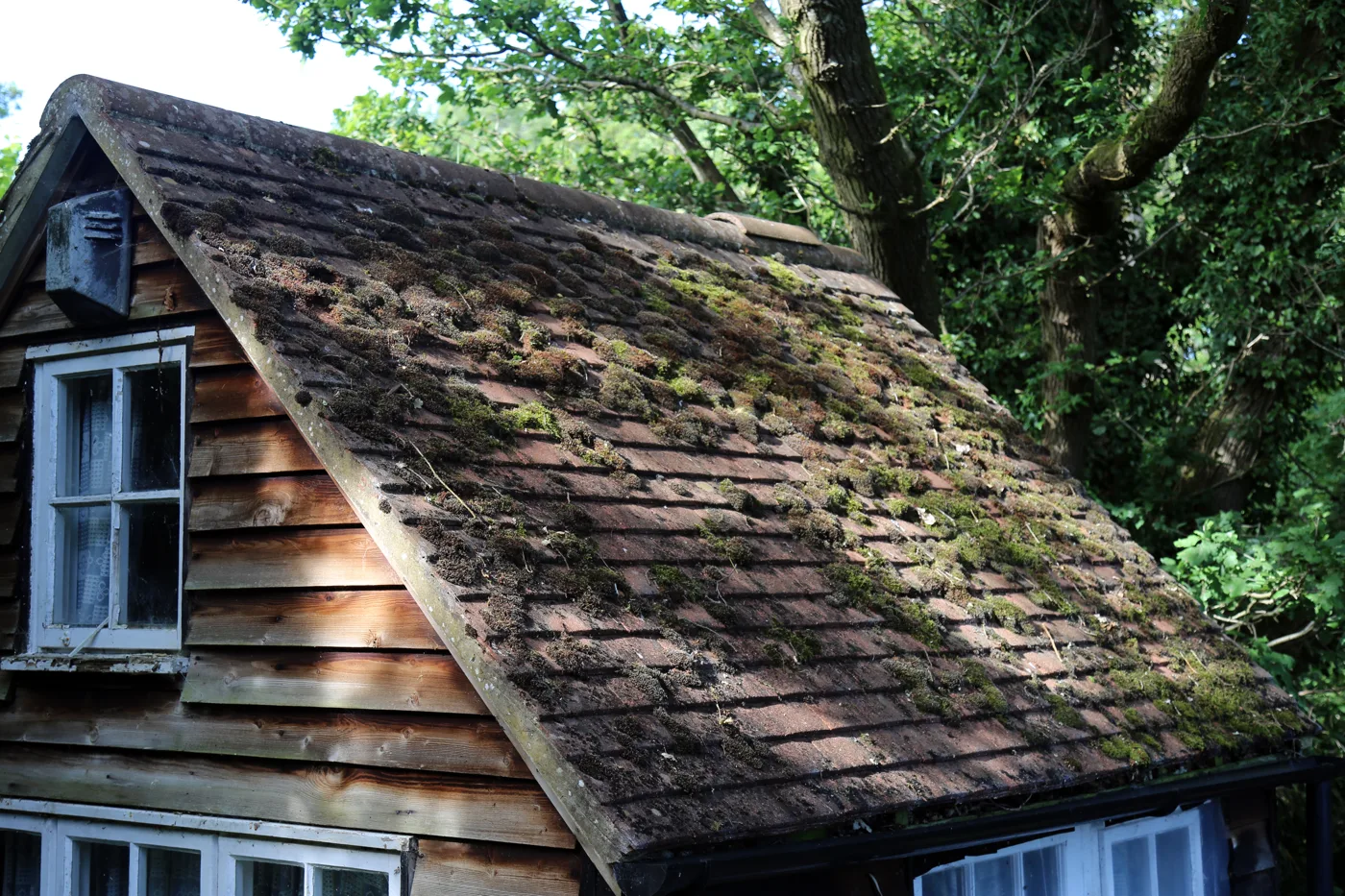
Pressure washing a roof is one of those jobs that looks brilliant on a before-and-after photo and quietly shortens the life of your roof. A jet wash blasts the moss and dirt away in an afternoon, the tiles look new again, and the damage it has done stays hidden until the next heavy rain finds its way inside. Every major UK tile manufacturer and the trade body for roofers advise against it, and this guide explains exactly why, what it does to your tiles, and the safer method that gets the same clean result without the risk.
What pressure washing actually does to a roof
The problem is not the water, it is the force. A domestic pressure washer throws water at a pressure roof tiles were never designed to take, and it damages them in several ways at once.
- It strips the surface. Concrete tiles have a factory-applied coating and colour layer, and older tiles rely on a hard weathered skin. High pressure erodes both, leaving the tile porous. A porous tile soaks up water, weathers faster and, ironically, grows moss back quicker than before.
- It forces water under the tiles. Roof tiles shed rain that runs down the surface; they are not watertight from below. Aim a jet upward under the laps and you drive water past the tiles onto the underlay and into the loft, causing leaks and damp that appear weeks later.
- It cracks and dislodges tiles. Older or brittle tiles chip and crack under the impact, and the force can lift tiles off their nibs or wash out the mortar bedding on ridges and hips.
- It voids warranties and can affect insurance. Because manufacturers explicitly warn against it, jet washing can void a tile guarantee, and resulting damage may be treated as poor maintenance rather than an insurable event.
Who says not to do it
This is not one roofer’s opinion. All the major UK roof tile manufacturers advise against high-pressure jet washing their products, and the National Federation of Roofing Contractors (NFRC) has publicly warned homeowners about moss-removal firms that use “violent” methods such as power washing. When the people who make the tiles and the trade body that represents roofers both say the same thing, it is worth listening.
Moss is usually cosmetic anyway
A lot of pressure washing is done to remove moss that was never a real problem. In normal circumstances moss growth does not damage tiles or slates; it is largely cosmetic. It matters when it blocks gutters, sheds into valleys or holds moisture against vulnerable materials, but a green tinge on a sound tiled roof is not a structural emergency. Understanding that takes the panic out of the decision, because it means you do not need an aggressive clean to protect the roof. Our guide to roof moss removal covers when moss genuinely needs dealing with and when it is best left alone.
The safer method: soft washing
The approach recommended by tile makers and roofing associations is soft washing, and it is what a reputable roof cleaner will offer. It works in two stages. First, moss is removed by hand using specialist roof scrapers, gently, without high pressure. Second, a biocide treatment is applied at very low pressure, closer to a garden sprayer than a jet wash, which kills the remaining moss and algae spores and slows regrowth. It is slower than blasting and the roof may look fully clean only weeks later as the treated growth dies back and weathers off, but it does not strip the tile, force water inside or crack anything. For most homes it is the right call, and our roof cleaning cost guide sets out what soft washing and moss removal typically cost.
If you have already pressure washed your roof
Do not panic, but do get it checked. Ask a roofer to inspect for cracked or slipped tiles, disturbed ridge bedding and any sign of water reaching the underlay, and consider whether the tiles now need a breathable coating or closer monitoring for faster moss return. A quick professional inspection is cheap insurance against a hidden leak, and it fits naturally into the routine checks in our roof maintenance guide.
The bottom line
Pressure washing a roof trades a fast, dramatic clean for a shorter roof life and a real risk of leaks, and it is discouraged by the very manufacturers whose tiles you are cleaning. If your roof is green and you want it dealt with, use a soft-wash roof cleaner, treat moss as the cosmetic issue it usually is, and keep the pressure washer for the patio. The clean lasts longer and the roof stays sound.
Frequently asked questions
Does pressure washing damage roof tiles? Yes. High pressure strips the protective coating and colour from concrete tiles, leaving them porous, and can crack or dislodge older tiles. It also forces water under the tiles onto the underlay, which can cause leaks that appear later.
Why do roofers say not to pressure wash a roof? Because it damages tiles, drives water past them into the roof, disturbs ridge bedding and can void tile warranties. UK tile manufacturers and the NFRC both advise against high-pressure jet washing.
What is the safest way to clean a roof? Soft washing: moss is scraped off by hand, then a biocide is applied at very low pressure to kill remaining spores and slow regrowth. It does not erode the tile surface or force water inside, so it is the method manufacturers recommend.
Will moss damage my roof if I leave it? Usually not. In normal circumstances moss is cosmetic and does not damage tiles or slates. It becomes a problem mainly when it blocks gutters or valleys, so clearing those matters more than blasting the whole roof.
Does pressure washing a roof affect insurance or warranties? It can. Because manufacturers warn against jet washing, it may void a tile guarantee, and damage caused by pressure washing can be treated as poor maintenance rather than a claimable event. Soft washing avoids that risk.
Want costs like this each month?
Join the Roofline brief for current UK prices and quote-reading tips.
More from Professional Roofers
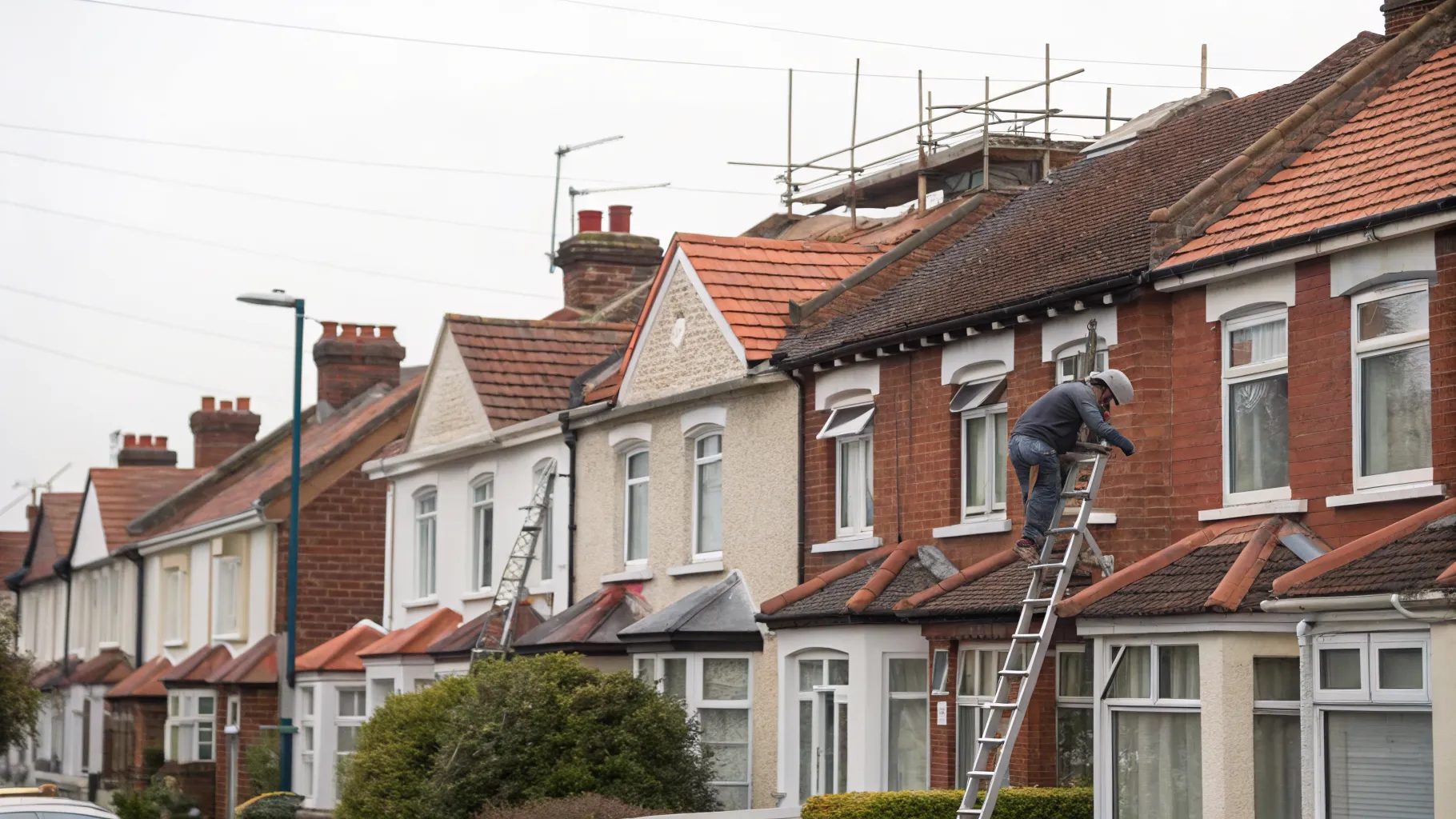
How Much Does a New Roof Cost in the UK in 2026?
What a new roof really costs in the UK in 2026, broken down by house size, material and the hidden extras, plus how to check you are being quoted fairly.
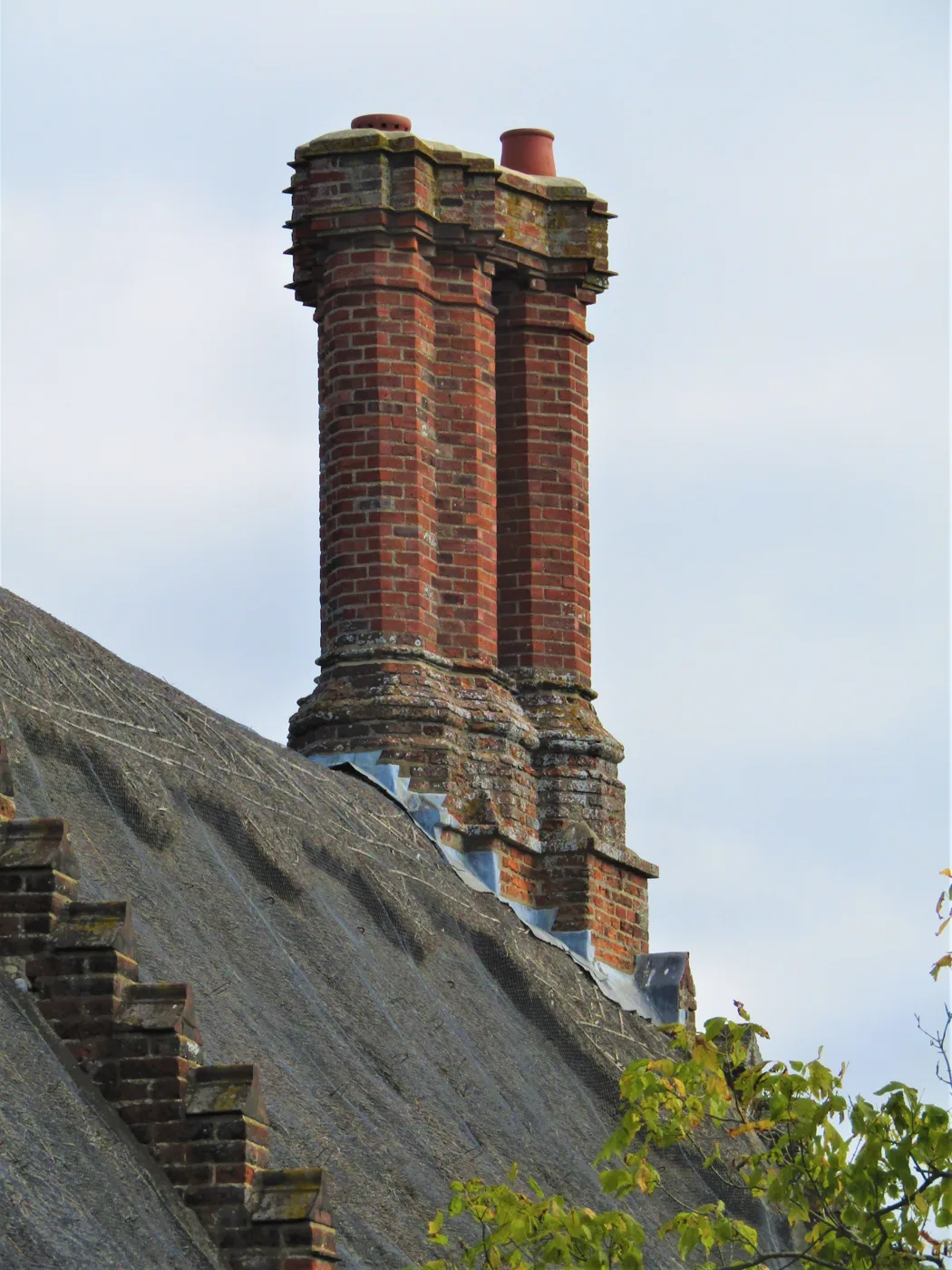
Chimney Repointing and Repair Cost UK (2026)
What chimney repointing cost is in the UK in 2026, why scaffolding drives the price, and how repointing compares to rebuilding, flashing and pot repairs.
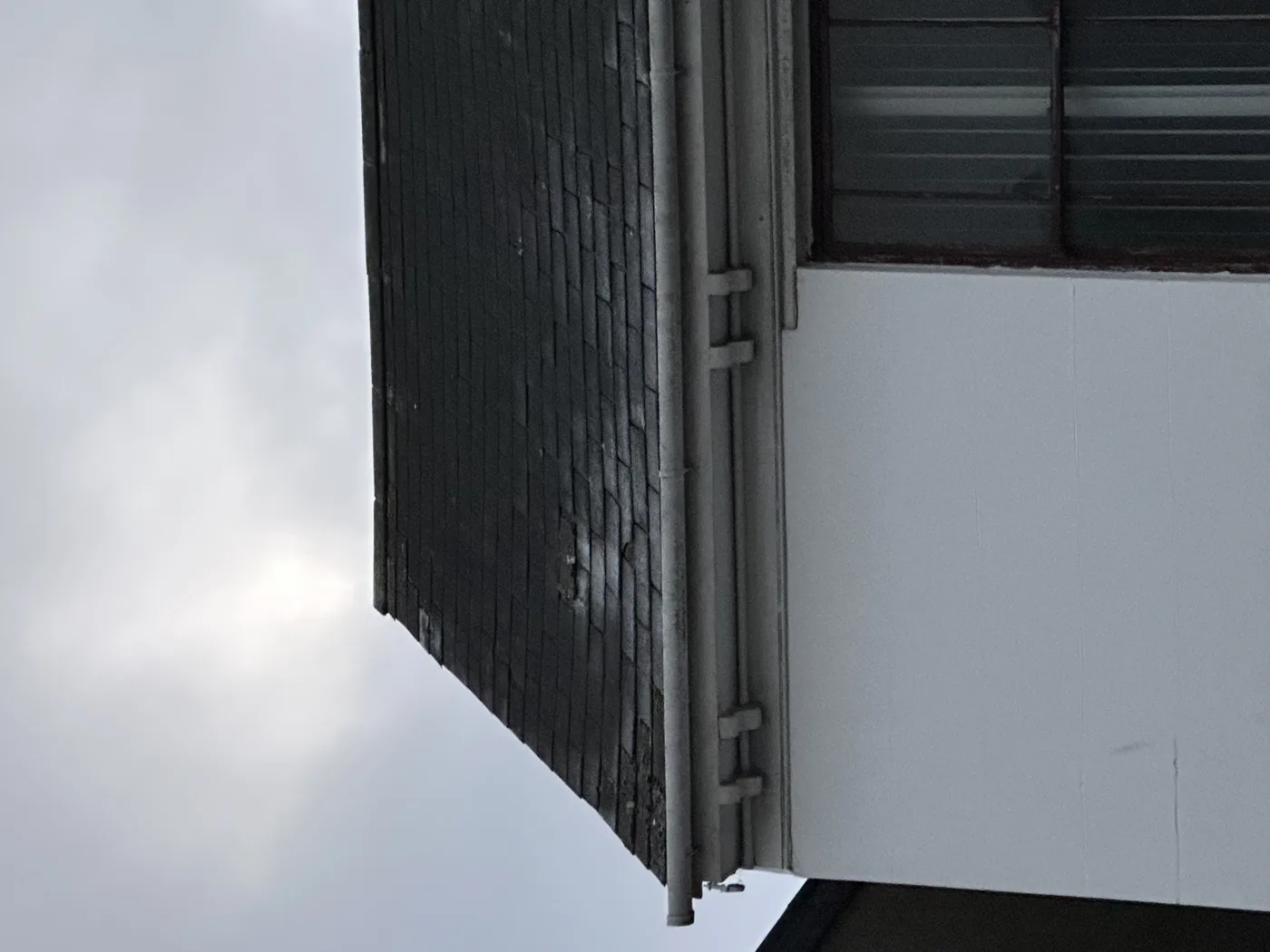
Roof Inspection and Survey Cost UK: What's Checked and the Price
Roof inspection cost UK 2026: what a ground, ladder or drone survey checks, typical prices for each, and when a written roof report is worth paying for.