Matching Discontinued Roof Tiles: Swap Slopes, Not Patches
By the Professional Roofers team
Updated 2026 · Independent cost guide
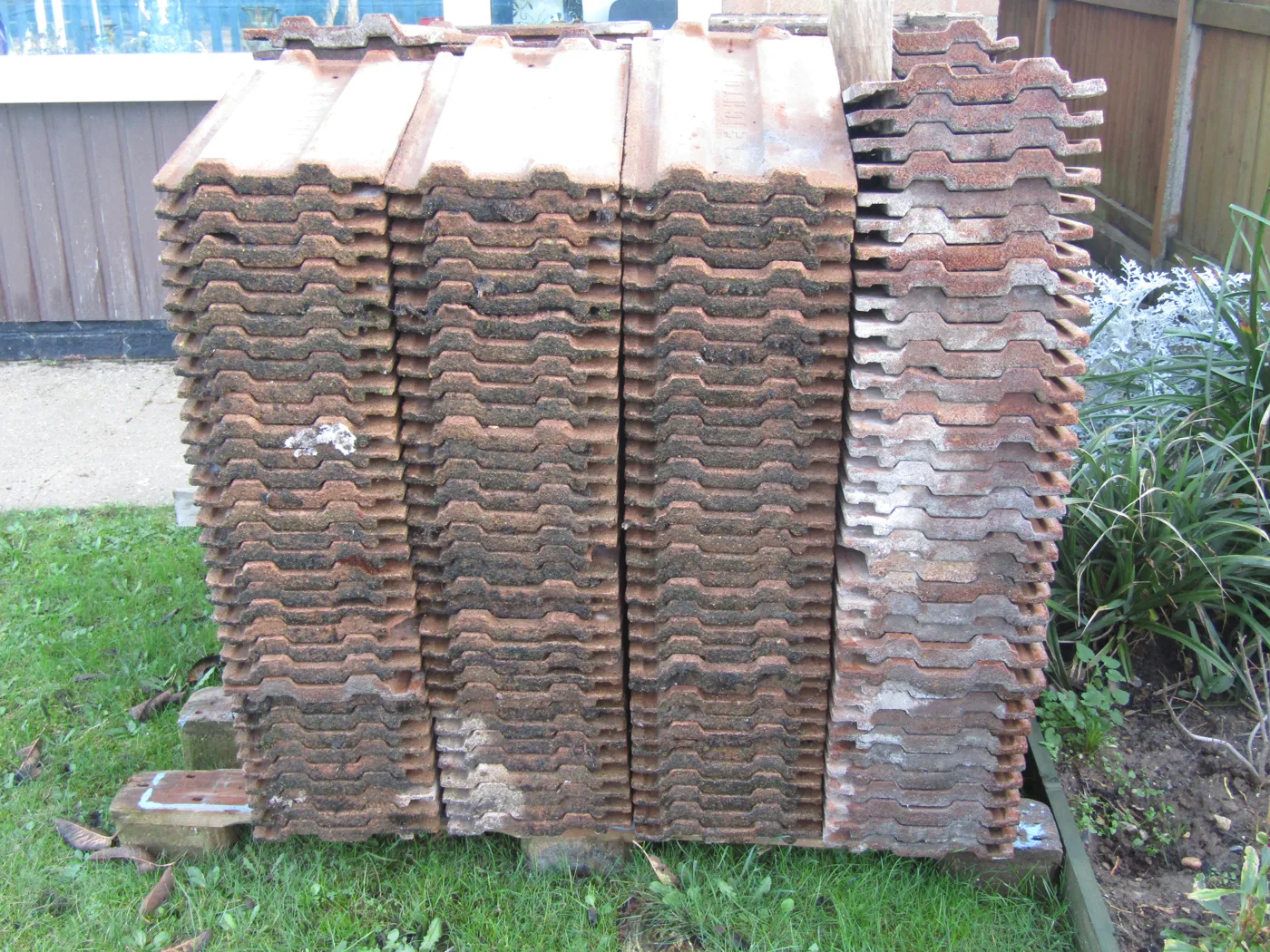
Matching discontinued roof tiles is usually possible without re-roofing the house, but rarely by buying an identical new tile. The tile that was made for your roof thirty or sixty years ago may no longer be produced, and even when it is, a new one will not have the weathered colour of the tiles that have been up there since. The solution most good roofers use is to move tiles around: take sound old tiles from a slope nobody sees, use them to repair the front, and put the closest new or reclaimed match where it does not show.
Here is how to identify what you have, where to find more, and when a partial re-roof is the cheaper and better answer.
Step 1: identify the tile
Get one loose or broken tile down if you can. A roofer will often have one from the repair. Then work through these in order.
Look at the back. Most concrete and many clay tiles made in Britain since the mid twentieth century carry the maker’s name on the underside, and often the model name or a mould or date mark. Marley, Redland, Sandtoft and Russell are the names you are most likely to find on a concrete tile. A stamp gets you most of the way, because the maker’s technical team or a merchant can tell you the current equivalent or confirm that the model has been withdrawn.
Measure it. Record the overall length and width in millimetres, the thickness, and the shape of the interlock along the side. Small differences matter. Two current concrete tiles that look almost identical from the street show how small: the Redland 49 is 382mm by 226mm and the Marley Ludlow Plus is 387mm by 229mm. A few millimetres change the gauge of the battens and how the side locks engage, which is why mixing them on one slope is a poor idea.
Work out the type. Most roofs fall into one of these:
- Plain tiles, small flat tiles laid double-lapped, traditionally 265mm by 165mm in clay. Many makers have produced them for over a century, so plain tiles are the easiest to match by size. Colour and texture are the hard part.
- Interlocking concrete tiles, the common postwar choice, in flat, single-roll, double-roman and other profiles. These are the most likely to have been discontinued, because each maker’s interlock is its own design.
- Clay pantiles and interlocking clay tiles, common in the east of England and on older cottages.
- Natural or man-made slate. Our slate roofing guide covers matching slate, which is a different problem.
Concrete or clay? Concrete tiles are heavier, have a sandy surface texture and show a grey core where they are chipped. Clay is the same colour right through. Our clay vs concrete roof tiles page explains the other differences.
Photograph it. Take a straight-on photo of the face, the back with the stamp, and the side profile with a tape measure in shot. Send that to a reclamation yard or a merchant before you drive anywhere.
Step 2: find matching tiles
Ask the manufacturer. If the stamp shows a brand that still trades, call its technical helpline with the measurements and photos. It can tell you whether the tile is still made, whether a current model fits the same batten gauge and interlock, and whether the colour you have still exists. Manufacturers will usually not guarantee a weathertight join between their tile and a different maker’s.
Try reclamation yards. Architectural salvage yards stock tiles stripped from demolished and re-roofed houses, often in the colours and weathering you need. The Salvo directory lists reclamation dealers across the UK. Ask for the yard’s stock from your local area. Tiles that came off houses of the same age and style nearby are the most likely match, and regional types such as Norfolk pantiles or Staffordshire blue tiles are easier to find close to where they were made.
Ask your roofer to keep spares. Roofers who strip roofs keep stock of common old tiles. If your roofer re-roofs houses in your area, they may well have the exact tile in the yard.
Check the count before you buy. Count the broken tiles, then add spares. A few extra cost little and save a repeat search next time.
Step 3: hide the difference by moving tiles
Even a perfect model match will look wrong if it is new. Decades of weather, lichen and pollution change the colour of every tile, and a new tile on a 40-year-old roof stands out from across the street for years.
The fix is to swap slopes:
- Take sound, weathered tiles from a slope that cannot be seen from the road, usually the rear, or from an area hidden behind a chimney or a dormer.
- Use those to repair the front elevation, where the match matters.
- Fill the gaps at the back with the closest new or reclaimed tiles you can get.
This costs a little more labour than dropping new tiles into the hole, but it is the difference between a repair you can see and one you cannot. A careful roofer will suggest it without being asked.
When a partial re-roof beats a patch
If too many tiles are broken, or the closest match does not lock into your existing tiles, patching becomes a false economy. The better option is often to re-roof one whole slope in a current tile and use the sound tiles you strip off to repair the others.
A slope boundary, such as a hip, a ridge, a valley or a change of plane at a dormer, gives a clean line where two tile types can meet. Never mix two different interlocks across the middle of a slope. Where two profiles have to meet, the joint needs a proper detail, such as a bonding gutter, to stay weathertight.
Before deciding, get the cost of both options. Our roof cost per square metre guide gives typical rates for a slope re-roof, and the slipped roof tile repair cost page covers the price of individual repairs, including the extra for sourcing reclaimed tiles.
Rules that can apply
Building regulations. Replacing a few tiles is a repair and needs no approval. Re-covering a large share of a roof is different: re-roofing more than half of a roof surface counts as renovating a thermal element, which brings insulation requirements and a duty to notify building control. A heavier replacement tile, such as concrete in place of slate, can also need a structural check on the roof timbers. Our guide to planning permission and building regulations for a new roof explains the 50% and 25% rules.
Conservation areas and listed buildings. In a conservation area, an Area of Outstanding Natural Beauty, a National Park or under an Article 4 direction, changing the material, colour or profile of a roof can need planning permission. On a listed building, almost any change to the roof covering needs listed building consent. In both cases, matching like for like with reclaimed tiles is often what the council will expect. Speak to the conservation officer before you buy a new tile that looks different.
Frequently asked questions
How do I find out what roof tiles I have? Turn a tile over and look for a maker’s stamp, then measure the length, width and interlock. Send photos of the face, back and side with a tape measure in shot to the manufacturer or a reclamation yard.
Can I use a different make of tile to replace broken ones? For interlocking tiles, usually not on the same slope. Even tiles of almost the same size, such as the Redland 49 and Marley Ludlow Plus, differ by a few millimetres and lock differently. Plain tiles of the standard size are easier to mix.
Where can I buy discontinued roof tiles? Reclamation and architectural salvage yards are the main source. The Salvo directory lists dealers across the UK. Local roofers often keep stocks of common old tiles too.
Why do new tiles not match my old ones even when they are the same model? Weathering. Sun, rain, lichen and pollution change the colour of every tile over the years. Moving weathered tiles from a rear slope to the front, and putting new ones at the back, hides the difference.
Is it cheaper to patch or re-roof one slope? A handful of broken tiles is cheaper to patch. If the damaged area is large or no matching tile exists, re-roofing one slope in a current tile and using the stripped tiles elsewhere often costs less over time, because the patch does not fail or show.
Do I need permission to use a different roof tile? Not usually on a house outside protected areas. In a conservation area, AONB, National Park or under an Article 4 direction, a change of material, colour or profile may need planning permission, and a listed building needs consent.
Sources
- Marley and Redland published product dimensions for the Ludlow Plus and Redland 49, via merchant technical data, checked 5 October 2026.
- Salvo, UK directory of reclamation and salvage dealers.
Want costs like this each month?
Join the Roofline brief for current UK prices and quote-reading tips.
More from Professional Roofers
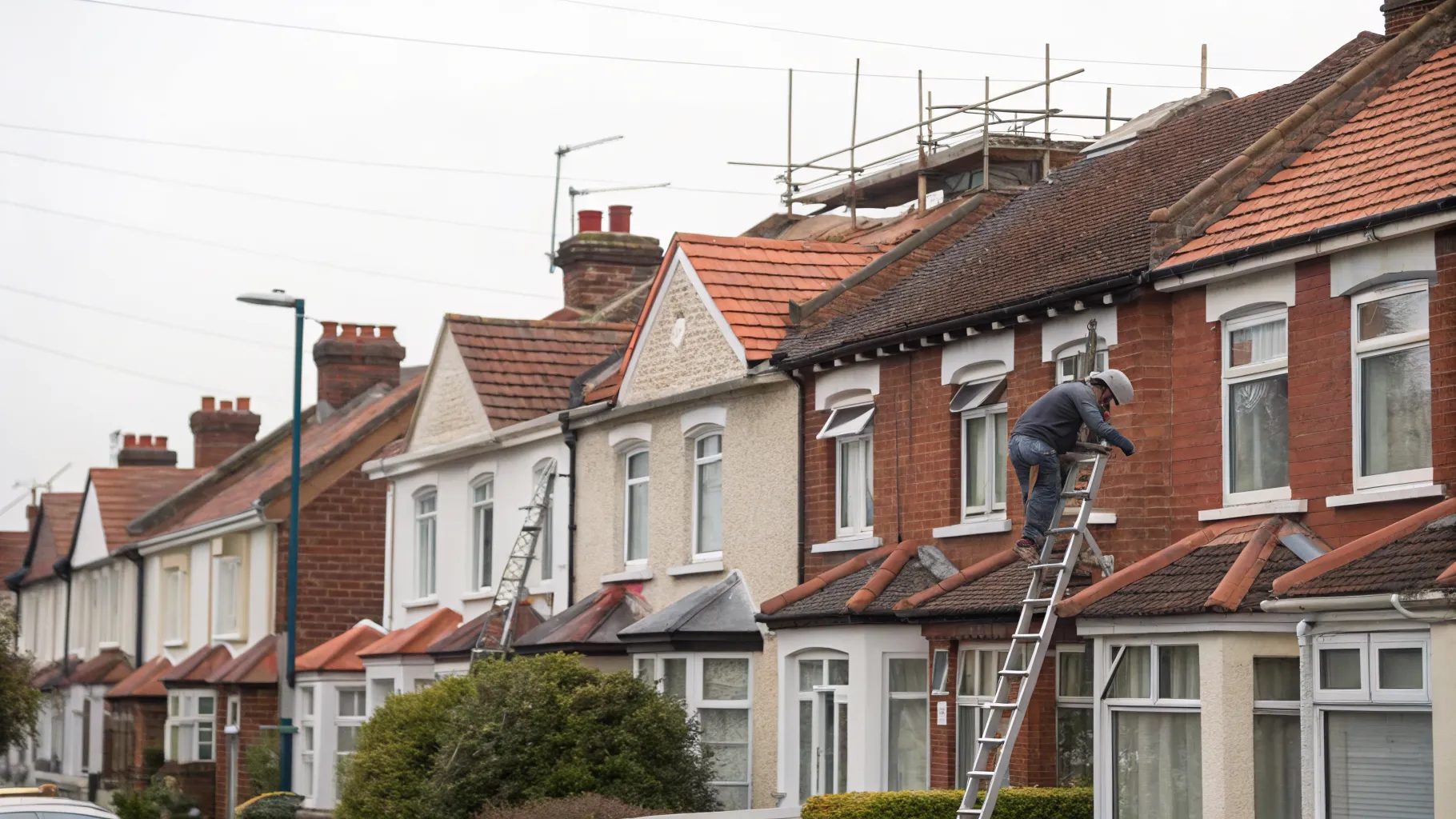
How Much Does a New Roof Cost in the UK in 2026?
What a new roof really costs in the UK in 2026, broken down by house size, material and the hidden extras, plus how to check you are being quoted fairly.
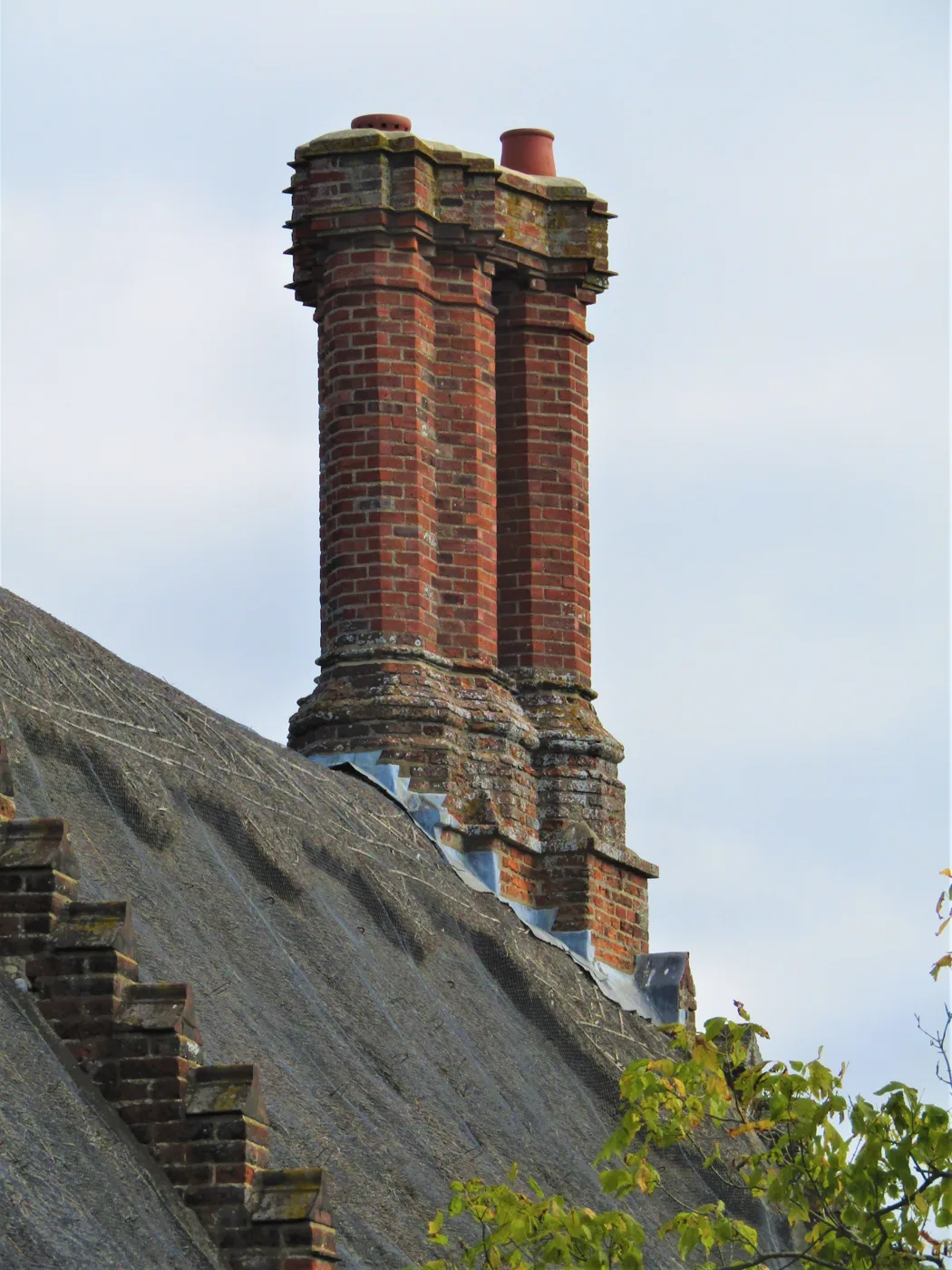
Chimney Repointing and Repair Cost UK (2026)
What chimney repointing cost is in the UK in 2026, why scaffolding drives the price, and how repointing compares to rebuilding, flashing and pot repairs.
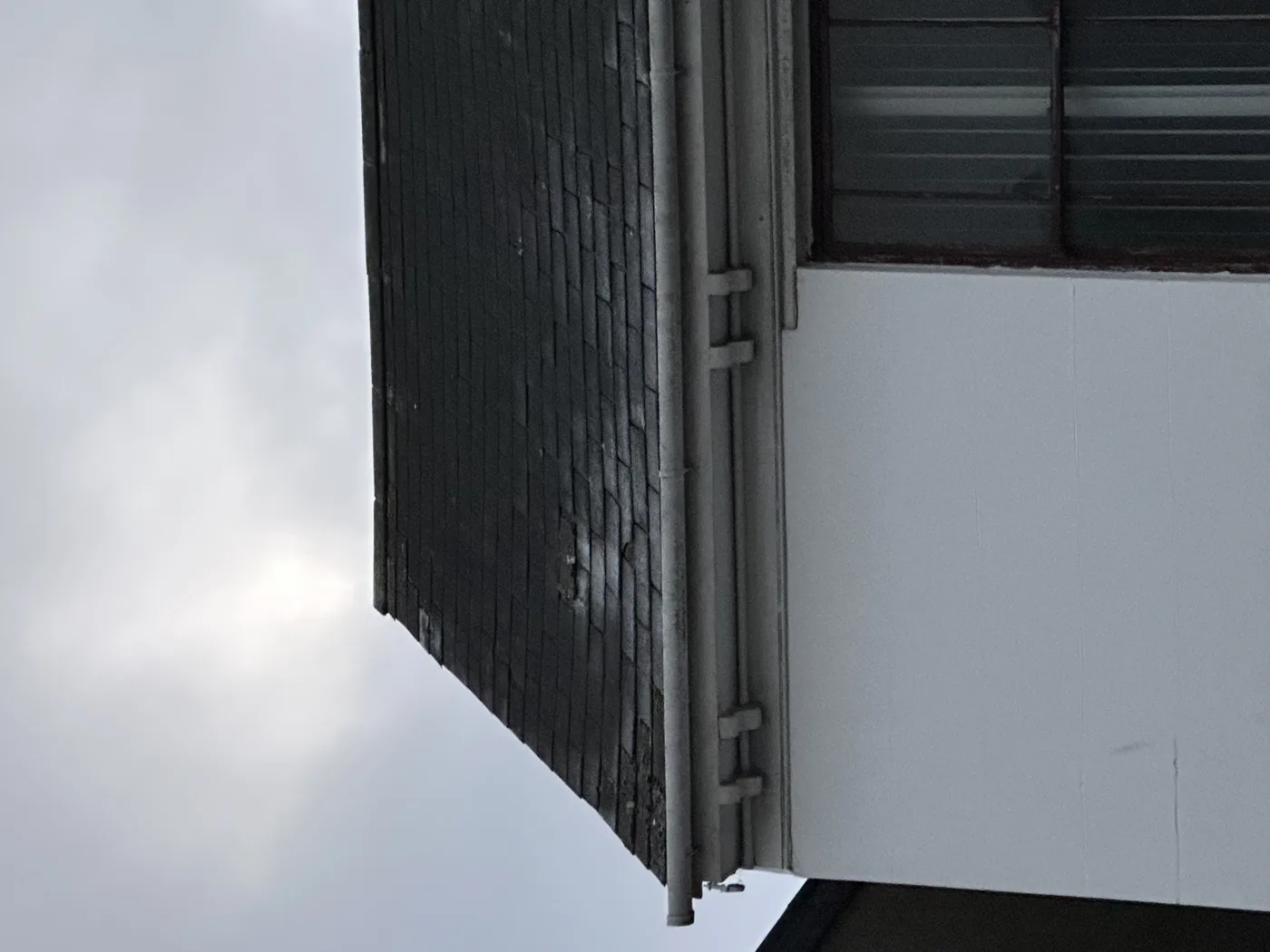
Roof Inspection and Survey Cost UK: What's Checked and the Price
Roof inspection cost UK 2026: what a ground, ladder or drone survey checks, typical prices for each, and when a written roof report is worth paying for.