Roofers Near Me: The 14 Days That Become 12 Months
By the Professional Roofers team
Updated 2026 · Independent cost guide
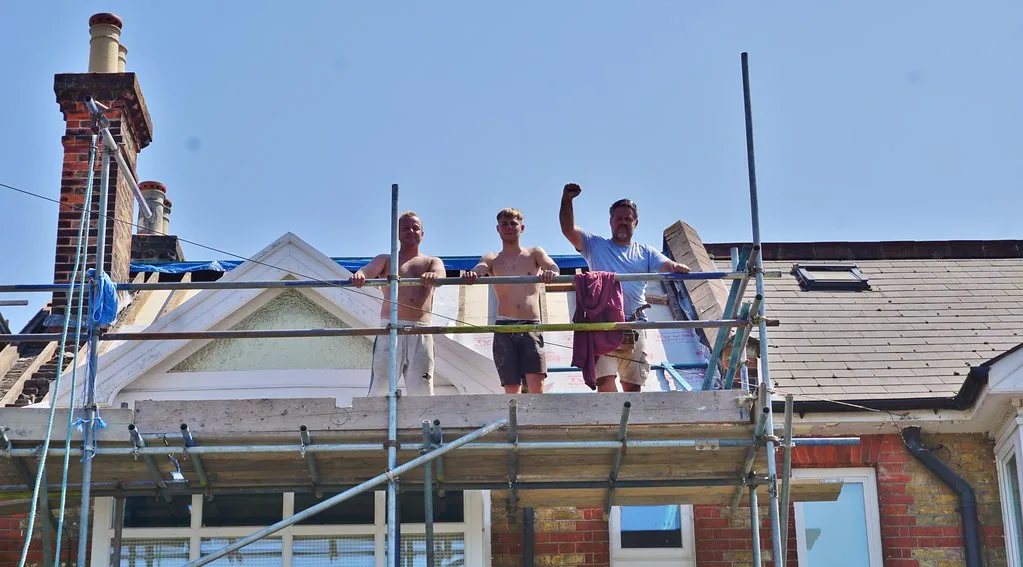
Most people searching for roofers near me are one of two things: mid-leak and in a hurry, or standing in a driveway while somebody who knocked on the door explains that your ridge tiles are dangerous. This page is written for both, and the first thing it does is set out a legal right that almost nobody knows they have, because it is worth more than any list of local firms.
If you sign a contract for roofing work at your own home, rather than at the contractor’s premises, you have a statutory right to cancel it within 14 days. If the contractor never told you about that right in writing, the 14 days becomes 12 months. And failing to tell you is a criminal offence.
After that, this page explains what we do, where we cover, and how to check that the roofer you are about to let onto your roof is real.
Your cancellation right, in the words of the regulations
The rules are in the Consumer Contracts (Information, Cancellation and Additional Charges) Regulations 2013. They apply to an “off-premises contract”, which is the legal term for one concluded away from the trader’s business premises, and a roofing contract signed at your kitchen table is squarely one.
Regulation 29(1) gives the right: “The consumer may cancel a distance or off-premises contract at any time in the cancellation period without giving any reason, and without incurring any liability” apart from four narrow exceptions.
Regulation 30(2) sets the clock for a service contract, which is what roofing work is: the cancellation period “ends at the end of 14 days after the day on which the contract is entered into”.
Regulation 31 is the one that matters most, and it is the reason doorstep operators dislike paperwork. If the trader does not give you the required information about your right to cancel, then under 31(3) “the cancellation period ends at the end of 12 months after the day on which it would have ended” normally. If they hand it over late but within that 12 months, 31(2) gives you 14 days from the day you receive it.
Regulation 36(1) is why “we can start Monday” should make you slow down, not speed up: “The trader must not begin the supply of a service before the end of the cancellation period … unless the consumer has made an express request, and, in the case of an off-premises contract, has made the request on a durable medium.” Durable medium means something you can keep and reproduce, so an email or a signed form, not a verbal yes on the doorstep.
If you do ask them to start early and then cancel, regulation 36(4) says you pay for what has actually been supplied, in proportion to the whole contract. Not the full price, and under 36(5) not an inflated price either, because if the contract total is excessive the amount is calculated against the market value of equivalent work by other traders.
Regulation 19 puts teeth on it: “A trader is guilty of an offence if the trader enters into an off-premises contract to which regulation 10 applies but fails to give the consumer the information listed in paragraph (l), (m) or (n) of Schedule 2”, and is liable on summary conviction to a fine not exceeding level 5 on the standard scale.
What to do with this on a doorstep
Say this, in this order.
- “Put it in writing and email it to me.” A contractor who will not send a written quote and a cancellation notice by email is telling you something.
- Do not sign anything on the day. Nothing about a roof is so urgent that it cannot wait until tomorrow morning, with the single exception of active water ingress, and even then the correct first step is a temporary cover, not a contract for a new roof.
- If you have already signed, count 14 days from the day after signing. Cancel in writing and keep the sent copy.
- If you were never given written notice of the right to cancel, your window is 12 months, and it is worth taking to your local trading standards service via the Citizens Advice consumer helpline.
Our roofing scams and rogue roofers page covers the sales patterns these contracts usually arrive with, and how to read a roofing quote covers what a real one should contain.
How this site works
We should be straight about what we are, because it changes how you should read everything else here.
Professional Roofers is an information site. We publish costs, guides and checklists for UK homeowners, and we may be paid a referral fee when you contact a contractor through us. We are not the firm that will turn up in a van, and we do not take deposits, quote for work or hold your money at any point.
That arrangement has an obvious bias built into it, so here is how we manage it. Every cost page on this site is written to help you spend less, not more. We publish the questions that make contractors uncomfortable. And we tell you plainly, as on this page, when the right answer is to do nothing yet.
If that is not what you want, the material here still works perfectly well as a set of checks to take to a roofer you found yourself.
The areas we cover
We cover mainland England, Scotland and Wales, with the deepest contractor coverage in and around:
- London and the South East, including Kent, Surrey, Sussex, Essex, Hertfordshire and Berkshire
- The South West, including Bristol, Somerset, Devon, Dorset, Wiltshire and Gloucestershire
- The Midlands, including Birmingham and the Black Country, Warwickshire, Leicestershire, Nottinghamshire and Staffordshire
- The North West, including Greater Manchester, Merseyside, Cheshire and Lancashire
- Yorkshire and the North East, including Leeds, Sheffield, York, Tyneside and Teesside
- East Anglia, including Norfolk, Suffolk, Cambridgeshire and Lincolnshire
- Wales, principally the south and the north coast
- Scotland, principally the central belt
Coverage in rural areas, the Highlands and Islands, and Northern Ireland is thinner, and we would rather say so than pretend otherwise. If we cannot match you, the how to find a good roofer checklist will get you there under your own steam.
What “near me” should actually mean
Proximity matters more in roofing than in most trades, for three reasons that have nothing to do with convenience.
Scaffolding and access. A firm working 40 miles away is pricing in travel for a crew and, on a full replacement, for repeated visits by a scaffolding contractor. That cost lands in your quote. Local firms usually have a standing arrangement with a scaffolder in the same town, which is one of the quietest cost differences between two otherwise identical quotes. See roof scaffolding cost.
Going back. Every roof job has a snag, and the question is whether the contractor is still nearby when you find it. A guarantee is only as useful as the distance between the trader and your house. Roofing guarantees and warranties covers what those documents actually promise.
Local roof stock. Roofing in Britain is regional. Welsh slate country, Kent peg tile, Cotswold stone, pantiles across east Yorkshire and Norfolk, concrete interlocking across most post-war estates. A roofer who works your area every week knows the failure modes of your roof type and where to source a matching tile. One who does not will quote to strip and replace where a local firm would repair. Roof tile types and tile versus slate explain the differences.
As a rough rule, for a repair you want someone inside 15 miles, and for a full replacement inside 30. Beyond that you are paying for their commute.
Checking that a local roofer is real
Four checks, all free, all doable from your phone while they are still standing on the drive.
Companies House. Search the company name. You are looking for three things: that it exists, that its accounts and confirmation statement are not overdue, and that it has not been dissolved or had a proposal to strike off filed. A brand new company with a residential registered address is not automatically a problem, but combined with a doorstep approach it is a pattern.
The registered address versus the trading address. A firm advertising itself as local to your town while registered 200 miles away is worth a question. It is not illegal and it is not always sinister, but you should know it before you sign, because it tells you where they will be when you need them back.
Trade membership, verified at source. If they claim NFRC, TrustMark or a competent person scheme, look them up on that scheme’s own register rather than trusting a logo on a van or a website. Logos are a graphic file. Register entries are not.
A written quote with a scope. Not a price on a card. Questions to ask a roofer is the list to take with you, and roof inspection and survey explains what a proper look at a roof involves before anyone can price it honestly.
If water is coming in tonight and none of this is practical, emergency roof repair covers the short version: pay for a temporary cover, and sign for nothing else until the rain stops.
Frequently asked questions
Can I cancel a roofing contract I signed at home? Yes. Under regulation 29 of the Consumer Contracts Regulations 2013 you can cancel an off-premises contract in the cancellation period without giving any reason, and for a service contract regulation 30(2) makes that 14 days from the day after the contract was entered into. Cancel in writing and keep proof you sent it.
What if the roofer never told me I could cancel? The period extends. Regulation 31(3) says that where the trader fails to give you the required cancellation information, the cancellation period ends 12 months after the day it would otherwise have ended. If they supply the information late but inside that 12 months, you get 14 days from receiving it. Failing to give the information at all is also an offence under regulation 19.
The roofer wants to start tomorrow. Can they? Only if you ask them to, in writing. Regulation 36(1) says the trader must not begin supplying a service before the cancellation period ends unless you have made an express request, and for an off-premises contract that request must be on a durable medium such as an email. If work has started and you then cancel, you pay only for what was actually supplied, in proportion to the whole job.
How far away can a roofer be before it costs me money? For a repair, aim for a firm within about 15 miles; for a full replacement, within about 30. Beyond that you are paying travel for a crew and, on a replacement, for a scaffolder making several trips, and you are reducing the chance of them coming back promptly to fix a snag.
Do you carry out the roofing work yourselves? No. We are an independent information site. We may be paid a referral fee when you contact a contractor through us, we never take deposits or payments for work, and every cost guide here is written to help you spend less.
Which areas do you cover? Mainland England, Scotland and Wales, with the strongest contractor coverage across London and the South East, the South West, the Midlands, the North West, Yorkshire and the North East, and East Anglia. Coverage is thinner in the Highlands and Islands and in Northern Ireland.
What is the single most useful check on a local roofer? Looking them up on Companies House and on the actual register of any trade body they claim, rather than taking a logo at face value. It takes two minutes and it removes most of the risk before any money changes hands.
Want costs like this each month?
Join the Roofline brief for current UK prices and quote-reading tips.
More from Professional Roofers
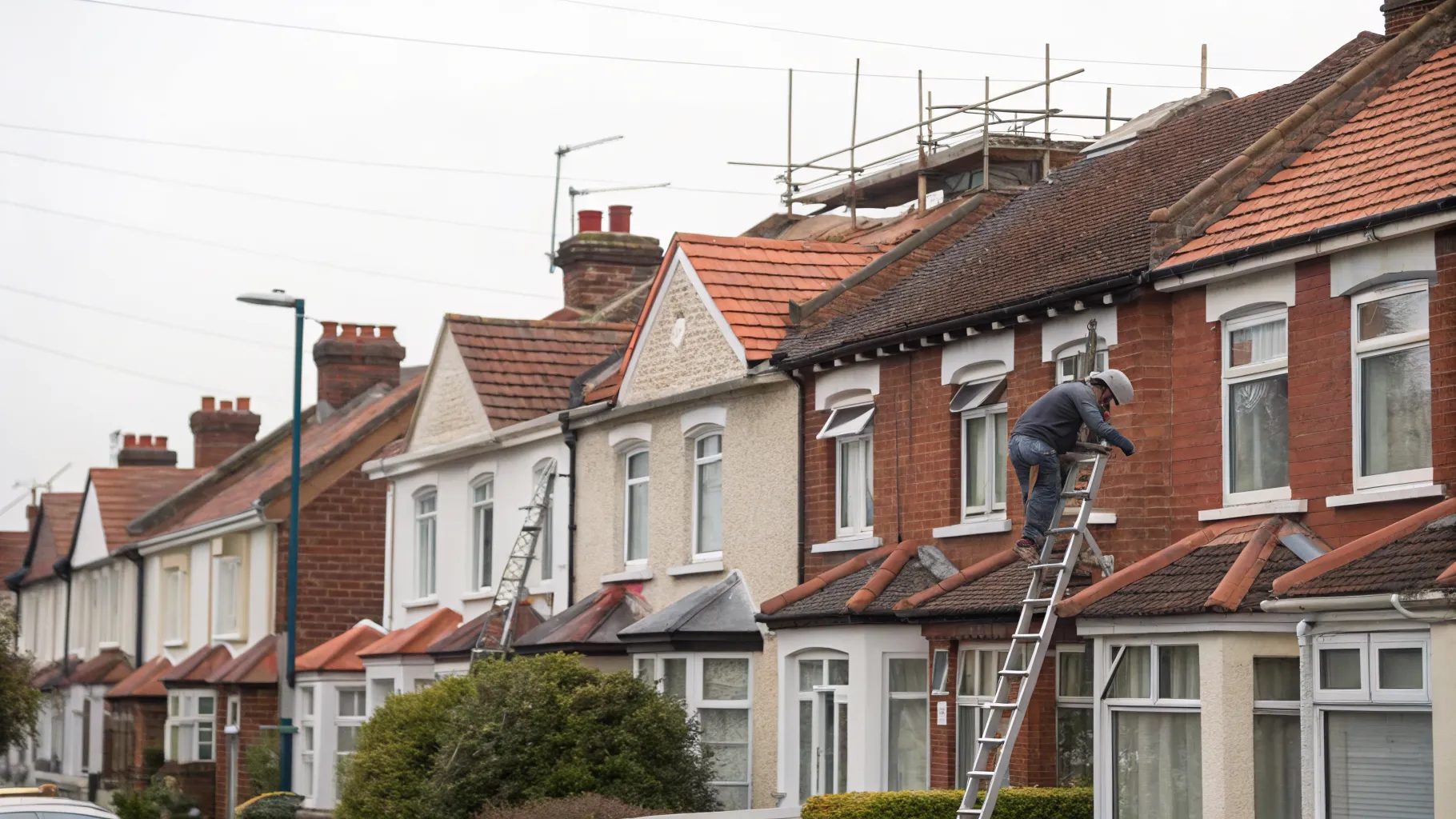
How Much Does a New Roof Cost in the UK in 2026?
What a new roof really costs in the UK in 2026, broken down by house size, material and the hidden extras, plus how to check you are being quoted fairly.
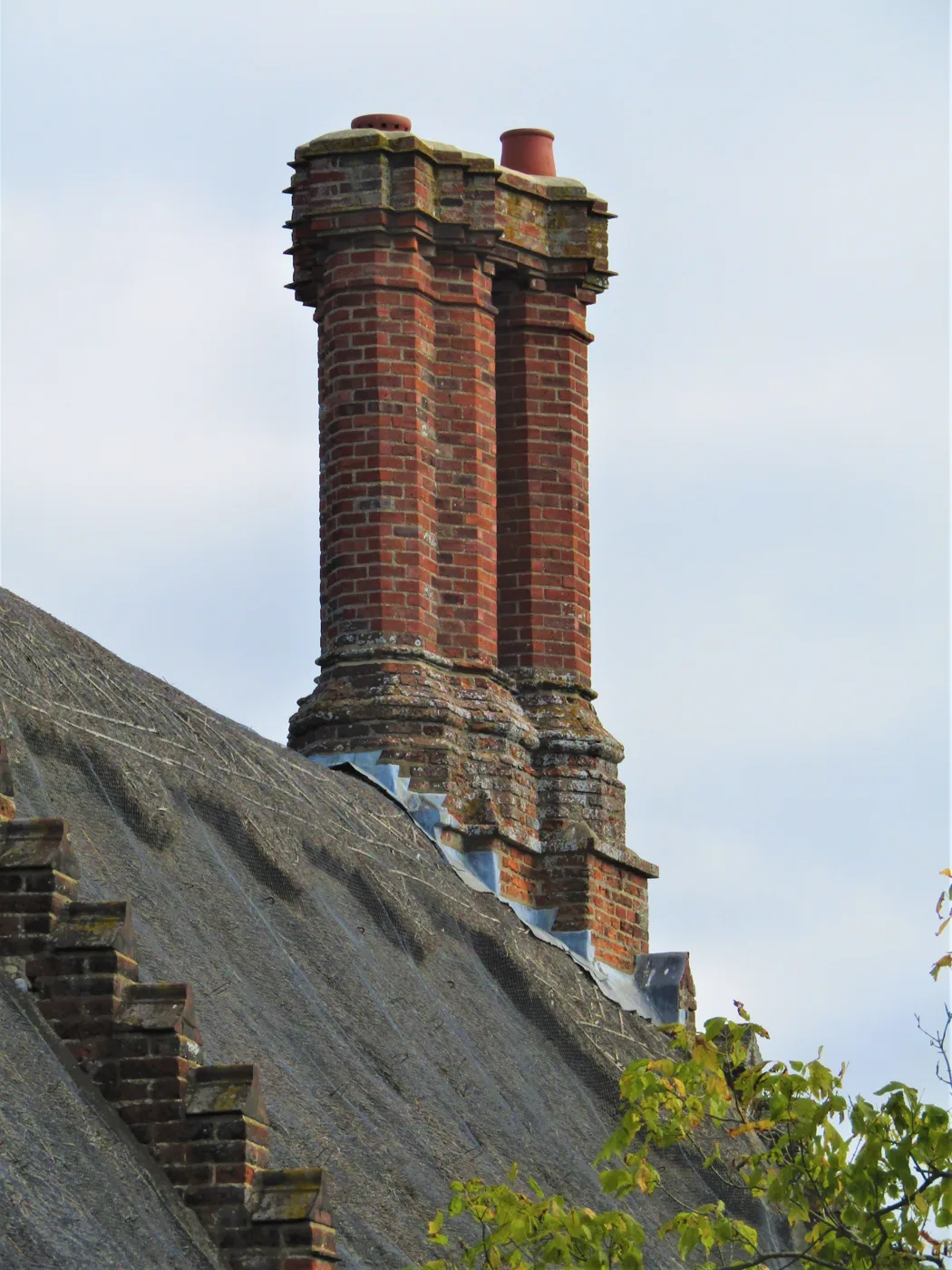
Chimney Repointing and Repair Cost UK (2026)
What chimney repointing cost is in the UK in 2026, why scaffolding drives the price, and how repointing compares to rebuilding, flashing and pot repairs.
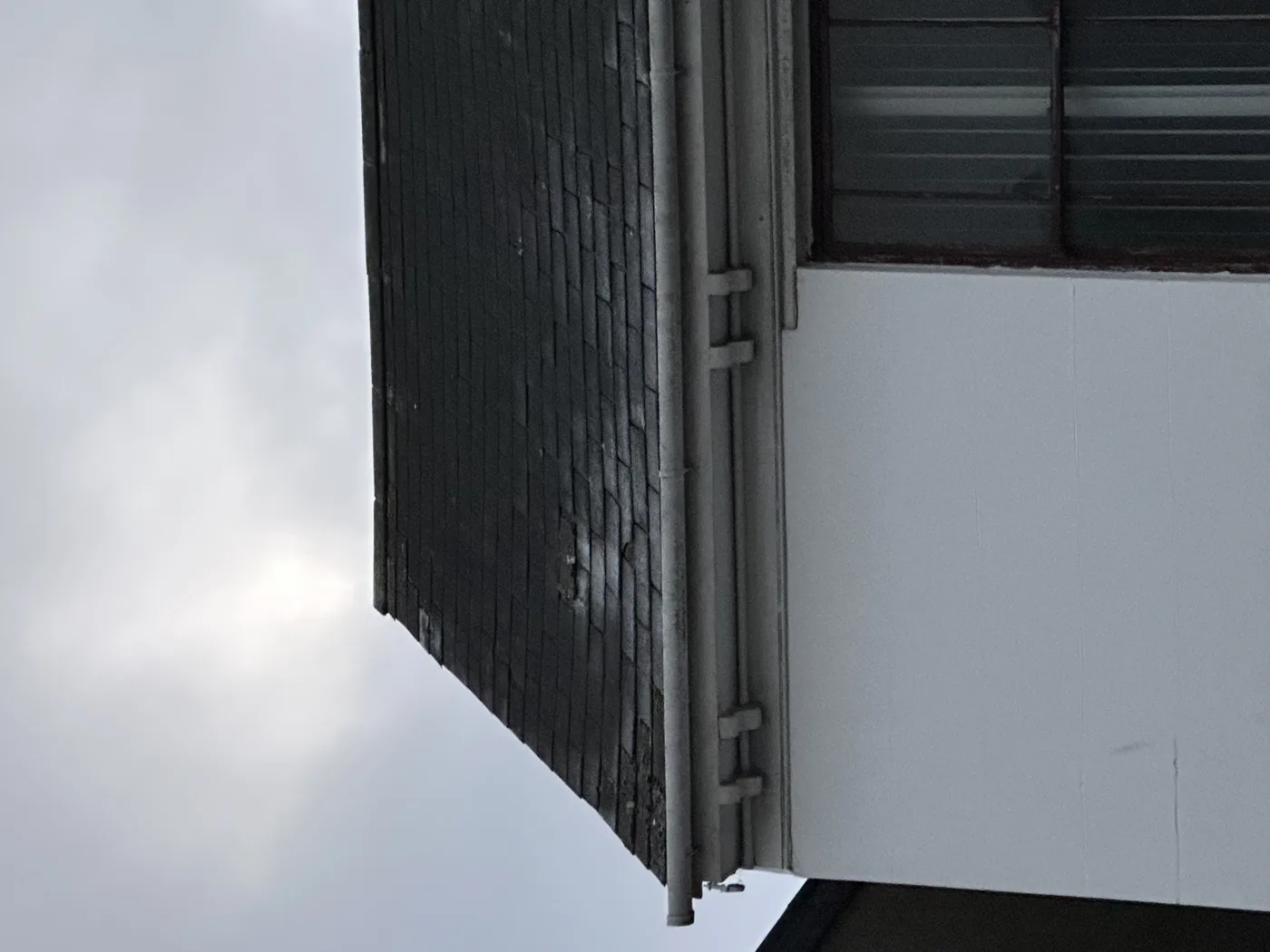
Roof Inspection and Survey Cost UK: What's Checked and the Price
Roof inspection cost UK 2026: what a ground, ladder or drone survey checks, typical prices for each, and when a written roof report is worth paying for.