Emergency Roof Repair: Costs and What to Do Right Now
By the Professional Roofers team
Updated 2026 · Independent cost guide
An emergency roof repair is the visit that stops active damage right now: water pouring through a ceiling, tiles stripped by a storm, a hole letting the weather in. It is not the same as the permanent fix, and treating the two as one job is where people either panic or overpay. The right sequence is simple: make the inside safe, get the roof temporarily weatherproofed, then arrange the proper repair in daylight. This page covers exactly what to do in the first hour, what an emergency call-out typically costs in the UK, and whether your insurer is likely to pay.
What to do in the first hour
Deal with the inside of the house first, because that is where you can act safely.
- Move people and valuables away from the leak, and put down buckets, towels or a container to catch water.
- If water is pooling behind a ceiling (a bulge or brown stain spreading), place a bucket underneath and, only if you can reach safely, pierce a small hole at the lowest point of the bulge with a screwdriver to let the water drain in a controlled way. A slow drip is far better than a collapsing ceiling.
- Kill the risk of electrics. Do not touch light fittings or switches in an affected room, and if water is near wiring or a light, turn off that circuit at the consumer unit.
- Keep clear of sagging, wet plasterboard, which can come down without warning.
Then, and this matters, do not climb onto the roof, especially in or after a storm. Wet tiles and loosened battens are lethal, and most serious roofing injuries happen to homeowners attempting a fix in bad weather. Securing a roof is a job for a roofer with the right access and harness. Our guide on how to find a roof leak helps you describe the problem accurately when you call.
What an emergency roof repair costs
Emergency work is priced differently from a planned repair because of the call-out, the timing, and the fact that the roofer often has to make two visits.
As an indicative guide for the UK in 2026:
| Emergency service | Typical cost range |
|---|---|
| Temporary weatherproofing (tarpaulin, securing loose tiles) | £150 to £400 |
| Emergency call-out and minor repair | £250 to £1,500+ |
| Out-of-hours, night, weekend or bank holiday surcharge | £100 to £300 on top |
These are indicative ranges to sanity-check a quote, not a fixed price. Two things push the figure up: timing, since an antisocial-hours call-out during a storm carries a premium, and access, since anything needing a scaffold tower or working at height around a chimney costs more. The temporary make-safe is usually quoted separately from the permanent repair, which is quoted properly once the roofer can inspect in daylight. For the follow-up job, our roof leak repair cost and roof repair cost UK pages set out the ranges.
The tarpaulin stage: buying time safely
Most emergencies are resolved in two steps. First a roofer fits a tarpaulin or sheet over the damaged area and secures any loose tiles, which stops water getting in. That temporary cover can hold for days or a couple of weeks while the weather settles and a proper repair is scheduled. Trying to skip straight to a permanent fix in driving rain usually means a worse job and a higher bill, so the make-safe first, repair later sequence is standard practice, not an upsell.
Will insurance pay for it?
Sometimes, and it hinges on the cause.
Storm or sudden accidental damage (a tree limb through the roof, tiles ripped off in high winds) is often covered by buildings insurance, including the emergency make-safe. Gradual wear and tear or poor maintenance (an old roof that finally gave way, perished felt, long-standing damp) is usually not covered, because insurers treat that as the homeowner’s responsibility.
Whatever the cause, notify your insurer as soon as possible, ideally before committing to major work, and photograph the damage inside and out before anything is moved or covered. Keep receipts for any emergency make-safe, as most policies expect you to take reasonable steps to prevent further damage and will reimburse a sensible temporary fix. If a storm caused it, the Met Office keeps records of named storms and wind speeds that can support a claim; check the Met Office weather warnings for the date.
Avoiding the storm-chaser trap
After bad weather, opportunist traders knock on doors offering instant roof “repairs” and pressure homeowners into paying cash on the spot. A genuine emergency roofer will make the roof safe, give you a written quote for the permanent work, and not demand a large cash payment upfront. Where you can, use a roofer registered with a recognised trade body such as the National Federation of Roofing Contractors or TrustMark, get the make-safe done, then take your time choosing who does the lasting repair. Our roof replacement questions page lists what to ask before you hand over any money.
Your legal position when a roofer signs you up at the door
This is the part of an emergency roof repair almost nobody explains, and it is the single strongest protection against the storm-chaser above. If you agree the work anywhere other than the trader’s own premises, which includes your doorstep, your kitchen table and the pavement outside, it is an off-premises contract under the Consumer Contracts (Information, Cancellation and Additional Charges) Regulations 2013. Three things follow.
You get 14 days to cancel. Under regulation 30, for a service contract “the cancellation period ends at the end of 14 days after the day on which the contract is entered into”. You do not need a reason and you do not need the trader’s agreement.
If they do not tell you about that right in writing, the clock stretches. Regulation 31 is blunt about it. If the trader supplies the cancellation information later but within 12 months, the period “ends at the end of 14 days after the consumer receives the information”. If they never supply it, the period “ends at the end of 12 months after the day on which it would have ended under regulation 30”. A trader who takes your money at the door and gives you nothing in writing has handed you a cancellation right that runs for more than a year.
Work starting inside the 14 days needs your written request. Under regulation 36, a trader must not start supplying the service before the cancellation period ends unless you make an express request, and for an off-premises contract that request has to be on a durable medium: an email, a signed note, something you both have a copy of. This is exactly the situation an emergency creates, and it is the point where doorstep traders cut corners.
If you do make that request and then cancel, you pay a proportionate amount for what has actually been supplied, not the full contract price. And if the trader never gave you the cancellation information, or never got your proper request before starting, regulation 36 says you bear no charge for the work at all.
What to do with that in practice
An emergency is real and you usually do want the tarpaulin on today. The protection is not a reason to delay the make-safe, it is a reason to insist on paperwork while you agree it:
- Ask for the cancellation notice in writing before anything starts. A legitimate roofer has one; it is a routine document.
- Put your request to start early in an email or a text, and keep it. That is your durable medium, and it is as much your protection as theirs.
- Keep the make-safe and the permanent repair as two separate agreements. Authorise the emergency work today and take the full 14 days over the roof replacement.
- Never pay a large sum in cash on the spot. A proportionate payment for a make-safe is normal; a four-figure deposit handed over on the doorstep is not.
Trading Standards, via the Citizens Advice consumer helpline, is the route if a doorstep trader refuses to honour any of this.
Frequently asked questions
How much does an emergency roof repair cost in the UK? Emergency roof repairs typically range from about £250 to £1,500 or more, depending on the damage and access. A temporary weatherproofing visit to fit a tarpaulin and secure loose tiles usually costs £150 to £400, and out-of-hours or storm call-outs add roughly £100 to £300 on top. These are indicative figures, so always get the permanent repair quoted separately once the roof is inspected in daylight.
What should I do first if my roof is leaking? Deal with the inside first: move valuables, catch the water in buckets, and if a ceiling is bulging, pierce a small hole at the lowest point to drain it safely. Avoid touching light fittings or wiring in affected rooms and stay clear of sagging plasterboard. Do not climb onto the roof, especially in bad weather. Call a roofer to make it safe.
Should I put a tarpaulin over my roof myself? No, not on the roof itself. Getting onto a wet or storm-damaged roof is extremely dangerous because tiles and battens can be loose. Securing a tarpaulin is a job for a roofer with proper access and safety equipment. From inside, you can safely catch water and protect belongings while you wait.
Does home insurance cover emergency roof repairs? It often covers sudden, accidental damage such as storm damage or a tree falling on the roof, including the emergency make-safe. It usually does not cover leaks caused by wear and tear or poor maintenance. Notify your insurer promptly, photograph the damage, and keep receipts for any temporary work.
How quickly can a roofer come out for an emergency? Many roofers offer same-day or out-of-hours emergency call-outs, though response times stretch during widespread storms when demand spikes. The first visit is usually a make-safe to stop water getting in, with the full repair scheduled once conditions allow a proper inspection.
Can I cancel an emergency roof repair I agreed on the doorstep? Yes. Agreeing work at your home rather than at the trader’s premises makes it an off-premises contract under the Consumer Contracts Regulations 2013, which gives you 14 days to cancel without a reason. If the trader never gave you that cancellation information in writing, the period runs for up to 12 months longer. If work started inside the 14 days without your express request on a durable medium, such as an email, you may owe nothing for it at all.
Is emergency roof repair more expensive than a normal repair? Yes, generally. You are paying for a rapid or out-of-hours call-out, often two visits (make-safe then repair), and any access equipment. Weekend, night and bank holiday visits carry a surcharge. The permanent repair itself is usually priced at normal rates once it can be done in daylight.
Want costs like this each month?
Join the Roofline brief for current UK prices and quote-reading tips.
More from Professional Roofers
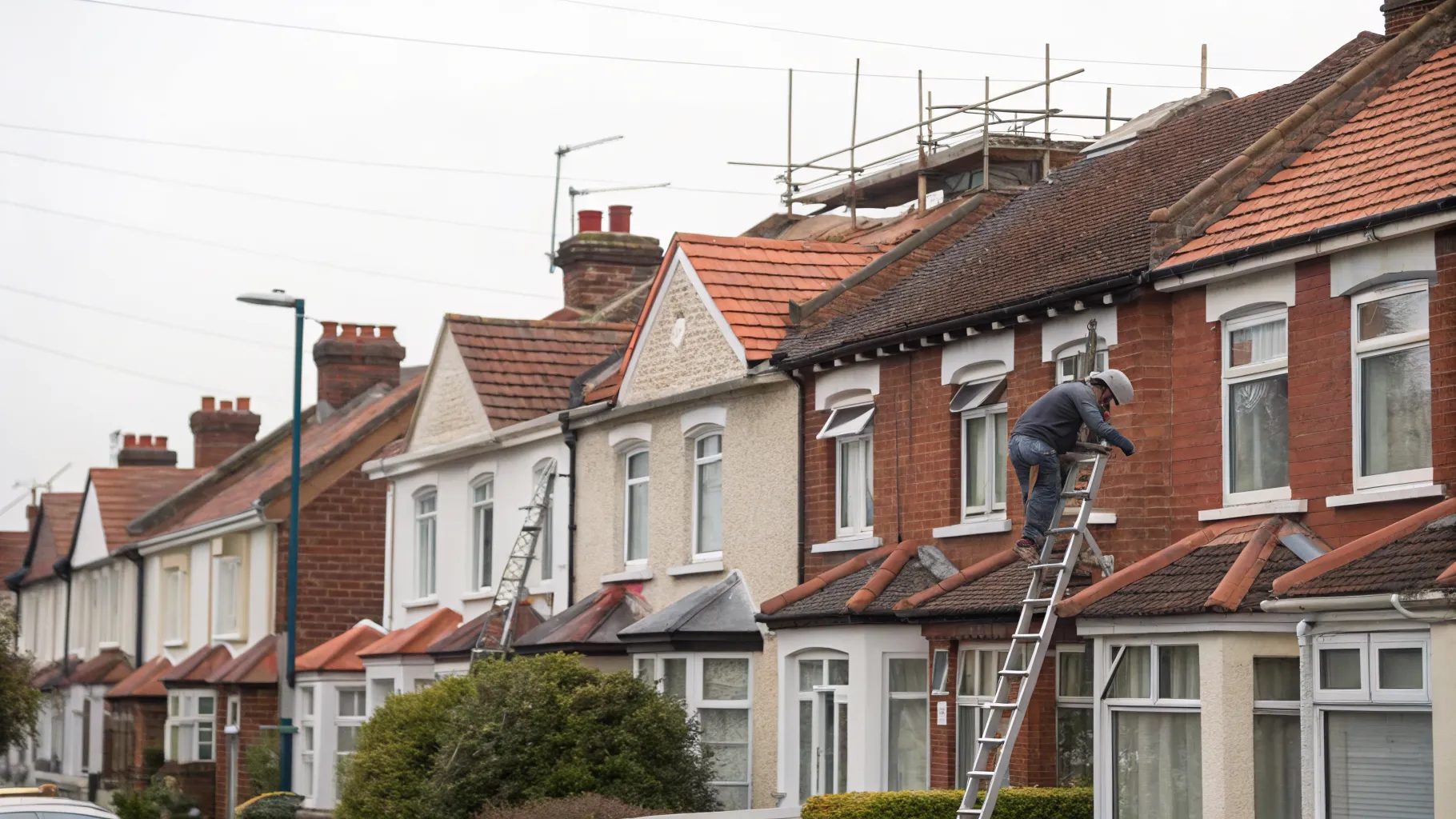
How Much Does a New Roof Cost in the UK in 2026?
What a new roof really costs in the UK in 2026, broken down by house size, material and the hidden extras, plus how to check you are being quoted fairly.
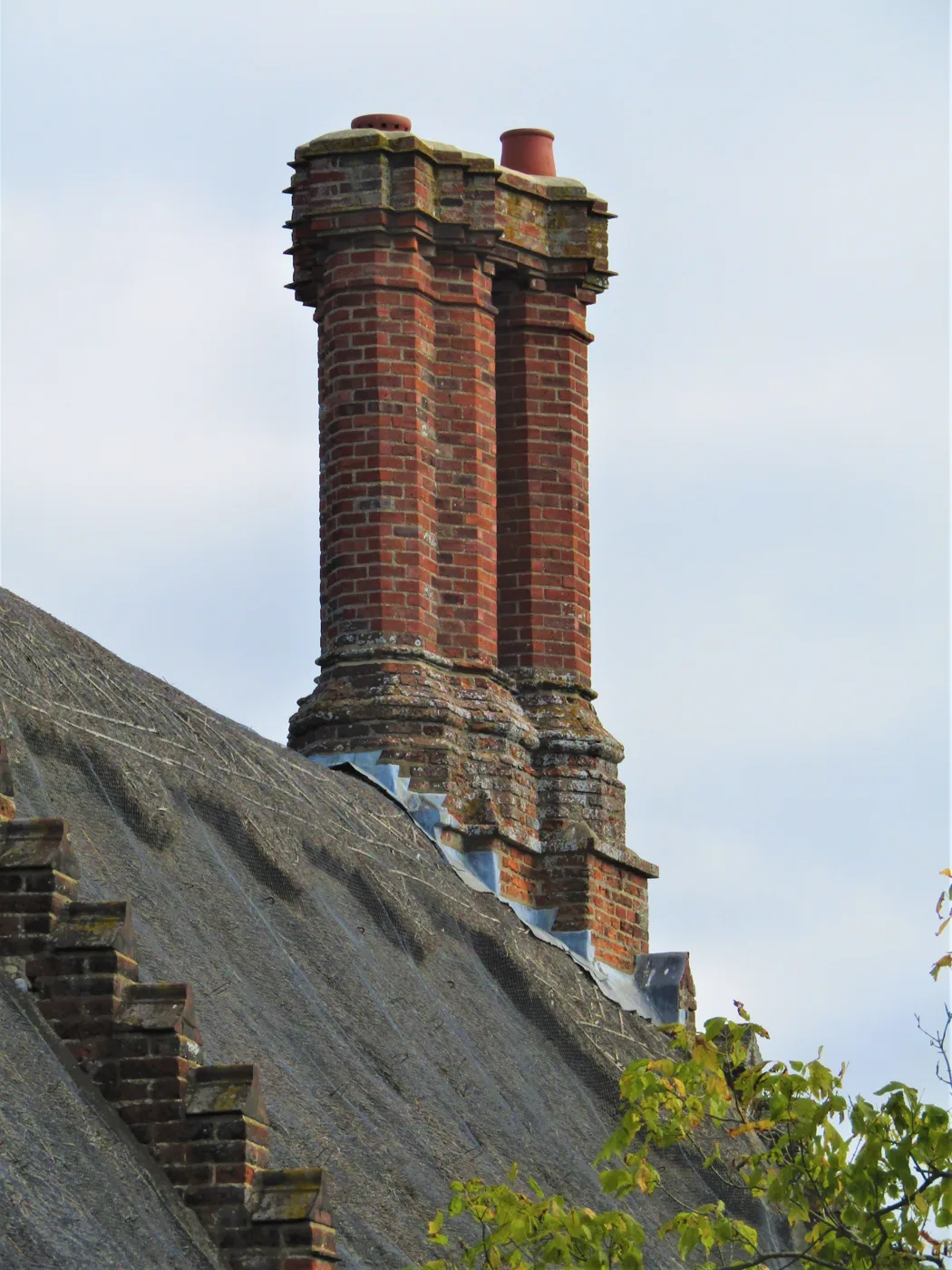
Chimney Repointing and Repair Cost UK (2026)
What chimney repointing cost is in the UK in 2026, why scaffolding drives the price, and how repointing compares to rebuilding, flashing and pot repairs.
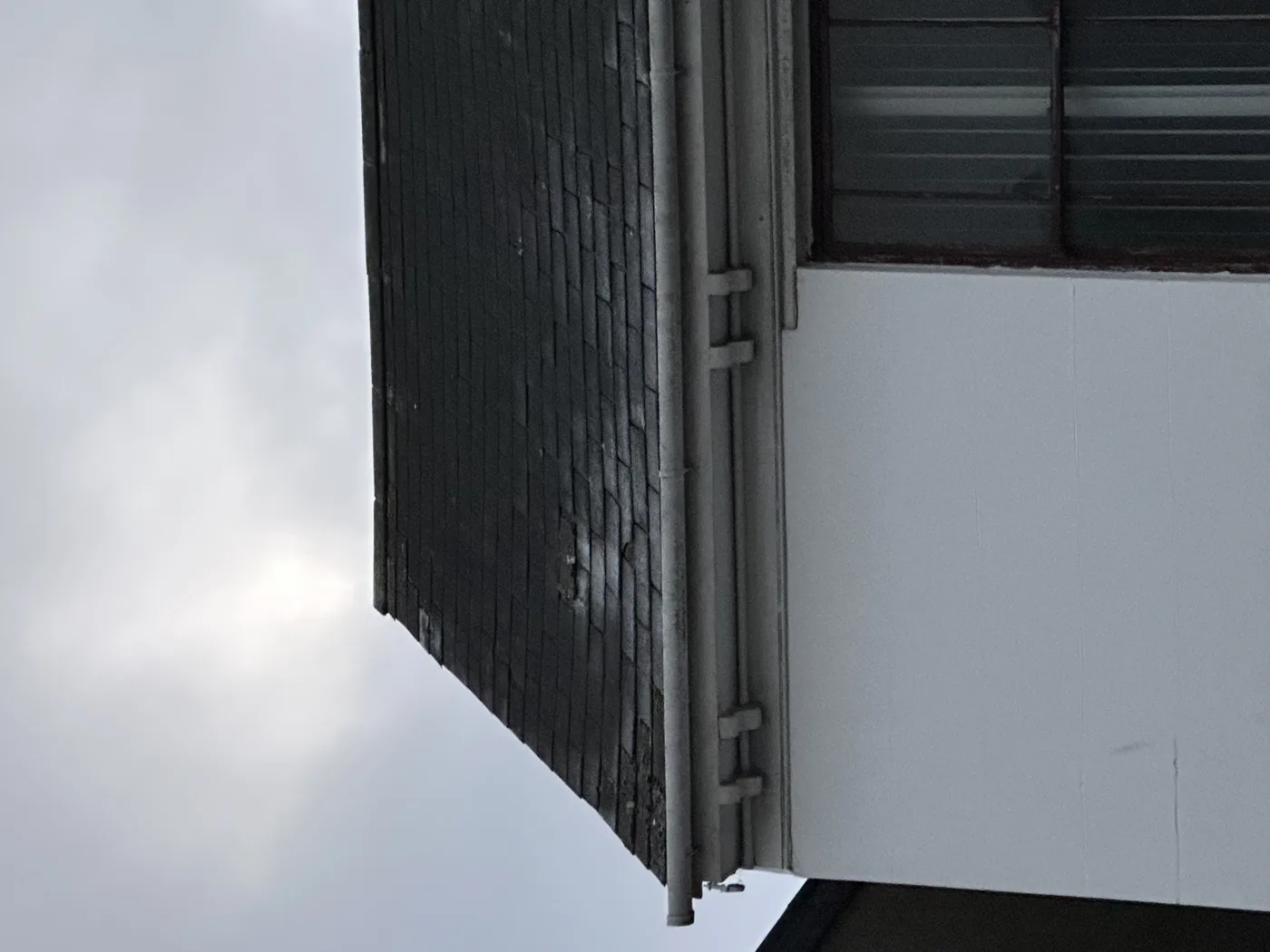
Roof Inspection and Survey Cost UK: What's Checked and the Price
Roof inspection cost UK 2026: what a ground, ladder or drone survey checks, typical prices for each, and when a written roof report is worth paying for.