Spray Foam Roof Insulation: 8 Lenders Named as Open to Lend
By the Professional Roofers team
Updated 2026 · Independent cost guide
Three things from the past week for anyone with a roof to look after. The government has published its first guidance for homeowners with spray foam insulation under the roof, Storm Austen is bringing the first serious gales of the autumn to the south and south-west, and the new-home warranty body has set out its building standards for 2027.
Spray foam: the government names the lenders that will consider it
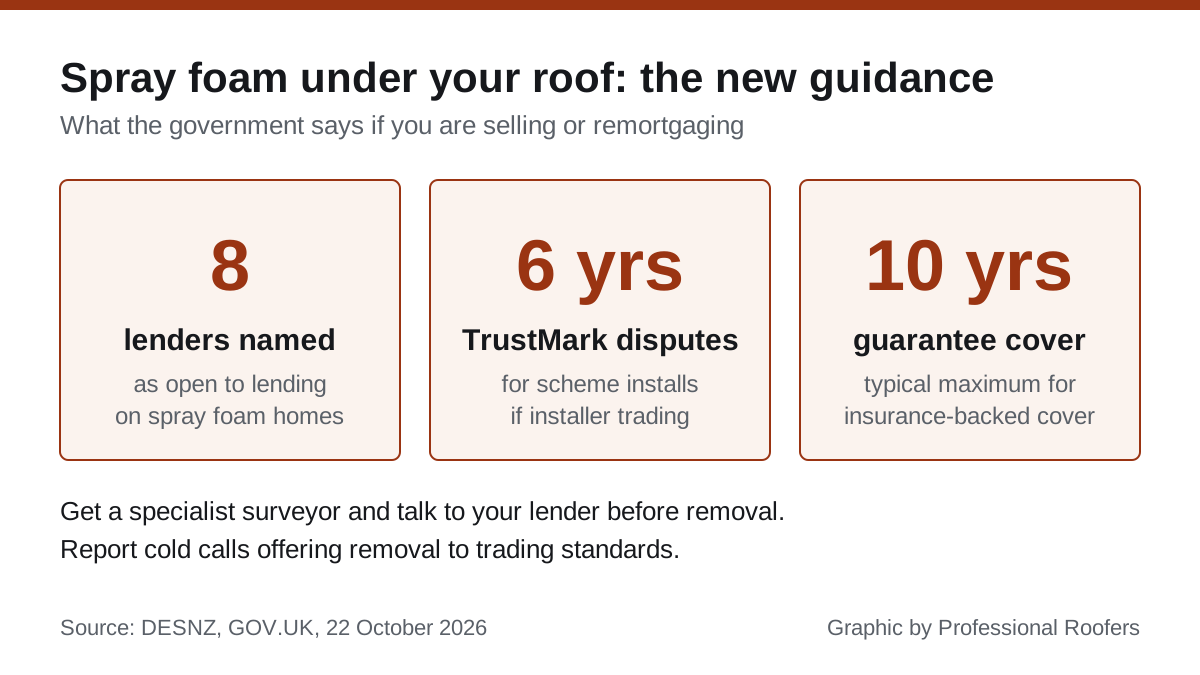
On 22 October the Department for Energy Security and Net Zero published guidance for homeowners who have spray foam insulation, the expanding foam sprayed onto the underside of a roof, and who are selling or remortgaging. Spray foam has made some homes hard to sell or borrow against, partly because surveyors cannot see the roof timbers behind it. The guidance names eight lenders it says are open to lending on homes with spray foam, subject to their own requirements: Nationwide, Lloyds, Santander, Barclays, NatWest, Coventry Building Society, The Co-operative Bank and HSBC.
It also sets out who to go to if the installation is faulty. Spray foam fitted under a government scheme since 2020 must have been installed by a TrustMark-registered firm; if the work is less than six years old and the installer is still trading, use TrustMark’s dispute process through the installer and their scheme provider, then the Dispute Resolution Ombudsman. If the installer has gone, claim on the insurance-backed guarantee, which typically runs for up to 10 years; TrustMark can tell you who provides it if you have lost the paperwork. For older installations, look for a guarantee, scheme or quality mark in the original paperwork and contact that organisation.
Two warnings in the guidance are worth reading twice. Removing the foam does not guarantee a lender will then lend, and removing it badly can cause more problems, so take advice from a specialist surveyor (the Property Care Association has a find-a-specialist tool) and talk to your lender before anyone touches it. And the growth of the removal trade has brought cold calls offering to remove spray foam: report them to trading standards, and if you think your installer passed your details to a removal firm, complain to the Information Commissioner’s Office. TrustMark itself has a new chief executive, Guy Thompson, who joins on 2 November. Our loft and roof insulation guide and roof ventilation guide explain why trapped moisture is the worry with foam. Sources: GOV.UK and Roofing Today.
Storm Austen: check the roof, then be wary of the knock at the door
The Met Office issued an amber wind warning on 21 October for Cornwall, the Isles of Scilly and parts of west Devon as Storm Austen approached, with gusts of 60 to 70mph possible, and a wider yellow wind warning across southern areas from Thursday evening into Friday. The amber warning in force on 22 October covers parts of Cornwall, Devon, Plymouth and the Isles of Scilly from midnight to 9am on Friday 23 October. Winds are expected to ease through Friday afternoon, with more strong winds likely in the north over the weekend.
The National Federation of Roofing Contractors (NFRC) warned on 22 October that rogue traders target storm-hit streets once the wind drops. It lists the faults to look for from the ground: broken interlocking tiles, which show up as a patch that looks different from the rest of the roof; dry verge units blown loose at the gable end; loose flashings, slates and tiles; and blocked hoppers and gutters. Its advice is to find a roofer only through the NFRC directory, check that the company name, address and phone number match the entry, never agree to work on the doorstep, and get more than one quote.
If a tile or slate has come off, keep people away from that side of the house and photograph the damage before anything is moved, because your insurer will want to see it. A small repair after a storm does not usually mean a new roof, whatever the man at the door says. Our guides to storm damage roof repair, emergency roof repairs, roof verge repair costs and what home insurance covers take you through the next steps. Sources: Met Office and Roofing Today.
NHBC’s 2027 standards add a chapter for homes by the sea
The National House Building Council (NHBC) announced on 21 October that the 2027 edition of its Technical Standards, the rules new homes must meet to carry its warranty, will be released in January 2027. They apply to every NHBC-registered home whose foundations are started on or after 1 January 2027. The headline change is a new chapter, 3.4 Coastal Locations, on choosing materials that last in salt-laden coastal air, which can speed up deterioration. Only 5.6% of clauses take a new technical position; most changes tidy the wording and bring it into line with the latest British Standards.
If you are buying a new build near the coast, this is a fair question for the developer: which edition of the NHBC Standards was the home built to? For homes started before 2027 there is no coastal chapter, so ask what fixings, flashings and ridge and verge systems were used. Our guides to roofing guarantees and warranties and dry ridge versus mortar ridge cover what to check. Source: Roofing Today.
Want costs like this each month?
Join the Roofline brief for current UK prices and quote-reading tips.
More from Professional Roofers
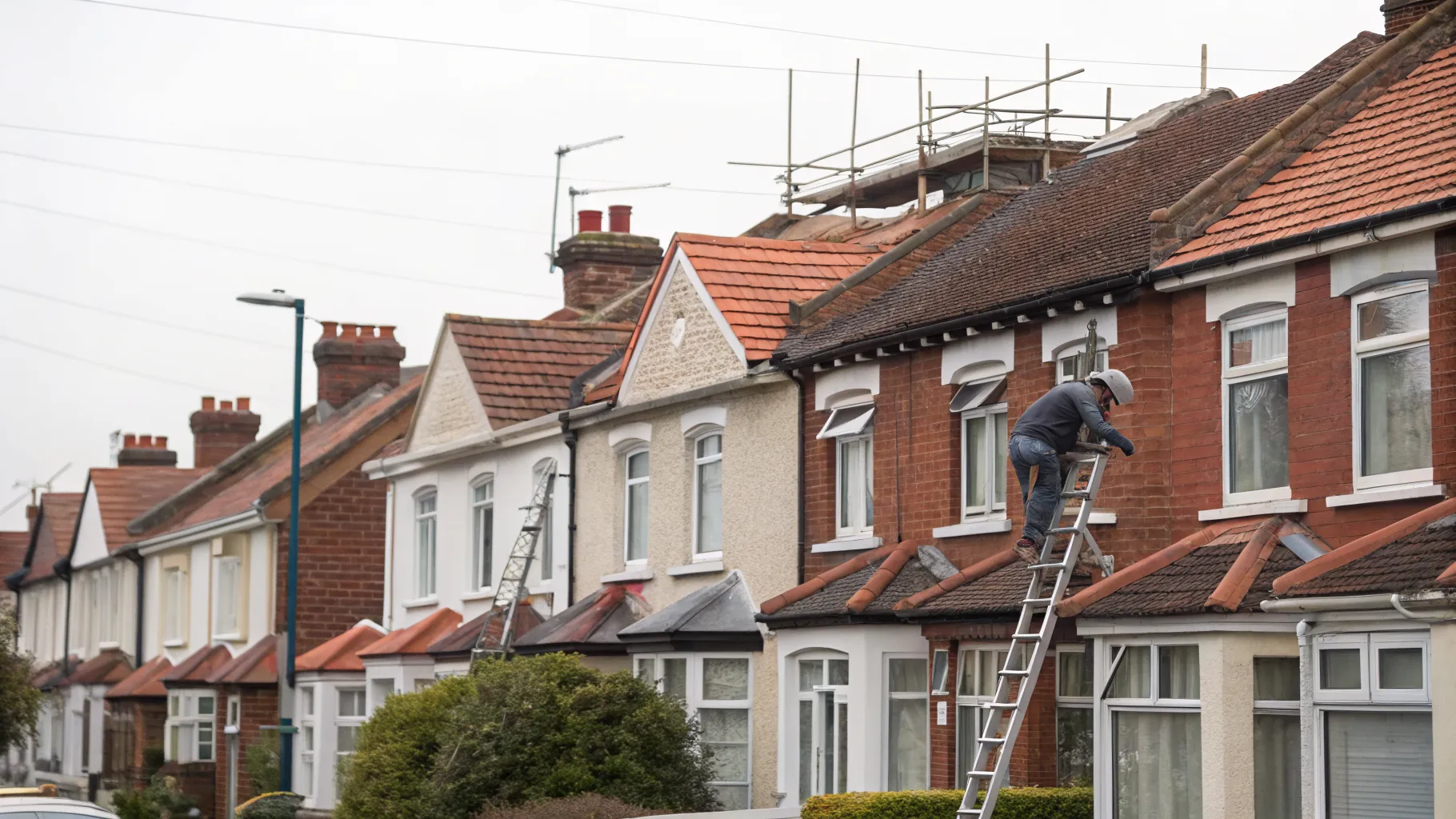
How Much Does a New Roof Cost in the UK in 2026?
What a new roof really costs in the UK in 2026, broken down by house size, material and the hidden extras, plus how to check you are being quoted fairly.
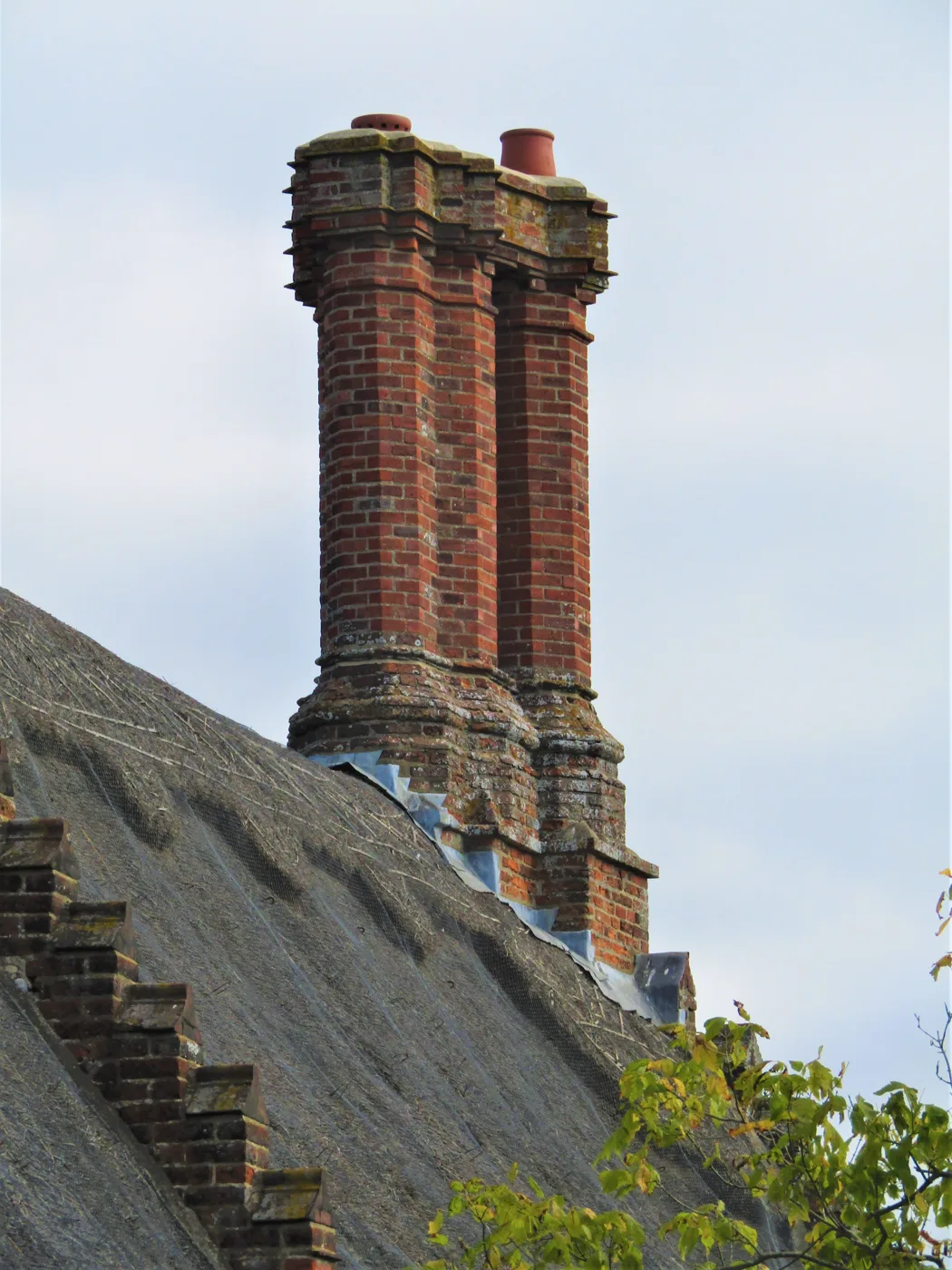
Chimney Repointing and Repair Cost UK (2026)
What chimney repointing cost is in the UK in 2026, why scaffolding drives the price, and how repointing compares to rebuilding, flashing and pot repairs.
Roof Inspection and Survey Cost UK: What's Checked and the Price
Roof inspection cost UK 2026: what a ground, ladder or drone survey checks, typical prices for each, and when a written roof report is worth paying for.