Roof Verge Repair Cost: Scaffold Beats the Verge Bill
By the Professional Roofers team
Updated 2026 · Independent cost guide
Roof Verge Repair Cost UK (2026)
The roof verge repair cost most UK homeowners face in 2026 runs to roughly £35 to £75 per linear metre supplied and fitted, which on a typical semi works out at a few hundred pounds of actual verge work. Then the scaffold arrives and, on anything two storeys or higher, often costs as much again or more. That is the single most useful thing to understand before you take a quote apart: the verge is rarely the expensive part of a verge job.
These are indicative ranges, not a quote. Nobody prices a gable edge properly without looking at it.
What the verge is, and why it fails first
The verge is the edge of the roof at a gable end, where the tiles overhang the wall and are finished against a barge board. Traditionally the last tile in each course is bedded on a strip of mortar sitting on an undercloak, which both weathers the joint and holds the tile down.
That mortar is the most exposed line of material on the whole roof. It sits at the windward edge, it is thin, and it moves with the timber behind it. When it cracks, the failure is not gradual. Wind gets under the lifted edge of the tile, the pressure differential does the rest, and a gable verge can shed a run of tiles in a single storm. Every roofer in Britain sees more storm damage at the verge than anywhere else on a pitched roof.
Two things follow. Cracked verge mortar is worth acting on before winter rather than after, and a verge that has already lost tiles usually needs the whole run addressed, not the two tiles that fell.
The rule that changed both options
If a roofer tells you mortar on its own is no longer good enough, they are right, and the reason is BS 5534:2014+A2:2018, the British Standard code of practice for slating and tiling. The 2014 revision was the biggest change to UK roof fixing practice in decades, and roofing work from 2015 onwards has been expected to follow it.
The core of it, as tile manufacturer Marley puts it in its own technical guidance, is that “traditional methods of fixing tiles and fittings with mortar are no longer sufficient on their own” and “all tiles and fittings on a modern pitched roof must now be mechanically fixed, which can be with or without mortar”.
So the honest comparison is not mortar against dry verge. It is:
- Mechanically fixed tiles with a mortar bed, where the mortar weathers the joint and the nail or clip holds the tile.
- A dry verge system, interlocking caps that clip or screw over the edge tile and the batten ends, with no mortar at all.
A re-bed that simply pushes fresh mortar under unfixed tiles is not compliant work, and it is also the version that fails again.
One caveat the standard itself makes, and which matters on older houses: BSI notes that the recommendations “might not be appropriate for the re-slating or re-tiling of some old roofs, particularly where traditional and/or reclaimed materials are used”. On a listed building or a hand-made clay roof, a conservation-appropriate detail can be the right answer. On an ordinary interwar or postwar house, it is not an excuse.
Dry verge has its own standard now as well. BS 8612:2018, published in January 2018, was the first specification of its kind and sets performance and test requirements for dry-fixed ridge, hip and verge systems. Ask whether the system being fitted is tested to BS 8612. The cheap unbranded caps sold online generally are not.
Which lasts longer
On lifespan the answer is not close, and it is not really about the material.
A mortar verge on a modern roof, correctly done with mechanically fixed tiles, will typically want attention somewhere in the 10 to 20 year range, sooner on an exposed or south-west facing gable. Mortar is a maintenance item. It always has been.
A BS 8612 dry verge system is designed to last as long as the tiles, because there is nothing in it that shrinks, cracks or washes out. The realistic failure modes are UV degradation of cheap plastic over a couple of decades and, more commonly, poor installation: caps not engaged, the starter unit missing, or fixings into split batten ends.
The appearance argument goes the other way. Dry verge on a period property, particularly in black plastic against clay tiles, looks like what it is. On a plain concrete-tiled semi it is close to invisible from the pavement. Look at a fitted example on a similar roof before deciding, not at a product photo.
How many metres of verge you actually have
Per-metre quotes are only useful if you know how many metres you are buying, and most people badly underestimate it because a gable rake is longer than the wall beneath it. The rake length is half the roof span divided by the cosine of the pitch, doubled for the two sides of the gable.
| Roof span | 30° pitch | 35° pitch | 40° pitch | 45° pitch |
|---|---|---|---|---|
| 7.0m | 8.1m | 8.5m | 9.1m | 9.9m |
| 8.0m | 9.2m | 9.8m | 10.4m | 11.3m |
| 9.0m | 10.4m | 11.0m | 11.7m | 12.7m |
One gable on an average 8 metre span at a 40 degree pitch is about 10.4 linear metres. A semi has one gable. A detached house has two, so roughly 21 metres. A mid-terrace normally has none, which is why terraces get parapet and valley problems instead.
Run that against the rate and the picture is clear. At £35 to £75 per metre, one gable is roughly £360 to £780 of verge work, and a detached pair is roughly £730 to £1,560. Those are real numbers but they are not the whole bill.
Where the money actually goes
Materials for the dry verge units themselves are a small fraction of the total, in the region of £10 to £25 per linear metre depending on whether they are uPVC or aluminium. Labour, removal of the old mortar, an undercloak if one is needed, and disposal make up most of the fitted rate.
And then there is access. A gable verge cannot be reached safely from a ladder on a two-storey house, because the work runs the full rake from eaves to ridge and needs both hands. That means a scaffold or a tower, and on a two-storey gable the access can easily match or exceed the cost of the verge work itself. Our roof scaffolding cost page has the ranges.
Three consequences worth acting on:
- Choosing between mortar and dry verge barely moves the total on a two-storey house, because the fixed access cost dominates. Choose on lifespan and appearance, not on the per-metre difference.
- Bundle everything that needs the same scaffold. If the verge needs work, get the ridge, the flashing, the gutters and the fascias and soffits inspected at the same time. Paying for the same scaffold twice in three years is the most common avoidable cost in domestic roofing.
- A bungalow verge is a genuinely small job. Single storey, tower access, one gable: this is the one case where the verge really is most of the bill.
What a good quote looks like
A verge quote you can rely on will say, in writing:
- The number of linear metres, and which gables.
- Whether tiles are being mechanically fixed as well as bedded, or whether a dry verge system is being fitted, and if so which system and whether it is tested to BS 8612.
- Whether a new undercloak is included.
- Access: scaffold or tower, how many lifts, how long it stays, and whether the hire period is included or charged separately.
- Whether the old mortar is being fully removed or only raked back.
If the quote is one line and a number, it is not a quote, it is a guess. Our guide to reading a roofing quote covers the rest of it, and questions to ask a roofer covers the conversation.
One last thing that is easy to overlook. Marley’s own guidance notes that failing to comply with BS 5534 “can cause some third-party insurance companies to refuse cover for the roof and even the overall property”. If you have had storm damage at the verge before, keep the paperwork showing the repair was done to the current standard. It is the cheapest insurance argument you will ever win.
Frequently asked questions
How much does roof verge repair cost in the UK? Broadly £35 to £75 per linear metre supplied and fitted, so one gable on an average semi is roughly £360 to £780 of verge work. Access is the variable that moves the total most: on a two-storey gable the scaffold can cost as much as the verge work, while a bungalow done from a tower is a genuinely small job. Treat any per-metre figure as meaningless until you know how many metres and what access is included.
Is dry verge better than mortar? For lifespan, yes. A dry verge system tested to BS 8612 has nothing in it that shrinks or washes out, so it should last as long as the tiles, whereas mortar is a maintenance item that typically wants attention every 10 to 20 years. For appearance on a period property, mortar or a cloaked verge usually looks better. Since BS 5534 requires the tiles to be mechanically fixed either way, the cost difference between the two is smaller than most people expect.
Can I just re-point the cracked mortar at the verge? Only if the tiles underneath are already mechanically fixed and still sound. Pushing new mortar into a failed bed under unfixed tiles is not compliant with BS 5534 and it fails again, usually within a couple of winters. If the tiles are loose, the run needs lifting and re-bedding or converting to dry verge.
Do I need scaffolding for verge work? On a two-storey house, effectively yes. The verge runs the full rake from eaves to ridge, the work needs both hands, and a ladder against a gable edge is not a safe working platform for it. A bungalow or a low single-storey extension can often be done from a tower. Ask for the access to be itemised separately so you can see what you are paying for.
How long does a dry verge system last? It should last the life of the tiles, which on concrete is usually several decades. The realistic risks are UV degradation of low-grade plastic and, far more often, bad installation: missing starter units, caps not properly engaged, or fixings driven into split batten ends. Ask whether the system is tested to BS 8612, which since 2018 has set performance and test requirements for exactly these products.
Does verge work need building regulations approval? A like-for-like verge repair on an existing roof does not. Building regulations become relevant when you re-cover a significant proportion of the roof, which brings thermal and structural requirements into play. Our page on planning permission and building regs for a new roof sets out where the line falls.
Want costs like this each month?
Join the Roofline brief for current UK prices and quote-reading tips.
More from Professional Roofers
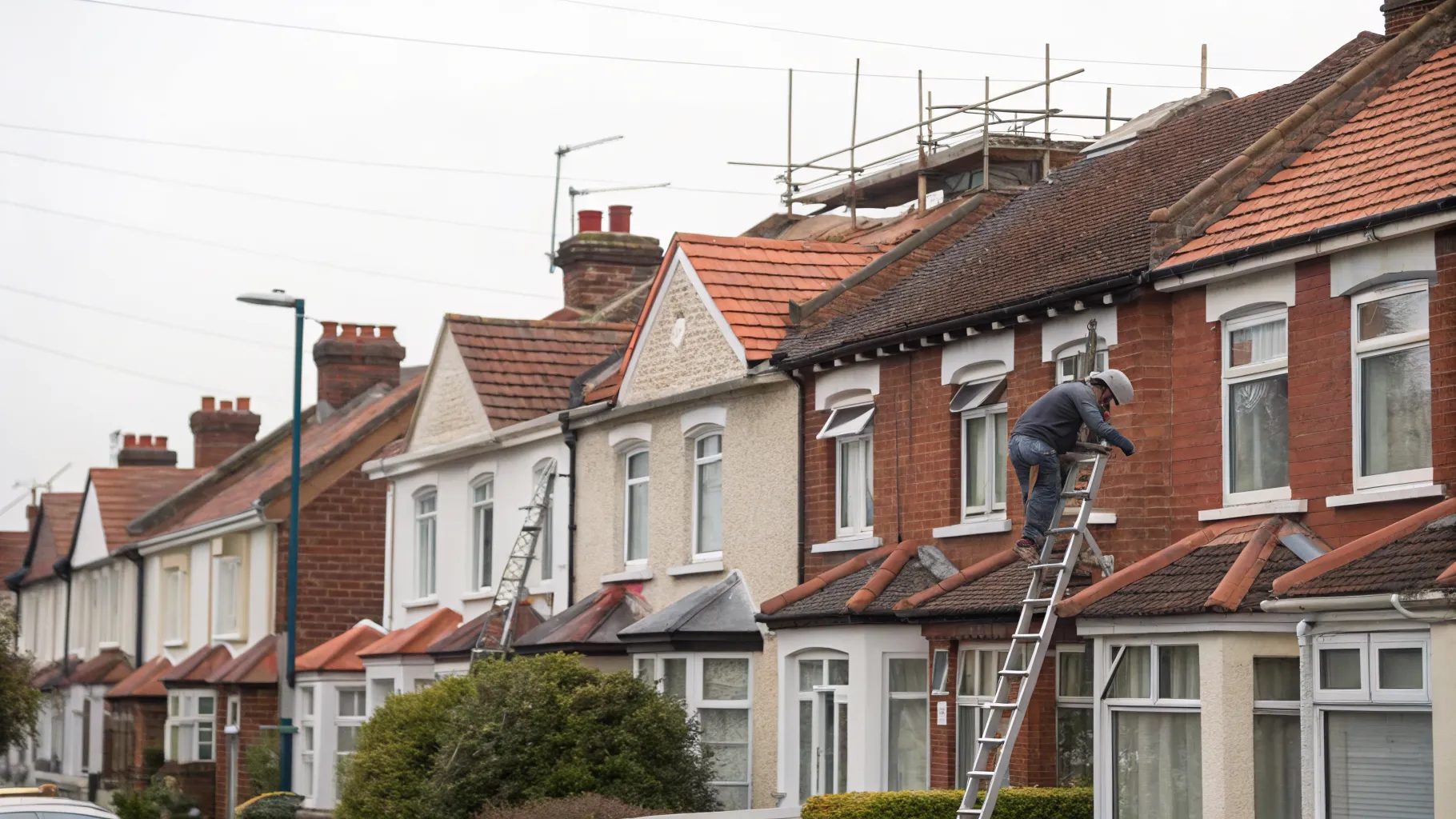
How Much Does a New Roof Cost in the UK in 2026?
What a new roof really costs in the UK in 2026, broken down by house size, material and the hidden extras, plus how to check you are being quoted fairly.
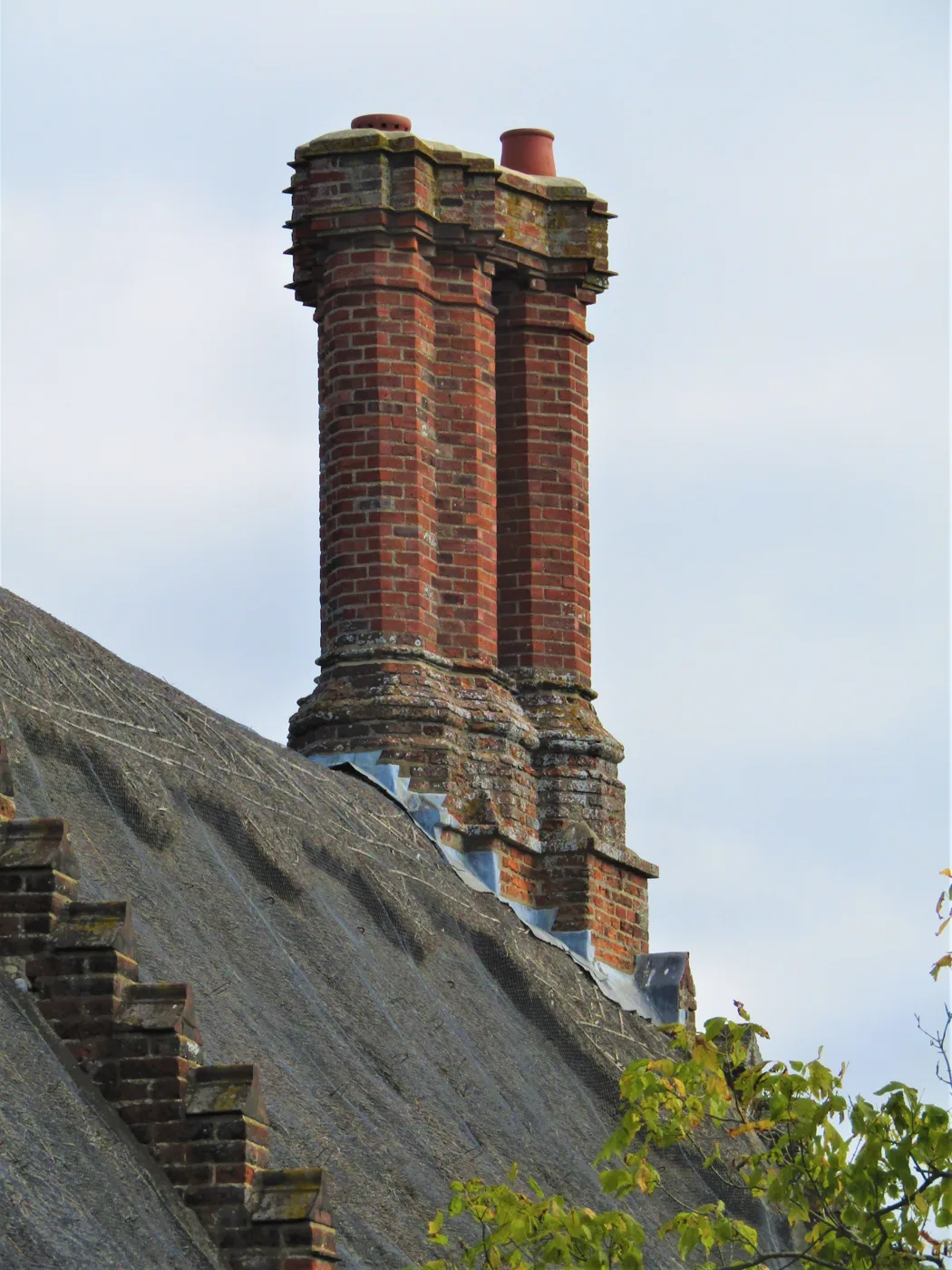
Chimney Repointing and Repair Cost UK (2026)
What chimney repointing cost is in the UK in 2026, why scaffolding drives the price, and how repointing compares to rebuilding, flashing and pot repairs.
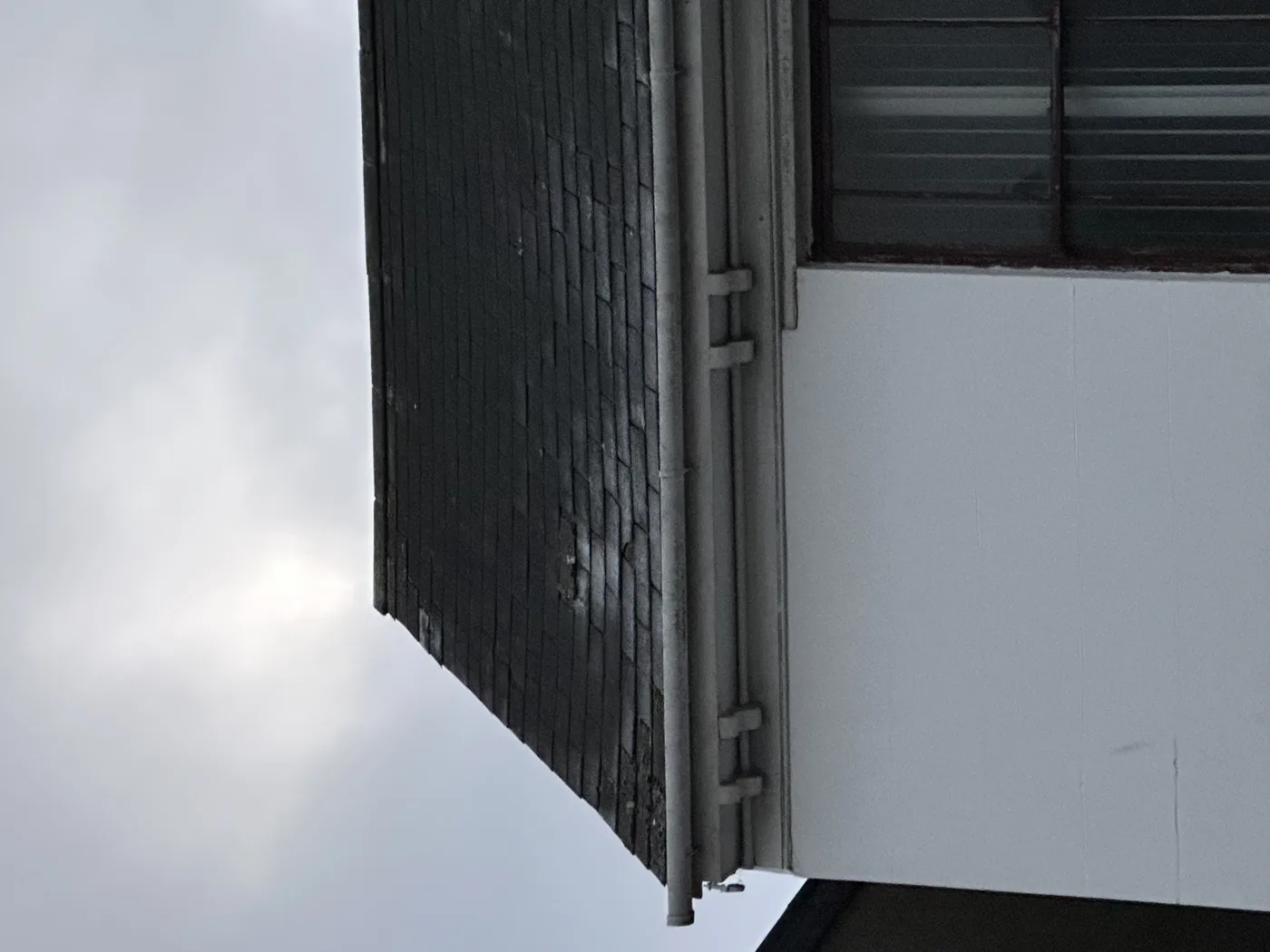
Roof Inspection and Survey Cost UK: What's Checked and the Price
Roof inspection cost UK 2026: what a ground, ladder or drone survey checks, typical prices for each, and when a written roof report is worth paying for.