Ridge Tile Repair and Re-Bedding Cost UK (2026)
By the Professional Roofers team
Updated 2026 · Independent cost guide
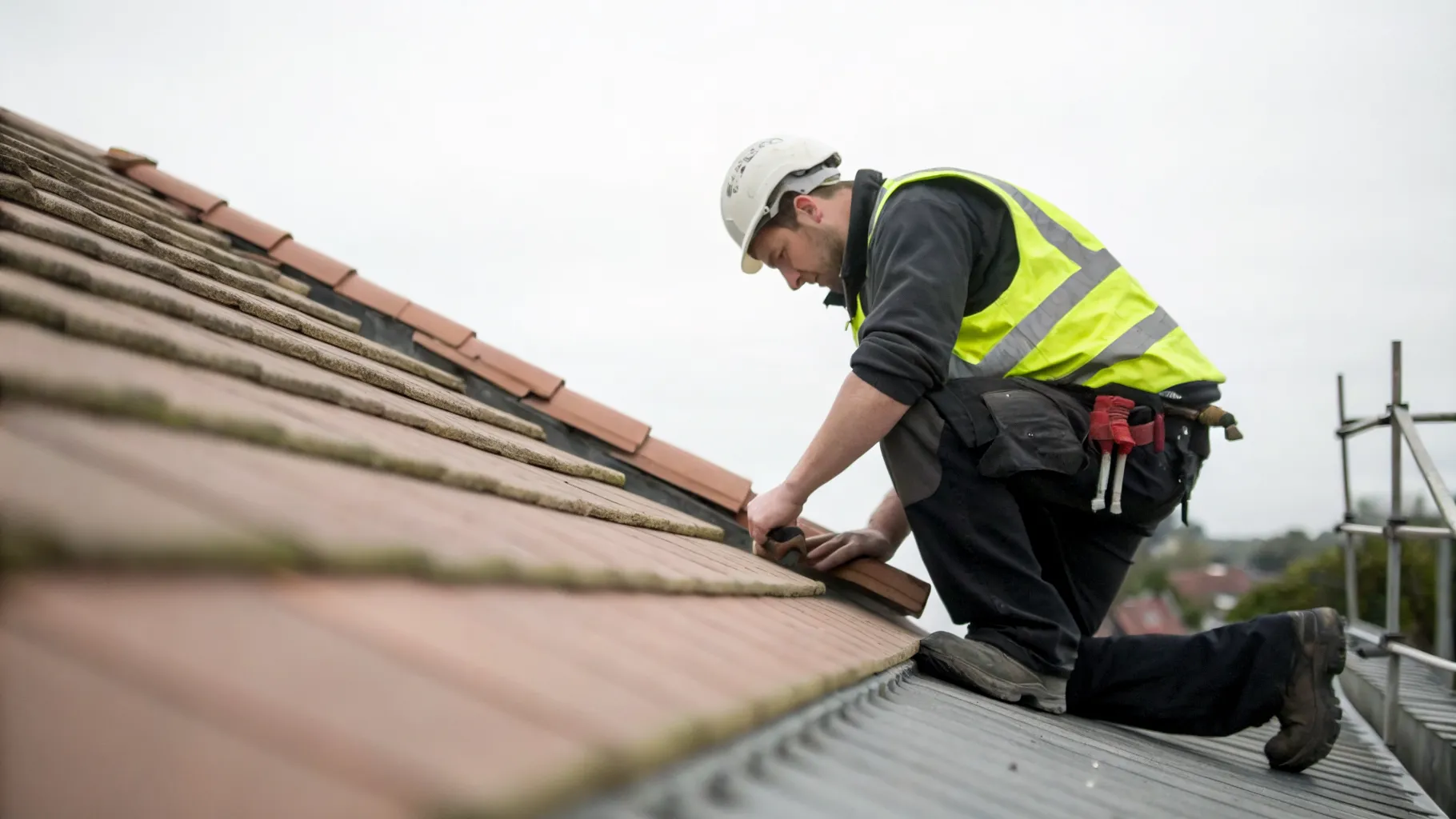
Ridge Tile Repair and Re-Bedding Cost UK (2026)
The ridge tile repair cost for most UK homes in 2026 falls between £300 and £800, with a small repoint at the lower end and a full re-bed of the ridge line nearer the top. The ridge is the line of tiles capping the very top of your roof, and when the mortar holding it cracks or a tile works loose, water gets in fast. This guide gives the real numbers for repointing, re-bedding and switching to a dry ridge system, and explains the one factor, access, that decides whether you pay hundreds or over a thousand.
These are indicative ranges. No honest roofer prices ridge work without inspecting the roof, so treat the figures as a guide, not a quote.
Repointing vs re-bedding: the difference that sets the price
These two terms get used loosely, but they are different jobs at different prices.
- Repointing rakes out the old, cracked mortar between and around the ridge tiles and replaces it with fresh mortar, leaving the tiles themselves in place. It is the cheaper fix and right when the tiles are still sound and well bonded.
- Re-bedding lifts the ridge tiles off completely, removes the old mortar bed underneath, and re-beds them on fresh mortar. It costs more because it is far more work, but it lasts much longer and is the proper fix when tiles have come loose or the bedding has failed.
A common trap is paying to repoint a ridge that really needs re-bedding. The repoint looks fine for a season, then the underlying bond fails and you pay twice. Ask the roofer to check whether the tiles are still firmly bonded before agreeing to the cheaper option.
What ridge tile repair costs
For a roof with easy access, broadly expect:
- Repointing a ridge (raking out and re-mortaring): typically £150 to £300 on a standard three-bedroom semi, more on a larger or longer ridge.
- Re-bedding the ridge (lifting and re-setting on fresh mortar): usually £250 to £600 with good access, and more on bigger roofs.
- A few loose ridge tiles only: less than a full run, often a modest call-out plus labour, similar to other small repairs.
- A full ridge overhaul combining re-bedding and repointing across the whole line: commonly £400 to £1,500 or more depending on length, height and tile type.
The mortar and tiles themselves are cheap. As with a slipped tile repair, most of the bill is labour, access and the minimum call-out, not materials.
The dry ridge alternative
Instead of re-bedding in mortar, many roofers now fit a dry ridge system: the ridge tiles are mechanically clipped and screwed to a ventilated roll rather than bedded in cement. It costs more upfront but does not crack and wash out the way mortar does, and it is increasingly the default on re-roofs.
As a rough guide, a dry ridge system runs around £40 to £60 per linear metre installed, including materials and labour. For a typical semi-detached ridge that often lands near the £800 mark, with longer runs reaching well over £1,000. Dry hip ridges are priced separately, commonly a few hundred pounds per hip. If your mortar ridge keeps failing, paying once for a dry system can be cheaper than repointing every few years.
Why scaffolding swings the bill
Ridge work happens at the very top of the roof, so access is the biggest variable. If the roofer can work safely from a ladder and roof ladder on a low or single-storey roof, there may be little or no access cost. On a two or three-storey house, or where the ridge cannot be reached safely, proper access or scaffolding is required, and that typically adds £400 to £1,200, sometimes more for a large or awkward setup.
Working at height without safe access is both dangerous and illegal, so this is not padding. The Health and Safety Executive sets out the duties involved. If you have other roof jobs pending, bundle them into the same visit while the access is already paid for.
What pushes a ridge quote up
- Roof height and pitch. Taller, steeper roofs need more access and slower, more careful work.
- Ridge length. Detached homes and those with hips and multiple ridge lines have far more metres to do than a small terrace.
- Tile type and matching. Old or non-standard ridge tiles can be hard to source if any are broken, adding cost and delay.
- Region. London and the South East commonly run 20 to 30 per cent above northern prices.
- Underlying damage. If the ridge failed because of rot in the timber below, the roofer is fixing the cause too, which adds labour.
How to keep the cost sensible
- Get the cause diagnosed. A repoint is fine if the tiles are sound; if the bedding has gone, pay once for a re-bed or dry ridge rather than repeatedly repointing.
- Bundle access-dependent jobs. Do ridge, hip and any slipped tiles in one visit to share the scaffolding cost.
- Consider dry ridge on a re-roof. If the roof is being worked on anyway, the extra for a dry system often pays for itself in avoided future repointing.
- Act on early signs. Crumbling mortar, gaps along the ridge, or bits of cement in the gutter mean water is getting in. Catching it early keeps it a ridge repair, not a roof leak.
For the wider picture, see our roof repair cost guide, and for choosing a contractor, Which? publishes independent advice on hiring tradespeople.
Frequently asked questions
How much does it cost to re-bed ridge tiles in the UK? With easy access, re-bedding a ridge typically costs £250 to £600, rising on larger or higher roofs. Re-bedding lifts the tiles and re-sets them on fresh mortar, so it costs more than a simple repoint but lasts far longer.
What is the difference between repointing and re-bedding ridge tiles? Repointing replaces only the mortar around the tiles while leaving them in place, and is the cheaper job. Re-bedding removes the tiles and the old mortar bed and re-sets them on new mortar. Re-bedding is the proper fix when tiles have loosened.
Is a dry ridge system worth it compared with mortar? Often yes. A dry ridge clips and screws the tiles to a ventilated roll instead of bedding them in cement, so it does not crack and wash out. It costs more upfront, roughly £40 to £60 per metre installed, but avoids repeated repointing.
Does ridge tile repair need scaffolding? Usually on a two or three-storey house, because the ridge is at the top of the roof and must be reached safely. Scaffolding or access typically adds £400 to £1,200. On a low or single-storey roof a roof ladder may be enough, lowering the cost.
How long does a re-bedded ridge last? A properly re-bedded mortar ridge can last many years, though mortar will eventually crack and need repointing again. A dry ridge system generally outlasts mortar because there is no cement to weather, which is why it is popular on re-roofs.
What are the signs my ridge tiles need repair? Crumbling or missing mortar along the ridge, gaps you can see from the ground, loose or slipped ridge tiles, and pieces of cement appearing in the gutter. Any of these means water can get under the ridge, so it is worth getting checked promptly.
Want costs like this each month?
Join the Roofline brief for current UK prices and quote-reading tips.
More from Professional Roofers
How Much Does a New Roof Cost in the UK in 2026?
What a new roof really costs in the UK in 2026, broken down by house size, material and the hidden extras, plus how to check you are being quoted fairly.
Chimney Repointing and Repair Cost UK (2026)
What chimney repointing cost is in the UK in 2026, why scaffolding drives the price, and how repointing compares to rebuilding, flashing and pot repairs.
Roof Inspection and Survey Cost UK: What's Checked and the Price
Roof inspection cost UK 2026: what a ground, ladder or drone survey checks, typical prices for each, and when a written roof report is worth paying for.