Bats in Roof? Roof Repair Stops: Survey, Licence, Delays
By the Professional Roofers team
Updated 2026 · Independent cost guide
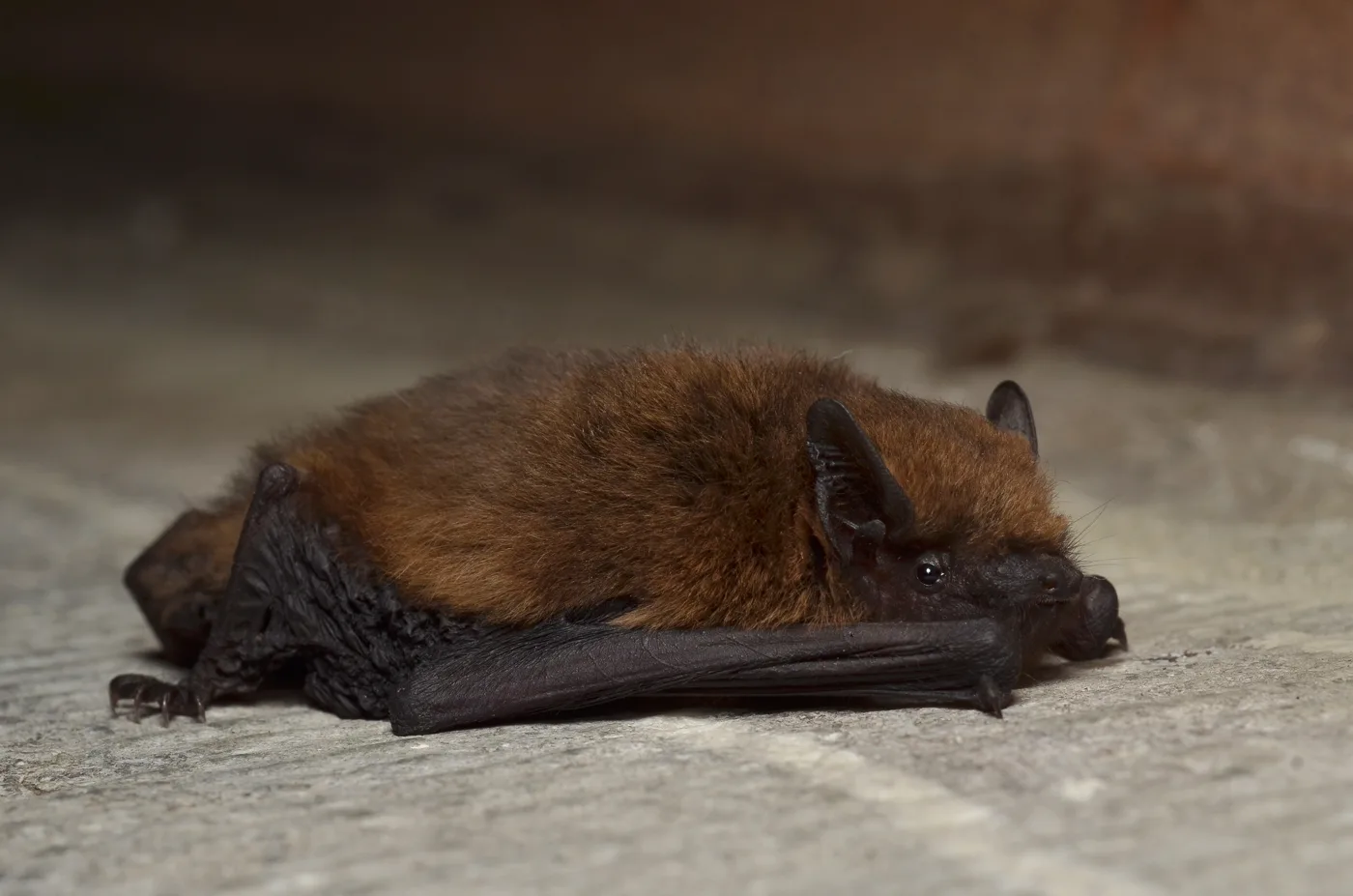
If you have bats in the roof and a roof repair planned, the law decides the timetable, not the roofer. Every UK bat species is protected, and so is the roost itself, even when the bats are away. A roofer who strips tiles from a roost without the right survey and licence is committing an offence, and so can the homeowner who told them to carry on. The fix is rarely to cancel the job. It is to find out early, plan the timing, and use the right materials.
This page covers what the law says, what a roofer must do on finding bats, when you need a survey or a Natural England licence, and how long the process realistically adds.
What the law protects
In England, bats are protected under the Conservation of Habitats and Species Regulations 2017 and the Wildlife and Countryside Act 1981. According to the government’s bats protection, surveys and licences guidance, it is an offence to:
- deliberately capture, injure or kill a bat
- damage or destroy a breeding site or resting place
- obstruct access to places bats use for shelter
- intentionally or recklessly disturb a bat while it is in a structure or place of shelter
The roost is protected whether or not bats are present at the time. Bats move between roosts through the year, so an empty-looking loft in February can still be a legally protected roost.
The guidance lists repairing or replacing a roof, loft insulation and loft conversion among the activities that can harm bats. The penalty on conviction is up to six months in prison, an unlimited fine, or both.
Signs there are bats in your roof
Most homeowners never see the bats. Roofers and surveyors look for:
- Droppings in the loft, on window sills or stuck to walls below the eaves. Bat droppings look like mouse droppings but crumble to a dry powder of insect fragments when rolled, where mouse droppings smear.
- Bats emerging at dusk from the eaves, gaps under ridge tiles, lifted lead flashing, hanging tiles or fascia boards, mostly from spring to early autumn.
- Chattering or squeaking from the roof on summer evenings.
- Small gaps with clean, slightly polished edges where bats squeeze in. Pipistrelles, the most common species around houses, need a gap of only around 15 to 20mm.
Many bats roost not in the loft but in the roof structure itself: between tiles and underlay, under ridge tiles and behind fascias and soffits. That is why roofline work and ridge repairs are as likely to disturb a roost as a full re-roof.
What a roofer must do on finding bats
The Bat Conservation Trust’s advice for anyone who finds a bat during works is simple:
- Pause all work on that part of the roof.
- Make sure the bat is not in danger. If it is still in its roost, leave it there and gently replace any covering, such as the tile or felt you lifted. Do not handle a bat with bare hands.
- Get advice before going further. Call the National Bat Helpline on 0345 1300 228 (Monday to Friday, 9:30am to 4:30pm, with an out-of-hours emergency line from May to September).
A single bat is enough to establish a protected roost. A good roofer will make the area safe and weathertight with a temporary cover, then stop. One who suggests carrying on “before anyone notices” is putting you both at risk.
When you need a survey, and who does it
Free advice. For some householder repairs and maintenance, the statutory nature conservation body (Natural England in England) offers free advice through volunteer bat roost visitors, arranged via the Bat Helpline. The service is limited to certain buildings and types of work, it does not cover projects that need planning permission, and there is no guaranteed timescale.
A bat survey. For anything else, including any work that needs planning permission, which can include some dormers and loft conversions, you need a licensed ecological consultant. The usual sequence:
- Preliminary roost assessment. An inspection of the roof and loft for signs and potential access points. It can be done at any time of year.
- Emergence and re-entry surveys. If the assessment finds a roost or real potential, surveyors watch the building at dusk or dawn to count bats and identify species. These can only be done in the active season, broadly May to September, and often need two or three visits spaced weeks apart.
If your planning application is in an area or building type where bats are likely, the council can ask for a survey before it validates or decides the application. Our page on planning permission and building regulations for a new roof covers when a roof needs planning consent.
When you need a licence
If the survey confirms a roost and the work cannot avoid affecting it, you need a licence from Natural England before work starts. There are two main routes:
- A bat mitigation licence, applied for by your ecologist with a full method statement. Used for larger roosts or more sensitive species.
- A class licence for low-impact work, such as the Bat Mitigation Class Licence, which registered consultants can use for roosts of lower conservation value. It is quicker because the ecologist is already registered to use it.
Natural England expects survey data from the most recent survey season. Survey results that are a year or more old may not be accepted, and you could be sent back to resurvey next summer.
The timing problem, and how long it adds
The survey window is what stretches the job. If you find bats in October and need emergence surveys, the earliest they can usually happen is the following May. Add the licence application, and a re-roof that would have taken a few weeks can be pushed back by many months.
Once licensed, the works themselves are also timed around the bats. Ecologists generally steer roof works away from:
- The maternity season, roughly May to August, when females gather to give birth and young bats cannot fly.
- Hibernation, roughly November to March, if bats hibernate in the roof.
That usually leaves spring and early autumn, especially September and October, as the windows for disturbing a known roost. If your roof is failing in the meantime, a temporary repair that does not touch the roost is usually possible; see our emergency roof repair page.
Roofing materials where bats roost
One roofing-specific rule catches many contractors out. Modern breathable roofing membranes made from non-woven spun-bond fibres can trap bats: their claws tease loose fibres from the surface, which then tangle around feet and wings. The Bat Conservation Trust’s roofing membrane guidance says that where bats use a roof, only bitumen felt without polypropylene or polyethylene filaments should be used, such as hessian-reinforced type 1F felt, unless a membrane has passed the recognised snagging test.
That matters if you were expecting a modern breathable underlay; our roofing underlay guide explains the trade-off, and your ventilation detailing may need to change as a result. A licence will often also require:
- replacement access points, such as bat access tiles or gaps left at the eaves
- retained roost space under the ridge or between tiles
- an ecologist present when key tiles or boards are removed
- no timber treatment chemicals that are harmful to bats
What it means for your quote
If bats are possible, ask your roofer at the quote stage how they will handle it. A careful quote will:
- say whether a bat assessment has been done or is needed
- allow for type 1F felt rather than a breathable membrane in roost areas, if relevant
- build in the timing window and any ecologist attendance
- note that work will stop if bats are found, and how that affects the schedule and scaffold hire
Scaffold standing idle while you wait for a survey season is an expensive surprise; see our roof scaffolding cost page. Our questions to ask a roofer checklist is a good place to add “what happens if you find bats?”.
Frequently asked questions
Can I repair my roof if I have bats? Often yes, but only with the right advice first. Small repairs away from the roost may go ahead with free advice from Natural England’s volunteer service; anything affecting the roost needs a survey and usually a Natural England licence.
What happens if a roofer finds bats during work? Work on that area must stop. The roost should be made safe and covered, and the roofer or homeowner should call the National Bat Helpline on 0345 1300 228 for advice before going any further.
What is the fine for disturbing bats? Disturbing bats or damaging a roost without a licence can lead to an unlimited fine, up to six months in prison, or both.
When can bat surveys be done? A preliminary roost assessment can be done at any time of year. Emergence and re-entry surveys, needed to confirm a roost, can only be done in the bats’ active season, broadly May to September.
Do I need a bat survey for a new roof? You need one if there is a reasonable chance bats are using the roof, and councils often require one with planning applications for roof extensions. Like-for-like reroofing without planning consent still needs care if bats are present.
Can breathable roofing membrane be used with bats? Not where bats roost, unless the membrane has passed the recognised snagging test. The Bat Conservation Trust recommends bitumen felt such as type 1F, because non-woven membrane fibres can entangle bats.
Sources
- GOV.UK, Bats: protection, surveys and licences
- Bat Conservation Trust, Roofing membranes and “I’ve found a bat during works” guidance
Want costs like this each month?
Join the Roofline brief for current UK prices and quote-reading tips.
More from Professional Roofers
How Much Does a New Roof Cost in the UK in 2026?
What a new roof really costs in the UK in 2026, broken down by house size, material and the hidden extras, plus how to check you are being quoted fairly.
Chimney Repointing and Repair Cost UK (2026)
What chimney repointing cost is in the UK in 2026, why scaffolding drives the price, and how repointing compares to rebuilding, flashing and pot repairs.
Roof Inspection and Survey Cost UK: What's Checked and the Price
Roof inspection cost UK 2026: what a ground, ladder or drone survey checks, typical prices for each, and when a written roof report is worth paying for.