Dormer Roof Cost: £3k to Re-Cover, £18k+ to Build One
By the Professional Roofers team
Updated 2026 · Independent cost guide
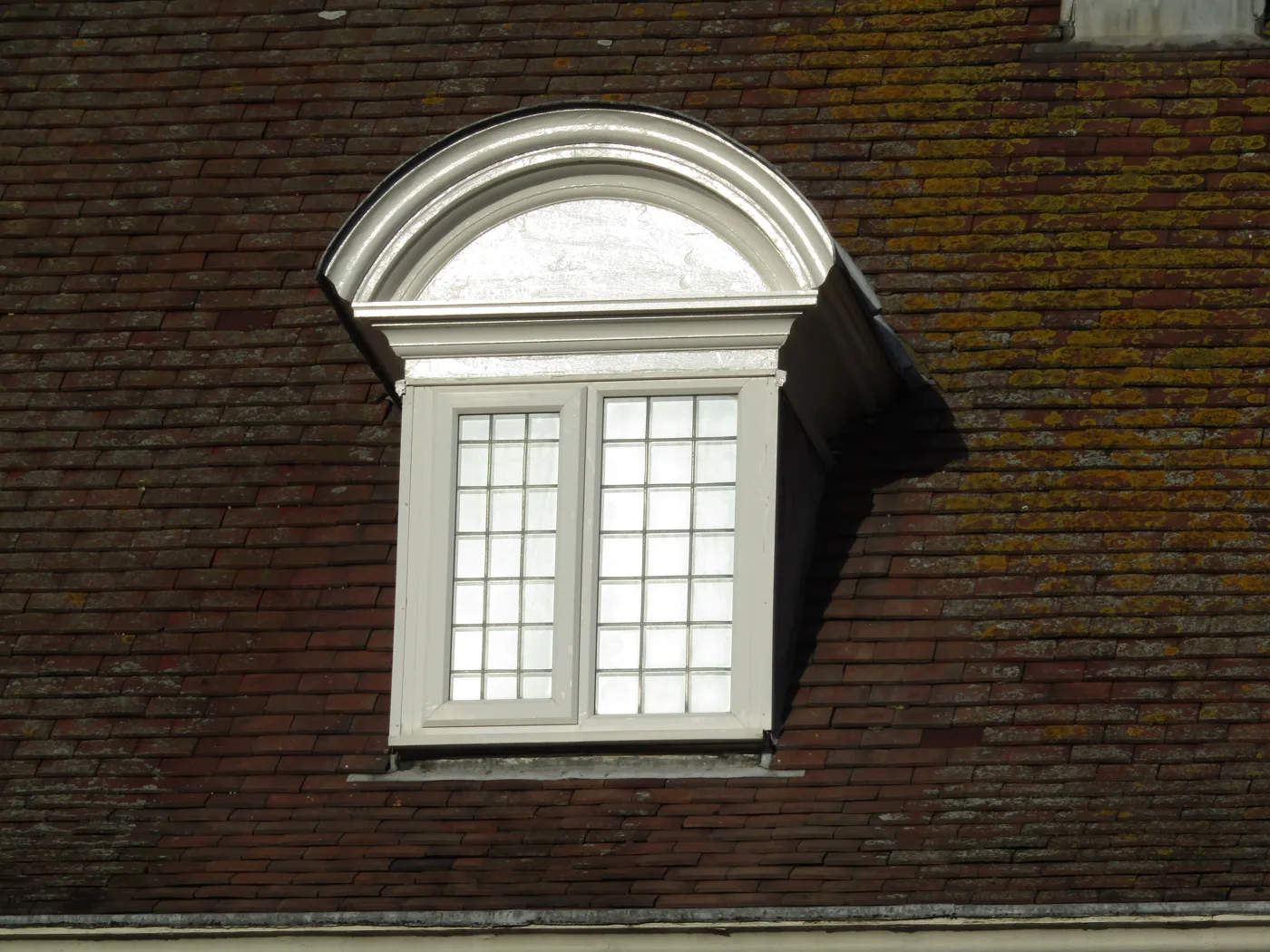
Search for dormer roof cost and you get two completely different jobs quoted as though they were one. Re-covering the flat roof on a dormer you already have is a roofing job, usually measured in low thousands. Building a new dormer is a structural project with a stair, insulation, windows and Building Regulations sign-off, and it starts at several times that. This page prices both, because homeowners ring up asking about the first and are quoted for the second.
All the ranges below exclude VAT unless stated, vary by region, and run roughly 10 to 20 per cent higher in London and the South East.
Re-covering an existing dormer roof
The flat top of a dormer is one of the most common leak points on a British house. It is small, it has four awkward junctions, and it was often felted cheaply when the dormer was built.
Materials on the market and what they cost per square metre installed:
- Torch-on felt: roughly £40 to £70 per m² at the budget end, £80 to £120 at the higher end depending on the system and the number of layers. Lifespan around 15 to 20 years.
- EPDM rubber: roughly £60 to £95 per m² at the budget end, £90 to £140 higher up. Lifespan quoted at 40 to 50 years.
- GRP fibreglass: roughly £80 to £130 per m², up to £160 for higher specification work. Lifespan 30 to 40 years.
For a typical dormer top of 4 to 8m², that puts a straightforward re-cover somewhere in the low thousands once access, stripping the old covering, any deck repair and the trims are included. Scaffolding is often the single largest line, which our roof scaffolding cost calculator will size for you.
EPDM is the usual recommendation on a dormer specifically, because a dormer top is small enough to cover in one sheet with no seams. Seams are where flat roofs fail, and eliminating them on a small roof is a genuine advantage rather than a sales line. Our EPDM rubber roofing guide and GRP fibreglass roofing guide go into the trade-offs, and best flat roof material compares them directly.
The parts of a dormer that leak, and what they cost to put right
A quote to “do the dormer roof” that only prices the flat top is incomplete. Four other elements fail, often before the covering does:
The cheeks. The vertical sides of the dormer, usually tile-hung, lead-clad or rendered. Lead cheeks are durable but expensive and need correct sizing and fixing, because overlong sheets crack from thermal movement. See our lead flashing and leadwork guide.
The abutment where the dormer meets the main roof. A soakered and flashed junction. This is where most dormer leaks actually originate, and it is frequently sealed with mastic rather than flashed properly. Costs are covered in roof flashing repair cost.
The front upstand and trim. The drip edge at the front of the flat roof. Undersized or badly formed, water tracks back under the covering.
Ventilation. A cold-roof dormer needs a ventilated void above the insulation. Blocked or absent ventilation causes condensation that looks exactly like a leak, and people spend thousands re-covering a roof that was never leaking. Our roof ventilation guide explains how to tell the difference, and how to find a roof leak covers the diagnosis.
Insist any quote itemises the cheeks, the abutment flashing and the ventilation detail separately. A single line saying “renew dormer roof” tells you nothing about which of these is included.
Building a new dormer
Different order of cost entirely, because you are buying floor area rather than a roof covering.
Current 2026 figures for a dormer loft conversion cluster around £40,000 to £55,000 for a complete project including the stair, bathroom and finishes. Broken down by size:
- A single rear dormer of 5 to 7m²: roughly £18,000 to £28,000.
- A full-width or twin dormer of 10 to 14m²: roughly £30,000 to £42,000.
- Per square metre of habitable space added: roughly £1,200 to £2,500 for the shell, £1,400 to £3,000 once stairs, bathroom and finishing are included.
Those are project costs, not roofing costs. The actual roofing element, the flat top and the cheeks, is a modest fraction of it.
Planning: when a dormer needs permission
Many rear dormers fall under permitted development, which is why so many get built. The main limits:
- Volume added to the original roof space must not exceed 40 cubic metres for a terraced house or 50 cubic metres for a detached or semi-detached house. Any previous roof enlargement counts against that allowance, including work done by a previous owner.
- No extension beyond the plane of the existing roof slope on any wall fronting a highway, which in practice rules out front dormers on most houses.
- Roof extensions other than hip-to-gable work must be set back at least 200mm from the original eaves.
- Materials must be similar in appearance to the existing house.
- Side-facing windows must be obscure-glazed and either non-opening or with the opening part at least 1.7m above floor level.
Permitted development rights can be removed by an Article 4 direction, and they do not apply in the same way in conservation areas or on listed buildings. Check with your local authority before assuming, and read the government’s permitted development technical guidance for the detail. Our planning permission and building regs for a new roof page covers the wider picture.
Permitted development is not a substitute for Building Regulations approval, which a new dormer always needs. That covers structure, insulation, and means of escape from the loft, which is the requirement most often discovered late and which can force a redesign of the stair.
Which job do you actually have?
A quick way to tell before you call anyone:
- Water staining on the ceiling directly under the dormer, appearing after rain: likely the covering, the abutment flashing or the front trim. A roofing job.
- Damp patches that appear in cold weather and dry in warm, or black mould on the ceiling: likely condensation from blocked ventilation, not a leak. Fixing the covering will not help.
- The covering is felt, is over about 15 years old, and is blistering or splitting: it is at the end of its life. Budget a re-cover.
- You want more floor space: that is a loft conversion, not a roofing job, and the numbers in the previous section apply.
For related costs, see our flat roof cost page and the roof replacement cost calculator. If you are adding a window rather than a dormer, Velux window installation cost is the cheaper route to loft light and needs no volume allowance at all.
Frequently asked questions
How much does it cost to replace a dormer roof? For a typical dormer top of 4 to 8m², expect a figure in the low thousands once access, stripping and trims are included. Material rates run roughly £40 to £120 per m² for felt, £60 to £140 for EPDM and £80 to £160 for GRP, with scaffolding often the largest single line.
What is the best covering for a dormer flat roof? EPDM in most cases, because a dormer top is small enough to cover in one sheet with no seams, and seams are where flat roofs fail. GRP is a reasonable alternative where a rigid surface is wanted. Felt is the cheapest and the shortest-lived.
How much does it cost to build a dormer? A single rear dormer of 5 to 7m² typically runs £18,000 to £28,000, and a full-width or twin dormer of 10 to 14m² runs £30,000 to £42,000. A complete dormer loft conversion including stairs, bathroom and finishes usually lands between £40,000 and £55,000.
Do I need planning permission for a dormer? Often not for a rear dormer, provided you stay within 40 cubic metres added on a terraced house or 50 on a detached or semi, do not extend beyond the roof plane on any elevation fronting a highway, and set back at least 200mm from the eaves. Conservation areas, listed buildings and Article 4 directions change this.
Why does my dormer leak when it was re-covered recently? Most dormer water ingress comes from the abutment flashing where the dormer meets the main roof, or from the cheeks, not from the flat covering. Condensation caused by blocked ventilation also produces damp that looks like a leak. Have all three checked before re-covering again.
How long does a dormer roof last? It depends on the covering. Felt typically lasts 15 to 20 years, GRP 30 to 40 years and EPDM 40 to 50 years, assuming the deck is sound and the detailing at the edges and abutment was done properly.
Want costs like this each month?
Join the Roofline brief for current UK prices and quote-reading tips.
More from Professional Roofers
How Much Does a New Roof Cost in the UK in 2026?
What a new roof really costs in the UK in 2026, broken down by house size, material and the hidden extras, plus how to check you are being quoted fairly.
Chimney Repointing and Repair Cost UK (2026)
What chimney repointing cost is in the UK in 2026, why scaffolding drives the price, and how repointing compares to rebuilding, flashing and pot repairs.
Roof Inspection and Survey Cost UK: What's Checked and the Price
Roof inspection cost UK 2026: what a ground, ladder or drone survey checks, typical prices for each, and when a written roof report is worth paying for.