EPDM Rubber Roof Cost, Lifespan and How It Works
By the Professional Roofers team
Updated 2026 · Independent cost guide
EPDM rubber roof cost sits at the sensible end of the flat roofing market: not the cheapest way to cover a garage, but usually the best value over the life of the roof. It has largely replaced felt on domestic flat roofs for good reasons, and the sales pitch around it (one continuous sheet, fifty years, no naked flame) is mostly true. The bits that are not quite true are worth knowing before you accept a quote, and there is one specific mistake that a cheap contractor may try on your roof that will quietly wreck it.
What EPDM actually is
EPDM is a synthetic rubber membrane. On a domestic flat roof it goes down as a single sheet, cut to size and bonded to the deck with adhesive, with trims at the edges and a bonded outlet for drainage.
The single-sheet part is the entire point. Felt roofs fail at their joints, and a typical small flat roof covered in EPDM has no joints at all in the field of the roof. Nothing to lift, nothing to split, nothing to reseal in five years. It is also installed cold, with adhesive rather than a gas torch, which removes the fire risk that comes with torch-on felt. That matters more than it sounds if the roof abuts a timber-framed structure or your neighbour’s fence.
It is flexible, so it moves with the building. This is the practical advantage over rigid fibreglass, which we come back to below.
EPDM rubber roof cost
Costs vary more than the guides admit, and the honest range for a supply-and-fit domestic job in 2026 is roughly £60 to £100 per square metre. Where you land depends on the thickness of the membrane, whether insulation and a new deck are included, and where you are.
Some real reference points:
- A single garage, around 15m²: commonly £875 to £1,500, taking about a day.
- A double garage, around 30m²: commonly £1,240 to £2,200, taking one to two days.
- A kitchen extension, around 20m²: typically £1,000 to £1,800 for a straightforward strip and re-cover.
Two things explain the spread. Bigger roofs cost less per square metre, because the setting-up time is fixed and a roofer covers a double garage almost as quickly as a single one. And a headline per-m² figure often excludes the parts that actually cost money: stripping the old covering, replacing rotten decking, new insulation, a skip, and Building Control where the work triggers it.
Labour is the bulk of it. UK roofers typically charge £250 to £350 a day, and most domestic EPDM jobs run one to three days. If a quote looks far below the ranges above, the likely explanations are thin membrane, no strip-out, or no insulation, rather than a bargain.
For how this compares with the alternatives, see our best flat roof material guide and the flat roof versus pitched roof cost comparison.
The 50-year claim, examined
You will see “50 year lifespan” on every EPDM page including the manufacturers’. ClassicBond states a proven track record of over 50 years’ service life, and the material genuinely does last: it is UV stable and does not go brittle the way felt does.
But read the guarantee rather than the lifespan. ClassicBond offers a 20-year guarantee, and only through installers who are certified and have attended its training course. That is the number with a company standing behind it. The gap between “50 years of service life” and “20 years if we trained your roofer” is where the marketing sits.
Two practical consequences:
- Ask whether your contractor is certified by the membrane manufacturer. If they are not, the manufacturer guarantee does not apply and you are relying on the contractor’s own workmanship warranty, which is worth whatever the contractor is worth in ten years.
- Most EPDM failures are not the rubber. They are the details: the trims, the outlet, the upstands where the roof meets a wall. The sheet outlives the workmanship around its edges, which is why who fits it matters more than which brand you buy.
Thickness: 1.2mm or 1.5mm
There are two thicknesses on the domestic market, and the choice is genuinely meaningful.
1.2mm is the standard domestic membrane and it is fine for a roof nobody walks on: a garage, a porch, a small extension you will only ever access to clear the gutter.
1.5mm (sold as 1.52mm, the commercial grade) resists puncture and foot traffic much better. If the roof will get regular access, holds a satellite dish, sits under a tree that drops branches, or is a balcony in any sense, this is the practical minimum.
This is the single upgrade worth paying for, because the price difference is small next to the cost of the labour, and puncture is EPDM’s main real-world weakness.
The felt mistake
Here is the part that matters most, and that homeowners are almost never told.
EPDM must not be laid directly onto old felt. The ClassicBond technical guidance states plainly that its 1.2mm and 1.5mm EPDM should not be laid directly onto felt because the two materials are chemically incompatible, and that doing so compromises the performance and durability of the membrane.
This matters because “we’ll just go straight over the top of your existing felt, saves you the strip-out” is exactly the shortcut a cheap quote is built on. It sounds sensible. It saves a day of labour and a skip. It also puts a rubber membrane in permanent contact with a material it reacts with, on a roof you are expecting to last decades, and no manufacturer guarantee will survive it.
If a quote does not include stripping the old covering back to a sound deck, ask why. That is the question that separates the quotes.
EPDM versus the alternatives
Versus felt: EPDM wins on almost every axis. Felt has the shortest life of any flat roof option, fails at the joints, needs a naked flame to install, and can crack in a hard winter. Felt is cheaper on day one and more expensive per year.
Versus GRP fibreglass: closer, and it depends on the roof. GRP lasts around 25 to 30 years, so notably less than EPDM, and it costs more. It is also rigid, which means it can crack if the building moves, and it is temperature-sensitive to install so a wet or cold week stops the job. What GRP does better is foot traffic and complicated shapes: if the roof has lots of detail, upstands and penetrations, or you will actually walk on it, GRP earns its money. For a plain rectangle nobody stands on, EPDM is the better buy.
Where EPDM struggles: heavily detailed roofs with many penetrations, and anywhere with regular foot traffic on the thin membrane. It is a large-simple-sheet product and it is at its best doing exactly that.
The takeaway
For a straightforward domestic flat roof, EPDM is the sensible default. Budget £60 to £100 per square metre supply and fit, expect around £875 to £1,500 for a single garage, pay the small premium for 1.5mm if anyone will ever stand on it, and treat any quote that skips the strip-out as a quote for a roof that will not last. Ask whether the installer is manufacturer-certified, because that is what turns a 50-year material into a guaranteed one.
If you are pricing the wider job, our roof cost per square metre guide and garage roof replacement cost breakdown cover the surrounding numbers.
Frequently asked questions
How much does an EPDM rubber roof cost in the UK? Roughly £60 to £100 per square metre supply and fit in 2026. A single garage of about 15m² commonly runs £875 to £1,500 and a double garage about £1,240 to £2,200. Larger roofs cost less per square metre because set-up time is fixed.
How long does an EPDM roof last? The material has a proven service life of over 50 years, but the manufacturer guarantee is typically 20 years and only applies when a certified installer fits it. In practice, failures come from the trims, outlets and upstands rather than the membrane itself.
Can you lay EPDM over an existing felt roof? No. Manufacturers state that EPDM should not be laid directly onto felt because the materials are chemically incompatible, which compromises durability. Any quote that proposes going straight over old felt to save the strip-out should be rejected.
Should I get 1.2mm or 1.5mm EPDM? 1.2mm is fine for a roof with no foot traffic, such as a garage or porch. Choose 1.5mm if the roof gets regular access, carries equipment, sits under trees or functions as a balcony, since puncture resistance is EPDM’s main weak point and the price difference is small.
Is EPDM better than GRP fibreglass? For a simple flat roof with little foot traffic, yes: EPDM lasts longer, costs less and flexes with the building. GRP is better on heavily detailed roofs and where people will walk, despite a shorter 25 to 30 year life and a higher price.
How long does it take to install a rubber roof? Usually one to three days. A single garage is about a day, a double garage one to two days, and a two-storey extension around three days, assuming the deck is sound and does not need replacing.
Want costs like this each month?
Join the Roofline brief for current UK prices and quote-reading tips.
More from Professional Roofers
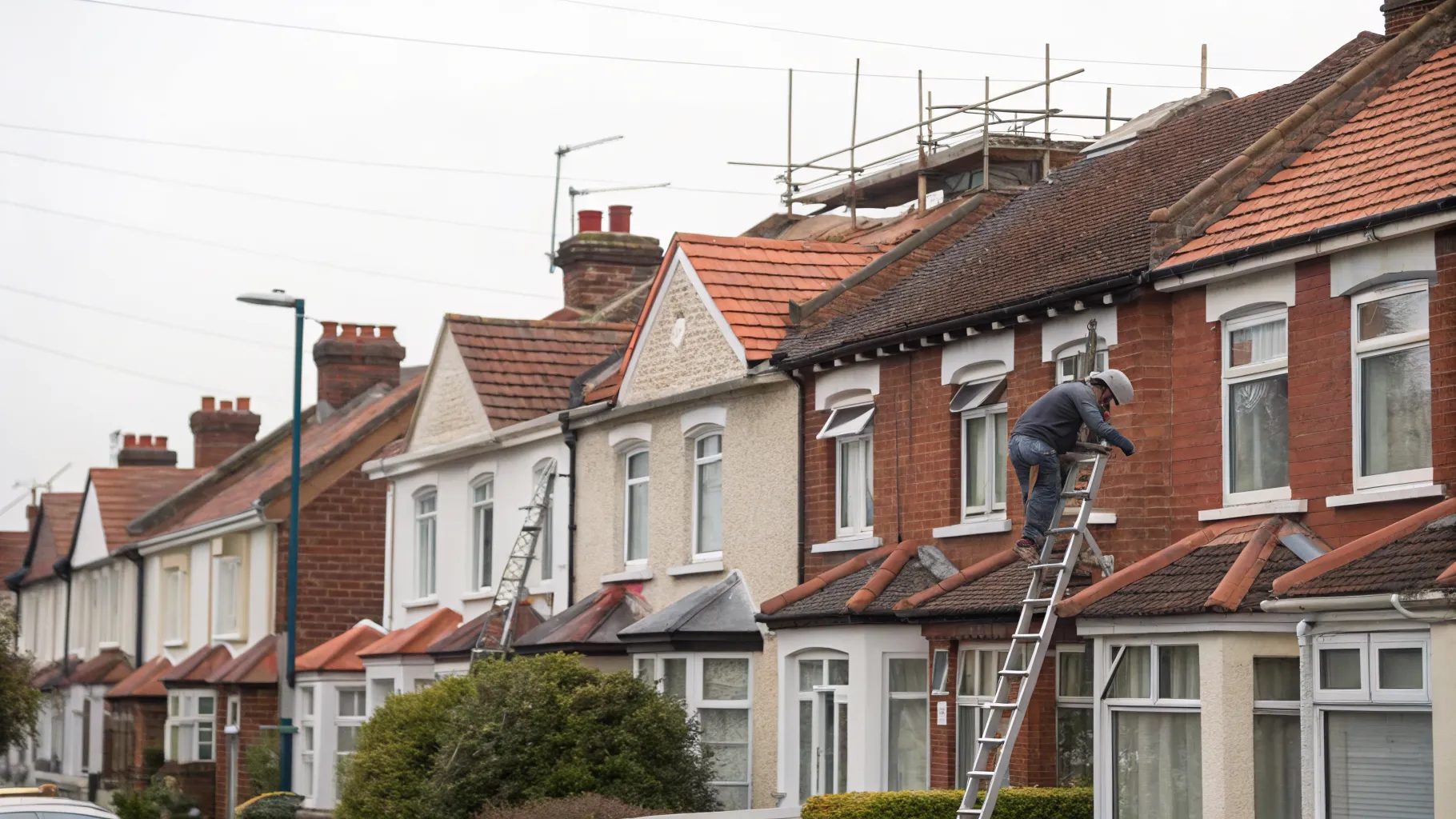
How Much Does a New Roof Cost in the UK in 2026?
What a new roof really costs in the UK in 2026, broken down by house size, material and the hidden extras, plus how to check you are being quoted fairly.
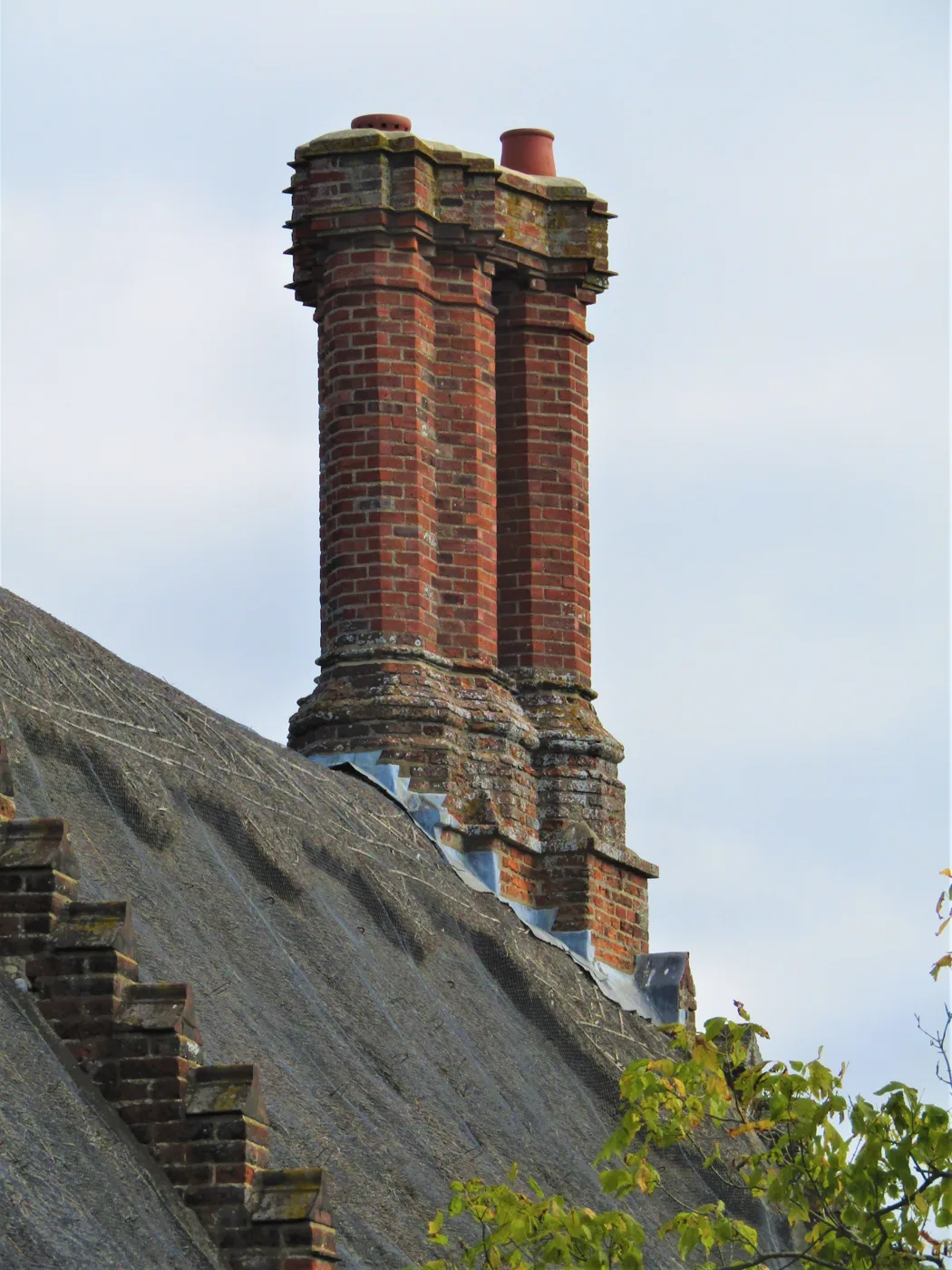
Chimney Repointing and Repair Cost UK (2026)
What chimney repointing cost is in the UK in 2026, why scaffolding drives the price, and how repointing compares to rebuilding, flashing and pot repairs.
Roof Inspection and Survey Cost UK: What's Checked and the Price
Roof inspection cost UK 2026: what a ground, ladder or drone survey checks, typical prices for each, and when a written roof report is worth paying for.