Lead Flashing and Leadwork: Where It's Used and the Cost Per Metre
By the Professional Roofers team
Updated 2026 · Independent cost guide
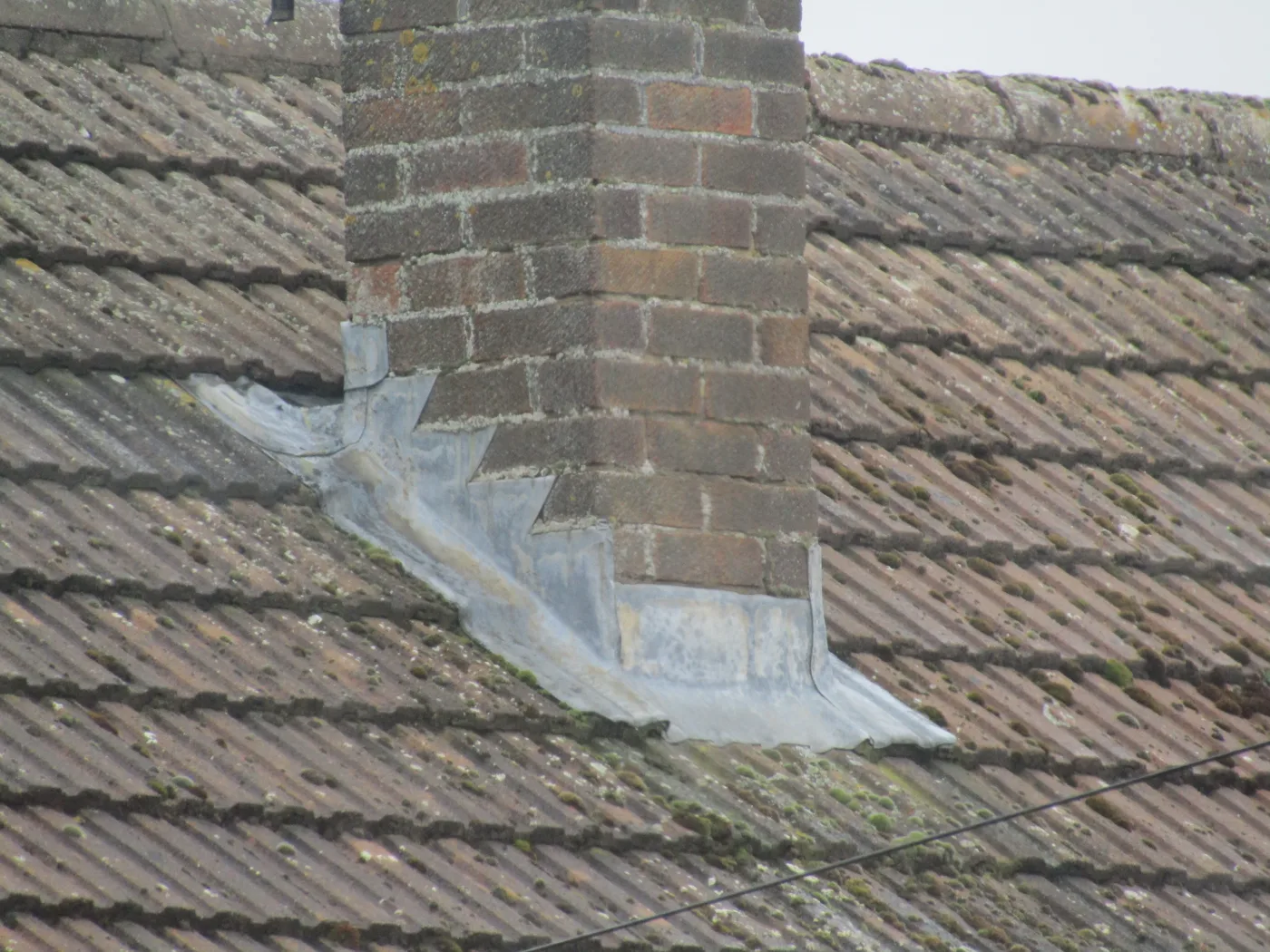
Lead flashing is the metal that seals the joints on your roof, where the roof meets a chimney, an abutting wall, a valley or a dormer. When it fails, water gets in, so it is one of the most common causes of a roof leak. As a rough guide, lead flashing costs around £30 to £50 per metre for the material and fitting, but the total for a real job is driven far more by access and scaffolding than by the metre rate. This guide explains where leadwork is used, the lead codes to specify, and what actually determines the price.
What lead flashing does
Flashing bridges the gap between two surfaces that expand, contract and move at different rates, and keeps that joint watertight. Lead has been the traditional material for centuries because it is malleable enough to dress tightly over awkward shapes, and durable enough to last decades when it is installed correctly. On a typical house you will find leadwork in several places:
- Chimney flashing: the apron at the front, the step flashing up the sides, and the back gutter behind the stack. This is the most common leadwork repair.
- Abutment flashing: where a roof meets a wall, such as a lean-to or extension roof against the house.
- Valley gutters: the lead-lined channel where two roof slopes meet.
- Dormer and roof-window flashing.
- Soakers and cover flashings on tiled roofs.
If your leak is around a chimney or a wall junction, failed lead is the usual culprit. Our guides to why a roof is leaking and finding where a roof leak is coming from help you locate it.
Lead codes: what to specify
Lead sheet is graded by “code”, which reflects its thickness. The code is colour-coded and the higher the number, the thicker and more durable the lead.
- Code 3 is thin and used only for soakers.
- Code 4 is the common general-purpose grade for many flashings and smaller aprons.
- Code 5 is the durable standard for chimneys, valleys, back gutters and anything exposed to heavy weather.
For chimney and valley work, insist on Code 4 or Code 5. Cheap jobs that use thin lead, or that substitute self-adhesive flashing tape for proper dressed lead, are a false economy that will leak again within a few years. Genuine leadwork should be joined and dressed, not just stuck down.
Lead flashing cost per metre, and the full job
The metre rate is only part of the story:
- Lead flashing itself runs roughly £30 to £50 per metre, supplied and fitted, depending on the code and complexity.
- Replacing all the leadwork on a chimney typically costs around £350 to £460 with no scaffolding, rising to about £700 to £920 where scaffolding is needed, with £600 to £800 a common figure for a fully scaffolded stack near the roof edge.
- Roofer labour is commonly £150 to £250 per day.
- Scaffolding for safe access adds roughly £400 to £800 on top.
Those are 2026 UK guide figures; get quotes from local roofers for your own roof. The single biggest variable is access. A single length of step flashing you can reach from a ladder is cheap; the same lead on a two-storey chimney that needs a scaffold tower can cost several times more, because the scaffold, not the lead, dominates the bill. Our roof scaffolding cost guide explains why.
What pushes the price up
- Scaffolding and height. By far the largest factor, as above.
- Chimney position. A stack in the middle of a roof or on a gable end is harder and slower to reach than one near the eaves.
- Condition of the surrounding masonry. If the mortar joints are perished, the flashing chases need re-cutting and repointing, which our chimney repointing cost guide covers, and it is sensible to do both at once.
- Amount of lead. A full re-lead (apron, steps and back gutter) costs more than a single failed section.
- Complex details. Valleys, secret gutters and ornate dormers take more time to dress.
Repair or replace?
A small area of lifted or split lead can often be re-dressed or patched, which is far cheaper than a full replacement, as our roof flashing repair cost guide explains. But if the lead is widely cracked, has been “repaired” with mastic or bitumen, or is too thin (undersized code), replacement with Code 4 or 5 lead is the lasting fix. When the flashing is failing because the chimney itself is in poor order, weigh up doing the leadwork as part of wider roofline and chimney services.
Getting it done properly
Leadwork is a skilled trade with its own standards. Ask whether the roofer follows the guidance of the Lead Sheet Training Academy, which sets the recognised UK standards for lead installation, and check they will use the correct code and patination oil to prevent the white staining that new lead can wash onto tiles below. For general building standards on weatherproofing, the Planning Portal’s building regulations guidance is a useful reference.
Before you accept a quote, see our advice on how to read a roofing quote and questions to ask a roofer. For the wider picture, our roof repair cost guide puts leadwork alongside other common repairs.
Frequently asked questions
How much does lead flashing cost per metre in the UK? Lead flashing typically costs around £30 to £50 per metre supplied and fitted, depending on the lead code and how complex the detail is. The metre rate is only part of a real job, though; access and scaffolding usually cost more than the lead itself.
How much does it cost to replace lead flashing on a chimney? Expect roughly £350 to £460 where no scaffolding is needed, and around £700 to £920 when scaffolding is required, with £600 to £800 a common figure for a fully scaffolded stack near the roof edge. The main variable is access, not the amount of lead.
What lead code should be used for chimney flashing? Code 4 or Code 5. Code 5 is the durable standard for chimneys, valleys and back gutters, while Code 4 suits smaller aprons and general flashings. Avoid thin lead or flashing tape used as a substitute for properly dressed lead.
Can lead flashing be repaired instead of replaced? Yes, if the damage is localised. Lifted or slightly split lead can often be re-dressed or patched, which is far cheaper. Replacement is the right call when the lead is widely cracked, undersized, or has been bodged with mastic or bitumen.
Why is my chimney leaking around the flashing? The most common causes are lead that has slipped, cracked or pulled out of the mortar joint, or perished pointing behind the flashing. Both let water track down the stack. It is usually best to renew the flashing and repoint the joints at the same time.
How long does lead flashing last? Correctly installed Code 4 or Code 5 lead can last several decades, often 40 years or more. Poorly fitted, undersized or mastic-repaired flashing fails much sooner, sometimes within a few years, which is why using the right code and a skilled installer matters.
Want costs like this each month?
Join the Roofline brief for current UK prices and quote-reading tips.
More from Professional Roofers
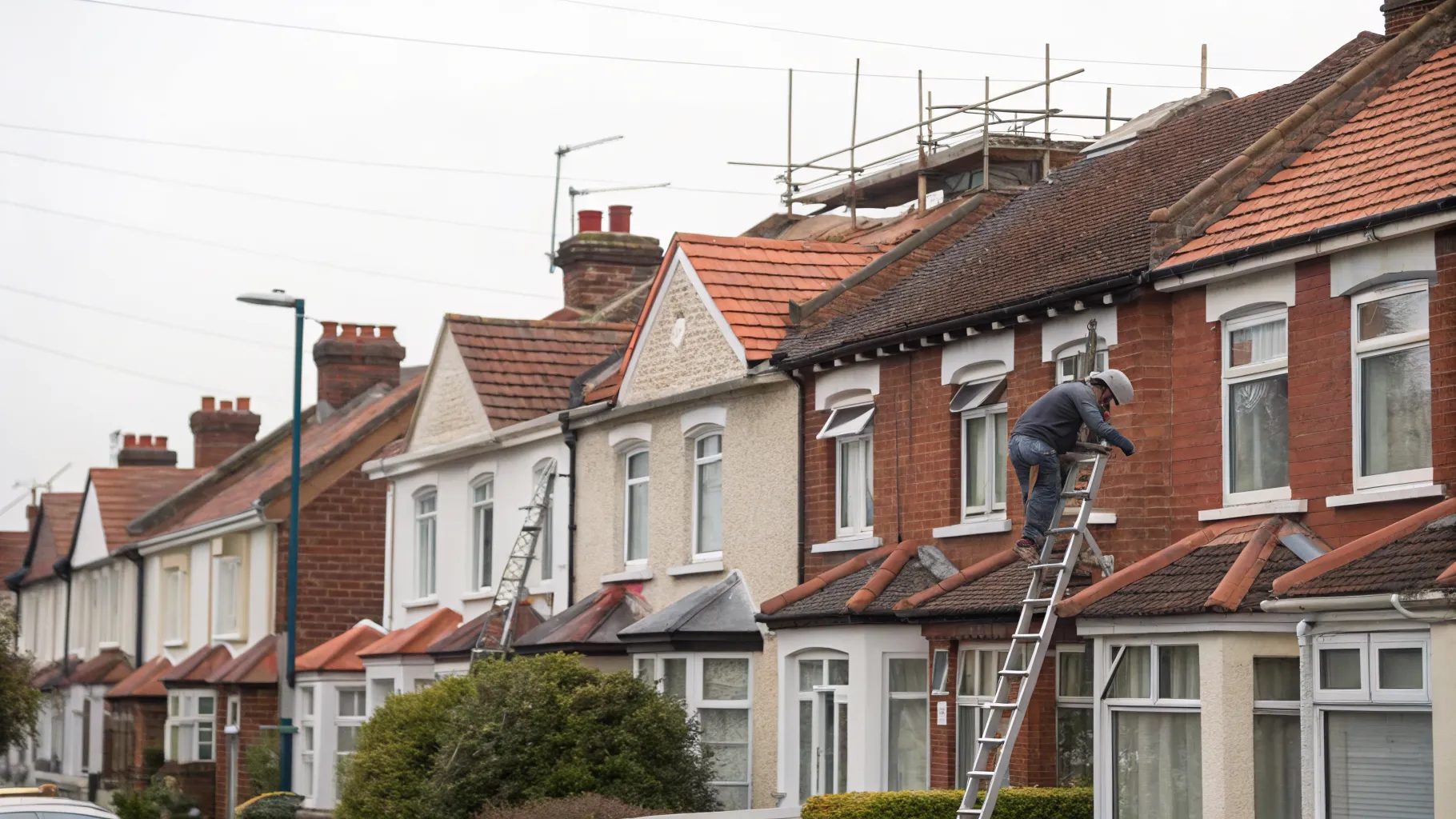
How Much Does a New Roof Cost in the UK in 2026?
What a new roof really costs in the UK in 2026, broken down by house size, material and the hidden extras, plus how to check you are being quoted fairly.
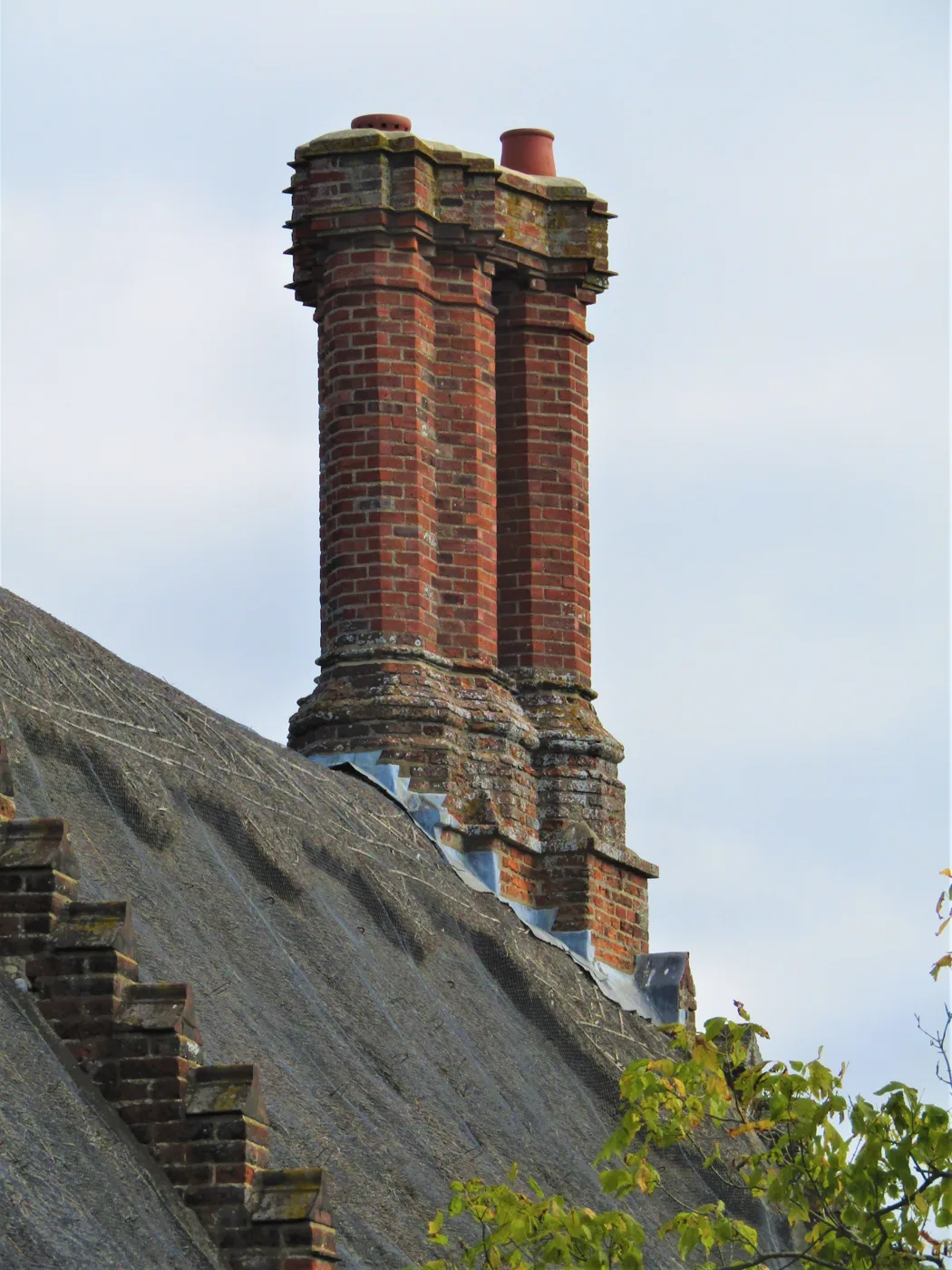
Chimney Repointing and Repair Cost UK (2026)
What chimney repointing cost is in the UK in 2026, why scaffolding drives the price, and how repointing compares to rebuilding, flashing and pot repairs.
Roof Inspection and Survey Cost UK: What's Checked and the Price
Roof inspection cost UK 2026: what a ground, ladder or drone survey checks, typical prices for each, and when a written roof report is worth paying for.