Roofing News: Solar Panel Rules Change 27 August
By the Professional Roofers team
Updated 2026 · Independent cost guide
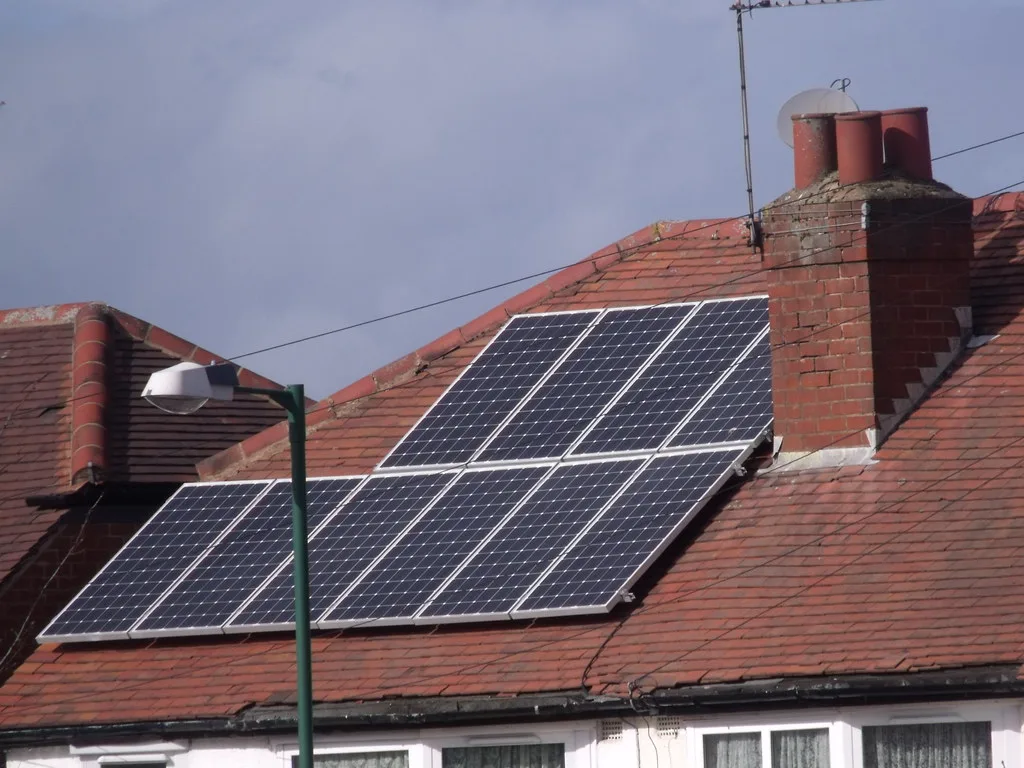
The rules for putting solar panels on a house are rewritten next week, and the detail matters if you are already booked in for a roof job this autumn. Alongside that, the Health and Safety Executive published two prosecutions on the same day, both about work at height, and both worth reading before you accept a quote that looks unusually cheap.
Domestic solar permitted development is rewritten from 27 August
A new statutory instrument, the Town and Country Planning (General Permitted Development) (England) (Amendment) Order 2026, comes into force on 27 August 2026 and reworks Class A and Class B of Part 14, the permitted development rights that let you fit solar equipment without a planning application. For a house the numbers now sit in black and white. On a pitched roof, equipment must not stick out more than 0.2 metres beyond the roof slope, and must not sit higher than the highest part of the roof, chimneys excluded. On a flat roof the limit is 0.6 metres above the highest part of the roof. On a wall, or on a balcony or roof enclosure, the panel can project up to 0.4 metres, dropping to 0.2 metres where the wall abuts a highway.
There are hard prohibitions too, and they are the ones most likely to catch someone out. Installation on a listed dwellinghouse is not permitted development at all. Neither is anything on a scheduled monument. In a conservation area you cannot put solar on a wall or enclosure that fronts a highway. And the new plug-in solar provisions exclude wooden walls, balconies and enclosures, and timber-clad parts of the exterior.
If you are having a roof replaced and thinking about panels at the same time, this is the moment to check which side of 27 August your installation falls, and whether your property is listed or in a conservation area, because that is a planning application rather than a form-free job. Our solar panels on your roof guide covers the structural questions, and planning permission and building regs for a new roof explains what a roof job needs on its own. The Order is on legislation.gov.uk.
£30,000 fine after a bricklayer fell through a collapsing floor
On 18 August the HSE published the outcome of a prosecution over a house being built on Lynn Street in Oldham. A 25 year old bricklayer fell through an upper floor that gave way, dropping with the concrete blocks that had been stored on it. He fractured his right leg, his hip and his left hand, needed surgery, and spent a month in hospital. The incident happened on 4 June 2024. Oldham Business and Construction Management Limited was fined £30,000 with £4,883 in costs at Warrington Magistrates’ Court on 11 August 2026, having breached regulation 13(1) of the Construction (Design and Management) Regulations 2015.
The investigation found the floor had been overloaded and was not built to the manufacturer’s instructions, but it also found unsafe scaffolding, inadequate arrangements for work at height, no fire alarms and poor site management. HSE inspector Karen Farley said the injuries “were the consequence of fundamental failures to manage health and safety” and that “this was not an isolated failing but part of a broader pattern of poor health and safety standards across the site.”
For a homeowner the transferable lesson is that safety standards are visible from the pavement. Scaffold that looks improvised, no edge protection, materials stacked where they should not be: those are the same signals HSE inspectors act on. Our roof scaffolding cost guide explains what proper access should cost and why a quote that omits it is not a saving, and questions to ask a roofer covers what to establish before anyone climbs up. The case is at HSE.
A director fined personally over roof work at a London hotel
The HSE published a second case the same day. B&O Developers Ltd carried out roof extension and refurbishment work at the Kings Cross Express Inn on Kings Cross Road in London between October 2020 and March 2024. Operatives worked from makeshift platforms balanced on stepladders, with no edge protection and no safe access. The roofing subcontractor’s own risk assessment had identified scaffolding as a necessary control. It was never put up. HSE inspected and took enforcement action repeatedly between November 2021 and September 2023, and in January 2024 a member of the public sent in photographs of what was going on.
At City of London Magistrates’ Court on 22 July 2026 the company was fined £4,020 with a £1,608 surcharge for a breach of the Work at Height Regulations 2005. Director Sanjay Swaminarayan, 48, was fined £2,300 with a £1,108 surcharge and £8,000 in costs under the Health and Safety at Work etc. Act 1974. HSE inspector Lucy Ellison-Dunn said that “despite repeated assurances to improve work practices, he failed to ensure suitable controls were in place to prevent falls.”
The point worth taking from this one is that a subcontractor’s risk assessment is not a control in itself. Someone has to actually erect the scaffold. If you are the client on a domestic job you are entitled to ask who is responsible for access and to see it in the quote rather than as a verbal promise. Our guide to finding a good roofer and the piece on roofing scams and rogue roofers both cover how to check a firm before you commit. The case is at HSE.
Want costs like this each month?
Join the Roofline brief for current UK prices and quote-reading tips.
More from Professional Roofers
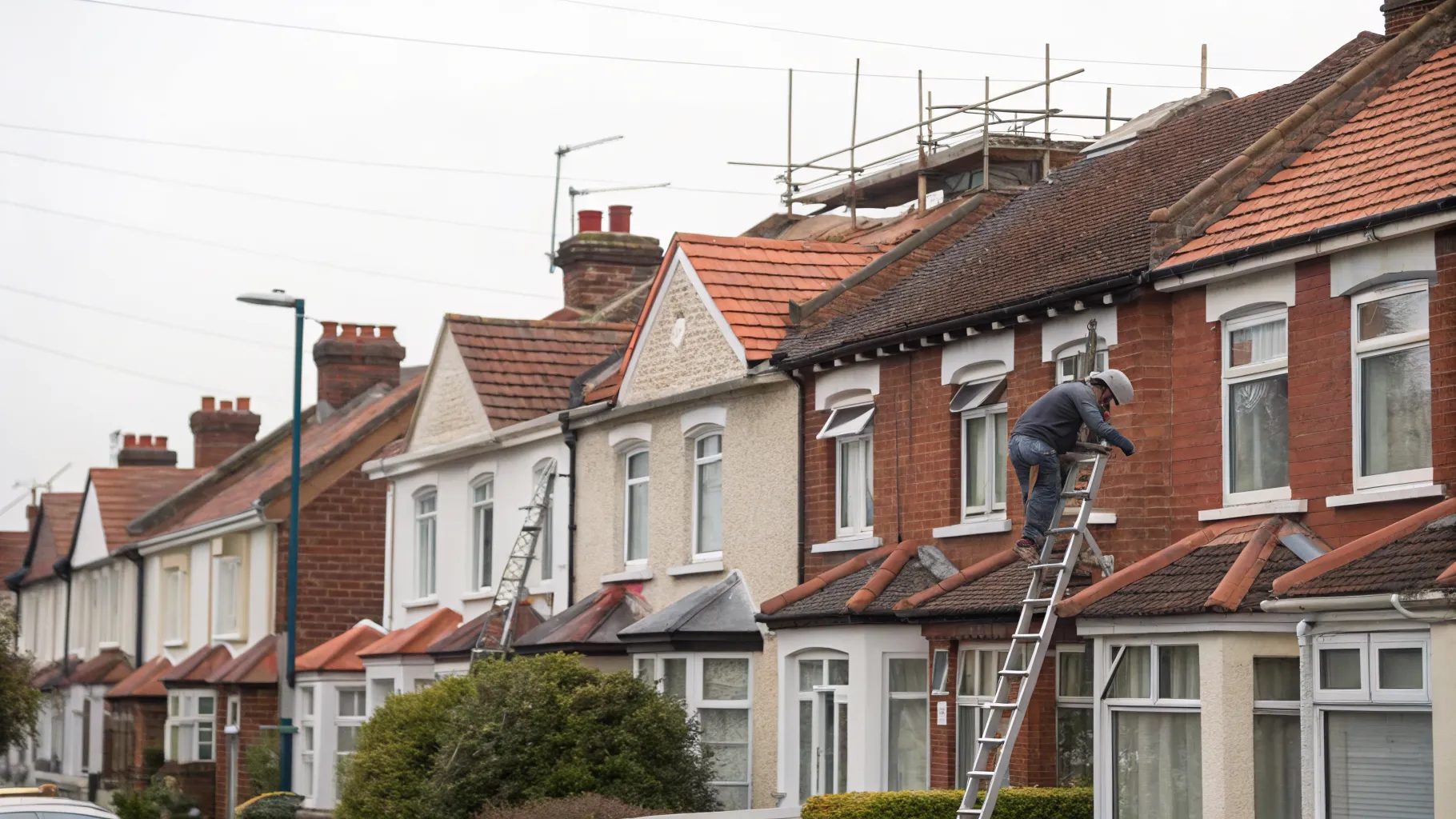
How Much Does a New Roof Cost in the UK in 2026?
What a new roof really costs in the UK in 2026, broken down by house size, material and the hidden extras, plus how to check you are being quoted fairly.
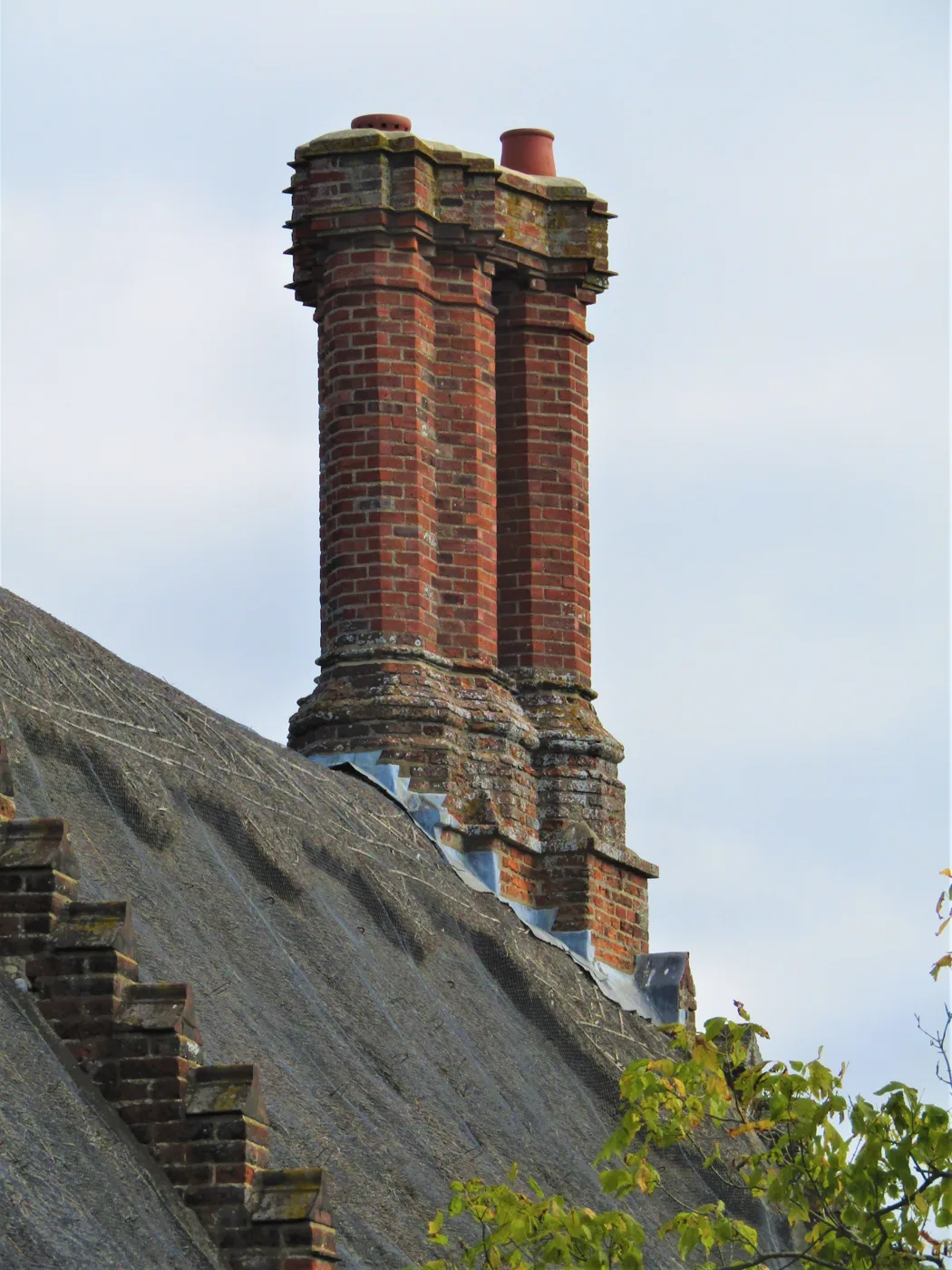
Chimney Repointing and Repair Cost UK (2026)
What chimney repointing cost is in the UK in 2026, why scaffolding drives the price, and how repointing compares to rebuilding, flashing and pot repairs.
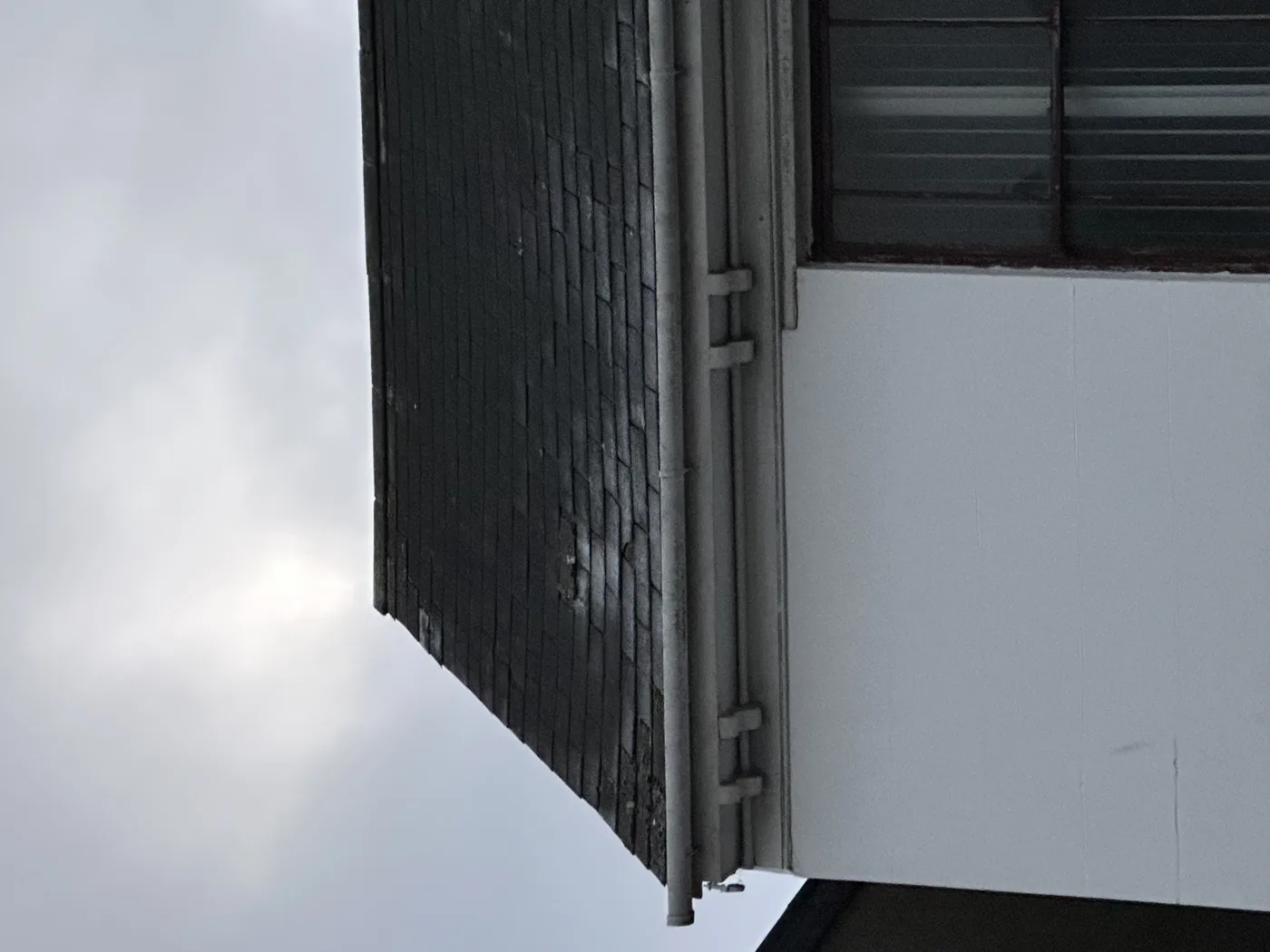
Roof Inspection and Survey Cost UK: What's Checked and the Price
Roof inspection cost UK 2026: what a ground, ladder or drone survey checks, typical prices for each, and when a written roof report is worth paying for.