Roofing News: Fake Batten Markings Warning, Aug 2026
By the Professional Roofers team
Updated 2026 · Independent cost guide
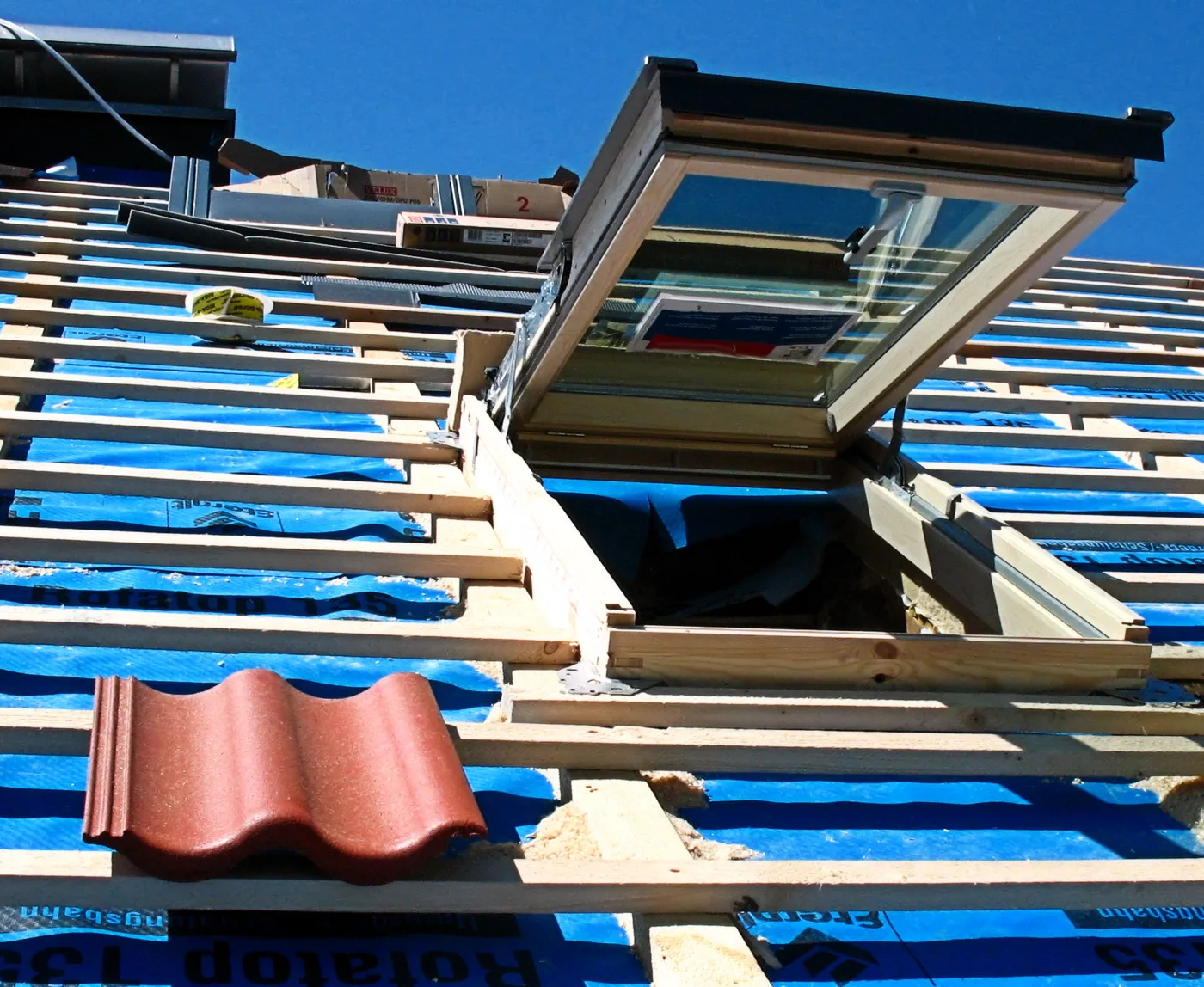
Two of this fortnight’s three stories come from the same place, the National Federation of Roofing Contractors, and both change what a careful homeowner should ask before signing a roofing quote. The third is an insurance market update that explains why weather-damage claims are being scrutinised harder than they used to be.
Roofing battens with suspect markings are circulating again
On 5 August the NFRC renewed a warning to contractors, merchants and housebuilders after being sent photographs of roofing battens whose markings look inconsistent with BS 5534, the British Standard that governs how tiled and slated roofs are fixed. Graded battens are supposed to carry permanent, individual marking on every length: the supplier’s name, the timber species or origin, the basic size, and confirmation of BS 5534 grading. The federation’s blunt warning is that the marking alone does not prove a batten was actually graded, so its advice is to check dimensions and defects on delivery, make sure the paperwork names the grader rather than just the distributor, and quarantine anything doubtful instead of fixing it to a roof.
Why this matters if you are the one paying: battens are the strips of timber your tiles hang from, so an ungraded or undersized batten is a fixing failure waiting for the first proper gale, and it is completely hidden the moment the tiles go back on. BS 5534 sets the thickness tolerance too, a nominal 25mm batten should measure between 25mm and 28mm and never less than 25mm. It is entirely reasonable to ask a contractor which batten they are using and to look at a length yourself while the roof is stripped. Our roofing underlay and membrane guide covers what else is going on under your tiles, and the roof replacement process step by step shows when in the job you would actually see the battens. The alert is at NFRC.
NFRC wants climate resilience treated as standard roof design
On 12 August the NFRC published an updated report, Future (P)roof: Five Years On, revisiting research it first commissioned from the University of Southampton in 2021, and called for climate resilience to become normal practice in roof design, refurbishment and maintenance rather than an optional extra. It names overheating and flooding as the two biggest climate risks to UK buildings, and makes the point that adaptation is a separate job from cutting carbon: insulating a house well does nothing to stop it overheating or to move water off a roof faster in a downpour. Gary Walpole, the federation’s technical, safety, health and environment officer, put it as relying on historical weather alone no longer being enough for a roof expected to last decades.
The useful part for a homeowner is that the report does not point at expensive new technology. It points at drainage that can cope with heavier bursts of rain, adequate ventilation, sound detailing, and actually inspecting and maintaining the roof. That is unglamorous and cheap compared with a failure. See our roof maintenance guide, how often you should inspect a roof and the roof ventilation guide. The announcement is at NFRC.
Record £6.1bn property payouts, and what that does to your claim
A market review published on 3 August by law firm Browne Jacobson sets out how badly 2025 went for UK property insurers: a record £6.1bn in property damage payouts, of which £1.6bn was weather related. Storm damage to homes rose 32 per cent to £244m, domestic flood claims rose 38 per cent to £312m, and the average flood payout rose 60 per cent to £30,000. Subsidence added £307m across the year. The review’s argument is that record claims arriving alongside softer premium income squeezes margins, which changes how insurers price, resource and respond to weather events.
Translated into homeowner terms: expect claims handling to get stricter, not more generous. The most common reason a roof storm claim gets cut back is the insurer deciding the roof was already worn and the storm merely exposed it, which is exactly the argument that dated inspection records and photographs undermine. If a storm does damage your roof, our guide to storm damage roof repair explains what to document and in what order, and emergency roof repair covers making it safe without prejudicing the claim. The review is at Browne Jacobson.
Want costs like this each month?
Join the Roofline brief for current UK prices and quote-reading tips.
More from Professional Roofers
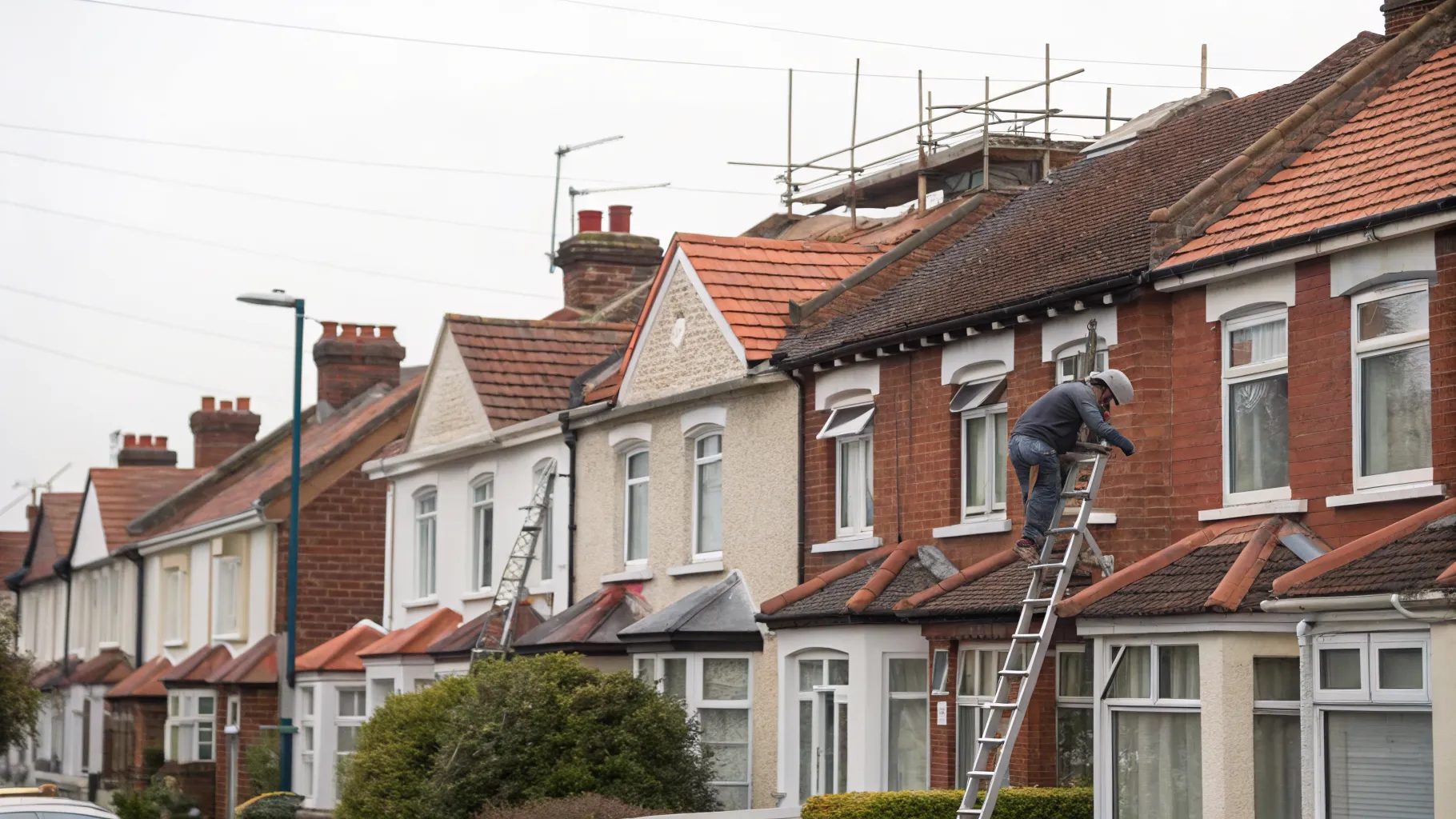
How Much Does a New Roof Cost in the UK in 2026?
What a new roof really costs in the UK in 2026, broken down by house size, material and the hidden extras, plus how to check you are being quoted fairly.
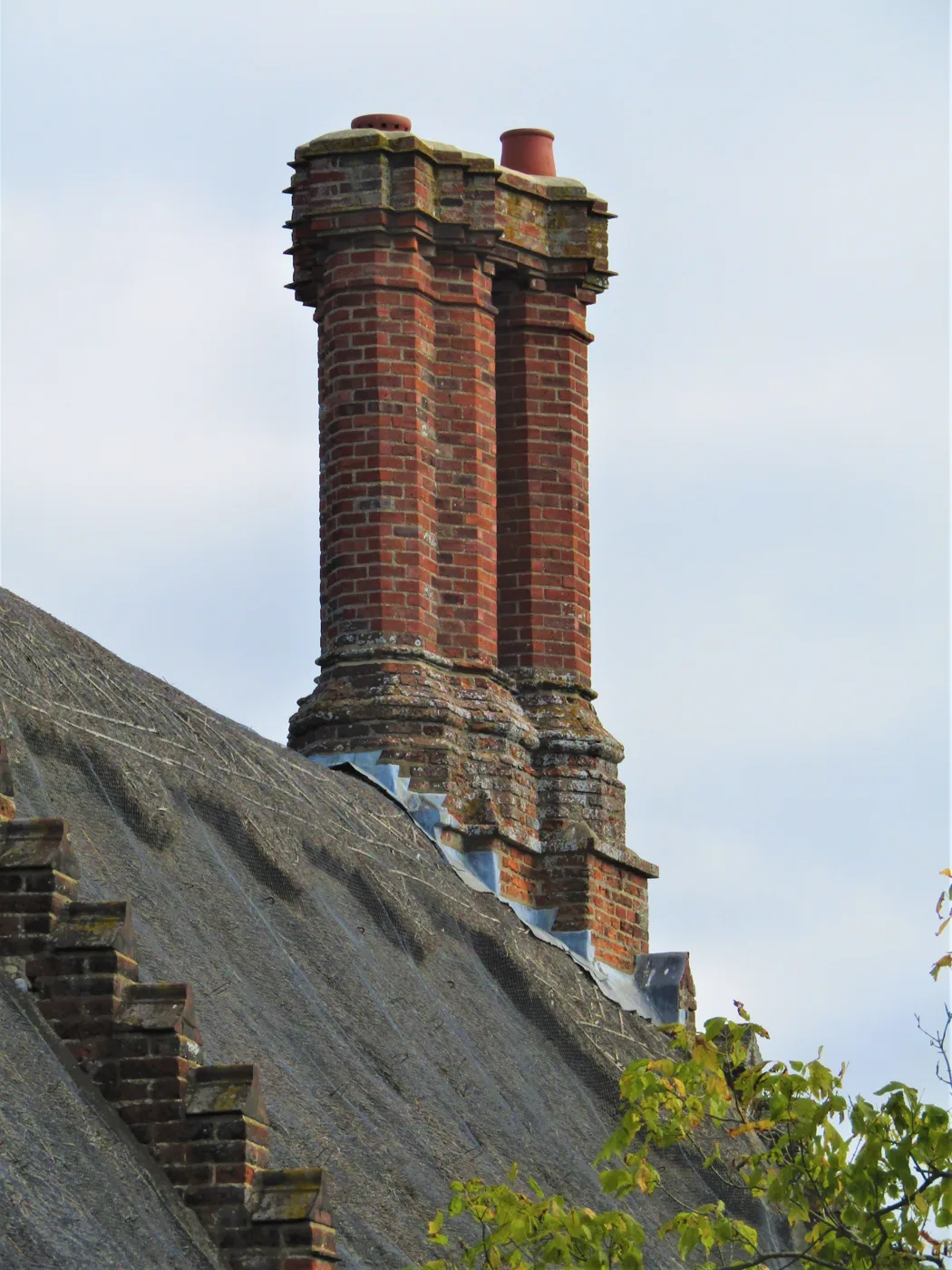
Chimney Repointing and Repair Cost UK (2026)
What chimney repointing cost is in the UK in 2026, why scaffolding drives the price, and how repointing compares to rebuilding, flashing and pot repairs.
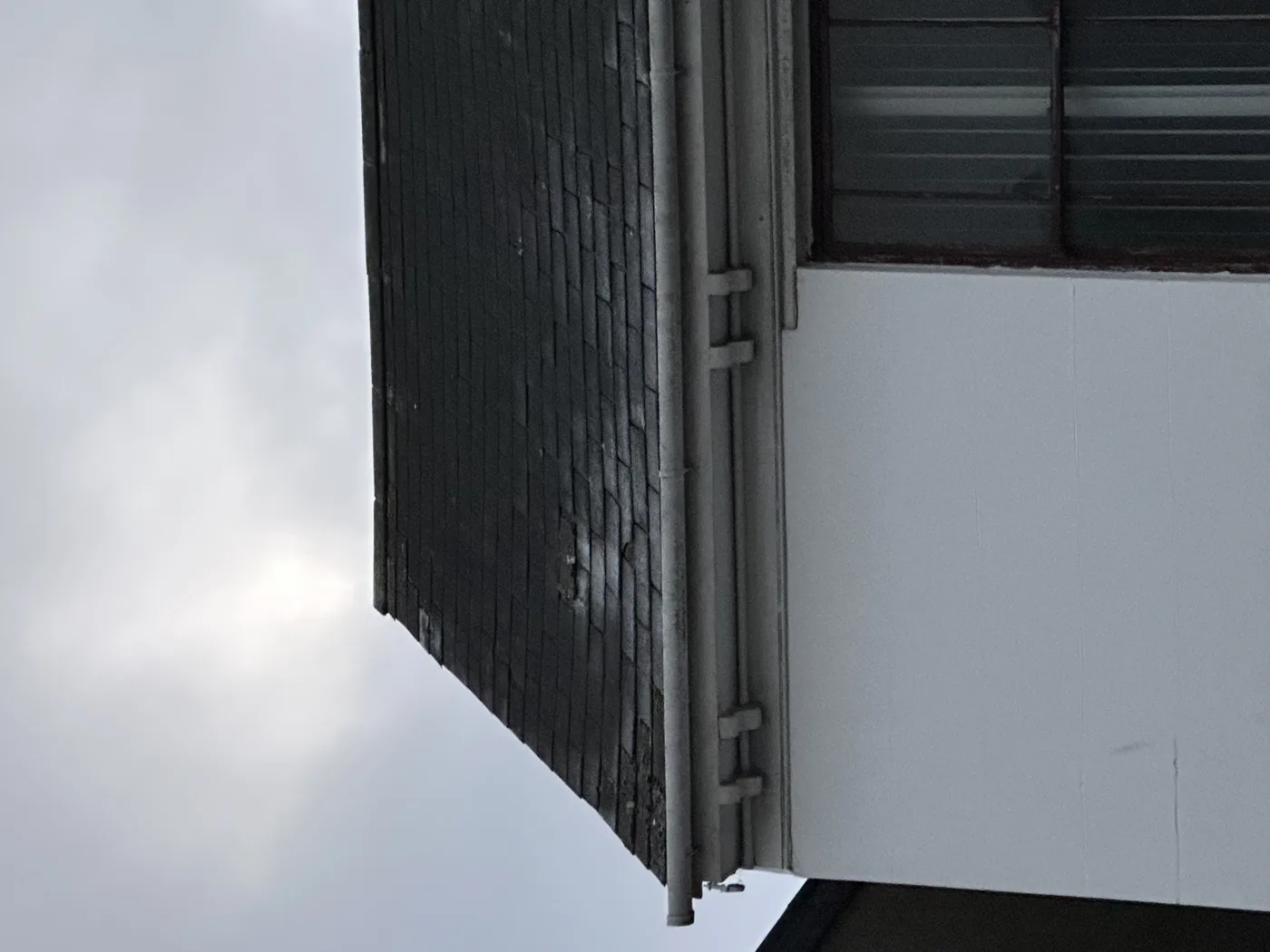
Roof Inspection and Survey Cost UK: What's Checked and the Price
Roof inspection cost UK 2026: what a ground, ladder or drone survey checks, typical prices for each, and when a written roof report is worth paying for.