How Often Should You Inspect Your Roof? A UK Guide
By the Professional Roofers team
Updated 2026 · Independent cost guide
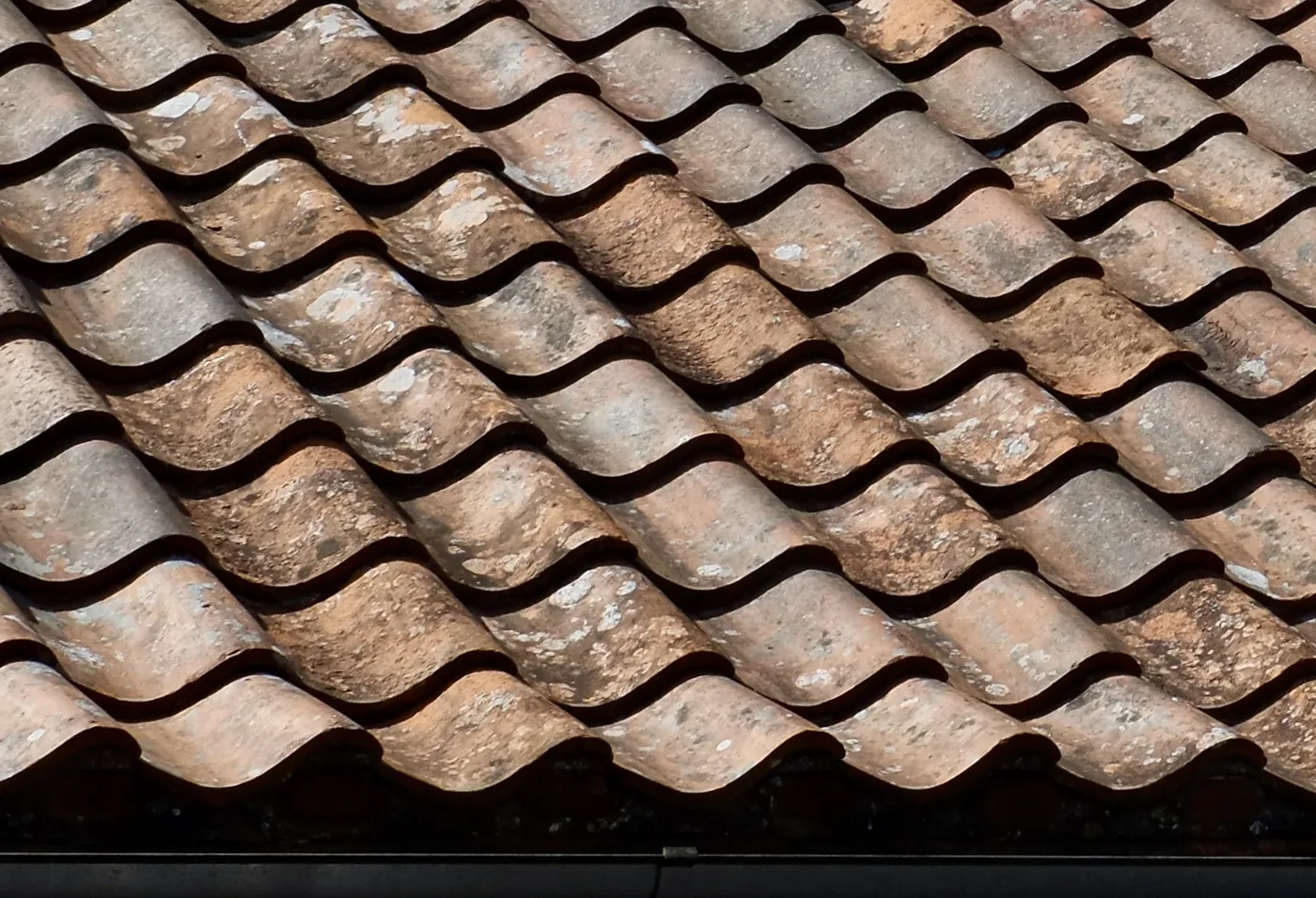
The honest answer to how often should you inspect your roof is twice a year, plus a quick look after any major storm. That rhythm catches the small problems (a slipped tile, a blocked gutter, a cracked bit of flashing) while they are cheap to fix, long before they turn into a leak that soaks the loft insulation and stains the ceiling below. A five-minute check now genuinely can save a four-figure repair later.
This guide sets out the sensible inspection schedule for a UK home, the checks you can safely do yourself from the ground, and the point at which it is worth paying a roofer to get up there properly.
The twice-a-year rule: spring and autumn
For most homes, two inspections a year is the right cadence, timed for the two seasons that matter most:
- Spring. Check for damage left behind by winter: tiles loosened or lifted by high winds, cracked flashing, and any moss growth that has taken hold over the cold, damp months.
- Autumn. Once the leaves have fallen, clear the gutters and downpipes and confirm everything is sound before the heavy winter rain and the first gales arrive. A blocked gutter in November is how water ends up backing under the tiles.
These two checkpoints bracket the harshest weather of the year, so you go into winter prepared and come out of it knowing what needs attention.
Always check after a storm
Beyond the twice-yearly routine, inspect after any severe weather: a named storm, prolonged heavy rain, or unusually high winds. This is when tiles slip, ridge tiles work loose and flashing lifts. A quick look straight afterwards, from the ground and up in the loft, means you catch storm damage while it is still a repair rather than a replacement, and while it may still be a straightforward insurance claim. Our guide to storm damage roof repair covers what to do and who pays.
What you can safely check yourself
You do not need to climb onto the roof to spot most problems, and you should not. Nearly everything shows up from two safe vantage points:
From the ground, using binoculars if you have them, look for:
- Slipped, cracked or missing tiles or slates.
- A sagging or dipping roofline, which can signal a structural problem.
- Damaged or loose ridge tiles along the top.
- Rusted, cracked or lifting flashing around chimneys and where roof sections meet.
- Plant growth, heavy moss, or gutters visibly full or sagging.
From inside the loft, ideally on a bright day with the light off, look for:
- Daylight coming through the roof where it should not.
- Water stains, damp patches or a musty smell on the timbers and insulation.
- Sagging felt or membrane between the rafters.
If you can see the underside of the tiles and spot daylight or drips, you have found a problem early, which is exactly the point of checking.
When to call a professional
Do not go up on the roof yourself. Working at height is genuinely dangerous, and it is the single most common way DIY roof checks go badly wrong. Bring in a roofer to inspect at close quarters when:
- Your ground or loft check turns up anything you cannot fully assess.
- The roof is more than 15 to 20 years old and has never had a professional survey.
- You are buying or selling the house and want a documented condition report.
- There is an active or suspected leak.
Many roofers now use drones or a pole camera to inspect without scaffolding, which keeps the cost of a look-over down. For what a professional check involves and typical prices, see our guide to roof inspection and survey costs.
Keep a simple record
Each time you inspect, jot down what you saw and photograph anything that looks off. A short log makes it obvious when a hairline crack has grown or a damp patch has spread since last time, and it is useful evidence for an insurer or a buyer’s surveyor later. Pair this schedule with the wider routine in our roof maintenance guide to get the full lifespan out of your roof.
For official guidance on maintaining a home and working safely at height, the Health and Safety Executive’s advice on safe working at height is worth reading before anyone considers going up a ladder.
Frequently asked questions
How often should you inspect your roof? Inspect your roof at least twice a year, ideally in spring and autumn, plus after any major storm or severe weather. Spring checks catch winter damage, autumn checks let you clear gutters before winter rain, and post-storm checks find slipped tiles and lifted flashing early.
Can I inspect my own roof? You can and should do the safe checks yourself: look from the ground (binoculars help) for slipped tiles, damaged flashing and full gutters, and check the loft for daylight, damp and water stains. Do not climb onto the roof itself, as working at height is dangerous; call a roofer for a close inspection.
What time of year is best to inspect a roof? Spring and autumn are ideal. A spring inspection reveals damage from winter storms and cold, while an autumn inspection, once the leaves are down, lets you clear the gutters and confirm the roof is sound before the wettest, windiest months.
How do I know if my roof has a problem? Warning signs include slipped, cracked or missing tiles, a sagging roofline, damaged flashing, heavy moss, and blocked or overflowing gutters. Inside, look for daylight through the roof, damp patches, water stains or a musty smell in the loft. Any of these means it is time for a closer look.
Should I get my roof inspected after a storm? Yes. High winds and heavy rain are the most common cause of slipped tiles, loose ridge tiles and lifted flashing. A quick check from the ground and the loft straight after a storm catches damage while it is still a small repair and while an insurance claim is more straightforward.
Want costs like this each month?
Join the Roofline brief for current UK prices and quote-reading tips.
More from Professional Roofers
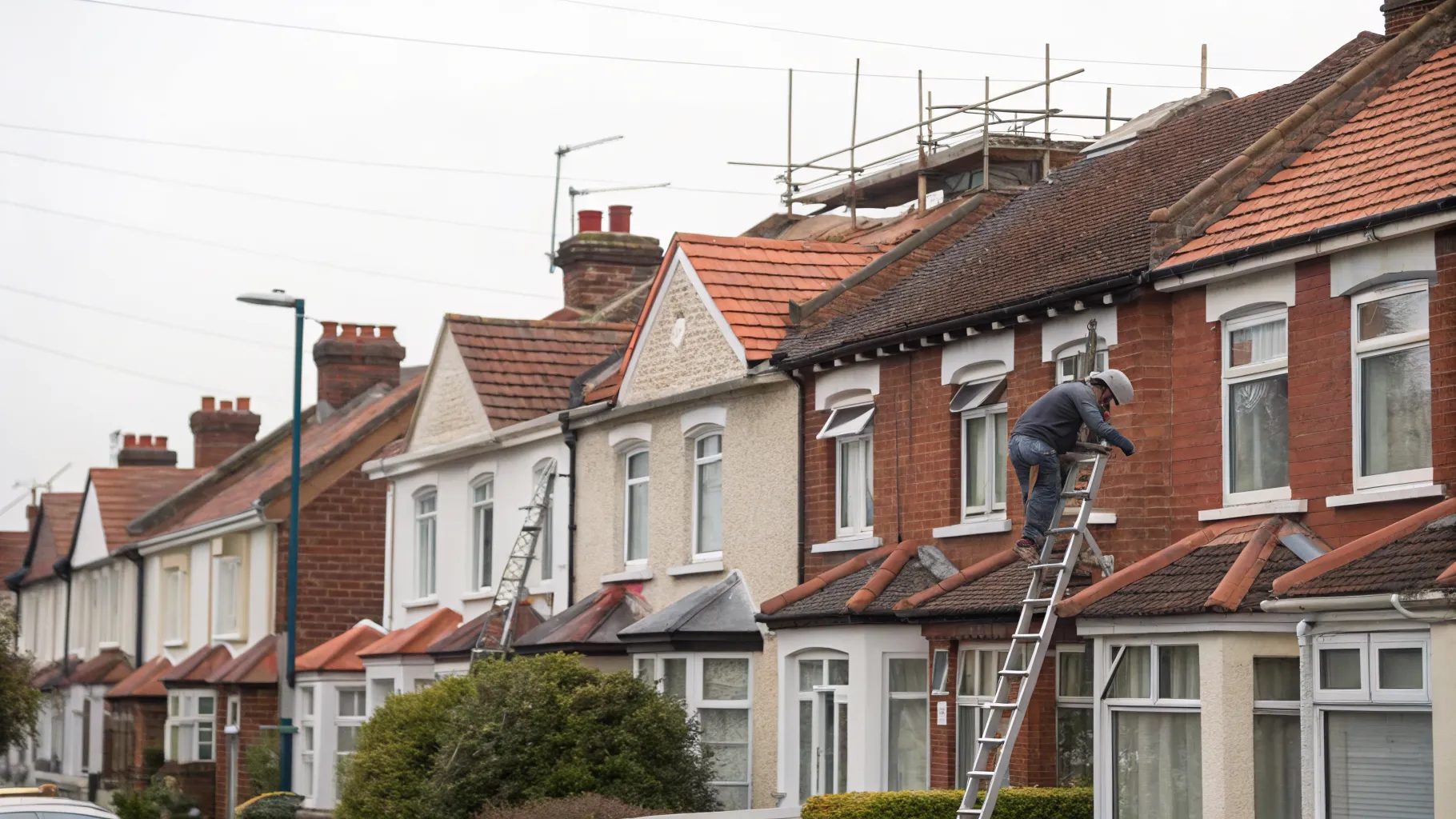
How Much Does a New Roof Cost in the UK in 2026?
What a new roof really costs in the UK in 2026, broken down by house size, material and the hidden extras, plus how to check you are being quoted fairly.
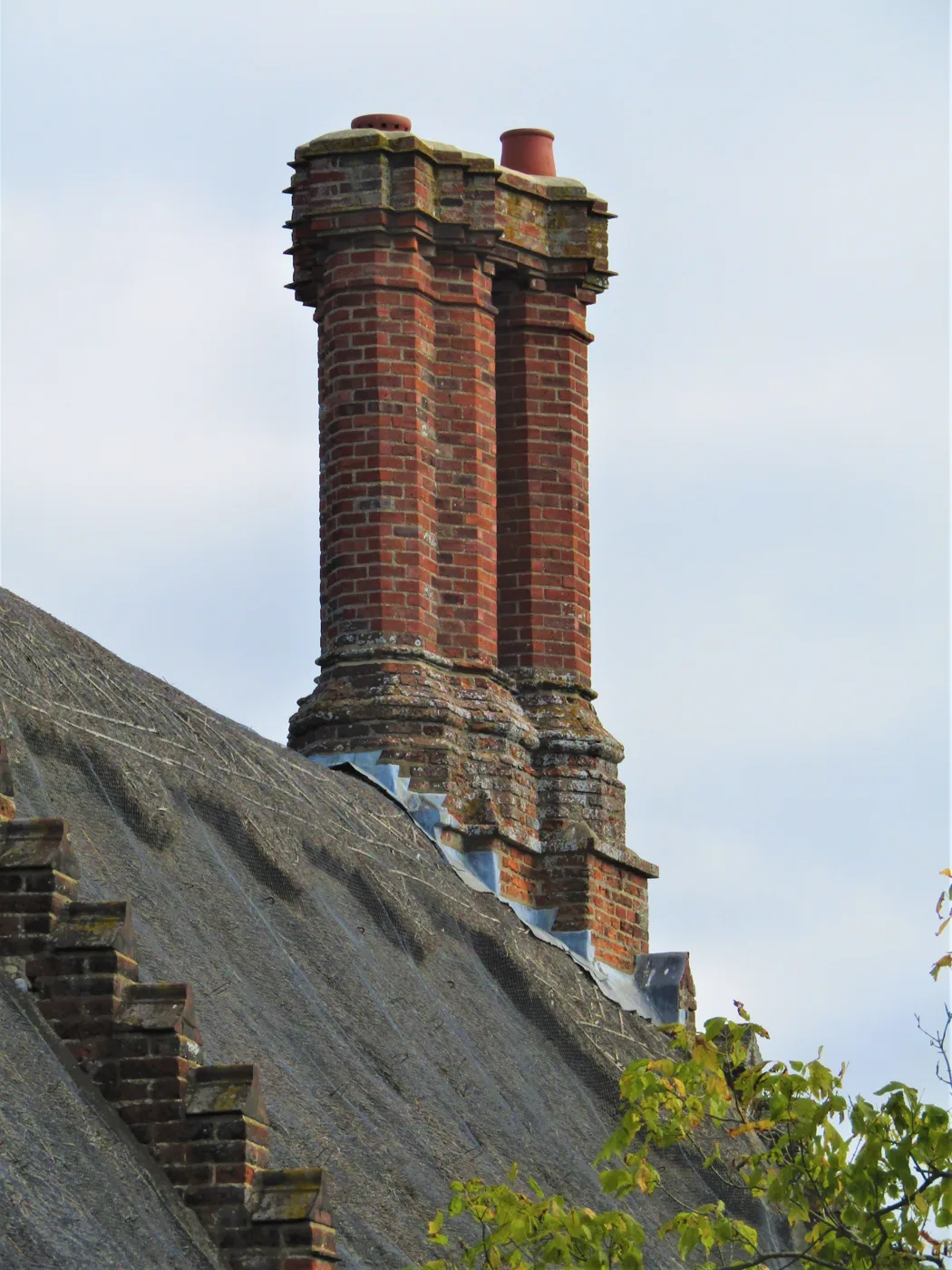
Chimney Repointing and Repair Cost UK (2026)
What chimney repointing cost is in the UK in 2026, why scaffolding drives the price, and how repointing compares to rebuilding, flashing and pot repairs.
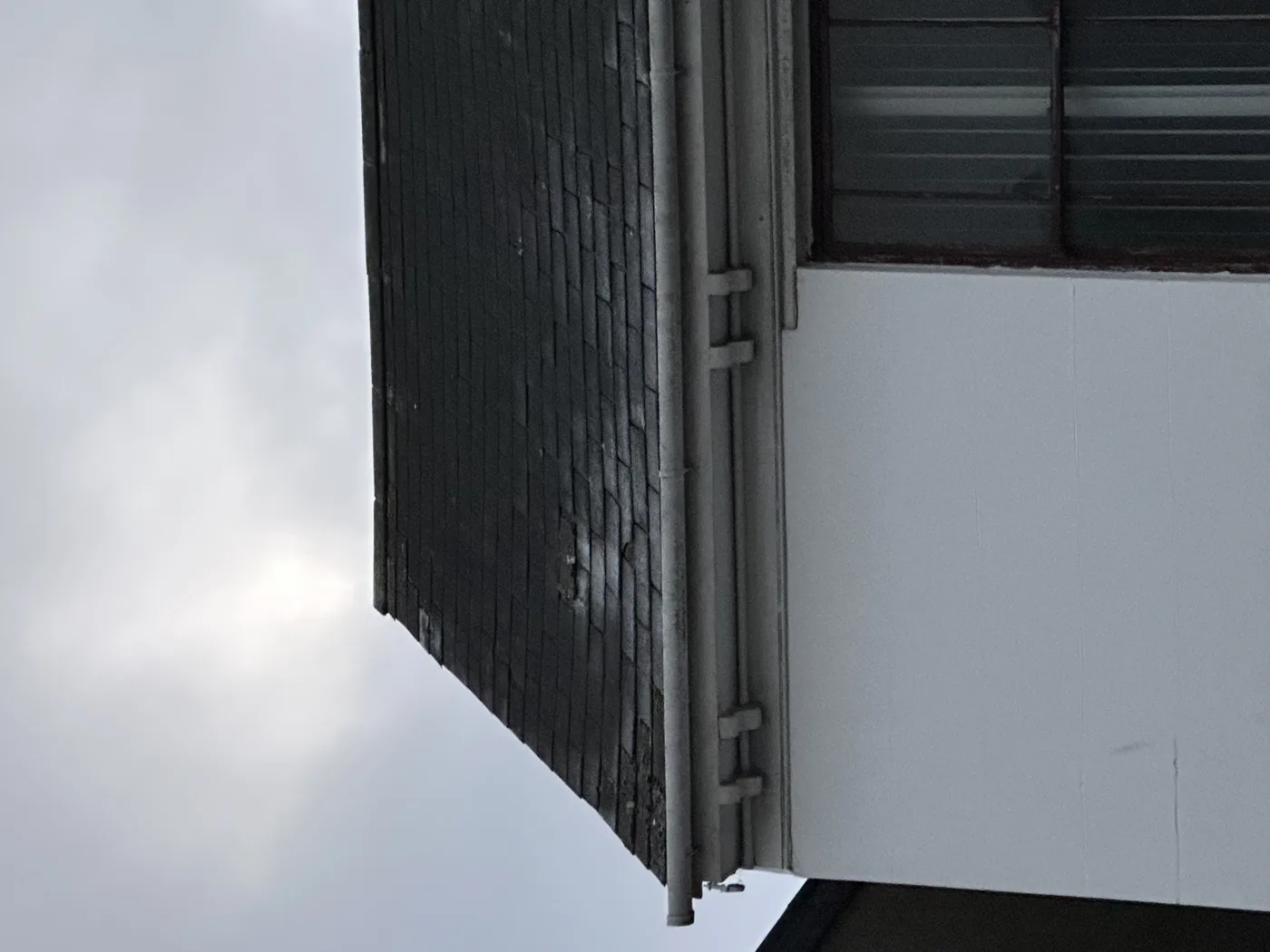
Roof Inspection and Survey Cost UK: What's Checked and the Price
Roof inspection cost UK 2026: what a ground, ladder or drone survey checks, typical prices for each, and when a written roof report is worth paying for.