Asbestos Removal Rule Changes on 24 November 2026
By the Professional Roofers team
Updated 2026 · Independent cost guide
Five things from the past week for anyone with a roof to look after. The Health and Safety Executive (HSE) is changing who can sign off an asbestos removal from 24 November, two firms were fined £20,000 each over roof work that went wrong, the solar certification body has cleared up how in-roof solar panels prove their fire rating, and builders say their material costs are rising again.
Asbestos: the analyst who checks the job must be independent
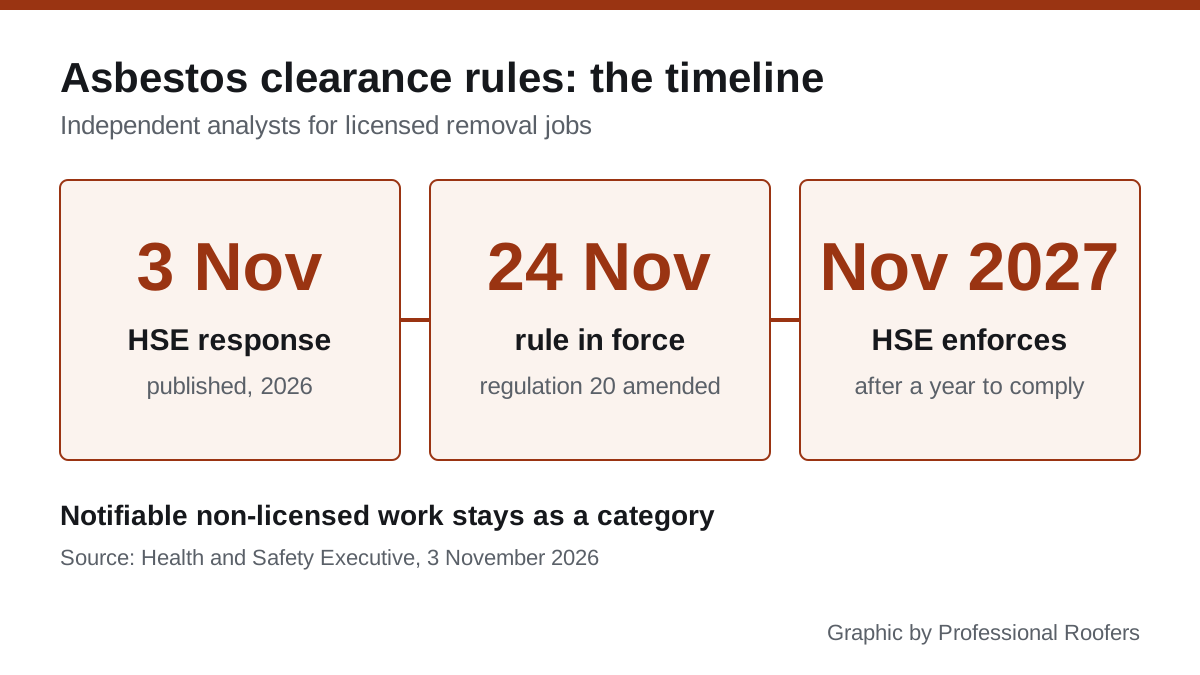
On 3 November the HSE published its response to a consultation on three changes to the Control of Asbestos Regulations 2012. One of them is going ahead. When a licensed asbestos removal contractor finishes a job, an analyst carries out a four-stage clearance, including air testing, before the area is declared safe to use again. At present the removal contractor can appoint that analyst, and the HSE says that creates a possible conflict of interest. It is amending regulation 20 of the regulations to remove it. The amendment comes into force on 24 November 2026, and firms have a year to comply before the HSE starts enforcing it in November 2027.
The HSE will also update its Approved Code of Practice (L143) and the Analysts’ Guide later this year, has published guidance on appointing third-party providers, and still strongly recommends using an accredited organisation for an asbestos survey. The category called notifiable non-licensed work is being kept, with better guidance to follow.
For most homeowners the change matters only if a licensed contractor is involved, for example to remove asbestos insulating board from a garage ceiling, a soffit or a boiler cupboard. If so, ask who is doing the clearance testing and make sure they are not the removal firm’s choice alone. The grey corrugated cement sheets on most old garages are usually non-licensed work, and nothing in this week’s change alters that; our asbestos garage roof removal guide explains where the lines fall and what paperwork to ask for. Sources: HSE and Roofing Today.
Welding sparks set a roof alight in Staines
Last week we reported a High Court ruling on a roofer’s fire insurance and the hot-work steps it depended on. This week the HSE showed what happens when those steps are skipped. C Watkins Plumbing Limited of Ramsgate was fined £20,000 and ordered to pay £8,270 in costs at Staines Magistrates’ Court on 29 October. On 26 June 2024 four subcontractors working under its control were installing an air source heat pump on the roof of a 14-storey block under construction in Staines-upon-Thames when sparks from welding lit uncovered rigid foam insulation laid across the roof. The fire spread across the whole roof before it burned itself out. The four men escaped through a single opening and down one ladder. There were no fire extinguishers and no way of raising the alarm, and the HSE found no risk assessment, no method statement and no permit for the welding, despite the company’s own policies requiring them.
The same risk applies on a house: torch-on felt and some leadwork use a naked flame close to insulation and timber. If your roofer will use a flame, ask how they protect the insulation, whether there is an extinguisher on the roof, and who stays to watch the area after the work stops. Our guides to felt roof repair costs, flat roof materials and questions to ask a roofer cover the conversation. Source: HSE.
A 10 metre fall through a fragile barn roof
AJ Riley Landscapes and Building Limited, of Caton in Lancashire, was fined £20,000 and ordered to pay £4,955 in costs at Warrington Magistrates’ Court on 3 November. On 24 February 2025 one of its workers, Josh Huddleston, was replacing a damaged skylight on a barn roof when he fell through it about 10 metres, fracturing his ribs, vertebrae and pelvis. The HSE found the work had not been properly planned and the workers had not been trained to use the controls set out in the company’s own risk assessment.
The same week, the Rooflight Association backed the National Federation of Roofing Contractors’ “Don’t Fall for Fragile” campaign, with a message that applies at home too: a rooflight that was sold as non-fragile can weaken with weathering and damage, and non-fragile never means safe to walk on. Asbestos cement garage roofs, old plastic conservatory roofs and rooflights should be treated as fragile unless someone competent has said otherwise, and a roofer who proposes to walk across one without boards, netting or another plan is the wrong roofer. Our guides to lean-to conservatory roof replacement and garage roof replacement costs cover those jobs. Sources: HSE and Roofing Today.
In-roof solar: MCS sets out how to test its fire rating
On 2 November MCS, the certification scheme for small-scale renewables, published guidance for test laboratories on how to test and classify roof integrated solar panel mounting systems against external fire. These are the in-roof systems where the panels replace tiles and form the roof covering itself. Changes to the European standard in September 2023 had left it unclear how these systems could get a fire classification, which is the main way of showing they meet the external fire requirements of building regulations, and which they need for MCS certification. MCS says a further note for certification bodies will follow in the coming weeks.
If you are choosing between in-roof and on-roof panels, ask the installer for the mounting system’s fire classification and its MCS certificate. The question will come up more often: MCS points out that the Future Homes Standard will make solar the default on new builds from next year. Our solar panels and your roof guide compares in-roof and on-roof systems. Sources: MCS and the guidance itself.
Builders report material costs rising again
The S&P Global UK Construction PMI, a monthly survey of building firms, fell to 43.6 in October from 46.1 in September, its 22nd month below the 50 mark that separates growth from decline. Housebuilding was the weakest part, at 35.1. More useful for anyone pricing roof work: input cost inflation rose to its fastest since June, with firms reporting fuel surcharges and higher prices for energy, aggregates, concrete, electrical items and steel, and suppliers’ delivery times lengthened by the most since May. If a quote is a few months old, check how long the price holds before you sign. Our roof cost per square metre page sets out what drives a price. Source: Roofing Today.
Want costs like this each month?
Join the Roofline brief for current UK prices and quote-reading tips.
More from Professional Roofers
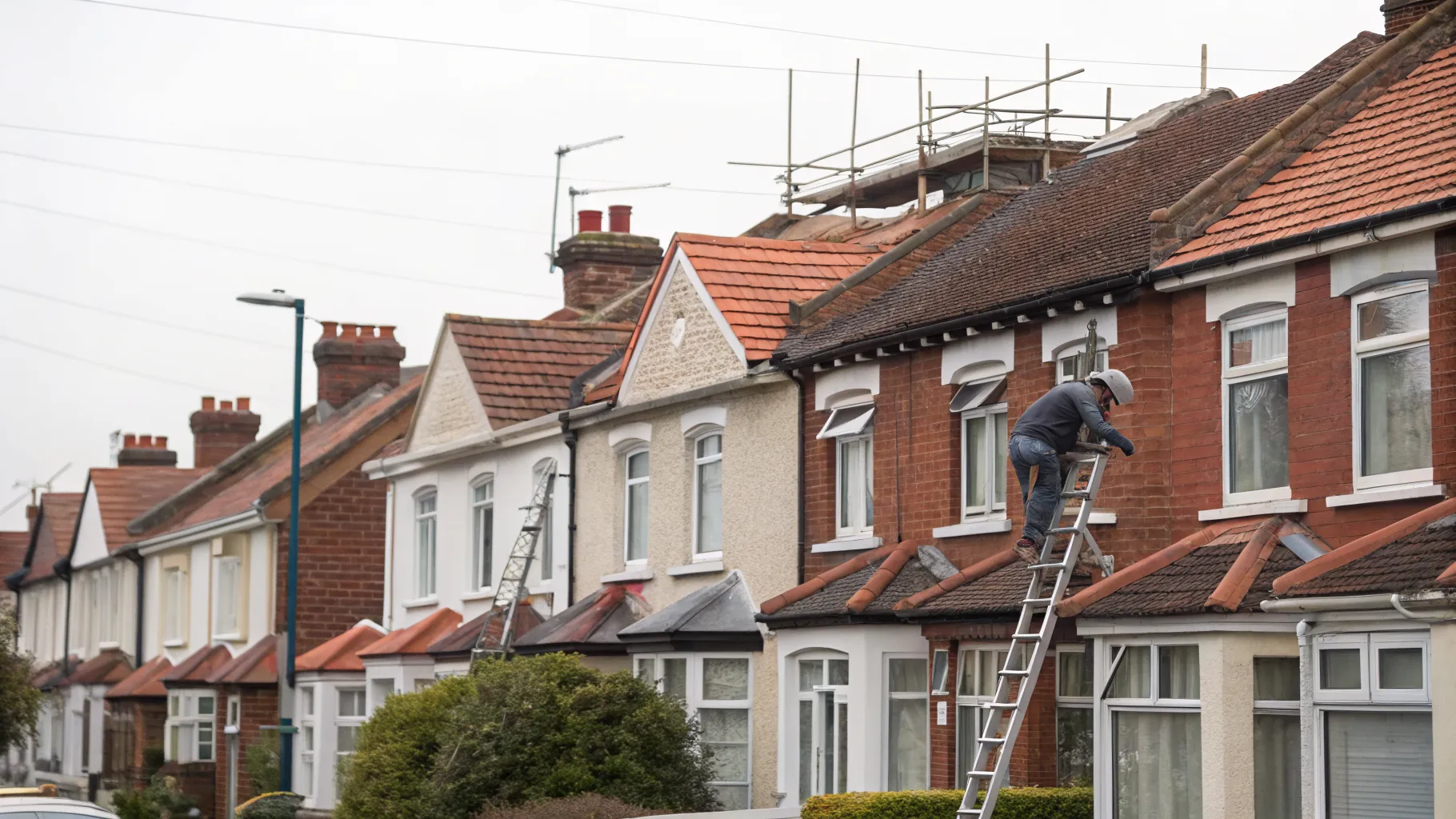
How Much Does a New Roof Cost in the UK in 2026?
What a new roof really costs in the UK in 2026, broken down by house size, material and the hidden extras, plus how to check you are being quoted fairly.
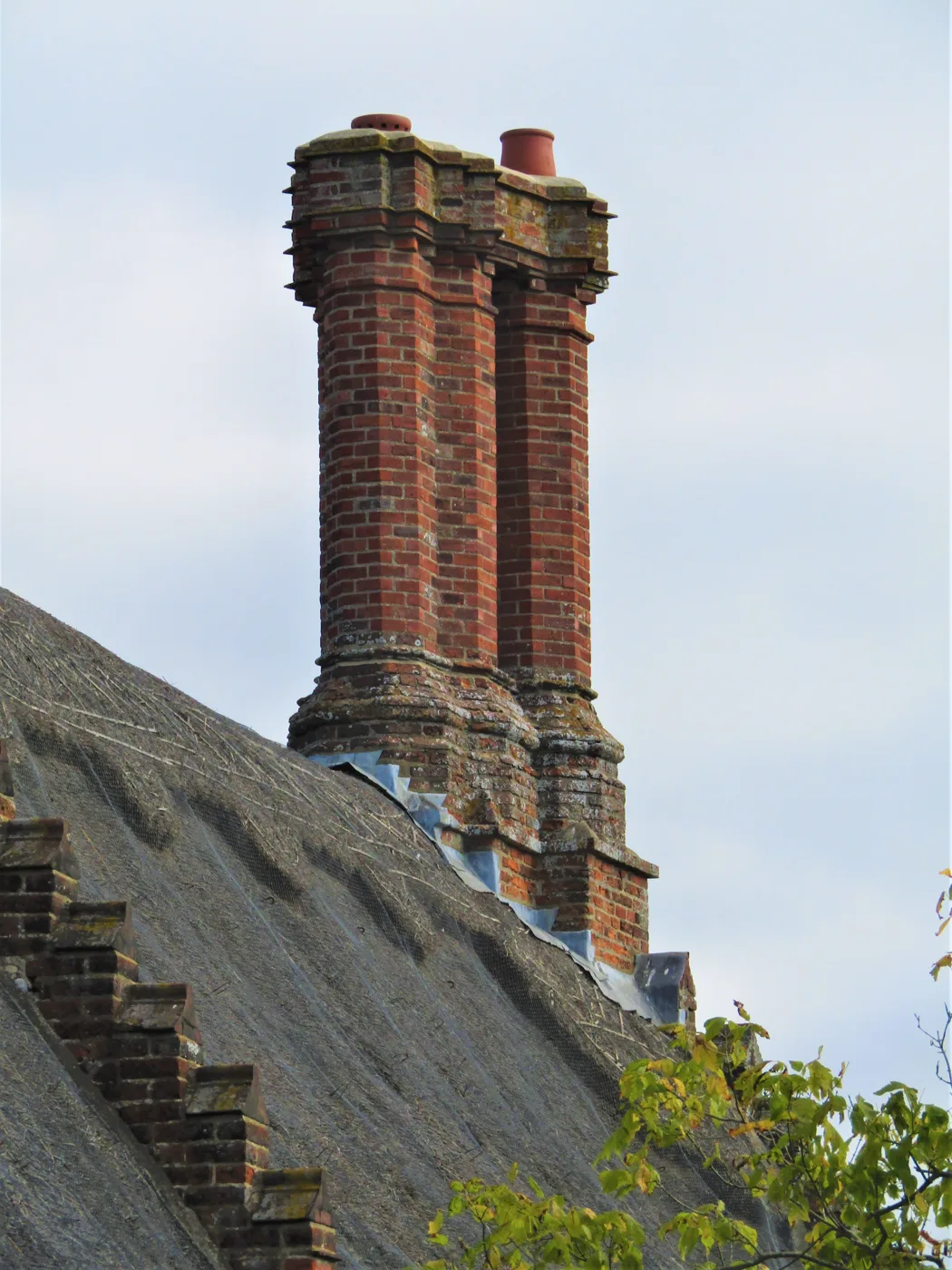
Chimney Repointing and Repair Cost UK (2026)
What chimney repointing cost is in the UK in 2026, why scaffolding drives the price, and how repointing compares to rebuilding, flashing and pot repairs.
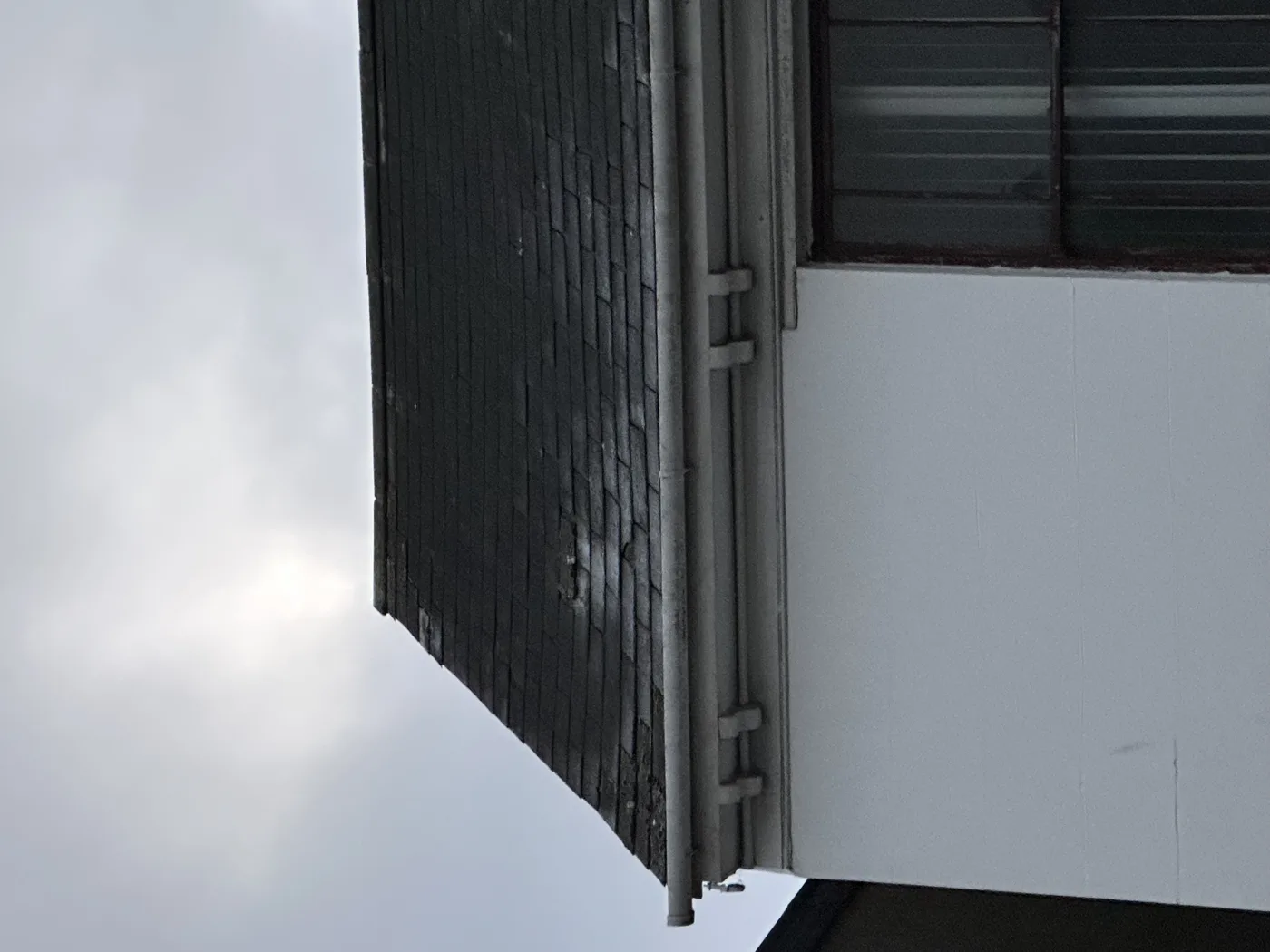
Roof Inspection and Survey Cost UK: What's Checked and the Price
Roof inspection cost UK 2026: what a ground, ladder or drone survey checks, typical prices for each, and when a written roof report is worth paying for.