Felt Roof Repair: Patching, Costs and When to Replace
By the Professional Roofers team
Updated 2026 · Independent cost guide
Felt Roof Repair: Patching, Costs and When to Replace
A felt roof repair is often the right first move when a flat felt roof on a garage, extension or bay window starts to leak, but it is only worth doing while the felt still has life left in it. Patch a young roof and you buy years for a modest sum; patch a roof that is already past fifteen and cracking all over, and you are throwing good money after bad. This guide gives honest 2026 UK price ranges, explains how the common repairs are done, and shows you how to tell whether a patch or a full replacement is the sensible call.
Felt roof repair cost in 2026
Here are the typical UK ranges for felt roof repairs. These are indicative figures to help you sanity-check a quote, not a substitute for a roofer seeing the roof, because access and the extent of hidden damage move the price more than anything.
| Repair | Typical cost range |
|---|---|
| Small patch or re-seal (a few square metres) | £80 to £350 |
| Flat roof patch repair by a roofer | £200 to £500 |
| Blister or split repair | £150 to £400 |
| Re-felt a small structure (porch or bay window) | £400 to £750 |
| Replacing rotten boarding beneath the felt | £20 to £40 per m² on top |
Most roofers work to a day rate of roughly £200 to £350 per person, so a quick patch is often a half-day visit, while anything that turns out to need boards replaced climbs quickly. If the felt comes up to reveal soft, wet decking, the job stops being a repair and starts becoming a partial rebuild.
How felt roof repairs are done
The right method depends on what has failed.
Blisters are pockets where air or moisture has lifted the felt. A roofer cuts the blister open, dries and cleans it, then bonds and seals a patch over the top. A blister on its own is usual wear and easily fixed; a field of them across the roof is a sign the felt is failing.
Splits and cracks appear where the felt has aged and lost flexibility, often along seams or at the edges. The roofer cleans back the area and bonds a new felt patch or applies a liquid repair over the split. Torch-on felt patches are heat-welded; older pour-and-roll systems are patched with cold adhesive or a compatible liquid.
Seam and flashing failures at upstands, around pipes and where the roof meets a wall are the most common leak points. These need the detail re-dressed rather than a simple flat patch, and are worth getting right because a bodged upstand leaks again within a season. For tracing the leak in the first place, see how to find a roof leak.
Whatever the fault, a good repair starts with a genuinely dry, clean surface. Felt bonded over damp or dirty material lifts again, which is why patches slapped on in the rain rarely last.
Repair or replace? The honest test
A felt roof lasts around fifteen years, sometimes a little more for a well-laid three-layer torch-on system. That lifespan is the key to the decision.
A patch is worth it when:
- The damage is localised, a single blister, split or a failed seam.
- The rest of the felt is sound, still flexible and not widely cracked.
- The roof is well within its expected life, not already fifteen-plus years old.
Lean towards replacement when:
- You see widespread bubbling, cracking or crazing across the surface.
- There are damp patches on the ceiling below after rain, suggesting water is already tracking through.
- The decking feels soft underfoot or the felt has been patched repeatedly.
Once a roof is failing generally, each new patch just moves the leak a few feet along, and you spend more in repeated call-outs than a clean replacement would have cost. At that point, weigh up the systems in our EPDM vs GRP vs felt comparison and see the flat roof replacement cost guide, since modern rubber and fibreglass systems often outlast felt for a similar spend. If the roof in question is a garage, our garage roof replacement cost page has the specifics.
For the wider picture on flat roof faults, flat roof problems and repairs covers ponding and drainage, which are often the real cause behind a felt that keeps failing.
Getting a repair quote worth trusting
Any roofer should look at the roof before pricing a felt repair, ideally from above rather than guessing from the ground. Ask them to tell you honestly whether they are patching sound felt or papering over a roof that needs replacing, and to note the condition of the decking. A trustworthy contractor will say when a repair is a false economy. To check a firm is competent and insured, look for membership of a recognised body such as the National Federation of Roofing Contractors, and for independent cost benchmarks the Checkatrade cost guides are a reasonable second reference.
Frequently asked questions
How much does a felt roof repair cost in the UK? A small patch or re-seal typically costs £80 to £350, and a flat roof patch repair by a roofer usually runs £200 to £500 depending on the size and access. If rotten boarding is found beneath the felt, add roughly £20 to £40 per square metre. These are indicative 2026 ranges, so always get the roof looked at before accepting a price.
Can you patch a felt roof or does it need replacing? You can patch a felt roof when the damage is localised, such as a single blister or split, and the rest of the felt is still sound and within its lifespan. If the surface is widely cracked or bubbling, there are damp patches on the ceiling, or the decking feels soft, patching becomes a false economy and replacement is the better spend.
How long does a felt roof last? A felt flat roof typically lasts around fifteen years, though a well-laid three-layer torch-on system can go a little longer. Once a roof reaches that age and starts cracking across the whole surface, repairs tend to fail quickly, so it is usually the point to plan a replacement rather than keep patching.
Why does my felt roof keep leaking after repairs? Repeated leaks usually mean the felt is failing generally rather than at one spot, so each patch just shifts the problem along. It can also be caused by ponding water sitting on a poorly draining roof, or by a patch bonded over a damp or dirty surface that then lifts. If patches keep failing, the roof likely needs replacing.
Can you repair a felt roof yourself? A very small, accessible blister or split can be patched with a compatible repair product, but felt roof repairs fail if the surface is not properly dry and clean, and torch-on work involves a naked flame that is a real fire risk on a roof. For anything at height, around upstands, or where the cause is unclear, it is safer and usually cheaper long-term to use a roofer.
Is a felt roof repair covered by home insurance? Insurers generally cover sudden, accidental damage such as a storm tearing felt, but not gradual wear or a roof that has simply aged and failed. A repair needed because the felt is past its lifespan is treated as maintenance and falls to you. Check your policy wording and see our guide on whether home insurance covers roof repairs.
Want costs like this each month?
Join the Roofline brief for current UK prices and quote-reading tips.
More from Professional Roofers
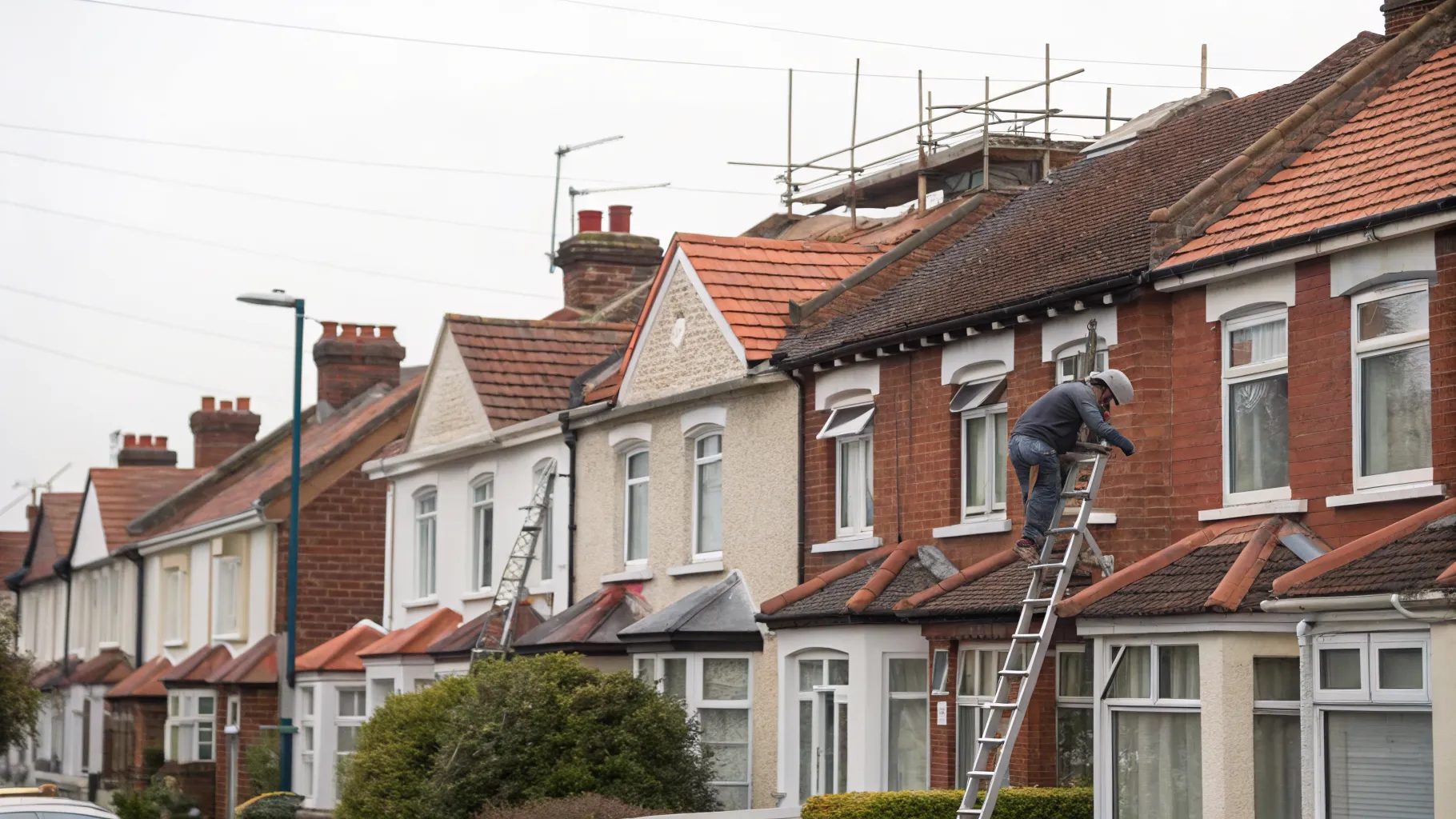
How Much Does a New Roof Cost in the UK in 2026?
What a new roof really costs in the UK in 2026, broken down by house size, material and the hidden extras, plus how to check you are being quoted fairly.
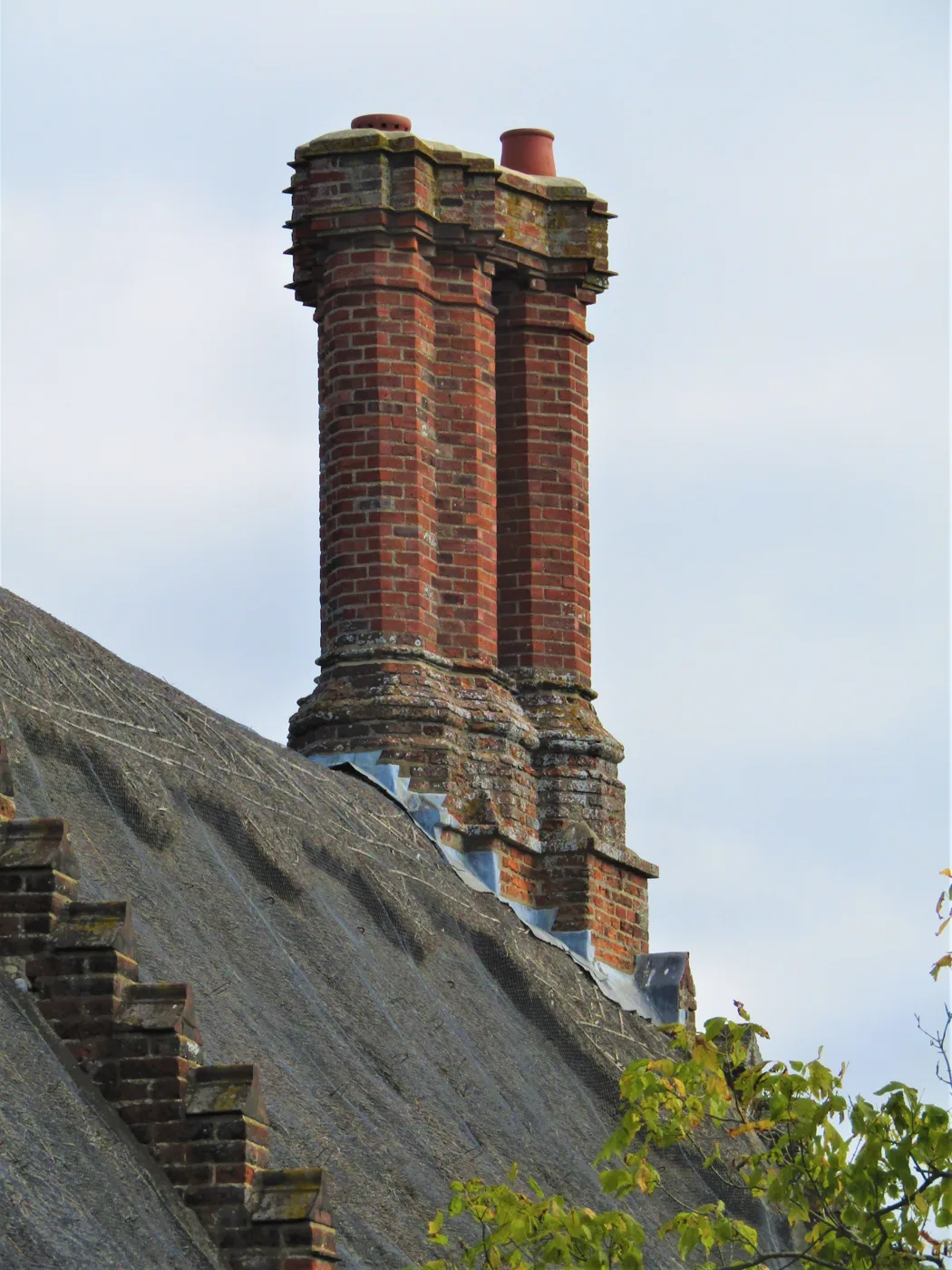
Chimney Repointing and Repair Cost UK (2026)
What chimney repointing cost is in the UK in 2026, why scaffolding drives the price, and how repointing compares to rebuilding, flashing and pot repairs.
Roof Inspection and Survey Cost UK: What's Checked and the Price
Roof inspection cost UK 2026: what a ground, ladder or drone survey checks, typical prices for each, and when a written roof report is worth paying for.