Lead Flashing Alternatives: Where Wakaflex Works, Where Lead Wins
By the Professional Roofers team
Updated 2026 · Independent cost guide
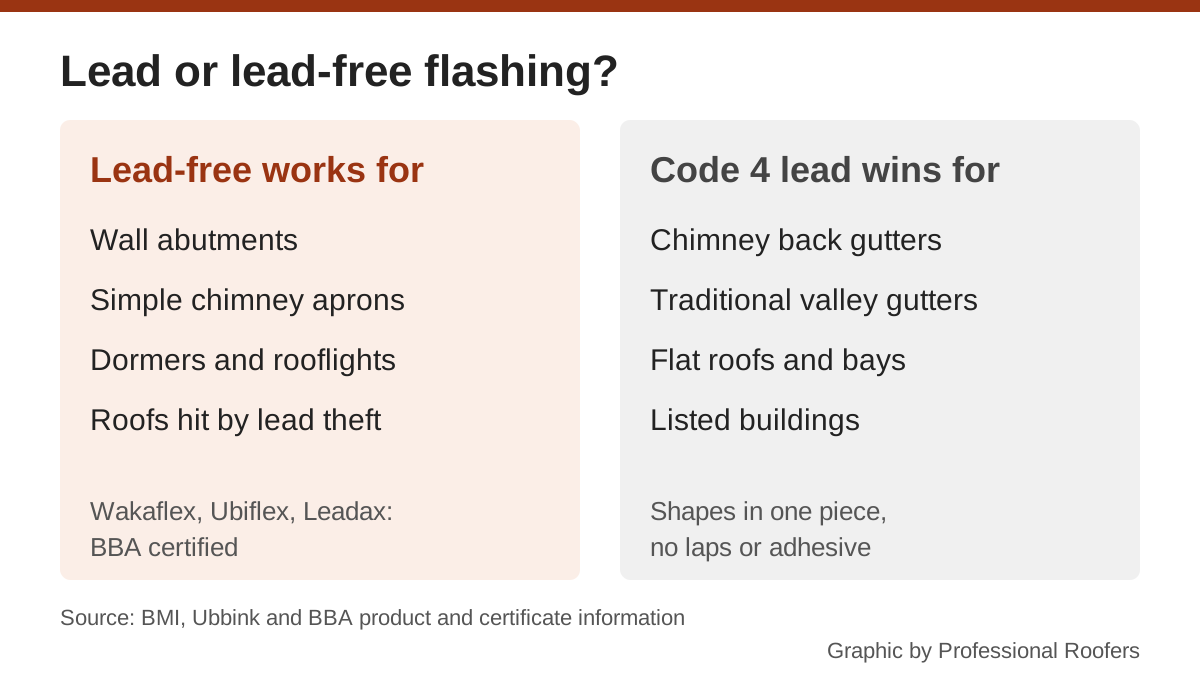
The main lead flashing alternatives used on UK roofs are flexible, self-adhesive sheets reinforced with aluminium mesh: BMI’s Wakaflex, Ubbink’s Ubiflex and Leadax are the best-known names, and all three have British Board of Agrément (BBA) certificates. They are lighter than lead, quicker to fit and worth nothing to a thief. For a standard abutment or a straightforward chimney on a modern house they do the job well. For complex leadwork, flat roofs and historic buildings, Code 4 lead is still the better material.
This page sets out what each substitute is, where they work, where lead still wins, and what to ask a roofer before you agree to either.
Why people look for lead alternatives
Three reasons come up again and again:
- Theft. Lead has a high scrap value. Flashings, valleys and whole roof coverings are stripped from churches, schools and houses, and the water damage that follows usually costs more than the lead.
- Weight and handling. Lead is heavy and needs skill to dress, boss and, on some details, weld. The substitutes are cut with a knife or shears and pressed into place.
- Speed. BMI says standard flashing details can be completed twice as quickly with Wakaflex as with lead, and Ubbink claims Ubiflex is up to 50% quicker to install and up to 80% lighter.
Lead has its own advantages, and they matter. It can be shaped into almost any three-dimensional form without joins, it tolerates movement when fixed to the right lengths, and correctly installed lead lasts for decades. Our page on lead flashing and leadwork covers the traditional material.
The main lead-free flashings sold in the UK
| Product | Maker | What it is | Certification and guarantee (maker’s figures) |
|---|---|---|---|
| Wakaflex | BMI (Redland range) | Lead-free flexible adhesive flashing with aluminium mesh | BBA certificate 09/4622; 20-year guarantee |
| Ubiflex | Ubbink | Aluminium mesh coated both sides with modified bitumen | BBA certified, BRE tested; 25-year product guarantee |
| Leadax | Leadax | Polyvinyl butyral (PVB) sheet with aluminium mesh | BBA certificate 17/5466, flat and pitched roofs |
Each comes in several widths and colours to match the roof, typically grey, black or red. The figures above come from the makers’ own product pages and, for Leadax, the BBA.
Wakaflex
The best-known substitute on pitched roofs. BMI describes it as suitable for “all wall abutments, chimneys and other rising parts of structures such as hips, valleys, saddles and dormers”. It is self-adhesive and is dressed onto the tiles, then the top edge is fixed and sealed into the wall or a cover flashing.
Ubiflex
A bitumen-based material that Ubbink lists for stepped, abutment, chimney, valley, dormer and rooflight flashings. Ubbink gives a minimum installation temperature of 5°C on its product listing, so it is not a product to fit on a frosty morning.
Leadax
A PVB sheet reinforced with aluminium mesh, certificated by the BBA for both flat and pitched roofs, which makes it one of the few substitutes with flat-roof certification.
Where the substitutes work well
- Abutment flashings where a pitched roof meets a wall, such as an extension or a lean-to against the house. This is the commonest use.
- Simple chimney aprons and side flashings on a modern house, especially where theft is a worry.
- Dormer cheeks and rooflights, where the detail is straightforward and the roofer follows the maker’s instructions. If you have a leak at a dormer, see dormer cheek leaks.
- Repairs where lead keeps being stolen. On a building that has lost its lead more than once, a material with no scrap value is often the practical answer.
Where Code 4 lead still wins
- Chimney back gutters and complex junctions. The back gutter behind a chimney stack is a three-dimensional box that has to hold water. Lead can be bossed or welded into one seamless piece. Flexible substitutes rely on folds, laps and adhesive, which is more vulnerable on awkward shapes.
- Valley gutters on traditional roofs. Long lead valleys laid in properly fixed lengths are proven over generations. Valleys carry a lot of water, and a failure there is expensive. Our roof valley types compared page covers the options, including dry valley troughs.
- Flat roofs and large areas. Lead roofs on bays and porches are a specialist job; only some substitutes are certificated for flat roofs, and the detail at drips and rolls matters.
- Listed buildings and conservation areas. Replacing lead with a modern material can change a historic roof’s character and may need listed building consent. Talk to your council’s conservation officer before you or a roofer decide.
- Where it will be on show. Lead weathers to a soft grey patina. Some substitutes look flatter or more plastic up close, which matters on a front elevation or a prominent bay.
What can go wrong with a substitute
Most failures come from fitting, not the material:
- Dirty or damp surfaces. Adhesive products need a clean, dry surface. Dust, moss and old mortar stop them sticking.
- Cold-weather fitting. Bitumen-based sheets have a minimum laying temperature; a roof done in a cold snap may not bond properly.
- No proper top fixing. The top edge still needs to go into a cut chase in the mortar joint, be clipped and sealed, or sit under a cover flashing, just as lead does.
- Wrong product for the detail. A product certificated for pitched roofs is not automatically right for a flat roof or a box gutter. Ask to see the BBA certificate’s scope.
Lead fails too: thermal movement cracks long lengths that were not split into the right sizes, and poorly chased flashings pull out. A good installer matters more than the material in both cases. Our page on roof flashing repair costs covers what typical repairs involve.
What to ask your roofer
- Which product, exactly, and is this detail within its BBA certificate? You can search the BBA’s certificate database for the certificate number.
- Will the maker’s guarantee apply? Most require installation to their instructions.
- How is the top edge fixed? Chased into the mortar joint and sealed, or under a cover flashing.
- Why this material here? A good roofer will happily explain why they use lead on the back gutter and a substitute on the side abutments, or vice versa.
- Is the building listed or in a conservation area? If so, have they checked whether consent is needed?
A clear answer to all five is a good sign. If a roofer is vague, see our list of questions to ask a roofer and how to read a roofing quote.
Frequently asked questions
What is the best alternative to lead flashing? For most pitched-roof abutments and simple chimneys, a BBA-certified product such as Wakaflex, Ubiflex or Leadax fitted to the maker’s instructions. For complex shapes, valleys and historic roofs, Code 4 lead is usually still the better choice.
How long do lead-free flashings last? The makers’ guarantees are 20 years for Wakaflex and 25 years for Ubiflex. Lead has a longer track record, lasting many decades when correctly sized and fixed.
Is Wakaflex as good as lead? On the details it is designed for, such as abutments and simple chimneys, it is a proven alternative with a BBA certificate. It is less suited to complex three-dimensional shapes such as chimney back gutters, where lead can be formed in one piece.
Can lead flashing alternatives be used on a chimney? Yes. Wakaflex, Ubiflex and Leadax are all marketed for chimney flashings. The back gutter behind the stack is the hardest part, so ask your roofer how they will form it.
Do lead alternatives stop lead theft? Yes, in the sense that they have no scrap value, which is why they are popular on buildings that have been targeted.
Can I use a lead alternative on a listed building? Possibly, but replacing lead with a different material may need listed building consent. Check with your council’s conservation officer before any work starts.
Sources
- BMI UK, Wakaflex lead replacement flashings, read 14 October 2026.
- Ubbink UK, Ubiflex Standard product pages, read 14 October 2026.
- British Board of Agrément, Agrément Certificate 17/5466 (Leadax) and 09/4622 (Wakaflex).
Want costs like this each month?
Join the Roofline brief for current UK prices and quote-reading tips.
More from Professional Roofers
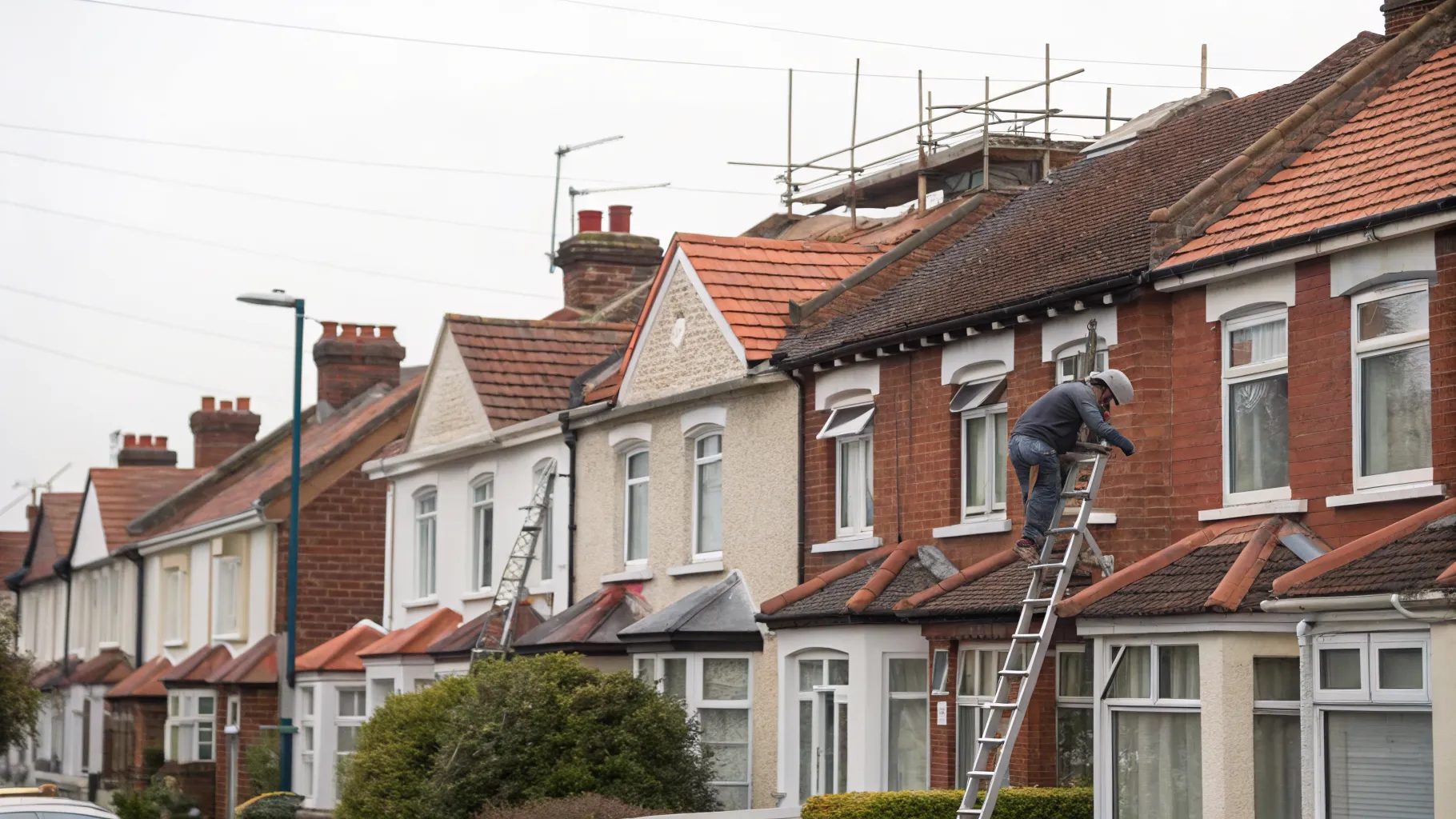
How Much Does a New Roof Cost in the UK in 2026?
What a new roof really costs in the UK in 2026, broken down by house size, material and the hidden extras, plus how to check you are being quoted fairly.
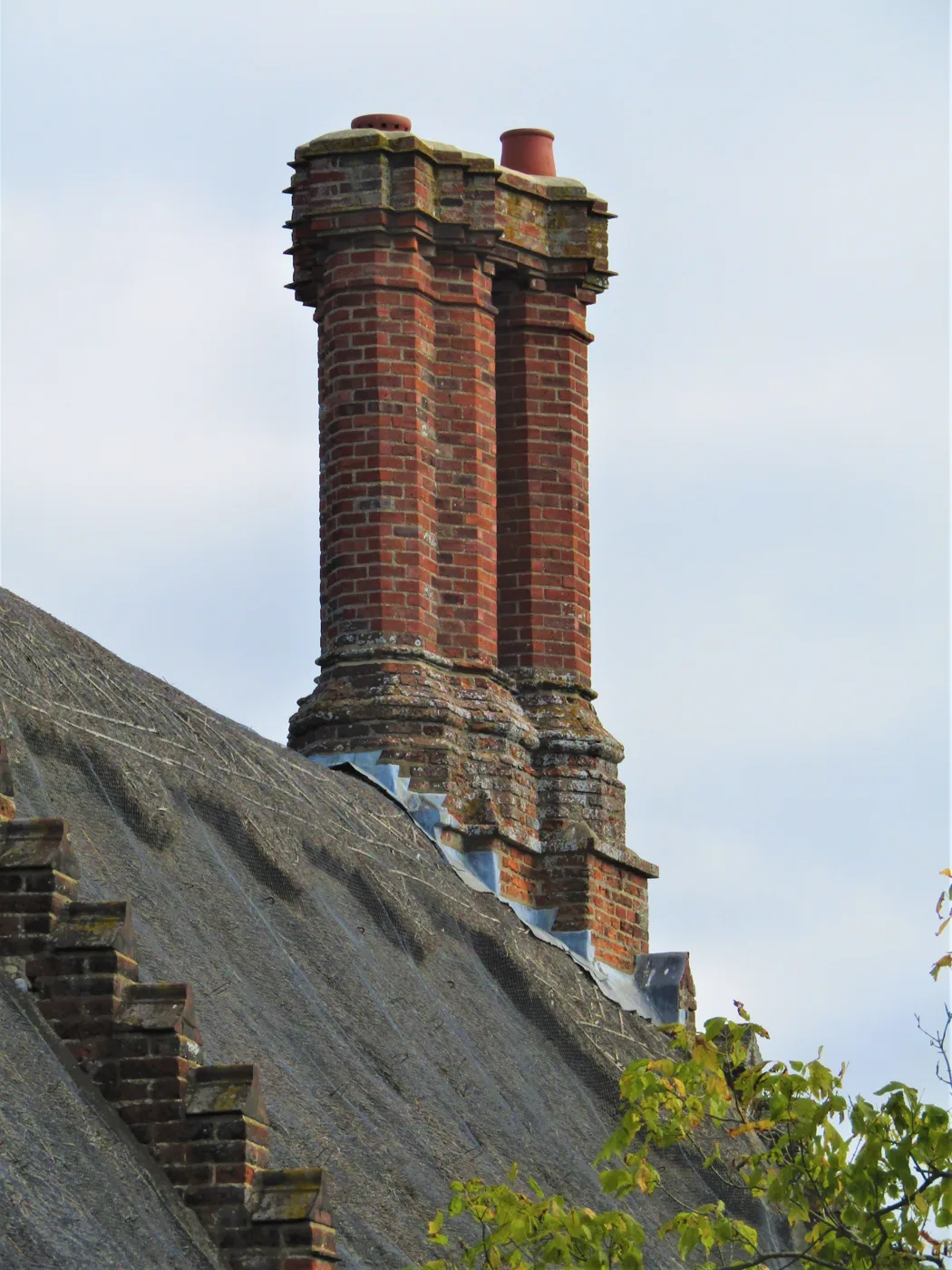
Chimney Repointing and Repair Cost UK (2026)
What chimney repointing cost is in the UK in 2026, why scaffolding drives the price, and how repointing compares to rebuilding, flashing and pot repairs.
Roof Inspection and Survey Cost UK: What's Checked and the Price
Roof inspection cost UK 2026: what a ground, ladder or drone survey checks, typical prices for each, and when a written roof report is worth paying for.