Lead Code Numbers: Code 3 to 8, and Which Goes Where
By the Professional Roofers team
Updated 2026 · Independent cost guide
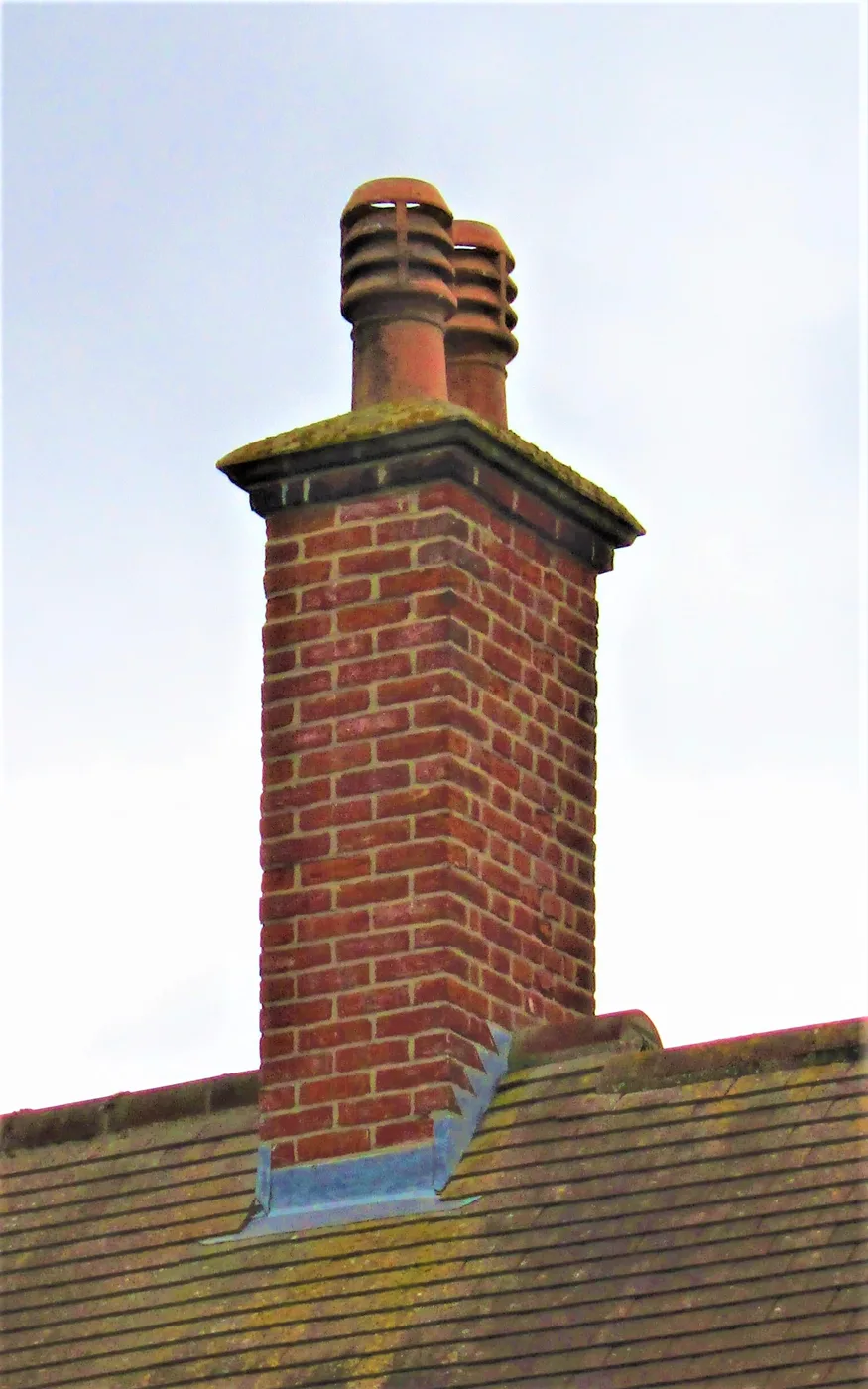
Lead code numbers describe how thick and heavy a lead sheet is. They run from Code 3 to Code 8 under the British and European standard BS EN 12588, and the number has a neat origin: it is roughly the old weight of the sheet in pounds per square foot. Code 4 lead was sold as about 4lb per square foot; today it is specified as 1.80mm thick and 20.41kg per square metre. The higher the code, the thicker the lead, the longer it lasts, and the more it costs.
Getting the code right matters more than most homeowners realise. The Lead Sheet Training Academy, the body that sets UK practice for leadwork, says it regularly sees “the wrong codes of lead used in particular situations or the individual pieces of lead sheet installed in too long a piece”, and that is the root of most cracked flashings that get blamed on the weather.
The six lead codes
| Code | Thickness | Weight | Typical roof uses |
|---|---|---|---|
| Code 3 | 1.32mm | 14.97kg/m² | Soakers and light work where the lead moves very little |
| Code 4 | 1.80mm | 20.41kg/m² | Step flashings, cover flashings, aprons, abutments |
| Code 5 | 2.24mm | 25.40kg/m² | Chimney back gutters, wider aprons, valleys, exposed flashings |
| Code 6 | 2.65mm | 30.05kg/m² | Valleys, box and parapet gutters, small flat roofs |
| Code 7 | 3.15mm | 35.72kg/m² | Flat roofs, deep gutters, wide cappings, exposed sites |
| Code 8 | 3.55mm | 40.26kg/m² | Large flat roof bays, high-exposure and heritage work |
Thicknesses and weights are the BS EN 12588 values. The uses are the common practice reflected in the Lead Sheet Training Academy’s Rolled Lead Sheet Manual and supplier guidance; the manual itself sets out the exact limits for each detail.
Rolls carry a coloured marking that identifies the code. Check the label on the roll, or ask to see it, rather than judging by eye: a 0.44mm difference between Code 4 and Code 5 is hard to spot once the lead is dressed.
Which code goes where on a typical house
Soakers. The small pieces of lead interleaved with each course of plain tiles or slates against a wall or chimney. They are hidden, short and barely move, so Code 3 is normal, though many roofers use Code 4 throughout.
Step and cover flashings. The stepped lead on the sides of a chimney or along a wall abutment, tucked into the mortar joints. Code 4 is the standard. This is where most domestic leadwork sits.
Front aprons. The lead across the downslope face of a chimney or the base of a dormer. Code 4 is common; Code 5 on wider aprons or exposed roofs.
Chimney back gutters. The little lead gutter behind the stack, on the uphill side, which takes all the water running down the slope above. It works hard and holds water, so Code 5 is the usual choice. A chimney leak that starts at the back is very often an under-specified back gutter.
Valleys. Lead-lined valleys carry the full run-off from two slopes. Code 5 or Code 6 is typical. Our guide to roof valley types compares lead with GRP and dry valley systems.
Gutters and flat roofs. Box gutters, parapet gutters and lead flat roofs use Code 6 to Code 8, laid in bays with drips and rolls so each sheet can move.
Dormer cheeks. Vertical lead cladding on dormer sides is usually Code 4 or Code 5 depending on size and exposure. If yours is leaking, see dormer cheek leaks.
Why too-thin lead cracks
Lead expands and contracts a lot with temperature. It moves about 0.03mm per metre for every degree, and a roof in direct sun can swing by 60°C or more between a winter night and a summer afternoon. On a 1.5 metre flashing that is close to 3mm of movement, back and forth, every day.
If the piece is fixed properly and kept to the right length, it moves freely and lasts for generations. If it is too thin for the job, too long, or held too tightly, the movement concentrates in one spot. The lead slowly fatigues and a crack opens, often in a straight line along a fold or near a fixing. Thin lead also creeps: it sags and slides downhill under its own weight over the years.
That is why a crack in a flashing that is only a few years old is usually a specification or workmanship fault, not bad luck. The Lead Sheet Training Academy says correctly installed lead can last more than 80 years in the lower codes and over 100 years in the higher ones.
The 1.5 metre rule, and other limits
The most widely broken rule in domestic leadwork is length. Per the Lead Sheet Training Academy:
- Lead flashings should be installed in pieces no longer than 1.5 metres, lapped at the joints.
- Where a flashing is stuck along one edge to felt, asphalt or a single-ply flat roof, keep pieces to 1 metre, because the bonded material moves at a different rate.
- Laps depend on pitch. The common belief that a flashing should overlap the tiles by 150mm is only true at about 30 degrees. Laps range from 75mm on vertical work to 395mm on low pitches, and more on severely exposed buildings.
- Lead on flat roofs needs a fall of at least 1:80, just over 1 degree, so water does not pond against joints that are designed to let the lead move rather than to be watertight under standing water.
- Free edges must be clipped, so wind cannot lift them.
A long single piece of flashing along a wall abutment is an easy tell of a rushed job. So is lead stuck down with sealant along its whole length.
Checking a quote
When you get a price for leadwork, ask:
- Which code is being used for each part? A quote that just says “new lead flashing” does not tell you whether the back gutter is Code 5 or Code 4.
- Will the lead be dressed and wedged into the joints, or stuck on with sealant? Flashing tape and mastic are not a substitute for dressed lead.
- Will it be treated with patination oil? New lead can wash white staining onto the tiles and brickwork below; patination oil applied on the day prevents it.
- Is the roofer trained to Lead Sheet Training Academy standards?
For typical prices per metre and for a whole chimney, see our lead flashing guide and roof flashing repair cost. For the rest of the paperwork, see how to read a roofing quote.
Frequently asked questions
What do lead code numbers mean? They are the thickness grades of rolled lead sheet, from Code 3 (1.32mm) to Code 8 (3.55mm). The number is roughly the old weight in pounds per square foot.
What lead code should be used for flashings? Code 4 for most step, cover and apron flashings on a house. Code 5 is used for chimney back gutters, wider aprons and exposed positions.
Is Code 3 lead any good? For soakers, yes. It is too thin for flashings, aprons or gutters, where it is prone to cracking and creep.
How thick is Code 4 lead? 1.80mm, weighing 20.41kg per square metre.
How long can a lead flashing be? No longer than 1.5 metres per piece, or 1 metre where it is bonded along one edge to felt, asphalt or a single-ply roof.
Why has my lead flashing cracked? Usually because it is too thin for the job, installed in too long a piece, or fixed too rigidly to move with temperature changes. A recent crack points to a specification or installation fault.
Sources
- Lead Sheet Training Academy, The top ten dos and don’ts of rolled lead sheet, RIBA Journal, November 2025
- Lead Sheet Training Academy, Rolled Lead Sheet: The Complete Manual
- BS EN 12588, Lead and lead alloys: rolled lead sheet for building purposes
Want costs like this each month?
Join the Roofline brief for current UK prices and quote-reading tips.
More from Professional Roofers
How Much Does a New Roof Cost in the UK in 2026?
What a new roof really costs in the UK in 2026, broken down by house size, material and the hidden extras, plus how to check you are being quoted fairly.
Chimney Repointing and Repair Cost UK (2026)
What chimney repointing cost is in the UK in 2026, why scaffolding drives the price, and how repointing compares to rebuilding, flashing and pot repairs.
Roof Inspection and Survey Cost UK: What's Checked and the Price
Roof inspection cost UK 2026: what a ground, ladder or drone survey checks, typical prices for each, and when a written roof report is worth paying for.