Flat Roof Problems and Leak Repair: Ponding, Blisters and Fixes
By the Professional Roofers team
Updated 2026 · Independent cost guide
Flat Roof Problems and Leak Repair: Ponding, Blisters and Fixes
Most flat roof leak repair jobs come down to the same handful of causes, and knowing which one you are dealing with tells you whether you need a quick patch or a proper recover. A flat roof is not actually flat; it should have a slight fall to shed water. When that fall fails, or the surface ages, or a joint lets go, water finds its way in. This guide walks through the problems homeowners see most often, what causes each one, and how a roofer should fix it, so you can tell a lasting repair from a sticking plaster before you pay for one.
If water is already coming through, start with our guides on how to find a roof leak and why is my roof leaking, then come back for the flat-roof detail.
Ponding water
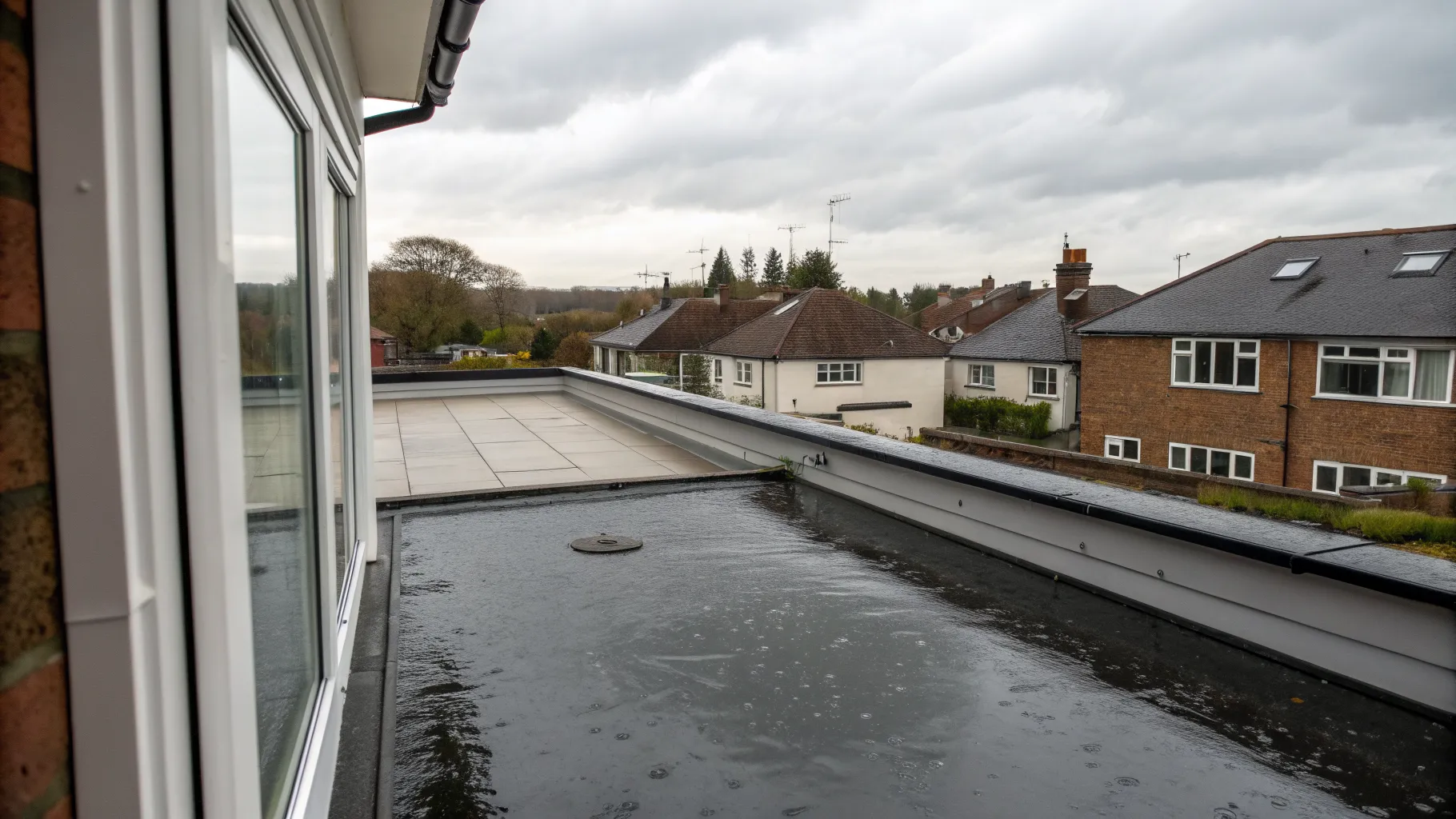
Ponding means water still sitting on the roof more than about 48 hours after rain. It is one of the most common reasons flat roofs end up needing repair. A little standing water is not an emergency, but sustained ponding accelerates the breakdown of the surface, especially on older felt, and the pooled water eventually finds the weakest joint or blister and gets in.
Ponding usually points to one of two things: not enough fall built into the roof, or blocked drainage backing water up. Clearing gutters, outlets and any debris is the first, cheapest fix and often solves mild cases. Where the fall itself is inadequate, a genuine cure means re-laying the deck or adding tapered insulation to create a slope, which is a bigger job than a surface patch. Beware any roofer who repeatedly patches a ponding area without addressing why the water sits there.
Blistering
A blister is a raised bubble where the surface has lifted off the layer beneath. It forms when air or moisture is trapped under the membrane and then heat and sunlight expand it, pushing the surface up. Small, intact blisters are not always urgent, but once one splits it becomes a direct entry point for water.
The fix depends on scale. An isolated blister can be cut, dried, and resealed or patched. Widespread blistering on an ageing felt roof is a sign the covering is near the end of its life, and re-covering the roof is usually more sensible than chasing bubble after bubble.
Splits, cracks and UV damage
Flat roof coverings live under constant sun and temperature swings. UV light degrades the surface over years, and repeated expansion and contraction from heating and cooling eventually makes materials split, particularly at stress points and where the covering has gone brittle with age. Cracks let water straight through and tend to spread.
A single clean split can be sealed or patched with a compatible material. Extensive cracking, like widespread blistering, is the roof telling you the covering is worn out rather than damaged in one spot.
Failed flashing and upstands
The joints where the flat roof meets a wall, chimney, parapet or rooflight are the single most common place for leaks. These upstands and flashings take a lot of movement and are fiddly to detail well, so poor original workmanship or simple age causes them to lift, crack or pull away. Water then runs behind them and into the structure.
Resealing or replacing the flashing and reforming the upstand is the standard fix. Because so many flat roof leaks start here rather than in the open field of the roof, a good roofer checks the perimeter and penetrations first.
Material-specific problems
The three common UK flat roof coverings fail in different ways:
- Felt (built-up roofing): tends to leak at the laps, edges and around rooflights, and shows its age through blistering, cracking and softened patches. Small areas can be patched; a widely aged felt roof is usually re-covered. See our felt roof repair cost page.
- EPDM rubber: the membrane itself is durable and long-lived, so failures concentrate at the seams, edge trims and around penetrations. Resealing joints, replacing trims and patching punctures are the typical repairs. Our EPDM rubber roofing guide explains the system.
- GRP fibreglass: rigid and hard-wearing, but it can crack at joints, trims and stress points where the roof flexes. Read the GRP fibreglass roofing guide for how it is repaired and recoated.
Patch or recover?
The honest test is whether the problem is a spot or a symptom. A single split, one lifted flashing or an isolated blister is a genuine repair job. But recurring leaks, widespread blistering, sustained ponding or a covering that is simply old all point to a roof that needs re-covering rather than another patch. Recurring leaks in particular usually mean the underlying cause, such as poor falls or wet insulation trapped in the build-up, is still there. A competent roofer diagnoses the root cause instead of chasing damp patches.
For a sense of what repairs typically run to, see our roof leak repair cost guide, and if water is coming in fast, our emergency roof repair page covers what to do first.
Preventing flat roof problems
Most flat roof failures are gradual and avoidable. Twice a year, and after big storms, clear leaves and debris from the surface, outlets and gutters so water can drain, and look for early blisters, splits, moss and any lifting at the edges. Catching a failing flashing or a small blister early is the difference between a modest repair and a full recover.
When you do call in a contractor, use one who will inspect and explain the cause, not just quote to seal the visible spot. You can find vetted firms through the National Federation of Roofing Contractors.
Frequently asked questions
Why does my flat roof keep leaking after being repaired? Recurring leaks usually mean the root cause was never fixed, only the symptom. Common culprits are ponding from poor falls, wet insulation trapped in the build-up, or a failing flashing near the patched area. A roofer should diagnose why water is getting in, not just reseal the damp patch.
Is ponding water on a flat roof a serious problem? A small amount of short-lived standing water is normal, but water that sits for more than about 48 hours accelerates the breakdown of the surface and eventually causes leaks. Clear the drainage first; if the water pools because the roof lacks fall, it needs re-laying or tapered insulation to cure properly.
Can you repair a flat roof leak yourself? A small, clearly identified split or blister can sometimes be patched with a compatible product, but flat roof leaks are notoriously hard to trace because water travels before it drips. If the cause is not obvious, or the covering is aged, a professional diagnosis avoids paying twice.
How do I know if my flat roof needs replacing rather than repairing? Widespread blistering or cracking, sustained ponding, repeated leaks in different spots, and a covering that is simply old all point to re-covering. One isolated fault on an otherwise sound roof is a repair. If you are patching the same roof repeatedly, replacement is usually the cheaper choice over time.
Which flat roof material lasts longest? EPDM rubber and GRP fibreglass generally outlast traditional felt, with EPDM valued for its durable single membrane and GRP for its rigid, seamless finish. The best choice depends on the roof’s design, drainage and budget, so compare the material guides before deciding.
Where do flat roofs leak most often? At the joints and upstands where the roof meets a wall, chimney, parapet or rooflight. These flashings take the most movement and are the most common failure point, which is why a good roofer inspects the perimeter and any penetrations before looking at the main surface.
Want costs like this each month?
Join the Roofline brief for current UK prices and quote-reading tips.
More from Professional Roofers
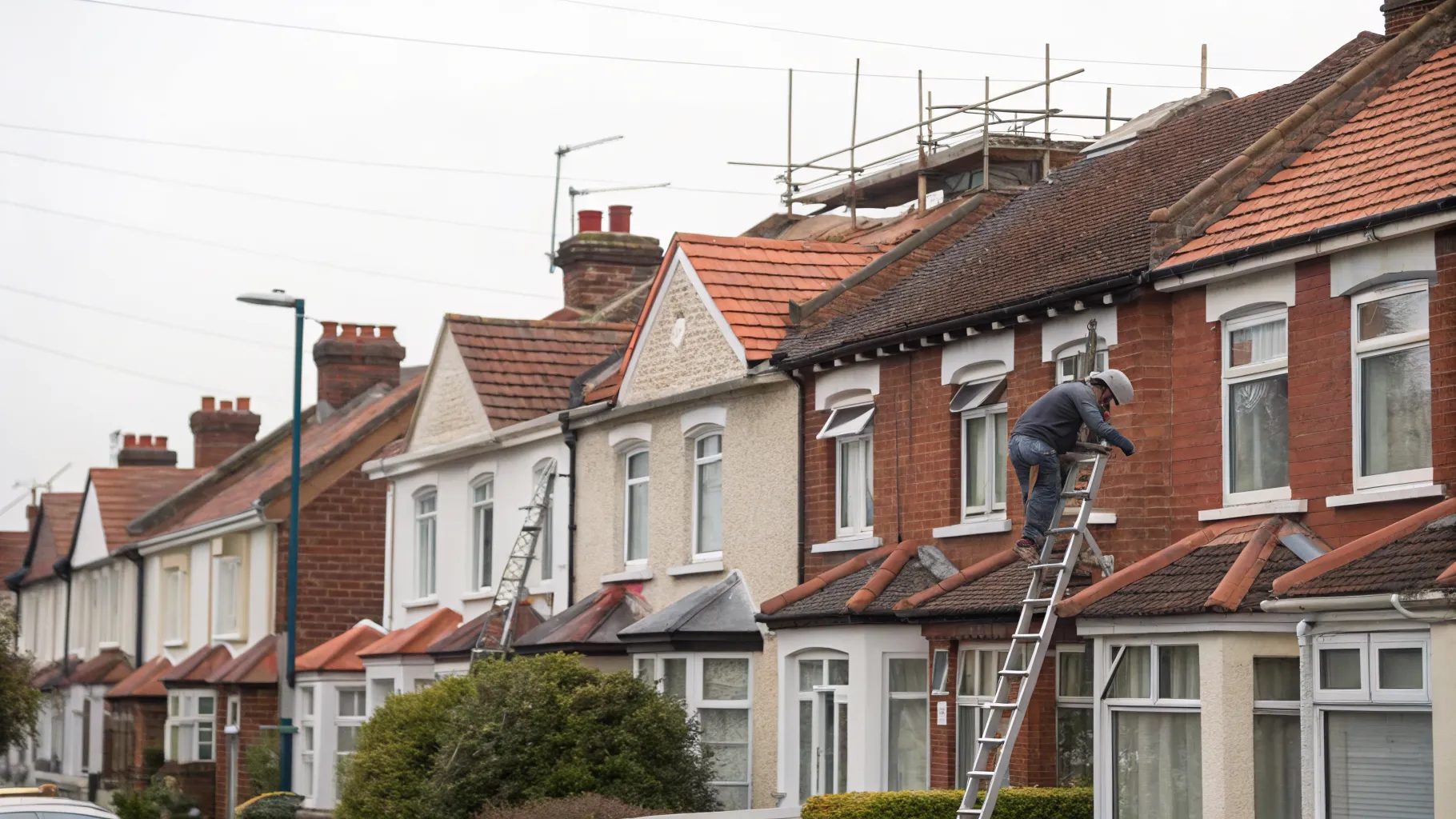
How Much Does a New Roof Cost in the UK in 2026?
What a new roof really costs in the UK in 2026, broken down by house size, material and the hidden extras, plus how to check you are being quoted fairly.
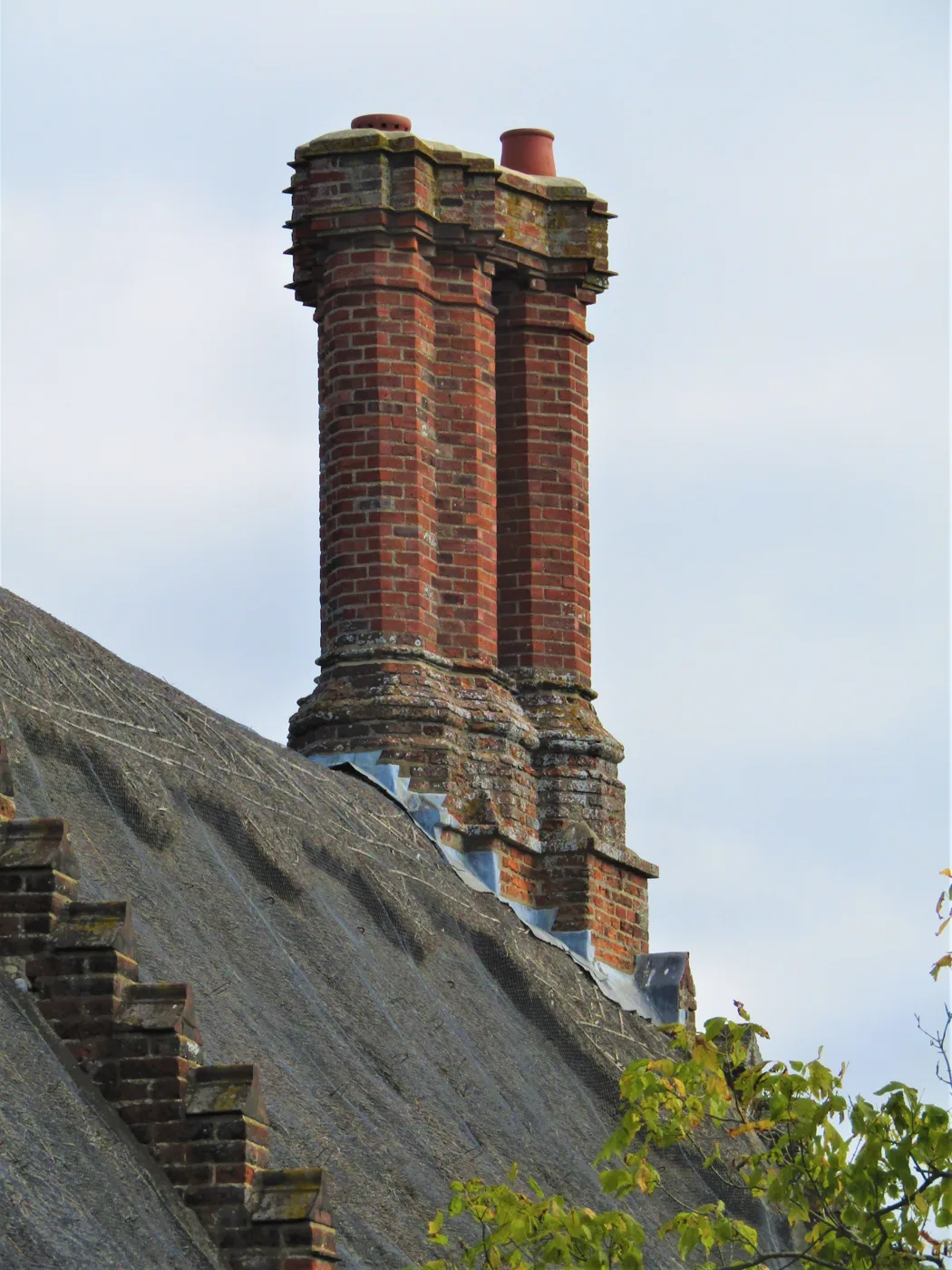
Chimney Repointing and Repair Cost UK (2026)
What chimney repointing cost is in the UK in 2026, why scaffolding drives the price, and how repointing compares to rebuilding, flashing and pot repairs.
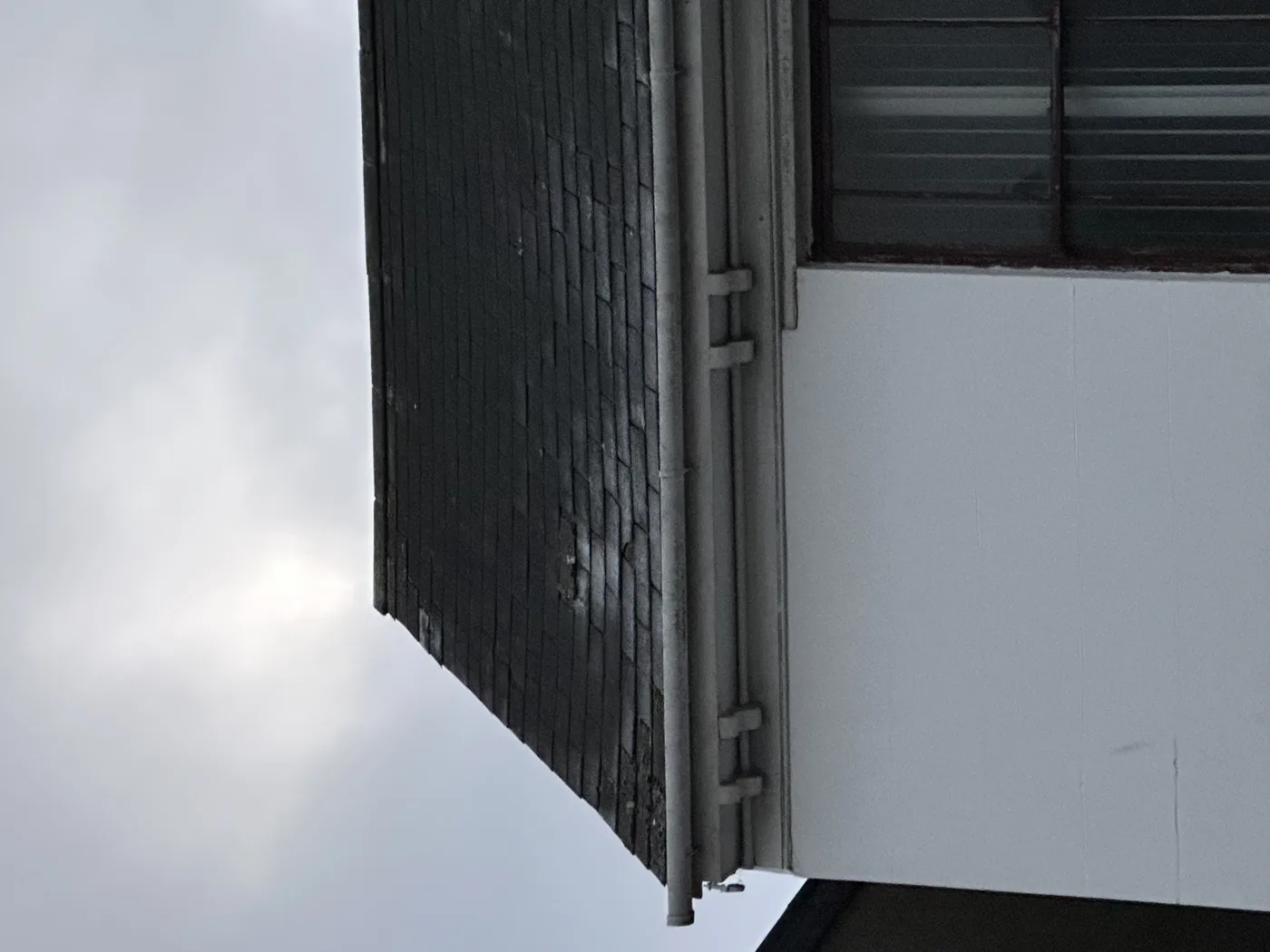
Roof Inspection and Survey Cost UK: What's Checked and the Price
Roof inspection cost UK 2026: what a ground, ladder or drone survey checks, typical prices for each, and when a written roof report is worth paying for.