Why Is My Roof Leaking? Common Causes and How to Find the Source
By the Professional Roofers team
Updated 2026 · Independent cost guide
If you are asking why is my roof leaking, the frustrating truth is that the damp patch on your ceiling is rarely directly below the fault. Water gets in high up, runs along a rafter or the underlay, and drips down somewhere completely different. That is why chasing the stain almost never finds the leak. This guide walks through the common UK causes in the order a roofer would check them, so you can narrow down the source before you pay anyone to climb up.
Once you have a rough idea of the cause, our guides on how to find a roof leak and roof leak repair costs take you to the next step.
First: is it actually rain getting in?
Before assuming the roof covering has failed, rule out condensation. If the “leak” appears in cold, dry weather rather than during heavy rain, or you see widespread light moisture across the loft timbers rather than a single wet track, the problem is very likely condensation from poor loft ventilation, not water ingress. Bathroom or kitchen extractor fans venting into the loft, blocked eaves vents, and too much insulation packed against the eaves all cause it. The fix is ventilation, not a roofer patching tiles.
If the damp only shows up during or shortly after rain, and it is a defined wet patch or a steady drip, then it is genuine water ingress and the causes below apply.
Slipped, cracked or missing tiles
This is the single most common cause of a leaking roof in the UK. A tile only has to lift or slide a few millimetres to break the overlap that keeps water out. From the ground it can still look in place, but rain now reaches the underlay beneath, and if it pools there it eventually finds a way through. Gales, thermal movement, foot traffic and failed nails or clips all cause tiles to slip over time.
Look for a tile sitting slightly lower than its neighbours, a gap, or bits of tile in the gutter. If you find one, our guide to slipped roof tile repair costs covers what putting it right involves.
Failed or lifted flashing
Flashing is the metal, usually lead, that seals the joins where the roof meets something else: a chimney, a wall, a dormer or a soil pipe. These junctions are the most leak-prone parts of any roof. Lead cracks with age and temperature swings, mortar pointing around it crumbles, and the flashing can lift in high wind. A tiny split in a chimney flashing can let in a surprising amount of water. If your damp patch is near a chimney breast or a wall the roof abuts, suspect flashing first. See roof flashing repair costs for what a fix typically costs.
Blocked or defective valleys
A valley is the internal angle where two roof slopes meet, and it carries a huge volume of water. A small defect, a hairline crack, a lifted tile edge, or a blockage from moss and leaves, can cause serious ingress in heavy rain. Because water enters high in the valley and runs down the rafters, the internal damp patch often appears well away from the valley itself, which is exactly why leaks are so hard to trace by eye.
Worn or torn underlay
Under the tiles sits a felt or membrane underlay, the roof’s second line of defence. On a roof over about 20 years old, older bitumen felt becomes brittle, tears and sags. Once it fails, any water that gets past a slipped tile has nothing to stop it reaching the loft. Widespread underlay failure is often the real reason an older roof “keeps leaking” after individual tile repairs, and it is one of the signs a roof is nearing the end of its life. Our guide to how long a roof lasts explains when repair stops being worthwhile.
Blocked or overflowing gutters
Not every water problem is the roof covering. Gutters clogged with leaves and moss overflow, sending water back up under the lowest course of tiles or down the wall behind the fascia. If the damp is at the very edge of the ceiling near an external wall, clear and check the gutters before anything else. It is the cheapest cause to rule out.
Ridge and hip tiles
The tiles capping the apex and the diagonal hips are bedded on mortar. Over decades that mortar cracks and washes out, ridge tiles loosen, and water gets in along the top of the roof. Loose ridge tiles are also a safety issue in high wind, so they are worth dealing with promptly.
What to do next
Contain the damage first: move furniture, put a bucket under the drip, and if water is pooling above a ceiling, pierce a small hole to let it drain in a controlled way rather than letting the ceiling collapse. Then decide whether it is an emergency. Active, heavy ingress during a storm is worth an emergency roof repair call; a slow stain that only shows in heavy rain can wait for a booked visit. If a recent storm caused it, our storm damage roof repair guide covers insurance and what to photograph.
When you do call a professional, use a member of a recognised trade body such as the National Federation of Roofing Contractors, and ask them to trace the source rather than just patch the nearest tile, because the entry point and the drip are usually in two different places.
Frequently asked questions
Why is my roof leaking when it rains but looks fine from the ground? Because most roof faults are small and hidden. A tile slipped a few millimetres, a hairline crack in flashing, or a blocked valley all look normal from below but let water reach the underlay and run inside. Water then travels along timbers before it appears as a damp patch, often far from the actual entry point.
Why is my roof leaking but there is no rain? If there is no rain, the most likely cause is condensation rather than a leak. Poor loft ventilation, extractor fans venting into the roof space, and blocked eaves vents cause moisture to form on cold timbers and drip. Look for widespread light dampness across the loft rather than a single wet track, which points to ventilation, not water ingress.
What is the most common cause of a roof leak in the UK? Slipped, cracked or missing tiles are the most common cause. A tile only needs to move a few millimetres to break the waterproof overlap, letting rain reach the underlay beneath. Failed flashing around chimneys and walls is the next most common, especially on older roofs.
Can I find a roof leak myself? You can often narrow it down. Check the loft during or after rain with a torch to spot the wet track, look for slipped tiles or debris in the gutter, and inspect around chimneys and walls for damaged flashing. Tracing the exact entry point on the roof itself is safer left to a roofer with proper access.
Is a leaking roof an emergency? It depends on the flow. Heavy, active ingress during a storm that threatens ceilings or electrics is an emergency and worth an urgent call-out. A slow stain that only appears in heavy rain is not urgent and can wait for a scheduled repair, though it should not be ignored, as small leaks rot timbers over time.
Want costs like this each month?
Join the Roofline brief for current UK prices and quote-reading tips.
More from Professional Roofers
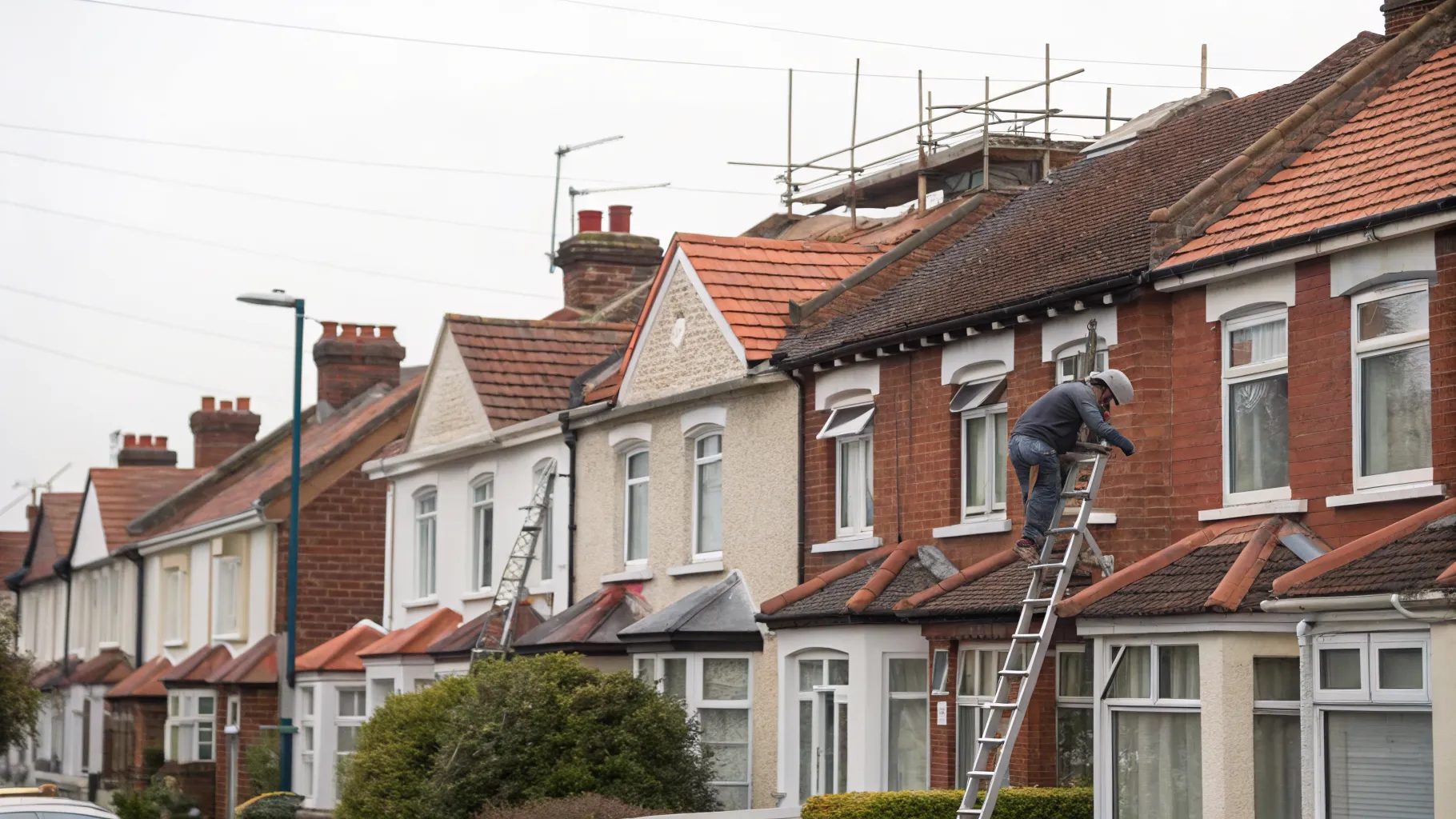
How Much Does a New Roof Cost in the UK in 2026?
What a new roof really costs in the UK in 2026, broken down by house size, material and the hidden extras, plus how to check you are being quoted fairly.
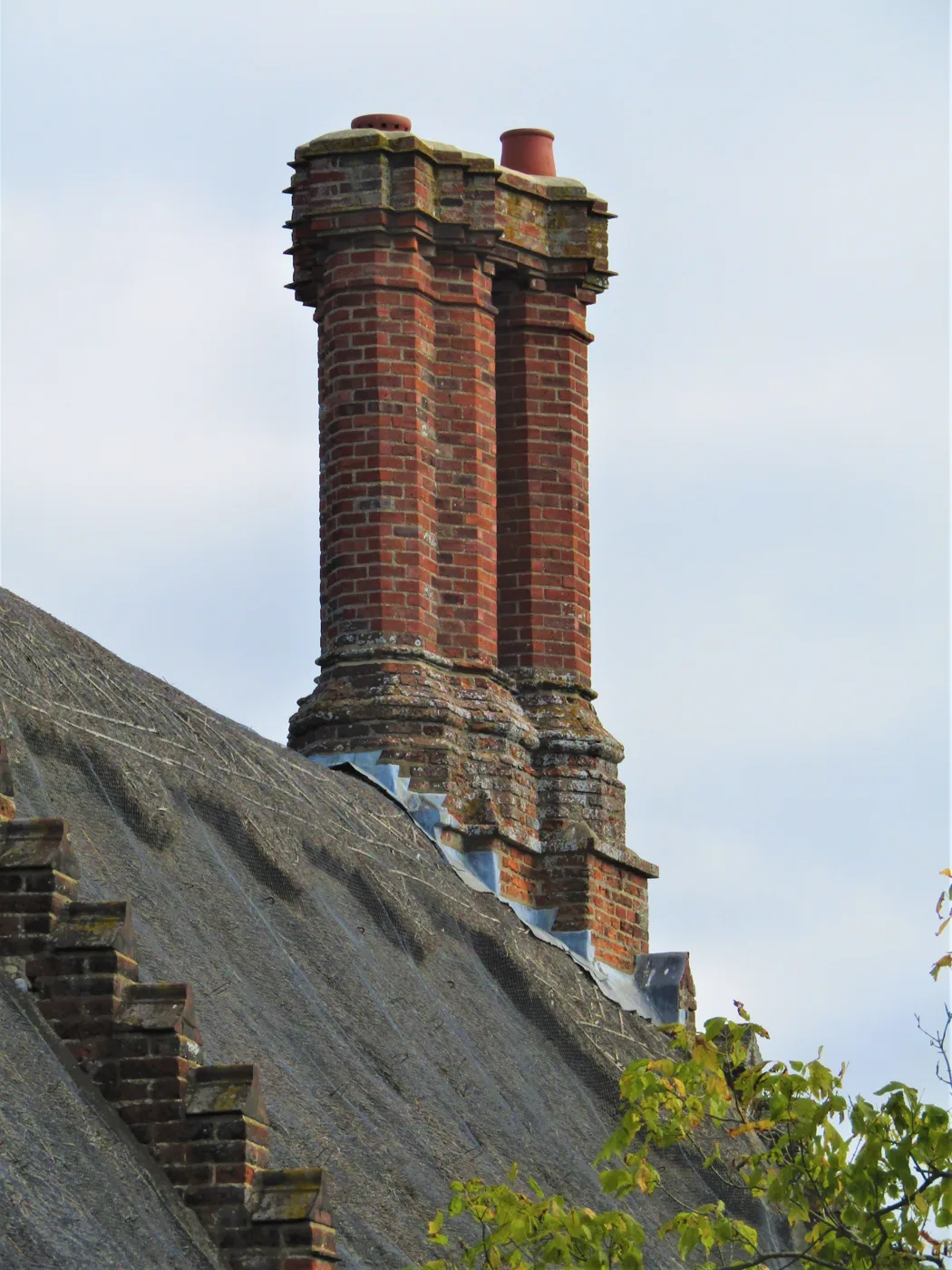
Chimney Repointing and Repair Cost UK (2026)
What chimney repointing cost is in the UK in 2026, why scaffolding drives the price, and how repointing compares to rebuilding, flashing and pot repairs.
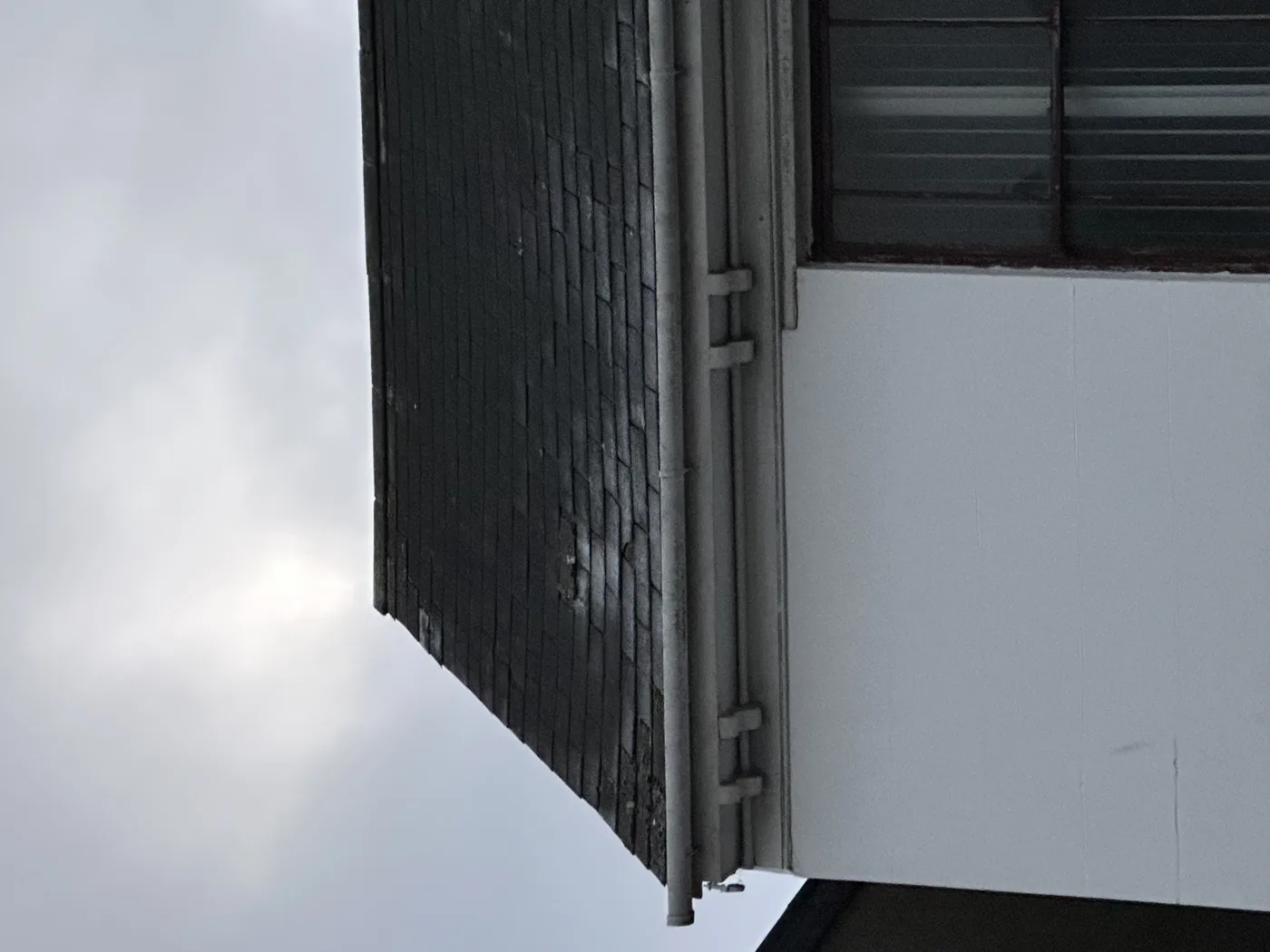
Roof Inspection and Survey Cost UK: What's Checked and the Price
Roof inspection cost UK 2026: what a ground, ladder or drone survey checks, typical prices for each, and when a written roof report is worth paying for.