Nesting Birds and Roof Work: When the Law Stops the Job
By the Professional Roofers team
Updated 2026 · Independent cost guide
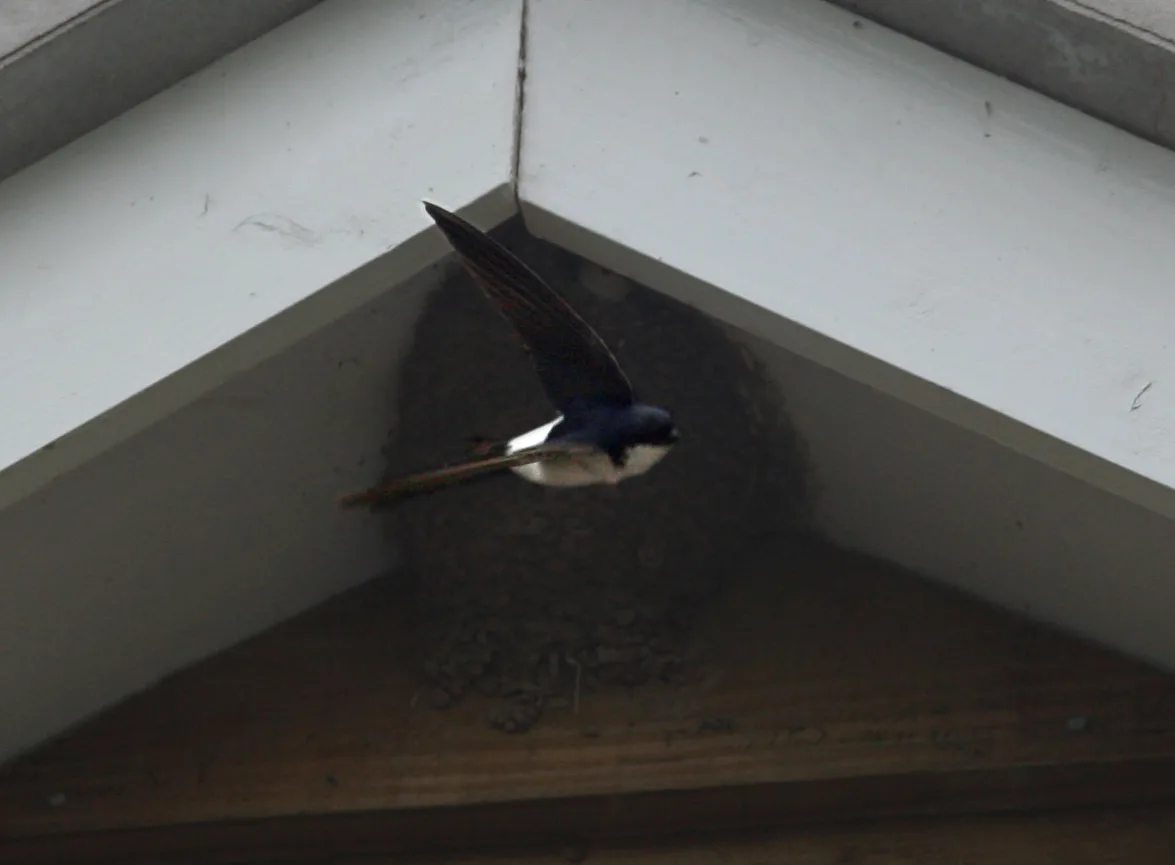
If you have nesting birds and roof work planned at the same time, the birds win. Under the Wildlife and Countryside Act 1981 it is a criminal offence to intentionally take, damage or destroy the nest of any wild bird while it is in use or being built. A roofer cannot strip tiles off an active sparrow nest under the eaves, net over a swift’s entrance hole or knock down a house martin’s mud cup with chicks in it, however urgent the job feels to you.
That does not mean birds can stop your roof being done. It means the work has to be timed or arranged around them. This page sets out what the law covers, which birds are most likely to be in your roof and when, what a good roofer does on finding a nest, and how to plan so it never becomes a problem. It pairs with our page on bats in the roof, which carries stricter rules.
What the law says
The Wildlife and Countryside Act 1981 protects all wild birds, their eggs and their active nests. In plain terms, it is an offence to:
- intentionally kill, injure or take a wild bird;
- intentionally take, damage or destroy the nest of a wild bird while it is in use or being built;
- intentionally take or destroy an egg.
An offence can lead to a fine and up to six months in prison. For the rarer species listed on Schedule 1 of the Act, such as barn owls and black redstarts, it is also an offence to disturb the birds while they are at or near an active nest, so even work close by needs care.
Two points matter most for a roof:
- It is the active nest that is protected. Once the young have fledged and the nest is no longer in use, it can normally be removed. An empty nest found in December is not a legal problem.
- Blocking access counts. Scaffolding, sheeting or netting that stops parent birds reaching a nest with eggs or chicks in it can destroy that nest just as surely as removing it. The NFRC, the roofing trade body, warns that swifts in particular may be unable to get back to their nests if scaffold goes up close to their entrance holes.
The penalties fall on whoever does the damage, and a homeowner who instructs it can be in trouble too. A professional roofer will refuse.
Which birds nest in roofs, and when
| Bird | Where in the roof | When nests are active (approximate) | How to spot it |
|---|---|---|---|
| House sparrow | Gaps under eaves, behind fascias, under loose tiles | March to August, often two or three broods | Birds flying in and out of one gap; chirping inside |
| Starling | Under eaves and tiles, in gaps at the gable end | March to June | Noisy chicks; adults carrying food in |
| Swift | Tiny gaps under eaves and tiles, often invisible from the ground | Arrive late April to May, gone by mid August | Screaming flights round the roof at dusk; a white splash below a small gap |
| House martin | Mud cup nests stuck under the eaves | May to September | The mud nest itself is easy to see |
| Pigeons and gulls | Valleys, flat roofs, chimneys, behind parapets | Pigeons can breed in almost any month | Nesting material and droppings |
The broad bird nesting season in Britain runs from about March to August, but it is not a legal closed season: a nest in use in February or October is protected just the same. House martins can still be feeding young in September, and feral pigeons breed almost year-round.
What a good roofer does
Before quoting, they look. A roofer surveying your roof in spring or summer should check the eaves, verges and any loose tiles for signs of nesting, and tell you if they see any. If they do not ask, ask them.
If birds are known to be nesting, work does not start there. The NFRC’s advice to its members is plain: if you know birds are nesting, you must not start roofing work on that area. Work on another elevation can often carry on.
If a nest is found during the job, the roofer should stop work near it, leave it alone and make sure the parents can still get in and out. That might mean leaving a section of eaves untouched for a few weeks, or moving a scaffold board. If the work truly cannot wait until the young have flown, the next step is to ask the statutory nature body, Natural England in England, for advice before going any further.
For large jobs in the nesting season, especially where swifts are known in the street, a nesting bird survey by an ecologist before scaffolding goes up lets the work be programmed round the nests. The NFRC sets out this approach in its guidance note GN57, Encouraging Roof Nesting Birds, and in its advice on planning a roof in spring or summer.
How much delay to expect
For a single nest, usually only a few weeks. Most small birds take around four to six weeks from egg-laying to fledging, and the roofer can often work elsewhere meanwhile. The bigger delays come when:
- several pairs are nesting along the eaves you need to replace;
- birds have a second or third brood, as sparrows often do;
- swifts are present, because their access holes are hard to find and they nest until August.
A repair that is genuinely urgent, such as a leak pouring into a bedroom, can usually be made safe with a temporary patch on the affected area while the nest is left alone. See our guide to emergency roof repairs for what a temporary fix involves.
Plan around the birds
The simplest way to avoid trouble is timing:
- Book eaves, fascia and re-roofing work for autumn and winter. Late September to February misses almost all nesting. Our page on roof replacement in winter covers what cold weather means for the job.
- If the work must be in spring, have the eaves and soffits checked before the birds arrive, and agree with the roofer what happens if a nest appears.
- Do not seal up gaps in spring to keep birds out. Proofing a roof against birds is fine outside the season, but blocking holes once birds are nesting, or have started building, risks committing the offence you were trying to avoid.
- Check the scaffold netting. Loose netting can trap birds. Ask the scaffolder to keep it taut and check it.
Give the birds somewhere to go back to
Swifts and house martins return to the same nest sites year after year, and both have declined sharply. Swifts, starlings and house sparrows are all on the UK red list of birds of conservation concern. New fascias and soffits often seal up the gaps these birds relied on.
A good roofer can help at little cost:
- leave or form small access gaps under the eaves where birds nested before;
- fit an integral swift box or swift brick in a gable wall, or a swift box under the eaves on a north or east facing wall, as high as practical;
- fit sparrow terraces under the eaves away from windows.
The NFRC encourages members to do exactly this, and Swift Conservation’s re-roofing advice explains how to keep existing swift nest sites through a re-roof. Ask about it when you get your quote. Our fascias and soffits guide covers the work most likely to affect eaves nests.
Pigeons and gulls
Feral pigeons and some gull species are covered by the same law, but in limited circumstances they can be controlled under general licences issued by Natural England, for purposes such as preventing a serious risk to public health or safety. The conditions are specific and a homeowner should not assume they apply. If pigeons or gulls are nesting on your roof, speak to a licensed pest controller before removing anything, and have the roof proofed once the nest is empty.
Frequently asked questions
Can a roofer remove a bird’s nest? Not while it is in use or being built. Once the young have fledged and the nest is empty, it can normally be removed. An active nest has to be left alone, and the birds must still be able to reach it.
When is bird nesting season for roof work in the UK? Broadly March to August, with house martins sometimes into September and pigeons almost all year. The law protects any active nest whatever the month, so the safest time for eaves and roof work is late September to February.
What happens if a roofer destroys an active nest? It is a criminal offence under the Wildlife and Countryside Act 1981, punishable by a fine and up to six months in prison. Whoever destroys the nest, and anyone who instructs them to, can be liable.
Can scaffolding go up if birds are nesting in the roof? Only if it does not block the birds’ access to an active nest. Swifts are especially vulnerable to scaffold near their entrance holes. A nesting bird survey before the scaffold goes up is the safest approach for big jobs in spring and summer.
Can I stop birds nesting in my roof before work starts? Yes, if you do it before they start building. Proofing gaps or covering eaves outside the nesting season is legal. Doing it once birds are already nesting is not.
Do I need a licence to do roof work with nesting birds? There is no general licence that lets you destroy an active nest for building work. The usual answer is to wait until the young have fledged. If that is impossible, ask Natural England for advice before going ahead.
Sources
- Wildlife and Countryside Act 1981, section 1, protection of wild birds, their nests and eggs.
- NFRC, Planning a new roof this spring or summer? Don’t forget about nesting birds, and guidance note GN57.
- Swift Conservation, Roof repairs and re-roofing.
Want costs like this each month?
Join the Roofline brief for current UK prices and quote-reading tips.
More from Professional Roofers
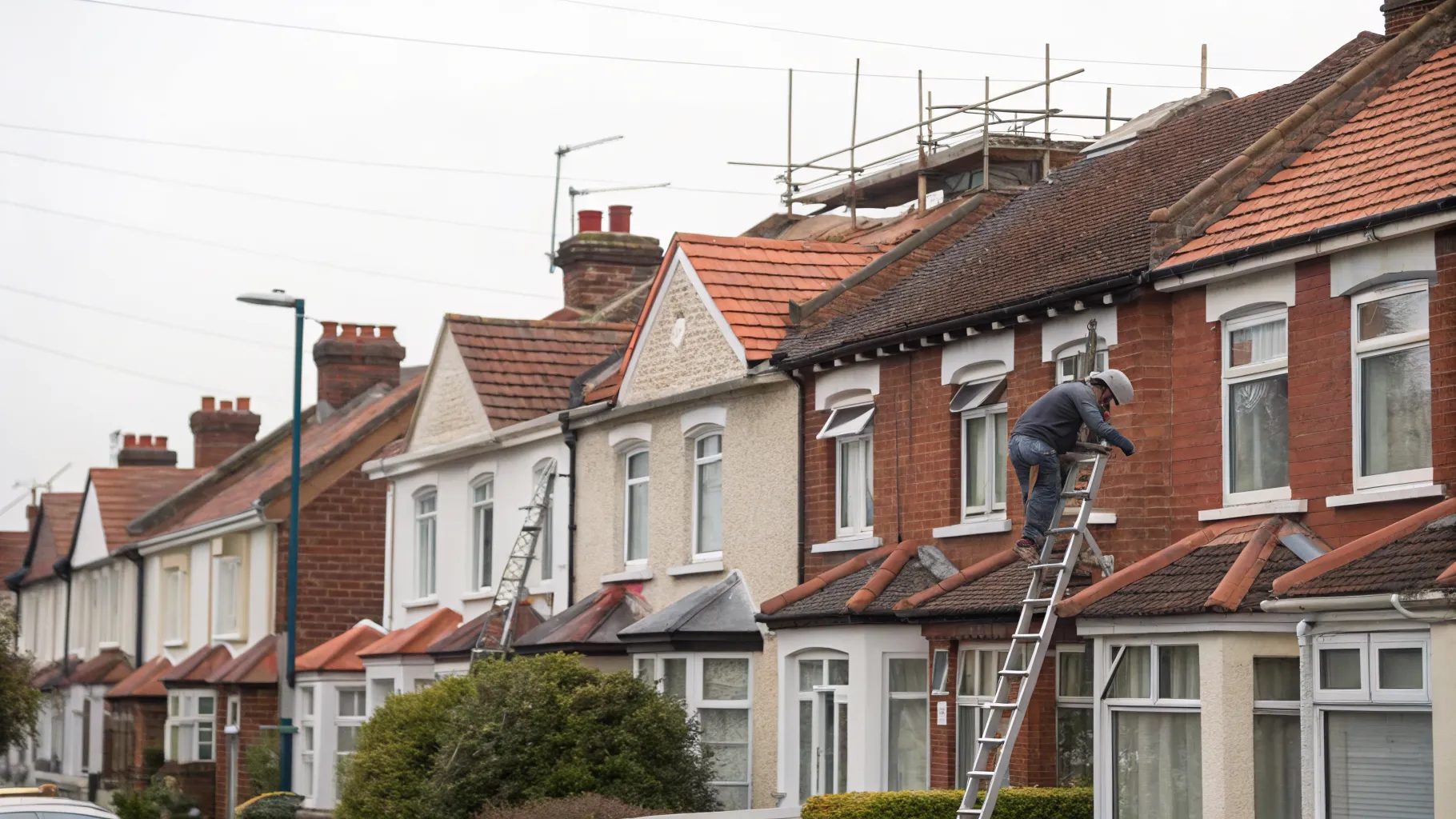
How Much Does a New Roof Cost in the UK in 2026?
What a new roof really costs in the UK in 2026, broken down by house size, material and the hidden extras, plus how to check you are being quoted fairly.
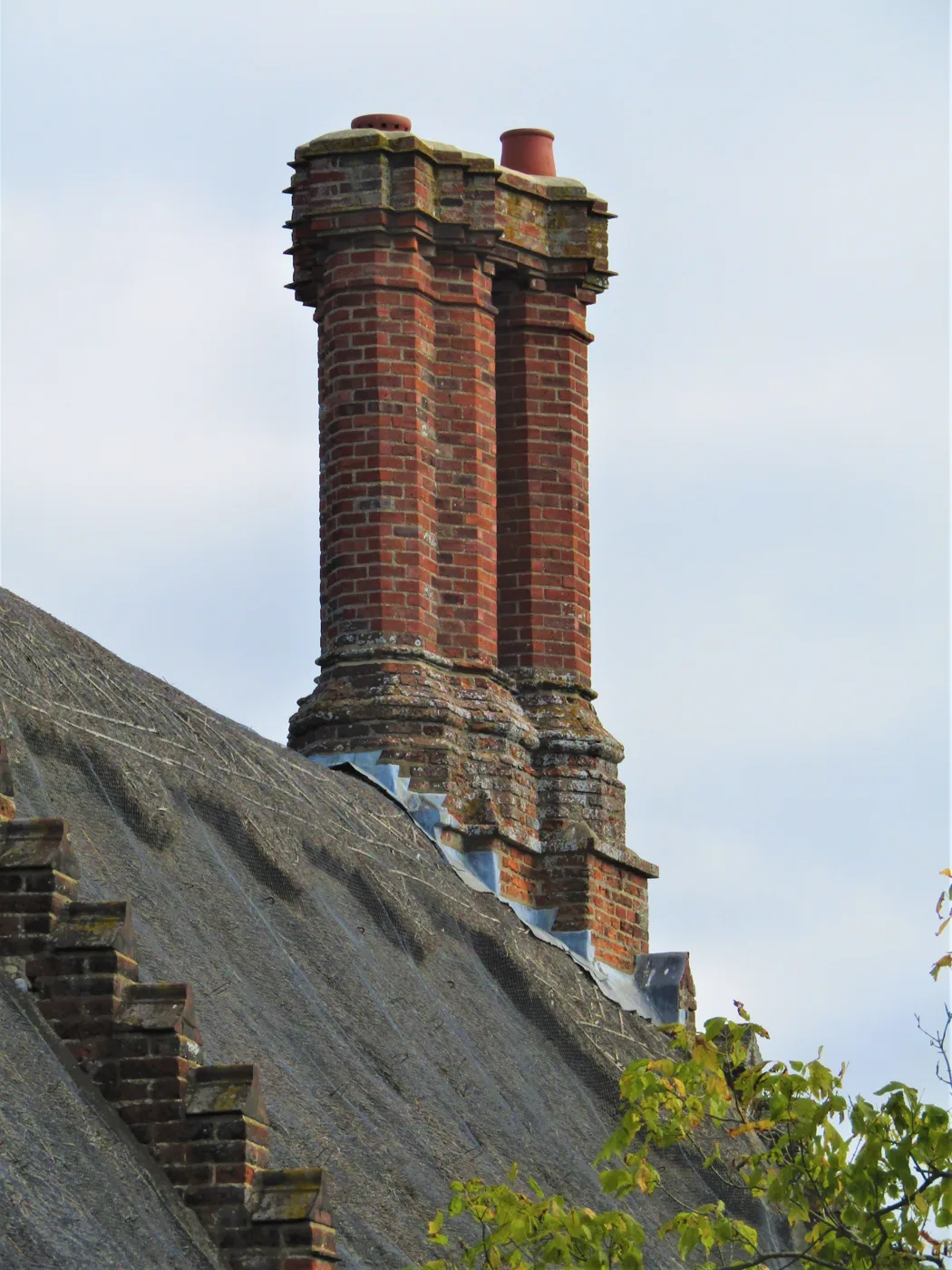
Chimney Repointing and Repair Cost UK (2026)
What chimney repointing cost is in the UK in 2026, why scaffolding drives the price, and how repointing compares to rebuilding, flashing and pot repairs.
Roof Inspection and Survey Cost UK: What's Checked and the Price
Roof inspection cost UK 2026: what a ground, ladder or drone survey checks, typical prices for each, and when a written roof report is worth paying for.