Can You Replace a Roof in Winter? Wind Stops It, Not Cold
By the Professional Roofers team
Updated 2026 · Independent cost guide
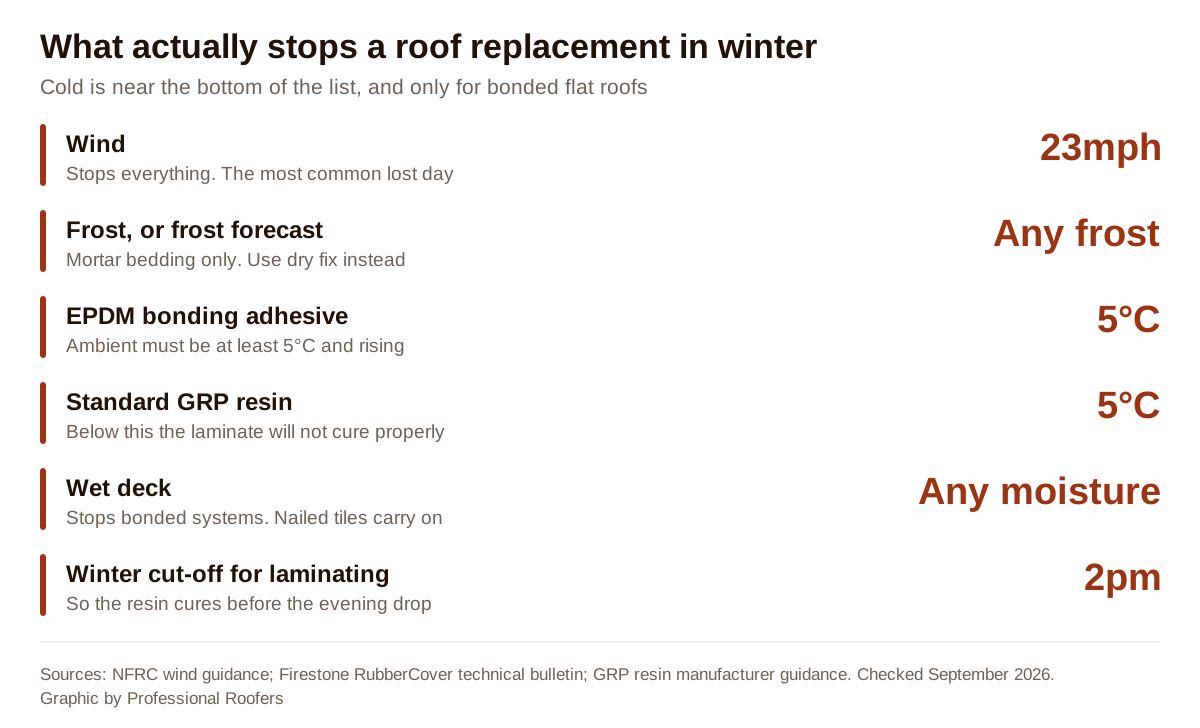
Can you replace a roof in winter in the UK? Yes, and most of the reasons people are given for waiting until spring are wrong. Cold on its own stops almost nothing on a tiled or slated roof. What genuinely stops work is a short list: wind above a threshold most people have never heard of, rain and a wet deck, frost where mortar is involved, and the minimum application temperatures printed on the data sheets of bonded flat roof products. Everything else is scheduling.
The distinction that matters is between a mechanically fixed covering, which is nailed or clipped down and does not care much about the weather, and a bonded covering, which relies on a chemical reaction or an adhesive and has a temperature and a moisture limit written into its specification. Know which one you are having and you can tell whether a winter delay is genuine or convenient.
What stops work, in the order it actually happens
| Condition | Stops what | Threshold |
|---|---|---|
| Wind | Everything. The most common cause of a lost day | Roughly 23mph (10 m/s) |
| Rain, or a wet deck | Stripping, bonded flat roofs, mortar | Any standing moisture |
| Frost, or frost forecast | Mortar bedding only | Frost present or imminent |
| Air or deck below 5°C | EPDM adhesive, standard GRP resin | 5°C |
| Falling temperature | EPDM adhesive, which needs 5°C and rising | Any cold morning |
| Short daylight | Bonded flat roofs, because of cure time | Stop laminating by 2pm to 3pm |
Notice that cold appears twice, near the bottom, and only against flat roof products. Tiles and slates are not on that list at all.
Wind is the real constraint, and it beats cold every week
The figure roofers work to is around 23mph, or 10 m/s, which the National Federation of Roofing Contractors uses as the point at which roofing work should stop. At that speed a person’s balance is affected, and a tile or a sheet of underlay becomes something that can carry a worker with it.
Two things make this stricter than it sounds. First, the wind speed that counts is the one at working height on the scaffold, not the figure in the forecast, which is quoted for a standard 10m height in open ground. Second, gusts can easily be double the average, and wind pressure rises with the square of speed, so doubling the wind speed quadruples the force on a sheet someone is holding.
In a British winter this loses more days than temperature ever will. A still, clear, minus-two morning in January is a perfectly good day to strip and re-tile a roof. A mild, blustery day in November is not.
Tiles and slates: cold is a non-issue
A mechanically fixed pitched roof is nailed, screwed or clipped. Nothing has to cure and nothing has to stick, so the covering goes on at 2°C the same way it goes on at 20°C.
This matters because BS 5534, the code of practice for slating and tiling, already pushed the industry towards mechanical fixing. Single-lap tiles, hip tiles and ridge tiles all have to be mechanically fixed regardless of whether mortar is used, and perimeter tiles have to be fixed twice. Mortar can no longer be relied on as the only means of holding a roof covering down.
The practical consequence for a winter job: if your ridge and hips are going on dry, with a dry fix kit, the whole roof is a mechanically fixed job and the cold is irrelevant.
Mortar is the one part of a pitched roof that genuinely stops
Mortar should not be used in wet or frosty conditions, or when frost is forecast. Water in a fresh mortar bed that freezes expands, and the mortar never reaches strength: it goes friable, the bond fails, and you find out the following autumn when a ridge tile moves.
The fix is not to postpone the roof. It is to specify dry fix for the ridge and hips, which is what BS 5534 pushed everyone towards anyway, and which is the standard detail on most new roofs now. A competent roofer will offer this in December without being asked. If yours insists on a mortar bed in a frost window, that is a reason to question the roofer rather than the season.
Bedding mortar under a dry ridge system, where it is still used, sits under cover once the kit is on, but it is still mortar and still wants a frost-free day to go down.
Flat roofs: this is where winter genuinely bites
Every bonded flat roof system has a minimum temperature and a dry substrate requirement, and these are the numbers to hold your roofer to. They come off the manufacturer’s data sheet, not off a rule of thumb, so ask which product is going on and check that product’s sheet.
EPDM (bonded rubber). Firestone’s technical bulletin for RubberCover Water Based Bonding Adhesive states that ambient temperatures “shall be at least 5°C and rising” when the adhesive is used. Those two words matter in winter: 5°C at 8am on a falling thermometer is not the same condition as 5°C at 10am on a rising one. The same bulletin says the surfaces receiving adhesive must be clean, smooth, free of loose material, oil and grease, and “above all, the substrate must be dry”. Pails are stored between 15°C and 25°C, so the adhesive travels in the van or the house overnight, not on the scaffold.
That bulletin also gives the moisture test a good roofer will use on a winter deck, and it is worth knowing so you can ask for it. Tape a clear plastic film of roughly one metre square onto the substrate, leave it exposed to midday sun, and look for condensation underneath. If moisture shows on the film, the deck holds too much water to take adhesive and membrane, whatever the air temperature says.
GRP (fibreglass). Standard grade resin and topcoat want a deck temperature of at least 5°C. Below that the mixture will not cure properly, and an undercured laminate is a roof that fails early rather than one that leaks on day one, which is what makes it dangerous. Manufacturers supply winter or extra cold grade resins through the colder months, which bring the workable range down towards 0°C, and catalyst ratios are increased to offset slower curing. The deck must be completely dry; moisture under a GRP laminate is the single most common cause of failure. And there is a time-of-day rule: stop laminating by about 2pm to 3pm in winter, so the laminate has cured before the evening temperature drops.
Torch-on felt. The most weather-tolerant of the three, because the bond is made with heat rather than with an adhesive that has to be warm enough to work. Torch-applied systems can generally be laid year round. The deck still has to be dry.
Self-adhesive felt. Sits between the two. In cool conditions a hot air gun is used at the lap joints to activate the adhesive, which is a legitimate technique and not a bodge, but it is slower.
If you are choosing the covering as well as the season, our guide to the best flat roof material in the UK sets out the trade-offs, and torch-on is worth a serious look for a January job.
A wet deck stops a bonded system and not a mechanically fixed one
This is the sentence worth remembering, because it explains almost every winter decision on a roof.
A nailed tile does not care whether the batten it is fixed to picked up a shower yesterday. An adhesive or a resin does. A bonded membrane or laminate needs a dry substrate, and in December a deck that got wet on Tuesday may not be dry on Wednesday, because there is no sun and little air movement to shift the moisture. That is why a flat roof job that runs to three days in August can take a week in January: not the temperature, the drying.
It also explains why sequencing matters more in winter. A competent roofer strips only what can be made watertight before the light goes, keeps the rest of the roof covered, and works in bays rather than opening the whole thing.
How a good roofer runs a winter strip
The question to ask, and the answer to expect:
- “How much will you open at once?” The right answer is a section that can be decked, felted and made watertight the same day, not the whole roof.
- “What sheeting is going on, and how is it fixed?” Scaffold sheeting or a temporary tarpaulin has to be tied down properly, because in wind an unsecured sheet is both a hazard and a sail that will lift a scaffold.
- “What is your weather trigger for stopping?” A roofer who has never thought about a wind threshold has not thought about your roof in January.
- “Ridge and hips: mortar or dry fix?” In winter you want dry fix.
- “If it is a flat roof, which product, and what is its minimum temperature?” Ask for the data sheet. A good contractor produces it.
- “What happens to the programme if we lose days?” Winter jobs lose days. The honest answer is a longer window and no surprise cost, not a promise of a fixed finish date.
Our roof replacement process step by step covers the whole sequence, and roof scaffolding costs matter more in winter because the scaffold sits up longer.
Is a winter roof cheaper?
Sometimes, and for a plain reason: demand falls after the autumn storm season clears and before spring, so a contractor with a gap in the diary may price more keenly to fill it. Scaffold hire that runs over extra weeks can eat that saving, so compare the whole quote rather than the day rate.
The other winter economy is not having to wait. If a roof is leaking in November, the damage between then and April costs more than any seasonal discount saves. Water in a ceiling does not observe the roofing calendar. Our new roof cost guide covers the figures either way.
The honest summary: a pitched re-roof in winter is a normal job with a longer programme. A bonded flat roof in winter is a job that needs the right product grade, a dry deck and an early finish each day. Neither is a reason to sit under a leak until March.
Frequently asked questions
Can you replace a roof in winter in the UK? Yes. A tiled or slated roof is mechanically fixed, so it can be stripped and re-covered through the winter, including in frost. The constraints are wind, rain and daylight rather than temperature, and the programme should be planned with lost days in it.
Is it too cold to fit a roof at 0°C? Not for tiles or slates, which are nailed rather than bonded. It is too cold for standard GRP resin and for EPDM bonding adhesive, both of which specify a minimum of about 5°C, and it is too cold for mortar. Winter grade GRP resins extend the range down towards 0°C.
What temperature is too cold for a flat roof? For a bonded EPDM roof, Firestone’s water based bonding adhesive requires an ambient temperature of at least 5°C and rising, so a cold morning that is still falling fails the condition even at 5°C. For standard grade GRP, below 5°C the resin will not cure adequately. Torch-on felt is the exception and can generally be laid year round because the bond is made with heat.
Can roof tiles be bedded in mortar in frost? No. Mortar should not be used in wet or frosty conditions or when frost is forecast, because water freezing in the fresh bed prevents it gaining strength. Use a dry fix ridge and hip system instead, which BS 5534 already favours, and the problem disappears.
At what wind speed do roofers stop work? Around 23mph, or 10 m/s, is the figure the National Federation of Roofing Contractors uses. The measurement that counts is at working height on the scaffold rather than the forecast figure, and gusts can be double the average, so work often stops below that in exposed positions.
Will a winter roof replacement take longer? Usually, yes. Shorter daylight, more days lost to wind and rain, and slower drying of the deck all stretch the programme. Expect a wider window rather than a fixed completion date, and expect a flat roof in particular to take longer than the same job in summer.
Is my roof more likely to leak during a winter replacement? Not if it is sequenced properly. The roofer should open only as much as can be made watertight before dark, keep the remainder covered, and work in sections. Ask how much of the roof will be open at any one time before work starts, because that answer tells you how the job will be run.
Want costs like this each month?
Join the Roofline brief for current UK prices and quote-reading tips.
More from Professional Roofers
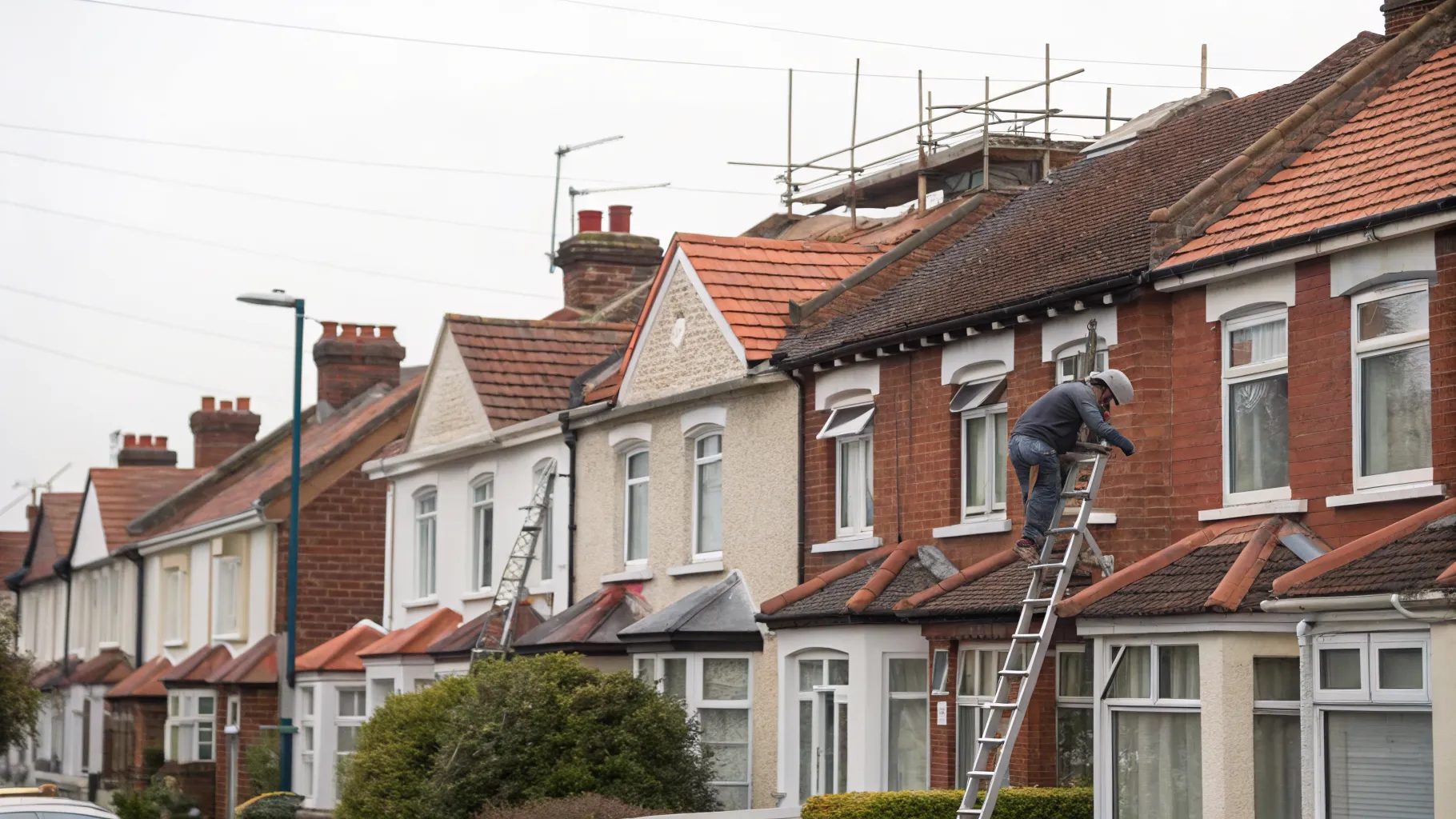
How Much Does a New Roof Cost in the UK in 2026?
What a new roof really costs in the UK in 2026, broken down by house size, material and the hidden extras, plus how to check you are being quoted fairly.
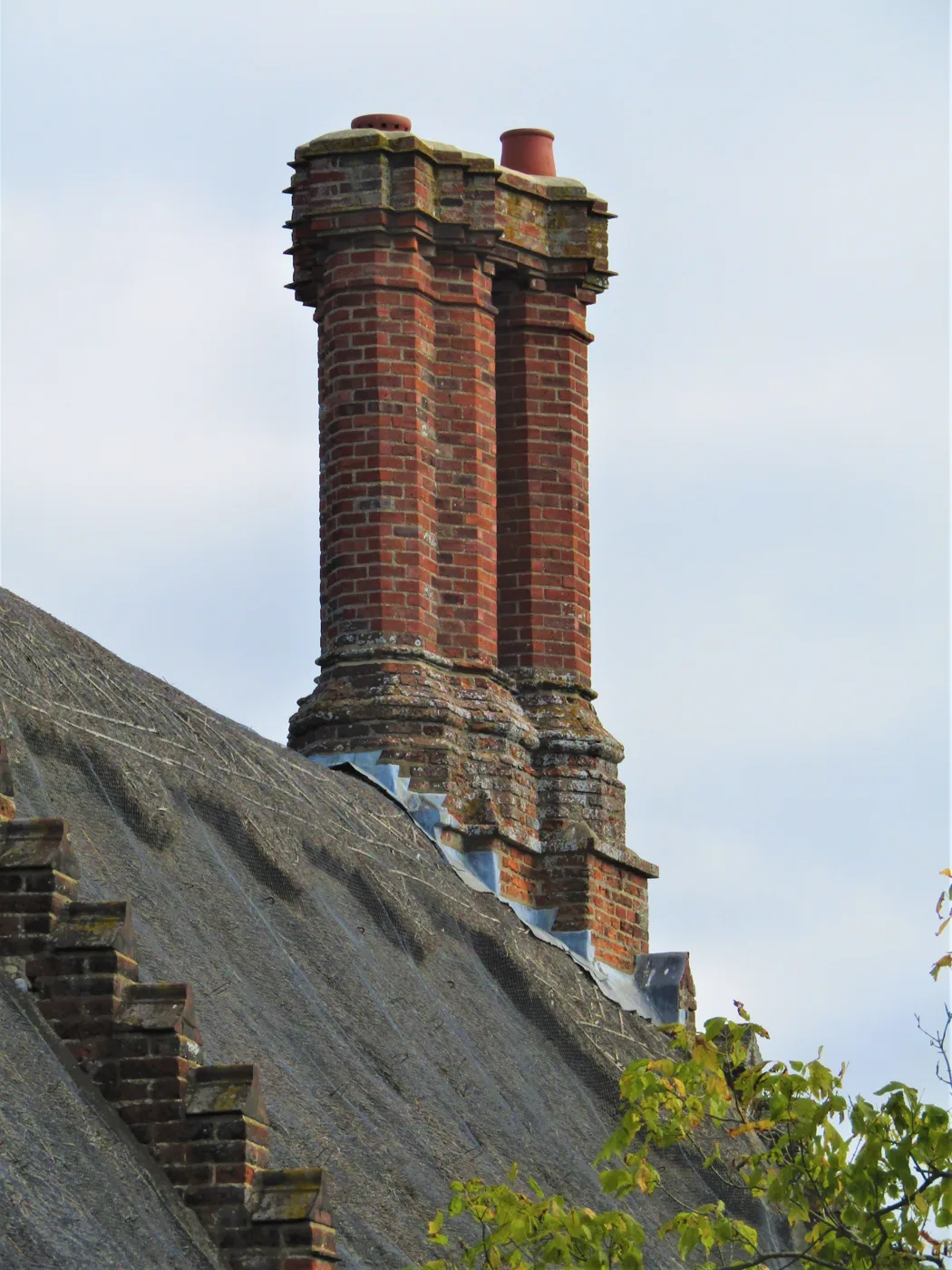
Chimney Repointing and Repair Cost UK (2026)
What chimney repointing cost is in the UK in 2026, why scaffolding drives the price, and how repointing compares to rebuilding, flashing and pot repairs.
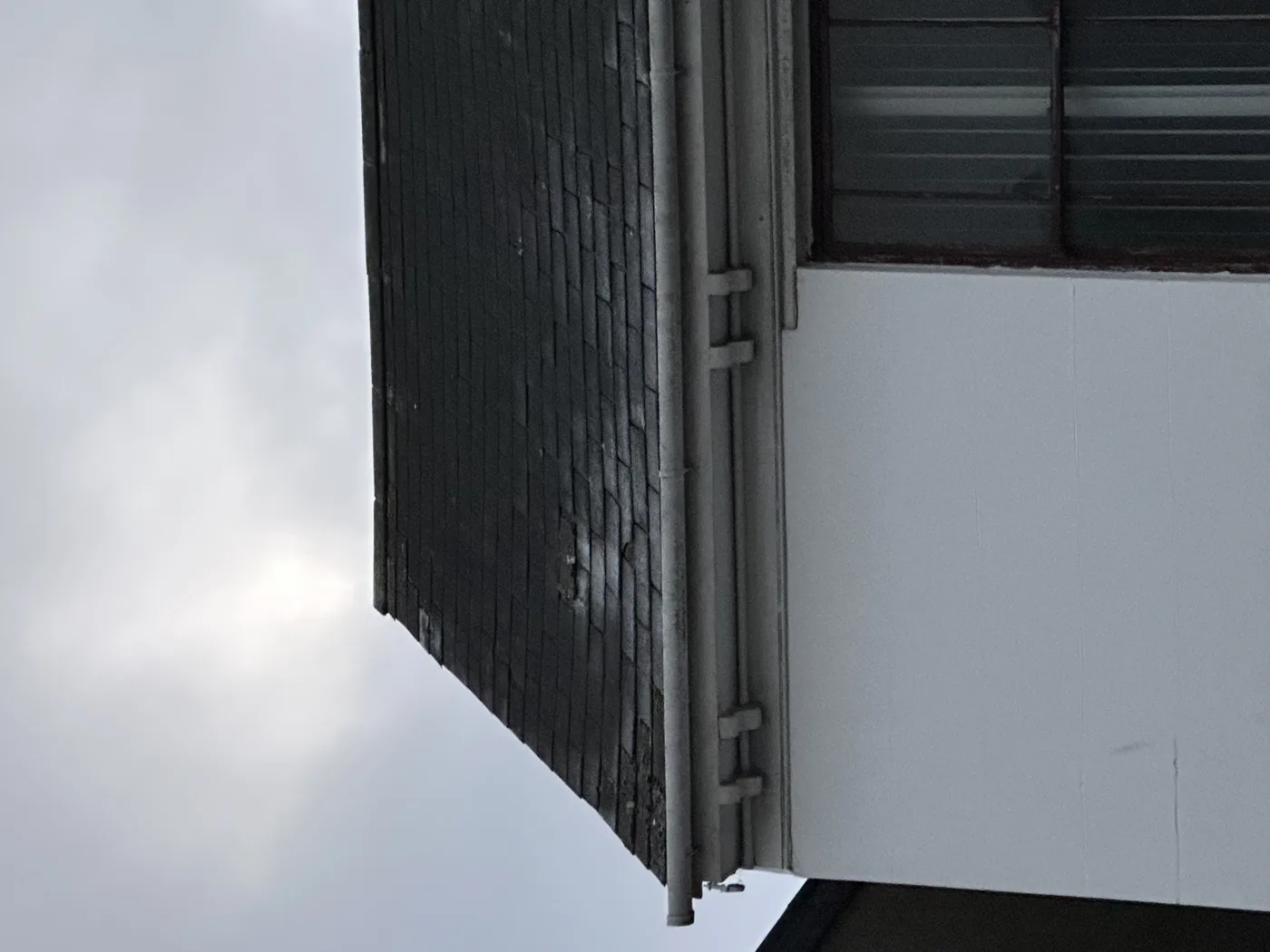
Roof Inspection and Survey Cost UK: What's Checked and the Price
Roof inspection cost UK 2026: what a ground, ladder or drone survey checks, typical prices for each, and when a written roof report is worth paying for.