Lead Stolen From Roof? 5 Steps in the First 48 Hours
By the Professional Roofers team
Updated 2026 · Independent cost guide
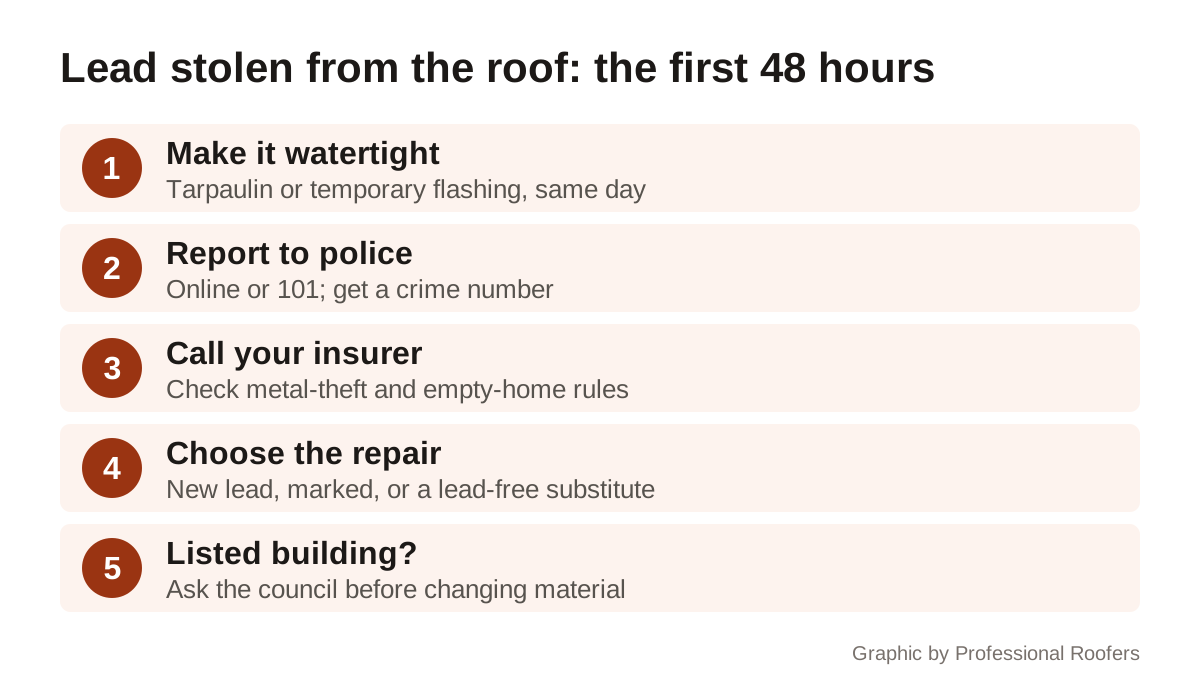
If lead has been stolen from your roof, the theft itself is rarely the expensive part. The water that gets in afterwards is. Lead on a house roof sits exactly where two surfaces meet: round a chimney, along a valley, over a bay window or porch, at an abutment wall. Strip it out and the next rain runs straight into the joint, the ceiling and the wall below.
So the order matters. Make the roof watertight first, then report the theft, then call your insurer, and only then decide what goes back. This page walks through each step and the choice between new lead and a lead-free substitute.
Step 1: make it watertight, today
Look at what has gone and where the gaps are. Common targets on houses are bay window and porch roofs, chimney flashings, valleys between two roof slopes, and small flat roofs over extensions, because they are reachable from a ladder, a wall or a neighbouring roof.
- Do not go up yourself if it means a ladder on a wet roof or a stretch you would not normally climb. Thieves often damage tiles and loosen fixings on the way.
- Call a roofer for an emergency temporary cover. A tarpaulin held down properly, or self-adhesive temporary flashing tape over a chimney or abutment joint, will hold for days to weeks. Our emergency roof repair page covers what a temporary repair should cost and how long it lasts.
- Protect the inside. Move belongings, put buckets under drips, and turn off lights in any ceiling where water is pooling.
- Keep evidence. Photograph the roof (from the ground is fine), any footprints, damaged tiles and water marks inside, before anything is covered. Keep invoices for the temporary work; your insurer will ask for them.
Most policies require you to take reasonable steps to prevent further damage. A tarpaulin today is cheap; a soaked ceiling that could have been avoided may not be paid for.
Step 2: report it to the police
Report the theft to your local force online or on 101. If you see or hear people on a roof now, call 999. Ask for a crime reference number: almost every insurer needs it before they will process a theft claim.
Tell the police what was taken and roughly how much, and whether you heard a vehicle. Metal thieves often work several streets in one night, and a cluster of reports helps. Since the Scrap Metal Dealers Act 2013 in England and Wales, scrap dealers must be licensed, cannot pay cash for metal, and must record the identity of sellers, which is why a quick report gives the police a real trail to follow.
Step 3: tell your insurer, and read the small print
Call your buildings insurer as soon as you have a crime number. Most buildings policies cover theft and the damage done in the course of it, but lead is one of the areas where the wording varies most. Check four things in your policy:
- Is theft of metal from the outside of the building covered? Some insurers limit or exclude it, especially on properties that have already had a claim. Some have removed lead cover at renewal after repeated losses.
- Was the property unoccupied? Theft cover is commonly restricted or removed once a home has been empty for more than 30 or 60 days in a row. If you were away, check the exact number of days.
- Is the water damage covered separately? The stolen lead itself may be a modest sum; the ceiling, plaster and decoration below can be much more. Make sure you claim for both.
- What is the excess? On a small bay roof the excess may swallow most of the claim. Get the roofer’s quote before deciding whether to claim, but tell the insurer about the incident anyway; most policies require prompt notification.
If a claim is turned down and you think the insurer has applied an exclusion unfairly, complain to the insurer first, then take it to the Financial Ombudsman Service. Our page on what home insurance covers on a roof goes into the common exclusions.
Step 4: decide what goes back
You have two choices: new lead, or a lead-free substitute. Thieves take lead because it has a scrap value; most substitutes have little or none, which is the strongest argument for them on a house that has already been hit.
New lead is still the best-performing material for complex shapes, chimneys and areas that get foot traffic. It needs to be the right thickness, or code, for the job (see our lead code numbers explained), dressed by someone who knows the Lead Sheet Training Academy details, and fixed so that it is not easy to pull off. If you go back to lead, ask the roofer to:
- mark it with a forensic marking product such as SmartWater, and put up the warning signs that come with it, so it is traceable and less attractive to a thief;
- fix it with clips and fixings that make removal slow and noisy;
- reduce easy access, such as a water butt or bin under a bay roof, or a low wall next to a porch.
Lead-free substitutes include flexible flashing products such as Wakaflex, Ubiflex and Leadax for flashings and abutments, and GRP or other membranes for small flat roofs and valleys. They are lighter and quicker to fit, and thieves have no reason to take them. They are less suitable where the lead has to be dressed into deep, complex shapes or will be walked on. Our guide to lead flashing alternatives compares them product by product, and roof flashing repair costs gives typical prices.
Step 5: if the building is listed or in a conservation area
If your house is listed, replacing stolen lead with a different material is usually a change that needs listed building consent from your council, and may need planning permission as well. Do not assume a like-for-like emergency repair and a permanent change of material are treated the same way. Ring the council’s conservation officer, explain that it is a theft, and ask what they need. Historic England’s advice note on replacement materials after metal theft is written for church roofs, but it sets out the approach councils tend to follow: like-for-like where possible, with a different material accepted where a building has been targeted before and cannot be protected well. In a conservation area, a change of material on a visible roof slope can also need consent if an Article 4 direction applies.
How to stop it happening again
- Make the roof hard to reach. Move bins, water butts and garden furniture away from low roofs. Cut back trees and climbing plants that give a route up.
- Light and watch. Movement-activated lighting and a camera that covers the low roofs make a quiet job less appealing.
- Mark it. Forensic marking and visible signs that metal is marked are cheap and widely used on churches and schools.
- Talk to neighbours. If one house in a terrace has lost its bay roof lead, the next houses along have the same lead and the same access. Thieves come back.
Frequently asked questions
Does home insurance cover lead stolen from a roof? Usually, under the theft section of buildings cover, along with the damage caused. But some policies limit or exclude theft of metal from outside the building, and theft cover is often restricted if the home has been empty for more than 30 or 60 days. Check your policy wording and claim for the water damage as well.
Who do I report lead theft to? The police: online or on 101, or 999 if it is happening now. Ask for a crime reference number, because your insurer will need it.
What should I replace stolen lead with? On a house that has been targeted, a lead-free flashing such as Wakaflex, Ubiflex or Leadax, or GRP on a small flat roof, removes the reason to steal it. Where the detail is complex or will be walked on, new lead in the right code, forensically marked and securely fixed, still performs best.
How quickly does a roof need fixing after lead theft? The same day if you can. Rain will get in at the exposed joints immediately, so get a temporary cover on before the next forecast rain, then arrange the permanent repair.
Do I need permission to replace lead with another material on a listed building? Usually yes. A change of roofing material on a listed building normally needs listed building consent, and sometimes planning permission. Talk to your council’s conservation officer before the permanent repair.
Can lead thieves be traced? Sometimes. Scrap dealers in England and Wales must be licensed, cannot pay cash, and must record who sold them metal. Forensic marking makes stolen lead identifiable, which is why marking the replacement is worth doing.
Want costs like this each month?
Join the Roofline brief for current UK prices and quote-reading tips.
More from Professional Roofers
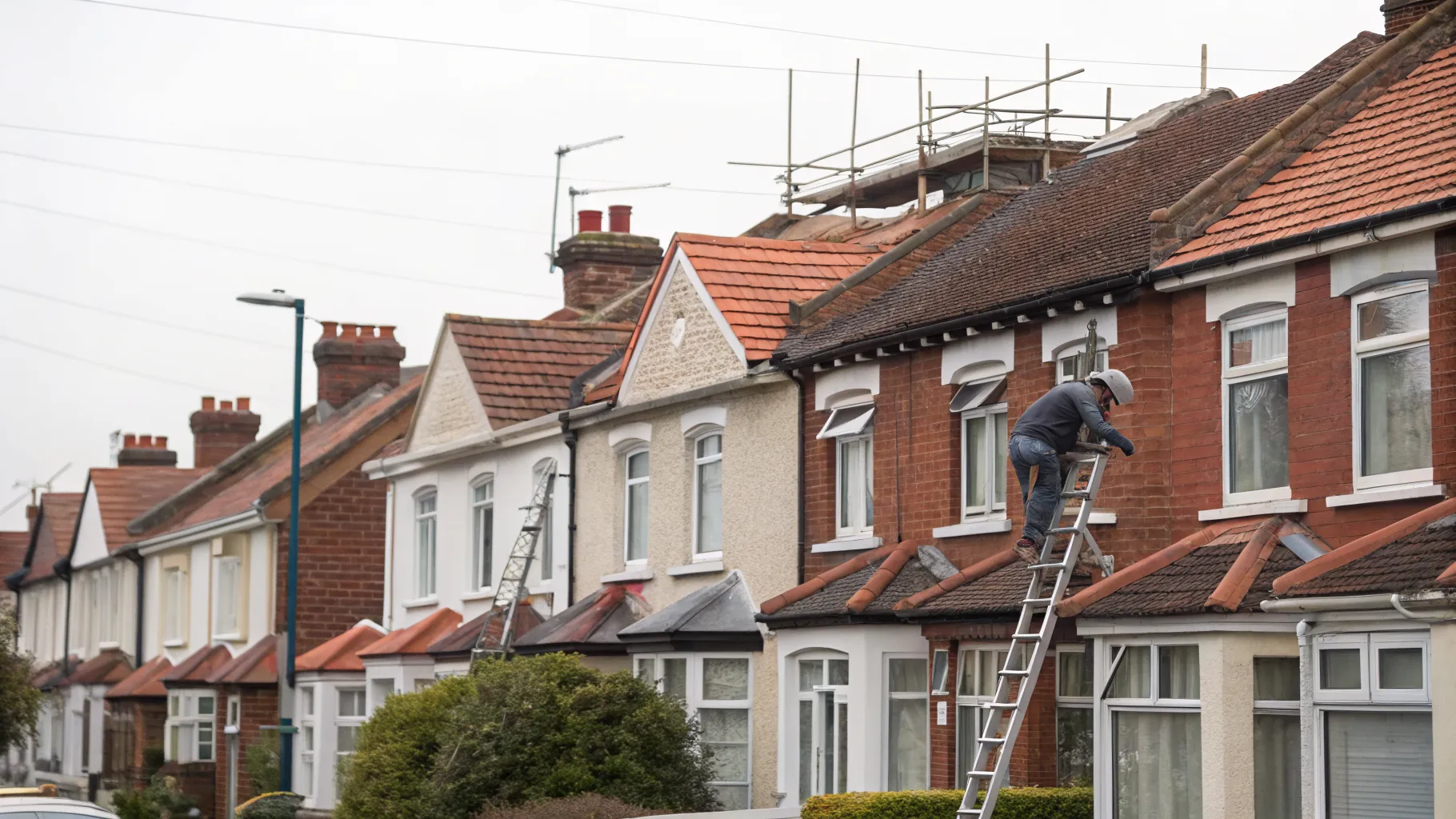
How Much Does a New Roof Cost in the UK in 2026?
What a new roof really costs in the UK in 2026, broken down by house size, material and the hidden extras, plus how to check you are being quoted fairly.
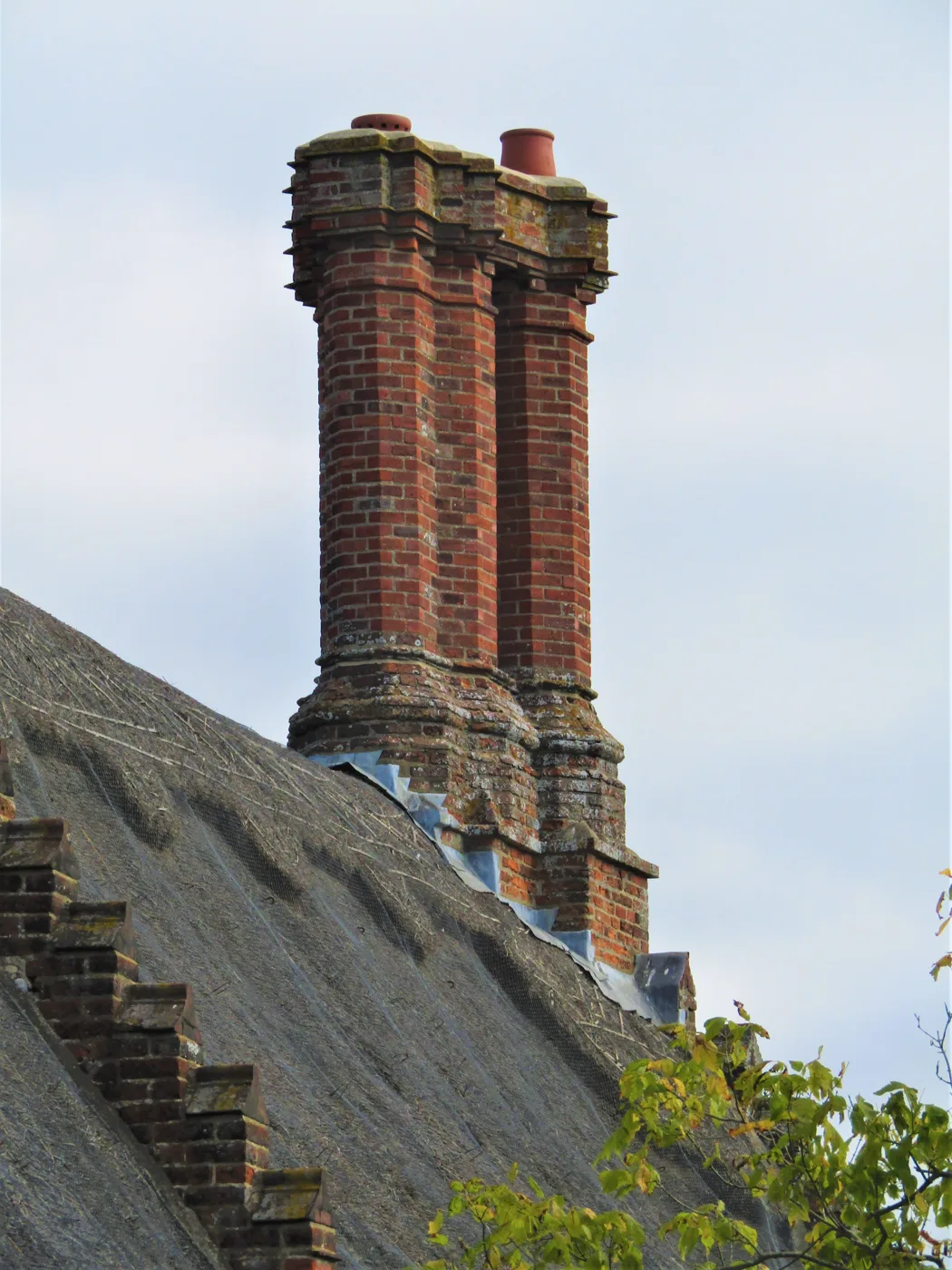
Chimney Repointing and Repair Cost UK (2026)
What chimney repointing cost is in the UK in 2026, why scaffolding drives the price, and how repointing compares to rebuilding, flashing and pot repairs.
Roof Inspection and Survey Cost UK: What's Checked and the Price
Roof inspection cost UK 2026: what a ground, ladder or drone survey checks, typical prices for each, and when a written roof report is worth paying for.