Chimney Cowl Types: Match the Cowl to Your Fuel First
By the Professional Roofers team
Updated 2026 · Independent cost guide
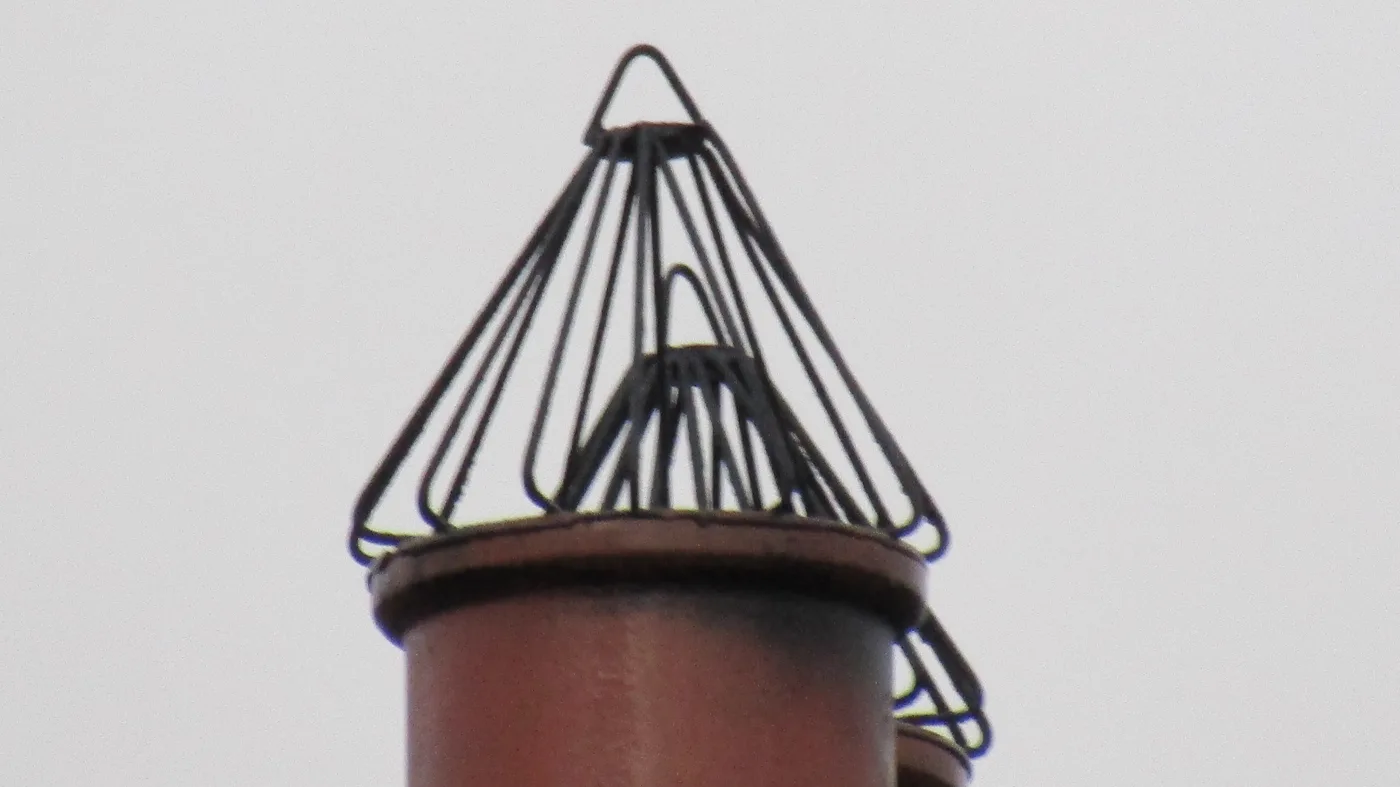
There are five main chimney cowl types in UK homes: rain caps, bird guards, anti-downdraught cowls (static or spinning), liner cowls that hang from a flexible flue liner, and caps for disused chimneys. Which one you need depends less on the problem you are trying to fix than on what the flue serves. A cowl that suits a disused chimney can be dangerous on a wood burner, and a gas fire needs a terminal designed for gas. Get the fuel right first, then pick the type.
Start here: what does the flue serve?
| The flue serves | What the cowl must do | Who should fit or approve it |
|---|---|---|
| A wood burner or multi-fuel stove | Resist soot and heat without clogging | A HETAS-registered installer or experienced sweep |
| A gas fire or open-flued gas appliance | Be a terminal designated for gas | A Gas Safe registered engineer |
| An oil appliance | Suit oil flue gases | An OFTEC-registered technician |
| Nothing (disused chimney) | Keep rain and birds out, keep air moving | A roofer or sweep |
If you are not sure what a flue serves, find out before anything goes on the pot. Houses often have several flues in one stack, and a cap put on the wrong pot can block a live appliance.
1. Rain caps
A rain cap is a hood on legs that sits over the pot, keeping rain off while leaving the sides open for smoke and air. It is the simplest cowl and suits an open fire or stove flue where rain running down the chimney is the main problem. A plain rain cap does nothing to stop birds getting in under the hood, so in jackdaw country it is usually combined with a mesh.
2. Bird guards
A bird guard is a mesh cage over the pot, usually with a solid top that doubles as a rain cap. Jackdaws drop sticks down chimneys until a nest wedges in the flue, which is a fire and carbon monoxide risk on any working appliance.
The mesh size matters. Approved Document J, the Building Regulations guidance on flues, says that where squirrels or jackdaws are likely, a protective cage designed for solid fuel use, with mesh no larger than 25mm and no smaller than 6mm, can be acceptable on larger gas flues, provided the openings add up to at least twice the flue’s cross-sectional area. Cowl makers selling guards for wood and multi-fuel stoves use a 25mm mesh for the same reason: finer mesh catches soot and tar, closes up, and chokes the flue. A fine-mesh guard meant for a gas flue should not go on a stove chimney.
Timing matters too. Birds’ active nests are protected by law, so a guard is best fitted in autumn or winter once the season is over. Our page on nesting birds and roof work explains what roofers can and cannot do while birds are nesting.
3. Anti-downdraught cowls: static and spinning
If smoke puffs back into the room on windy days, the wind may be pushing down the flue. An anti-downdraught cowl shields the outlet so wind passing over it helps draw the smoke out rather than forcing it back.
- Static anti-downdraught cowls have no moving parts. Examples include the Colt Top range, sold for multi-fuel use, and Brewer’s Ultimate Flue Outlet, which Brewer sells for multi-fuel flues. Static designs are the usual choice on stoves because there is nothing to seize.
- Spinning (rotating) cowls turn in the wind to create a draw. They can work well, but bearings can stick when soot and tar build up, and a seized spinner can make matters worse. Check the maker states it suits your fuel, and expect it to need more attention.
Downdraught is not always the cowl’s fault. A stack that is too short, a nearby taller roof or trees, a flue that is too cold, or a room starved of air can all cause smoke to spill. Ask a sweep to check those before you spend money on a cowl. Smoke or fumes in the room are a carbon monoxide risk: stop using the appliance until it has been checked.
4. Liner cowls (pot hangers)
When a stove has a flexible stainless liner, the top of the liner is often finished with a cowl that clamps to it and hangs in the pot, called a pot hanger. These come in rain cap, bird guard and anti-downdraught versions for solid fuel. The installer usually fits one when the liner goes in, and it should be marked as suitable for the fuel.
5. Caps for disused chimneys
A chimney you no longer use still needs air. Seal it completely, top and bottom, and moisture trapped in the flue can show up as damp patches on the chimney breast. Disused chimney caps are designed to keep rain and birds out while leaving ventilation gaps, and should be paired with a vent in the chimney breast in the room below so air can move through.
Only cap a flue you are certain is dead. If an old gas fire was removed, ask a Gas Safe engineer to confirm the flue is no longer in use. If you are taking the stack down altogether, see our guide to chimney removal costs.
Gas fires need a gas terminal
For gas, the rules are firmer. Approved Document J says flues serving natural-draught open-flued gas appliances should have an outlet terminal where the flue is no more than 170mm across, and points to terminals designated to BS EN 1856-1 and conforming to BS EN 13502. A gas fire’s flue and terminal are part of the appliance installation, so the work belongs to a Gas Safe registered engineer, who will check the flue draws properly after any change. Do not swap a gas terminal for a decorative cowl.
Fitting a cowl safely
Cowls go on at the top of the stack, which is rarely a ladder job. Depending on the roof, a roofer will use a roof ladder and fall protection, a cherry picker, or scaffold round the stack. Our roof scaffolding cost guide covers what access adds to the bill. If scaffold is going up anyway, it is the time to look at the rest of the stack: cracked flaunching and open mortar joints let in more water than a missing cowl. See chimney flaunching repair and chimney repointing costs.
Before booking, check:
- Pot condition. Cowls clamp or strap to the pot; a cracked pot needs replacing or strapping first.
- Sweeping. On a working flue, the cowl must come off, or allow a brush through, for the annual sweep.
- Fixing. Strap-fixed cowls suit most round pots; bolt-fixed and liner-mounted ones suit others. Measure the outside of the pot top.
Frequently asked questions
What type of chimney cowl do I need for a wood burner? One designated for solid fuel that will not clog: a 25mm mesh bird guard, a static anti-downdraught cowl, or a liner cowl rated for multi-fuel. Avoid fine mesh, which soots up and can block the flue.
Can I put a bird guard on a gas fire flue? Only a terminal designed and designated for gas, fitted or approved by a Gas Safe registered engineer. Approved Document J sets out the gas terminal requirements, and the engineer should check the flue draws properly afterwards.
Do anti-downdraught cowls work? They can stop wind blowing smoke back down, but only if wind is the cause. Short stacks, nearby taller buildings, cold flues and too little air in the room cause similar symptoms, so have the flue checked first.
Should I cap a chimney I do not use? Yes, with a ventilated cap rather than a solid seal, and keep a vent in the chimney breast below so air can move through and the flue stays dry. Make sure no appliance still uses the flue.
Are spinning cowls a good idea? On some flues, yes, but they have moving parts that can seize when soot builds up. Static anti-downdraught cowls are the more common choice on wood and multi-fuel stoves.
When is the best time to fit a chimney cowl? Autumn or winter, outside the bird nesting season, and before you light the stove for the year. It is also cheaper to fit one while scaffold is already up for other chimney work.
Want costs like this each month?
Join the Roofline brief for current UK prices and quote-reading tips.
More from Professional Roofers
How Much Does a New Roof Cost in the UK in 2026?
What a new roof really costs in the UK in 2026, broken down by house size, material and the hidden extras, plus how to check you are being quoted fairly.
Chimney Repointing and Repair Cost UK (2026)
What chimney repointing cost is in the UK in 2026, why scaffolding drives the price, and how repointing compares to rebuilding, flashing and pot repairs.
Roof Inspection and Survey Cost UK: What's Checked and the Price
Roof inspection cost UK 2026: what a ground, ladder or drone survey checks, typical prices for each, and when a written roof report is worth paying for.