Single Ply Roofing UK: TPO and PVC vs EPDM on a House
By the Professional Roofers team
Updated 2026 · Independent cost guide
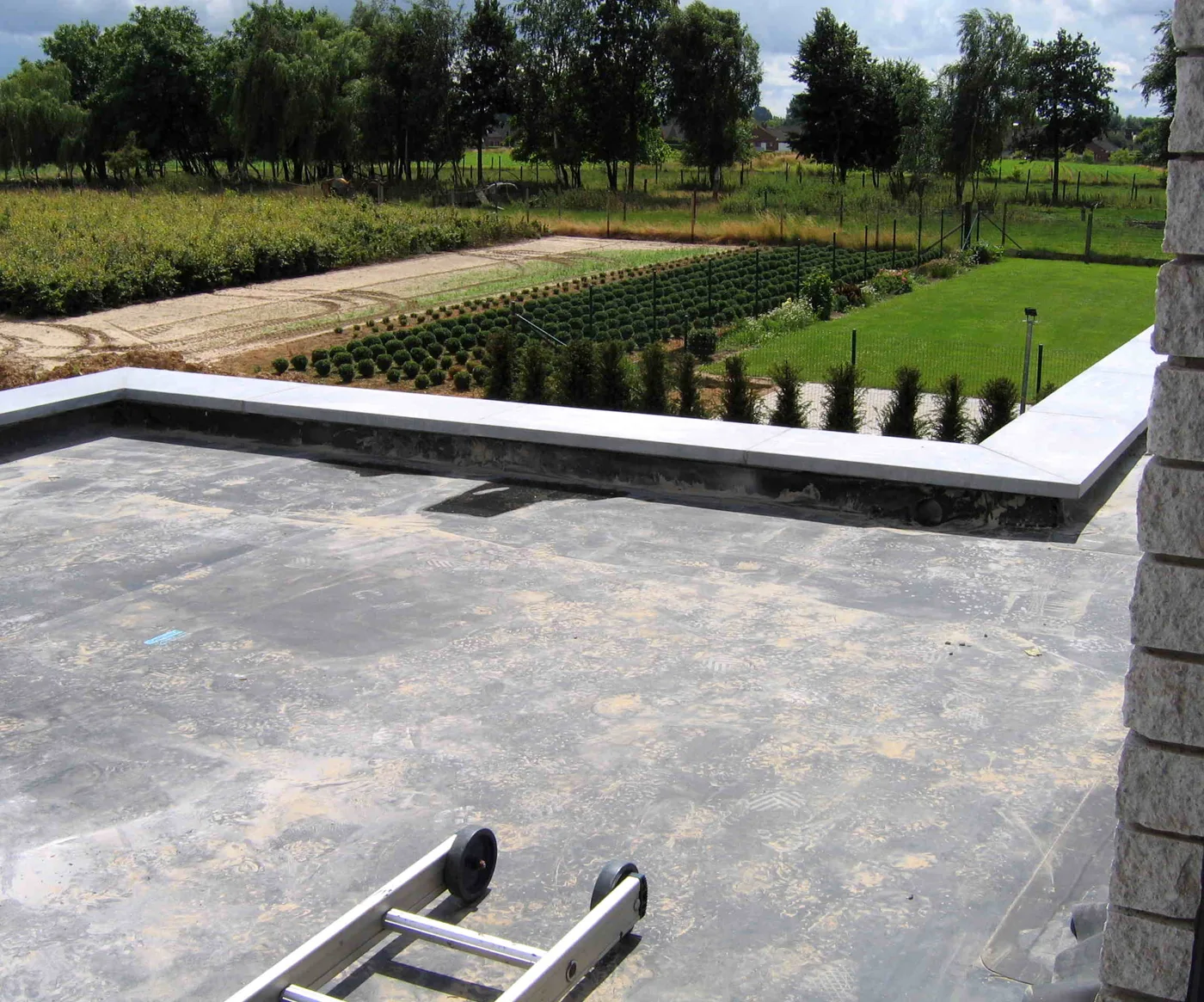
Single ply roofing in the UK is a commercial product that occasionally arrives on a house, and that fact explains most of what a homeowner needs to know about it. It is the standard covering on warehouses, schools and flat-roofed extensions specified by an architect. It is not what the roofer who did your neighbour’s garage will offer you, because installing it to a warranted standard requires manufacturer training that most domestic firms do not hold. Whether it is right for your roof depends less on the material and more on whether you can get a properly approved installer to turn up.
This page explains where single ply sits against EPDM and GRP, how to read the life expectancy and fire figures that get quoted at you, and when it is genuinely the right call on a domestic flat roof.
What single ply actually is
A single ply roof is one layer of factory-made polymer membrane, typically 1.2mm to 1.5mm thick, laid over insulation on a deck. There are two main thermoplastic families:
- PVC (polyvinyl chloride). The original and still the most widely installed. Flexible because of plasticisers built into the sheet.
- TPO or FPO (thermoplastic or flexible polyolefin). Newer, no plasticisers, generally more chemically resistant. Sika also sells a hybrid, Sarnafil AT, which it describes as combining FPO and EPDM technology in one membrane.
EPDM is also technically a single ply, but it is a synthetic rubber rather than a thermoplastic, and that difference decides how the seams are made. This is the distinction that matters most on a real roof.
The seam is the whole argument
Every flat roof fails at its joints long before the field of the membrane wears out. How each system joins its sheets is therefore the most useful comparison there is.
| System | How sheets are joined | What that means in practice |
|---|---|---|
| PVC or TPO single ply | Hot air welded. The two sheets are melted together into one homogeneous material | No adhesive to age, no tape to peel. A correct weld is as strong as the sheet. A bad weld looks identical to a good one until it leaks |
| EPDM | Bonded with seam tape and primer, or with adhesive | Relies on a chemical bond that can be affected by contamination or poor surface preparation on the day |
| GRP fibreglass | Laminated wet, so the joint cures into a continuous laminate | Seamless once cured, but brittle, and reliant on weather during installation |
Hot air welding is the real technical advantage of thermoplastic single ply, and it is why it dominates large commercial roofs where a single sheet cannot cover the area. On a small domestic flat roof, a decent EPDM installation often uses one sheet with no field seams at all, which quietly removes most of that advantage.
Welding also explains repairability. A TPO or PVC roof can be patched years later by welding a new piece on, and the patch is the same material. Our EPDM rubber roofing guide and GRP fibreglass roofing guide cover how those two behave when repairs are needed.
How to read life expectancy claims
This is where merchant blogs do the most damage. Three different numbers get quoted as if they were the same thing, and they are not.
1. BBA certified service life. This is the credible figure, because it comes from independent assessment rather than marketing. Sika states that all of its single ply membranes carry British Board of Agrément certification with a service life of at least 35 years for both PVC and TPO/FPO. Different manufacturers and different membranes in the same range carry different figures, so ask for the specific certificate for the specific product, not the brand.
2. Manufacturer durability claims. Elevate says studies show a life expectancy for EPDM membranes of more than 50 years even when exposed to sunlight. That may well be true of the material in laboratory terms. It is not a certified service life for a roof, and it is not what anyone will underwrite.
3. The warranty. The number that actually protects you, and always the smallest of the three. Elevate offers up to a 25 year Red Shield warranty on selected RubberGard EPDM systems, and only when installed to current details by a licensed applicator. Single ply manufacturers work the same way: the guarantee is conditional on an approved contractor and an approved build-up.
The useful question to ask a contractor is therefore never “how long does it last”. It is: which membrane, which BBA certificate number, what warranty length, and are you an approved installer for that system? If the answer to the last one is no, the warranty figure in the quote is not a manufacturer warranty at all.
One genuine durability point worth knowing: Sika states its membranes are UV tested to 10,000 hours, against the 5,000 hours required by EN 13956. That is a specification you can check on a data sheet, unlike “lasts 50 years”.
Fire performance, and the mistake nearly everyone makes
Roof coverings in the UK are classified for external fire exposure to BS EN 13501-5, where BROOF(t4) is the top classification. Approved Document B requires roof coverings within 6 metres of a relevant boundary to achieve at least BROOF(t4). Older UK testing under BS 476-3 gives letter pairs instead, with AA the best.
Here is the part that gets misquoted constantly. IKO is explicit that the resistance of a roof to external fire is tested on the complete flat roof system from the structural deck upwards, not on the membrane by itself. BROOF(t4) is a system rating, not a material property. A membrane that achieved BROOF(t4) over one insulation and deck combination does not automatically carry it over yours.
So when a quote says “BROOF(t4) rated membrane”, that phrase is meaningless on its own. What you want in writing is the classification for the build-up being installed on your roof: membrane, adhesive or fixing method, insulation type and deck. If your extension sits near a boundary, which on a typical British terrace or semi it usually does, this is not a technicality.
Where single ply genuinely wins on a house
- Complex shapes and lots of detailing. Welded membrane handles upstands, parapets, rooflight kerbs and awkward junctions better than GRP, which hates movement, and with less reliance on adhesive than EPDM.
- Large roof areas. Anything beyond a single EPDM sheet size gains real benefit from welded seams.
- Green roofs, terraces and inverted roofs. Single ply is routinely specified under ballast, paving and substrate, and manufacturers publish build-ups for it.
- Roofs that will be walked on or maintained. Reinforced membranes are dimensionally stable and take foot traffic in designated routes better than GRP.
- Where the architect has specified it. If a system is named on a drawing, substituting it invalidates the warranty chain.
Where it does not
- A small, simple garage or extension roof. A single EPDM sheet with no field seams is cheaper, quicker and perfectly durable. See the best flat roof material in the UK for the comparison on typical domestic sizes.
- Where no approved installer will quote. This is the real constraint. Single ply on a 12 square metre roof is a job most approved commercial contractors will not want, and a job most domestic roofers cannot warrant.
- Where the price only works by dropping the warranty. An unapproved single ply installation is worse than a good EPDM one, because you lose the manufacturer backing that was the reason to choose it.
Practical points before you accept a quote
- Ask which membrane and which thickness. 1.2mm and 1.5mm are not the same product and are not the same price.
- PVC and bitumen do not mix. PVC membranes are incompatible with bitumen and with some insulation facings, and need a separating layer. If you are overlaying an old felt roof, this must be addressed in the specification.
- Check the falls. No membrane fixes standing water. Work out what you need with our flat roof fall calculator, and read tapered insulation for flat roofs if the deck is level.
- Get the fire classification for your build-up in writing, especially within 6 metres of a boundary.
- Ask for the installer’s approval reference with the membrane manufacturer, and check it. The manufacturer will confirm it by phone.
- Compare on total cost, not membrane cost. Insulation, fixings, trims and edge detailing usually outweigh the sheet. Our flat roof cost guide breaks down where the money actually goes.
Frequently asked questions
Is single ply roofing better than EPDM? On a large or complicated roof, generally yes, because hot air welded seams form a homogeneous joint rather than a bonded one, and the membrane is reinforced and dimensionally stable. On a small, simple domestic flat roof, EPDM often wins, because a single sheet can cover it with no field seams at all and far more roofers can install it properly.
How long does a single ply roof last in the UK? Sika states its single ply membranes carry BBA certification with a service life of at least 35 years for both PVC and TPO/FPO. That is the certified figure to work from. The warranty you are actually offered will be shorter and will depend on the installer holding manufacturer approval, so ask for the certificate number and the warranty terms separately.
What is BROOF(t4) and does my roof need it? BROOF(t4) is the top classification for a roof’s resistance to external fire under BS EN 13501-5. Approved Document B requires at least BROOF(t4) for roof coverings within 6 metres of a relevant boundary, which covers most domestic extensions. Critically, it is tested on the whole system from the deck up, so ask for the classification of your specific build-up rather than accepting a claim about the membrane.
What is the difference between TPO and PVC single ply? PVC uses plasticisers to stay flexible and has been installed the longest; it is generally considered more forgiving to weld and detail. TPO and FPO contain no plasticisers, so there is nothing to migrate out over time, and they are more chemically resistant, but they need tighter control of welding temperature. Both carry comparable certified service lives from the major manufacturers.
Can a normal domestic roofer install single ply? Only if they hold current approval from that membrane manufacturer, and most domestic firms do not. Installation is by hot air welding and requires training, the right equipment and adherence to the manufacturer’s details. If your roofer is not approved for the system, you will not get the manufacturer warranty, which removes the main reason to choose single ply in the first place.
Can single ply be laid over an existing felt roof? Not directly in most cases. PVC membranes in particular are incompatible with bitumen and need a separating layer, and any overlay depends on the condition and moisture content of what is underneath. A competent specification will either strip the old covering or set out the separating layer and fixings explicitly. If a quote does not mention either, it has not been thought about.
Want costs like this each month?
Join the Roofline brief for current UK prices and quote-reading tips.
More from Professional Roofers
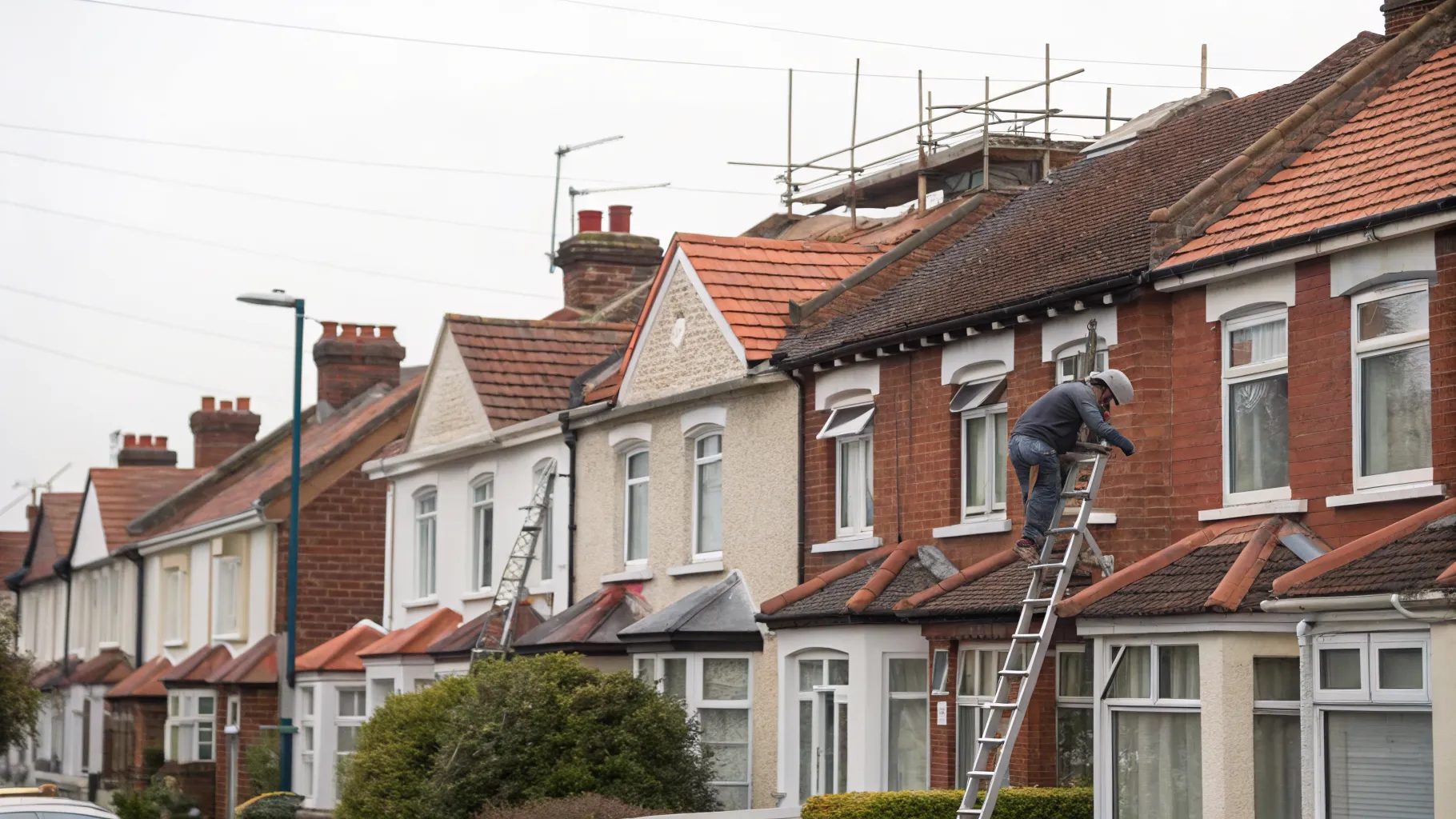
How Much Does a New Roof Cost in the UK in 2026?
What a new roof really costs in the UK in 2026, broken down by house size, material and the hidden extras, plus how to check you are being quoted fairly.
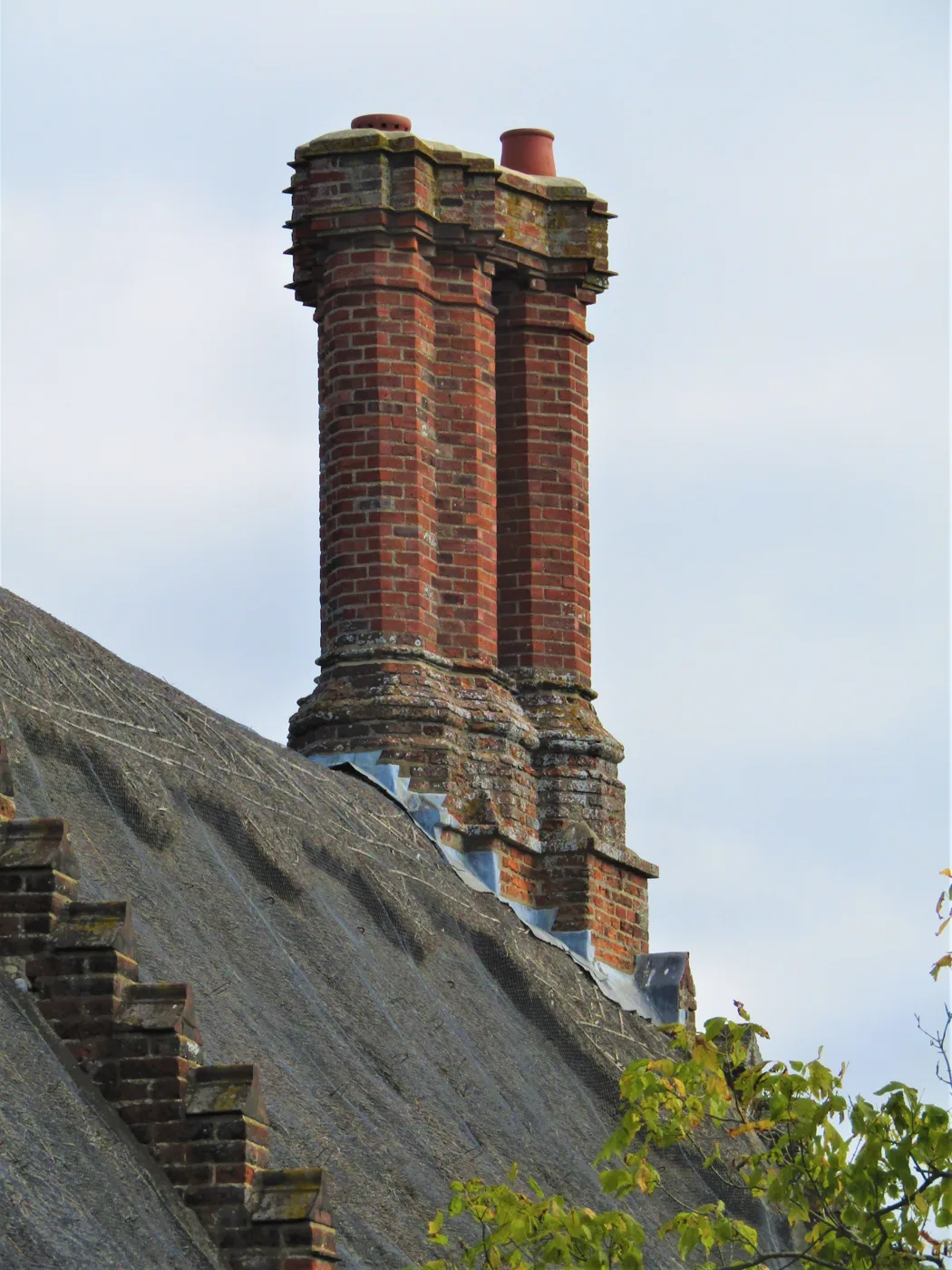
Chimney Repointing and Repair Cost UK (2026)
What chimney repointing cost is in the UK in 2026, why scaffolding drives the price, and how repointing compares to rebuilding, flashing and pot repairs.
Roof Inspection and Survey Cost UK: What's Checked and the Price
Roof inspection cost UK 2026: what a ground, ladder or drone survey checks, typical prices for each, and when a written roof report is worth paying for.