Velux Window Leaking? Condensation, Flashing or Seals
By the Professional Roofers team
Updated 2026 · Independent cost guide
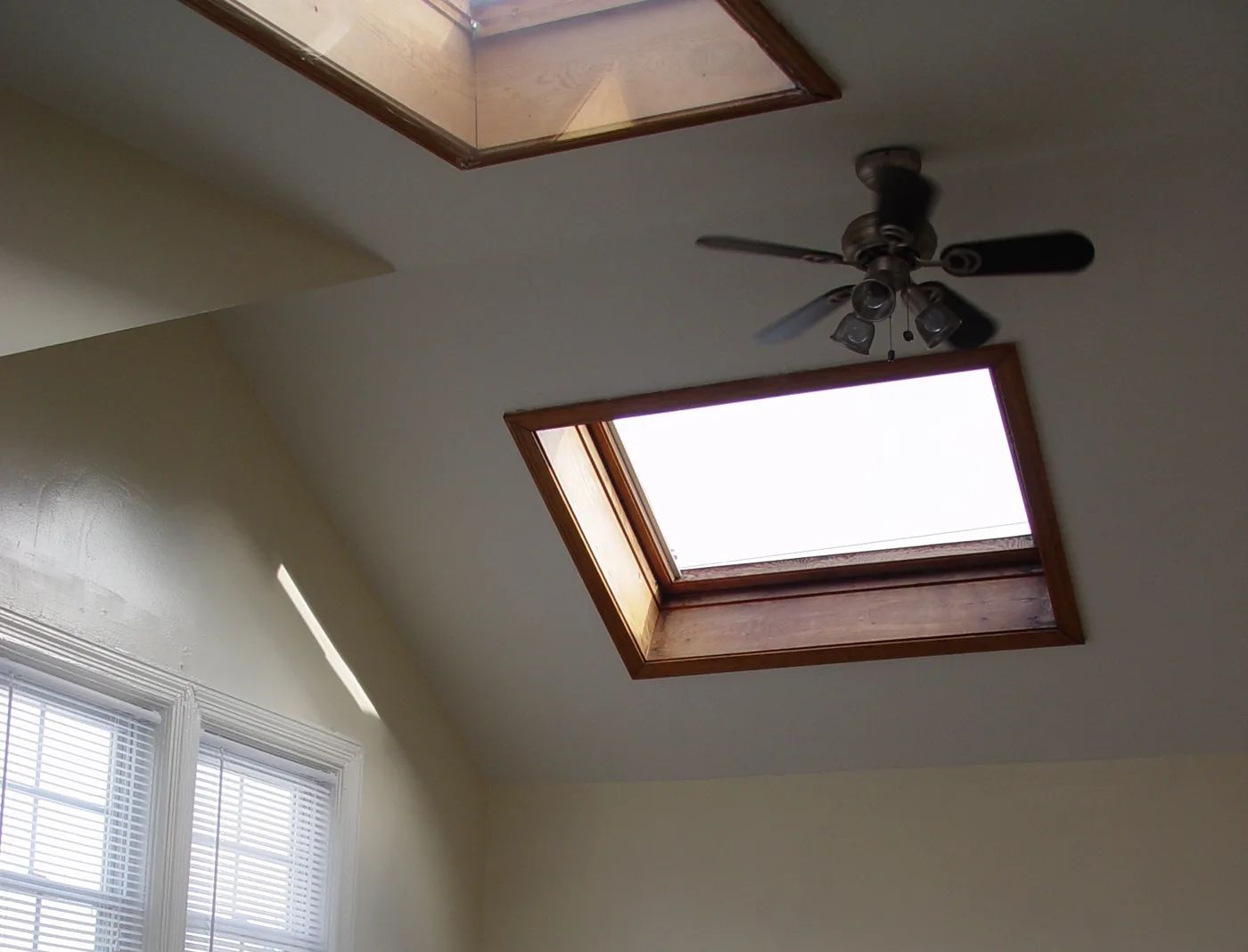
A Velux window leaking in winter is, more often than not, not leaking at all. VELUX’s own support page says water getting in through one of its windows “is not common”, and asks you to check three things before anything else: that the window is fully closed and locked, that the water is not condensation, and that nothing on the outside is damaged or loose. Condensation on a roof window can drip, run down the lining and stain the plaster exactly like a leak.
When it is a real leak, the window itself is rarely the problem. The water usually gets in around it: through the wrong flashing kit for the roof covering, an underlay that was never sealed to the frame, debris piled up behind the top flashing, or, on older windows, a sash that no longer closes tight. This page shows how to tell which you have, mostly from inside the room, and what each repair involves.
Step 1: rule out condensation
VELUX describes condensation as “a natural phenomenon and not a product issue”, and says the problem is usually the moisture in the room rather than the window. It points out that a family of four produces roughly 10 to 15 litres of water vapour a day from cooking, showers, drying clothes and breathing. Warm, moist air rises, so the first cold surface it meets in a loft room is the roof window glass.
It is probably condensation if:
- the water appears on cold mornings and in cold snaps, whatever the weather was overnight;
- you can see droplets or misting on the inside face of the glass, and water collecting on the bottom of the sash or the lining below it;
- it is worst in a bathroom, a bedroom with the door shut, or a newly built or converted room (VELUX notes that new homes are wetter for the first few years);
- it does not get worse in heavy rain.
It is probably a leak if:
- the water appears during or after rain, especially wind-driven rain from one direction;
- the stain starts at the top corners or sides of the lining, not at the bottom of the glass;
- the plasterboard or timber around the window is wet when the glass is dry;
- water appears with the room unused and the heating off.
Misting between the two panes is neither. It means the sealed glazing unit has failed and moisture has got into the gap. It will not drip into the room, but the glazing unit needs replacing.
To reduce condensation, VELUX recommends opening at least two windows for cross-ventilation for 5 to 10 minutes four times a day, using a dehumidifier, and keeping air moving. Our page on loft condensation causes and fixes covers ventilation in more depth. In cold or snowy weather, open the window itself rather than relying on the ventilation flap, which can drip when it is very cold outside.
Step 2: check the window closes properly
Before anyone goes on the roof, close the window firmly and check it locks. On a centre-pivot window, a sash that has been knocked out of line, or a blind or insect screen caught in the frame, can leave a gap at the top. Look along the seals around the sash. If they are flattened, split or missing in places, rain can be driven past them, and replacement seals are available as spare parts for most models.
Every VELUX window has a data plate (VELUX calls it the type sign) visible when you open the sash. It gives the model and size code, which you or a roofer will need to order the right seals, glazing unit or flashing.
Step 3: the flashing kit, the most common real cause
The flashing is the metal and rubber surround that makes the joint between the window and the roof covering watertight. VELUX makes different flashings for different roofs, and a window fitted with the wrong one, or with the right one fitted badly, is the classic cause of a leak that only shows in heavy rain.
| Flashing type | For |
|---|---|
| EDW | Profiled roofing up to 120mm high, such as concrete interlocking tiles and pantiles |
| EDL | Flat roofing materials up to 8mm, such as natural slate and thin fibre cement slates |
| EDJ and EDN | Recessed installations, setting the window lower into the roof, for tiles (EDJ) and slates (EDN) |
What goes wrong:
- Wrong kit for the covering. A slate flashing (EDL) on a deep-profile tile roof leaves gaps under the side pieces that rain blows straight through. Check the code on the data plate or the original invoice against what is actually on the roof.
- Side tiles not dressed in. On a tiled roof, the tiles either side should lap over the flashing’s side channels and the soft apron at the bottom should be dressed down onto the tiles below. Lifted aprons and tiles that sit on top of the channels are common.
- Top flashing tucked under the wrong course. The top piece must go under the tiles above, so water runs onto it and round the window. If tiles above have been cut short or slipped, water can get behind it.
- Debris at the top. Leaves, moss and silt collect behind the top flashing, especially under trees. Water then backs up and finds its way over the upstand. This is the cheapest leak to fix: clear it.
Our guide to roof flashing repair costs covers what a roofer typically charges to re-dress or replace flashings.
Step 4: the underlay collar, the hidden fault
Below the tiles, the roofing underlay is the second line of defence. Around a roof window, VELUX’s Pro flashing sets include a BFX underfelt collar, which seals the underlay to the window frame and has a drainage gutter above the window to carry water round it. The Pro+ sets add a BDX insulation collar, which reduces heat loss and cold bridging around the frame (and so helps with condensation on the lining), but is not there to keep rain out.
Roofers and installers report that a missing or badly fitted underlay collar is one of the main causes of persistent leaks around roof windows: wind-driven rain or snow that gets past the tiles runs down the underlay and straight into the opening instead of round it. You cannot see this from inside. The signs are a leak at the top corners that keeps coming back after the flashing has been checked, and damp timber in the opening when the lining is removed. The fix means lifting the tiles around the window and fitting the collar properly.
VELUX also notes that fitting underlay between the window frame and the roofing material helps prevent condensation forming on the cladding.
Step 5: when it is something else
A stain near a roof window is not always the window’s fault. Water from a slipped tile, a cracked ridge or a failed valley higher up can run down the underlay and appear at the first opening it meets, which is often the window. If the flashing and collar look right, follow our guide to finding a roof leak and check the roof above.
Repair or replace?
A leak caused by debris, a lifted apron or a slipped tile is a small repair. Worn seals and a misted glazing unit can be replaced without touching the roof. A wrong flashing kit or a missing underlay collar means stripping tiles around the window, and if the window is old, it may be better value to replace the window, flashing and collars together. Our Velux window installation costs page sets out what that typically costs.
VELUX windows carry a long manufacturer’s guarantee if registered, so check yours before paying for a repair to a window under ten years old, and contact VELUX through its service request form. Damage caused by poor installation is a matter for the installer, not VELUX, which is why it pays to use a roofer who will put the original flashing set and collars back. See how to find a good roofer before booking.
Frequently asked questions
Why is my Velux window leaking when it rains? Usually because rain is getting round the window, not through it: the wrong flashing kit for your roof covering, side tiles or apron not dressed down, debris behind the top flashing, or a missing underlay collar. A sash that does not close tightly or has worn seals is the next most likely cause.
How do I know if it is condensation or a leak? Condensation appears on cold mornings, on the inside of the glass and at the bottom of the window, whatever the weather. A leak follows rain, often wind-driven, and tends to start at the top corners or sides of the lining.
Is water between the panes a leak? No. Misting between the two panes means the sealed glazing unit has failed. It needs replacing, but it will not let rain into the room.
Should I leave the Velux vent flap open to stop condensation? In mild weather it helps with background ventilation. In cold or snowy weather VELUX advises keeping it closed and opening the window itself for a few minutes several times a day instead.
Can a Velux flashing be repaired without replacing the window? Often, yes. Clearing debris, re-dressing the apron and side tiles, or replacing the flashing kit on its own are all possible. Fitting a missing underlay collar means lifting the tiles around the window, and on an old window it can make sense to replace everything at once.
Will home insurance pay for a leaking roof window? Rarely for wear and tear or poor installation. A sudden leak after storm damage may be covered. Our page on home insurance and roof cover explains the difference.
Checked against VELUX’s support pages on leaks and condensation and its flashing product information, 14 November 2026.
Want costs like this each month?
Join the Roofline brief for current UK prices and quote-reading tips.
More from Professional Roofers

How Much Does a New Roof Cost in the UK in 2026?
What a new roof really costs in the UK in 2026, broken down by house size, material and the hidden extras, plus how to check you are being quoted fairly.
Chimney Repointing and Repair Cost UK (2026)
What chimney repointing cost is in the UK in 2026, why scaffolding drives the price, and how repointing compares to rebuilding, flashing and pot repairs.
Roof Inspection and Survey Cost UK: What's Checked and the Price
Roof inspection cost UK 2026: what a ground, ladder or drone survey checks, typical prices for each, and when a written roof report is worth paying for.