Roof Tiles vs Shingles: What Suits a UK Home?
By the Professional Roofers team
Updated 2026 · Independent cost guide
The roof tiles vs shingles question plays out very differently in the UK than it does in the United States. Across most of America, asphalt shingles are the default; across Britain, they are rare on houses, and concrete or clay tiles and natural slate cover the overwhelming majority of pitched roofs. So for a UK homeowner the real decision is usually which type of tile to choose, with shingles reserved for outbuildings and specific looks. This guide explains why, and when a shingle roof actually makes sense here.
Why tiles dominate UK roofs
British roofs are built for a wet, windy, freeze-thaw climate, and interlocking tiles handle it well. Concrete and clay tiles shed heavy rain, resist wind uplift when properly fixed, and cope with the constant damp far better than a thin asphalt layer. They also suit the pitched roof shapes common on UK housing and match the look of most streets, which matters in conservation areas.
The three mainstream UK coverings are:
- Concrete tiles: the default on most modern homes. Tough, affordable, and available in profiles that mimic clay or slate. Typical lifespan is around 30 to 50 years.
- Clay tiles: more expensive but longer-lasting, holding their colour and character for 50 to 100 years or more. Some medieval clay tiles are still in service on heritage buildings.
- Natural slate: the premium traditional choice, elegant and extremely durable, often lasting a century when well laid.
Where shingles fit in the UK
“Shingles” can mean two things here, and neither is the American asphalt roof most people picture.
- Bitumen (felt) shingles are thin, flexible strips used mainly on sheds, garages, summerhouses, porches and other outbuildings. They are cheap, easy to lay on a low pitch, and fine for a garden building, but they have a shorter life, usually 15 to 20 years, and are not the standard choice for a house roof in Britain.
- Cedar or timber shingles give a distinctive natural look and appear on some barn conversions, coastal properties and design-led homes. They can last well if maintained but need the right treatment and are a specialist, higher-cost option.
If you are roofing a garage, extension roof or garden building, felt shingles are a sensible, budget-friendly pick. For the main house, tiles or slate remain the norm.
Lifespan compared
Durability is the clearest split:
- Clay tiles / natural slate: 50 to 100+ years.
- Concrete tiles: roughly 30 to 50 years.
- Bitumen shingles: around 15 to 20 years.
A tiled or slate roof is very much a long-term investment that can outlast several shingle roofs. On a house you plan to keep, that longevity usually justifies the higher upfront cost.
Cost in the UK
As a rough guide, installed costs per square metre run in the region of concrete tiles at the lower end, clay tiles higher, and natural slate at the top. Felt shingles are cheaper again but are really only competing on outbuildings, not full house roofs, so a direct price comparison rarely applies. For a full re-roof the total depends far more on roof size, pitch, access and scaffolding than on the covering alone.
Because prices move with materials and labour, treat any figure as indicative and get written quotes. Our roof replacement cost calculator and the guide to roof replacement cost for a 3-bed semi give a realistic starting point for your own property.
Which should you choose?
- Most UK houses: concrete tiles for value, or clay for longevity and looks. Both suit the climate and the typical pitched roof.
- Period or conservation properties: clay tiles or natural slate to match the original and satisfy planning constraints. Check with your local authority first.
- Garages, sheds and outbuildings: bitumen (felt) shingles, or an EPDM flat-roof system if the pitch is very low.
- A specific natural look: cedar shingles, accepting the higher cost and maintenance.
The honest summary for a UK home is that tiles win for the house and shingles earn their place on the outbuildings. Match the covering to the building, the climate and any conservation rules rather than to a single “best” material.
Before you commit, it is worth understanding the fitting standards. The NFRC (National Federation of Roofing Contractors) sets guidance UK roofers work to, and using a member firm gives you some protection on workmanship. For the wider job, see our step-by-step roof replacement process.
Frequently asked questions
Are shingles used on UK house roofs? Rarely. Asphalt shingles are the norm in the United States, but in the UK concrete and clay tiles and natural slate cover almost all pitched house roofs because they suit the wet, windy climate. Bitumen shingles here are mostly used on sheds, garages and other outbuildings rather than houses.
Do roof tiles last longer than shingles? Yes, considerably. Concrete tiles typically last 30 to 50 years, clay tiles and slate 50 to 100 years or more, while bitumen shingles usually last around 15 to 20 years. A tiled or slate roof can outlast several shingle roofs, which is why it is treated as a long-term investment.
Are shingles cheaper than tiles? Felt shingles are cheaper per square metre than tiles, but they are really only used on outbuildings, so a like-for-like comparison on a house rarely applies. On a full re-roof, the total cost is driven more by roof size, pitch, access and scaffolding than by the covering itself.
What roof covering is best for a UK garage or shed? Bitumen (felt) shingles are a common, budget-friendly choice for pitched garage and shed roofs, and they are easy to lay. For a very low pitch or a flat roof, an EPDM rubber membrane usually performs better. See our guide to the best flat roof materials for outbuildings with little or no pitch.
Can I put a shingle roof on a period property? Usually not without checking. Period and conservation-area homes are generally expected to keep clay tiles or natural slate to match the original roof, and planning rules may require it. Always confirm with your local authority before changing the covering on an older or listed building.
Which tile is best for a modern UK house, concrete or clay? Concrete tiles offer the best value and a wide range of profiles, making them the default on modern homes. Clay tiles cost more but last longer and hold their colour and character, so they are worth the premium if you plan to stay in the house for decades or want a more traditional finish.
Want costs like this each month?
Join the Roofline brief for current UK prices and quote-reading tips.
More from Professional Roofers
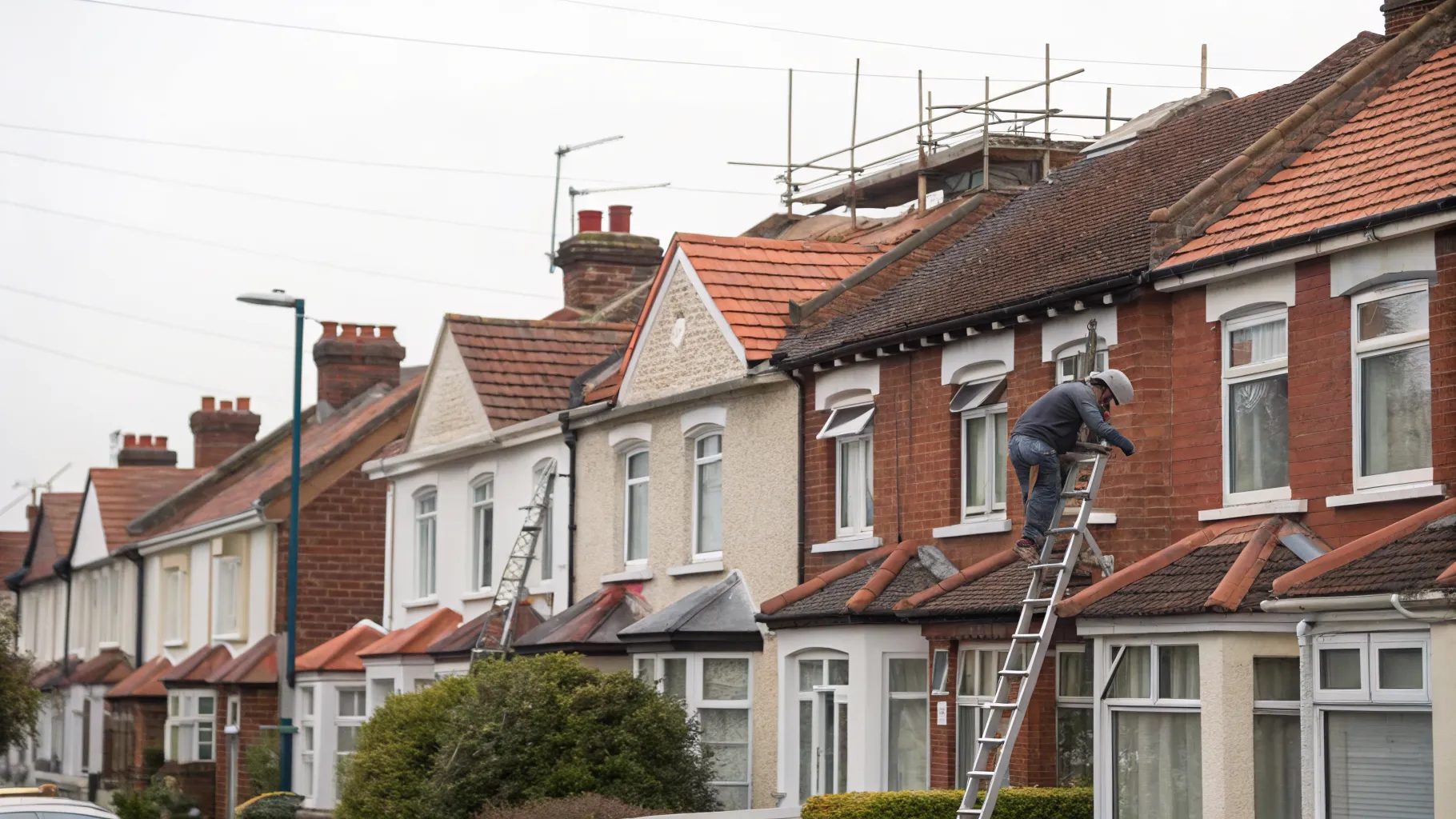
How Much Does a New Roof Cost in the UK in 2026?
What a new roof really costs in the UK in 2026, broken down by house size, material and the hidden extras, plus how to check you are being quoted fairly.
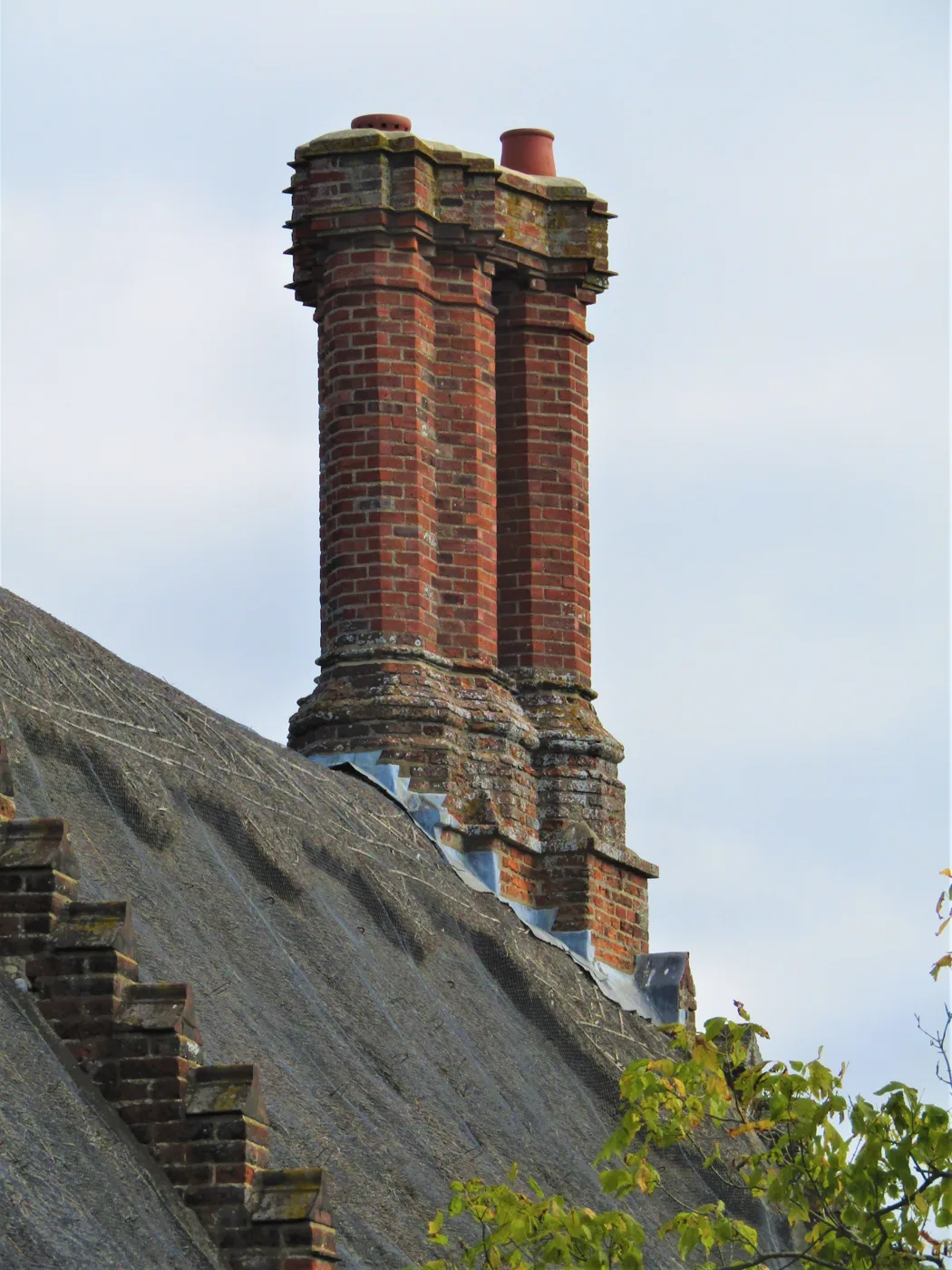
Chimney Repointing and Repair Cost UK (2026)
What chimney repointing cost is in the UK in 2026, why scaffolding drives the price, and how repointing compares to rebuilding, flashing and pot repairs.
Roof Inspection and Survey Cost UK: What's Checked and the Price
Roof inspection cost UK 2026: what a ground, ladder or drone survey checks, typical prices for each, and when a written roof report is worth paying for.