Rainwater Harvesting Calculator: Litres Your Roof Collects
By the Professional Roofers team
Updated 2026 · Independent cost guide
Every millimetre of rain that falls on one square metre of roof is one litre of water. The catch is that you measure the roof from above, not along the slope: rain falls straight down, so a steep roof collects no more than a shallow one with the same footprint. Enter your roof's plan size, its surface and your local rainfall below and this works out how many litres you can collect a year, what a single heavy shower delivers, and how big a water butt or tank is worth buying.
Your roof and rainfall
How the figure is worked out
The calculation is the standard one used for sizing rainwater systems: plan area × annual rainfall × runoff coefficient × filter efficiency. Plan area in square metres times rainfall in millimetres gives litres directly. The runoff coefficient allows for water that never reaches the gutter: it splashes off, evaporates from warm tiles, or soaks into moss, gravel or a sedum layer. Pitched tiled roofs shed most of their rain, so we use 0.8; smooth flat roofs hold water in shallow ponds that dry out, so they are taken as 0.5, and gravel or green roofs lower still. A filter or diverter sends the first dirty flush and overflow back down the drain, which is why we take off another 10% when you use one.
These are planning figures, not measurements. Rainfall varies from year to year and month to month, so a store sized on an average year will run dry in a long dry spell. For a better local number, look up the 1991 to 2020 average for your nearest station on the Met Office climate averages pages and use the "I know my figure" option.
Sizing a water butt or tank
- The 5% rule. A common simple method for sizing a harvesting tank is to take 5% of whichever is smaller, the yearly yield or the yearly use. That is roughly 18 days of supply. A bigger tank costs more and mostly sits full in winter; a smaller one overflows in the first wet week.
- The single-shower test. For a garden water butt, the more useful figure is what one heavy shower delivers. A 10 mm downpour on 30 square metres of tiled roof sends over 200 litres down the pipe through a diverter, enough to fill a standard butt in one go, which is why many people link two or three butts together.
- Only count connected roof. A butt on one downpipe only sees the slope and gutter run feeding that pipe. If your gutter falls to two outlets, roughly half the slope drains to each.
Before fitting a diverter, check the gutters can carry the flow: our gutter size calculator covers that, and why gutters overflow in heavy rain explains the usual faults. A diverter cut into a downpipe also needs sealing properly, or you get the drips covered in downpipe leaking at a joint. For the full sloped area of a roof (for materials, not rainfall), use the roof area calculator.
Want costs like this each month?
Join the Roofline brief for current UK prices and quote-reading tips.
More from Professional Roofers

How Much Does a New Roof Cost in the UK in 2026?
What a new roof really costs in the UK in 2026, broken down by house size, material and the hidden extras, plus how to check you are being quoted fairly.
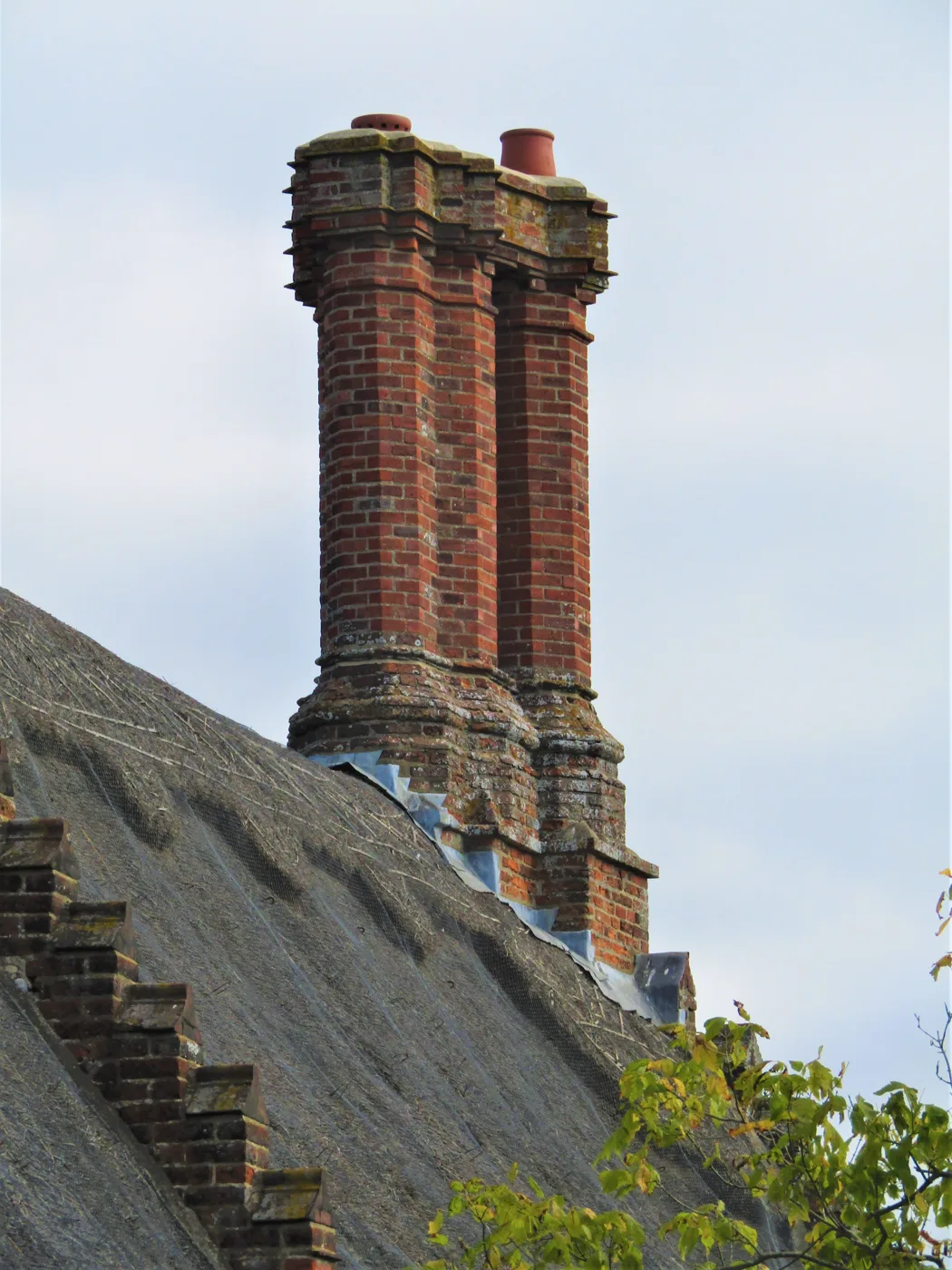
Chimney Repointing and Repair Cost UK (2026)
What chimney repointing cost is in the UK in 2026, why scaffolding drives the price, and how repointing compares to rebuilding, flashing and pot repairs.
Roof Inspection and Survey Cost UK: What's Checked and the Price
Roof inspection cost UK 2026: what a ground, ladder or drone survey checks, typical prices for each, and when a written roof report is worth paying for.