Minimum Roof Pitch for Tiles: 15° to 40° by Tile Type
By the Professional Roofers team
Updated 2026 · Independent cost guide
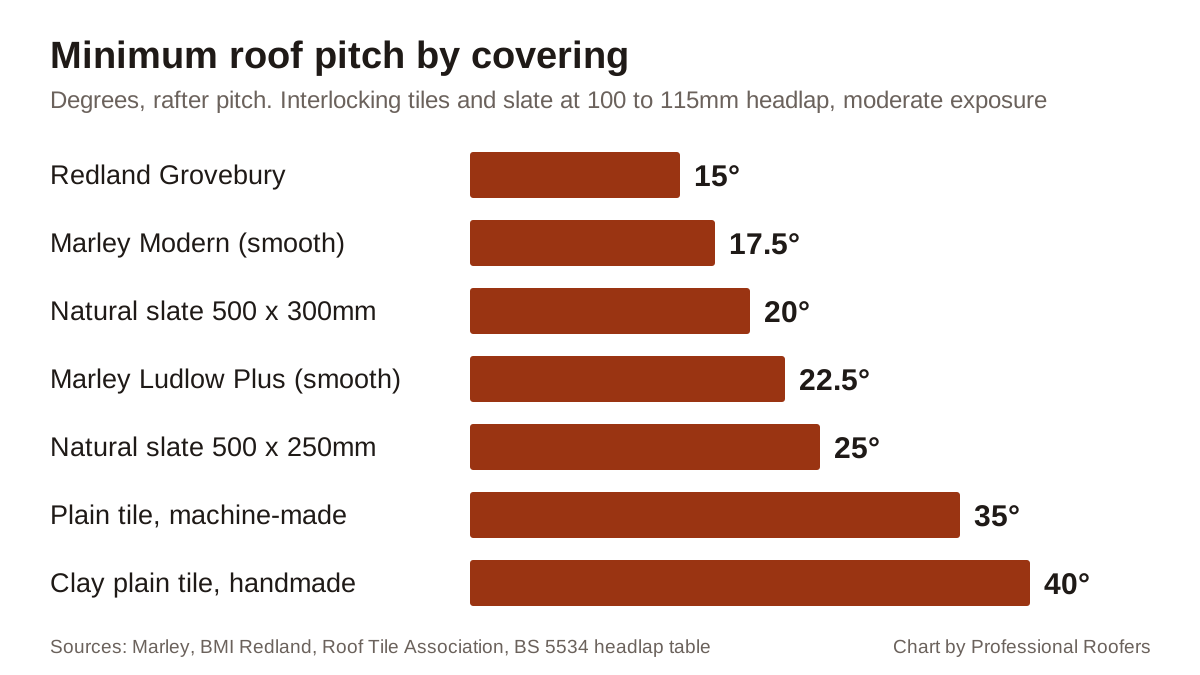
The minimum roof pitch for tiles is the shallowest angle a tile has been tested to stay watertight at, and it varies far more than most homeowners expect. A flat interlocking concrete tile can go down to 15°. A handmade clay plain tile needs 40°. Natural slate sits in between, and its figure depends on the size of the slate and how exposed your house is to driving rain. Get it wrong and the roof will leak in the first proper storm, however well it was laid. Below are the real figures from UK manufacturers, what changes them, and what to do if your extension or dormer is shallower than the tile you wanted.
Minimum pitch by tile and slate type
These are the manufacturers’ published figures for common UK products. Every one of them is a rafter pitch, the angle of the roof structure, which is how pitch is always quoted.
| Covering | Example product | Minimum pitch | Condition |
|---|---|---|---|
| Concrete interlocking, flat | Redland Grovebury | 15° | 100mm headlap |
| Concrete interlocking, flat | Marley Modern, smooth | 17.5° | 100mm headlap |
| Concrete interlocking, flat | Redland 49, smooth | 17.5° | 100mm headlap |
| Concrete interlocking, flat | Marley Ludlow Plus, smooth | 22.5° | 100mm headlap |
| Natural slate, 500 x 300mm | Any BS 5534 slate | 20° | 115mm headlap, moderate exposure |
| Natural slate, 500 x 250mm | Any BS 5534 slate | 25° | 100mm headlap, moderate exposure |
| Natural slate, small (400mm long and under) | Any BS 5534 slate | 30° | 80mm headlap, moderate exposure |
| Concrete plain tile | Marley concrete plain tile | 35° | Double lap |
| Machine-made clay plain tile | Tiles within standard tolerances | 35° | Double lap |
| Handmade clay plain tile | Marley Canterbury, Keymer handmade | 40° | Double lap |
Sources: Marley’s Ludlow Plus data, Marley Modern and Canterbury product pages, BMI Redland technical data, and the BS 5534 headlap table published by slate merchant Gordon H Richards. Figures are for the smooth finish where a tile comes in both.
Two patterns stand out. Interlocking tiles go far lower than plain tiles. And the same tile can have two or three different minimum pitches depending on its finish and the headlap it is laid with.
Why plain tiles need so much more pitch
A plain tile is a small, flat tile with no side interlock. Water that runs down the joint between two tiles drops onto the tile below, so the roof relies on double lapping (every point is covered by at least two thicknesses of tile) and on gravity to move water off fast. Lower the pitch and water lingers on the surface, wind blows it sideways and up under the laps, and the roof starts to leak through the joints.
Interlocking tiles have channels along their edges that lock into the next tile and carry water down the roof. That side lock is what lets them run so much shallower.
Handmade clay tiles need even more pitch than machine-made ones because they are deliberately irregular. The Roof Tile Association puts the minimum for plain tiles at 35°, rising to 40° for handmade clay tiles that fall outside the geometric tolerances set by manufacturing standards. The gaps between uneven tiles let in more wind-driven rain.
How headlap changes the minimum pitch
Headlap is how far each course of tiles overlaps the course below. More overlap means water has further to travel before it can get past the tile, so a bigger headlap lets you go lower. You can see it in Marley’s own figures:
- Marley Modern, smooth: 22.5° at 75mm headlap, 17.5° at 100mm.
- Marley Ludlow Plus, smooth: 25° at 75mm headlap, 22.5° at 100mm.
- Redland Grovebury: 17.5° at 75mm headlap, 15° at 100mm.
The cost of a bigger headlap is more tiles per square metre and more weight. Marley Modern goes from 9.9 tiles per square metre at 75mm headlap to 10.7 at 100mm.
Finish matters too. A granular (sanded) surface holds water slightly longer than a smooth one, so granular tiles need more pitch: Marley quotes 25° for the Modern in granular at 100mm headlap, against 17.5° for smooth.
Natural slate: size and exposure decide it
There is no single minimum pitch for slate. Under BS 5534, the code of practice for slating and tiling, it depends on three things: the length of the slate, its width, and how much driving rain your area gets.
Using the BS 5534 nail-fixing table for moderate exposure (under 56.5 litres per square metre per spell of driving rain):
- A 500 x 300mm slate can go to 20° with 115mm headlap.
- A 500 x 250mm slate cannot go below 25°, at 100mm headlap.
- Small slates of 400mm long or less need 30°.
In severe exposure, which covers much of western Britain and many coastal and upland sites, the figures climb. A 500 x 250mm slate needs 30° and 120mm headlap, and only the largest 600 x 350mm slate can still go to 20°, at 150mm headlap. The tables also stop applying below 30° on long rafters: over 9m in moderate exposure, or over 6m in severe. Those roofs need a specialist’s advice.
Wider slates manage lower pitches because water running down the joint between two slates lands further from the nail holes of the slate beneath. If you want slate on a shallow roof, buy bigger slates. Our slate roofing page covers the types and costs.
What happens below the minimum pitch
Laying a tile below its tested pitch does not make the roof leak on day one. It makes it leak in the conditions the testing was designed for: hard, wind-driven rain. Water is pushed back up under the laps and onto the underlay, which is meant to be a second line of defence, not the main one. Over time, the battens get wet and rot and the underlay sags.
There are three other consequences:
- The manufacturer’s guarantee is void. Every tile guarantee assumes it was laid to the published specification.
- It may not meet Building Regulations. Re-roofing and new roofs are normally designed to BS 5534, and a covering below its minimum pitch does not comply with it. Our explainer on BS 5534 tile fixing covers what else the standard requires.
- Insurers can refuse the claim. Water damage from a roof laid outside the specification is often treated as a workmanship defect rather than storm damage.
Why the manufacturer’s figure beats a rule of thumb
You will hear roofers say “concrete tiles are fine down to 22.5” or “slate needs 25”. Both are roughly right for some products and wrong for others. The Ludlow Plus and the Grovebury are both concrete interlocking tiles, yet one needs 22.5° and the other 15° at the same headlap. Slate ranges from 20° to 30° on size alone.
Always check the data sheet for the exact tile, finish and headlap being quoted, and ask your roofer to write the tile, the headlap and your roof’s measured pitch on the quote. Our page on roof tile types explains how the main types compare on weight and looks once the pitch question is settled.
How to measure your roof pitch
The easy way is from inside the loft. Hold a spirit level or a phone with a level app against the underside of a rafter and read the angle. Take two or three readings on different rafters and use the lowest.
From the outside, you can work it out from the rise and the run. Measure the height from the top of the wall plate to the ridge, and the horizontal distance from the wall to the centre line under the ridge. Pitch equals the inverse tangent of rise divided by run. A rise of 1.5m over a run of 3m is a pitch of about 26.6°.
If your roof is too shallow for the tile you want
- Choose a low-pitch interlocking tile. On an extension at 15° to 20°, a flat interlocking tile is the usual answer, and several look like slate from the ground.
- Use larger slates with more headlap, if natural slate is required and the pitch is 20° or more.
- Consider a different covering. Below about 15°, tiles and slates are generally not an option. Standing seam metal, single-ply membrane or a properly designed flat roof is the honest choice. See flat roof vs pitched roof for the costs.
- Watch the dormers. Dormer cheeks and low-pitch dormer roofs are where shallow pitches cause most leaks. Our page on dormer cheek leaks shows the warning signs.
Frequently asked questions
What is the minimum roof pitch for tiles? It depends on the tile. Some flat interlocking concrete tiles, such as Redland Grovebury, go down to 15° with 100mm headlap. Plain tiles need at least 35°, and handmade clay plain tiles need 40°.
What is the minimum pitch for a slate roof? Under BS 5534, natural slate can go to 20° only with large slates (500 x 300mm or bigger) and generous headlap in a moderate exposure area. A 500 x 250mm slate needs 25°, and smaller slates need 30° or more.
Can you put tiles on a 15 degree roof? Only tiles that are specifically rated for it, such as the Redland Grovebury at 100mm headlap. Most tiles need more. Below about 15°, use a metal, membrane or flat roof covering instead.
Why do plain tiles need a steeper pitch? Plain tiles have no side interlock, so water running down the joints falls onto the tile below. They rely on a double lap and a steep pitch to shed water before wind can drive it back under the tiles.
Does a bigger headlap allow a lower pitch? Yes, within the limits the manufacturer publishes. Marley’s Modern tile, for example, needs 22.5° at 75mm headlap but 17.5° at 100mm.
What happens if tiles are laid below the minimum pitch? The roof is likely to let in wind-driven rain, the tile guarantee is void, and the work may not comply with BS 5534 or satisfy an insurer after a leak.
Want costs like this each month?
Join the Roofline brief for current UK prices and quote-reading tips.
More from Professional Roofers
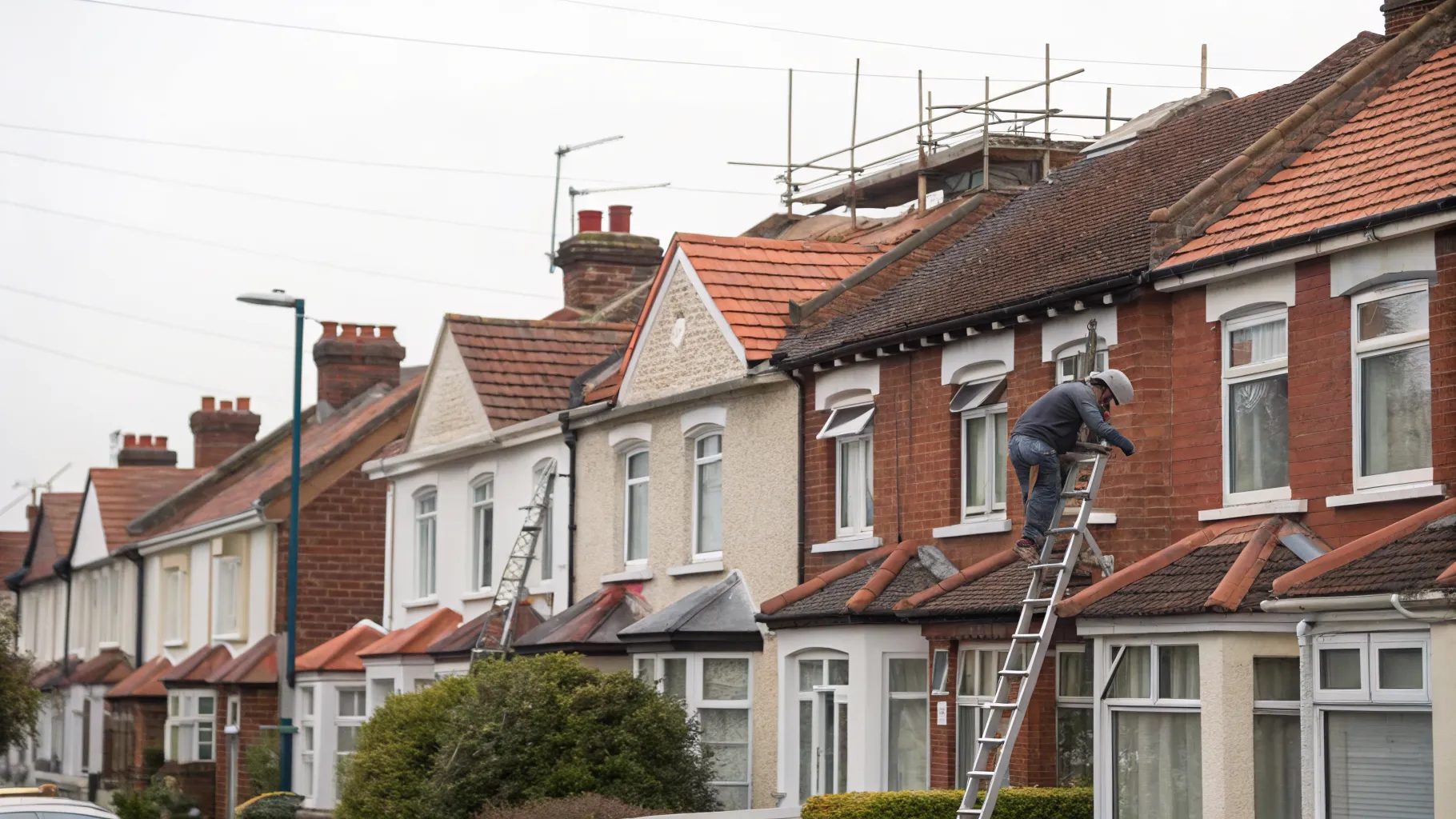
How Much Does a New Roof Cost in the UK in 2026?
What a new roof really costs in the UK in 2026, broken down by house size, material and the hidden extras, plus how to check you are being quoted fairly.
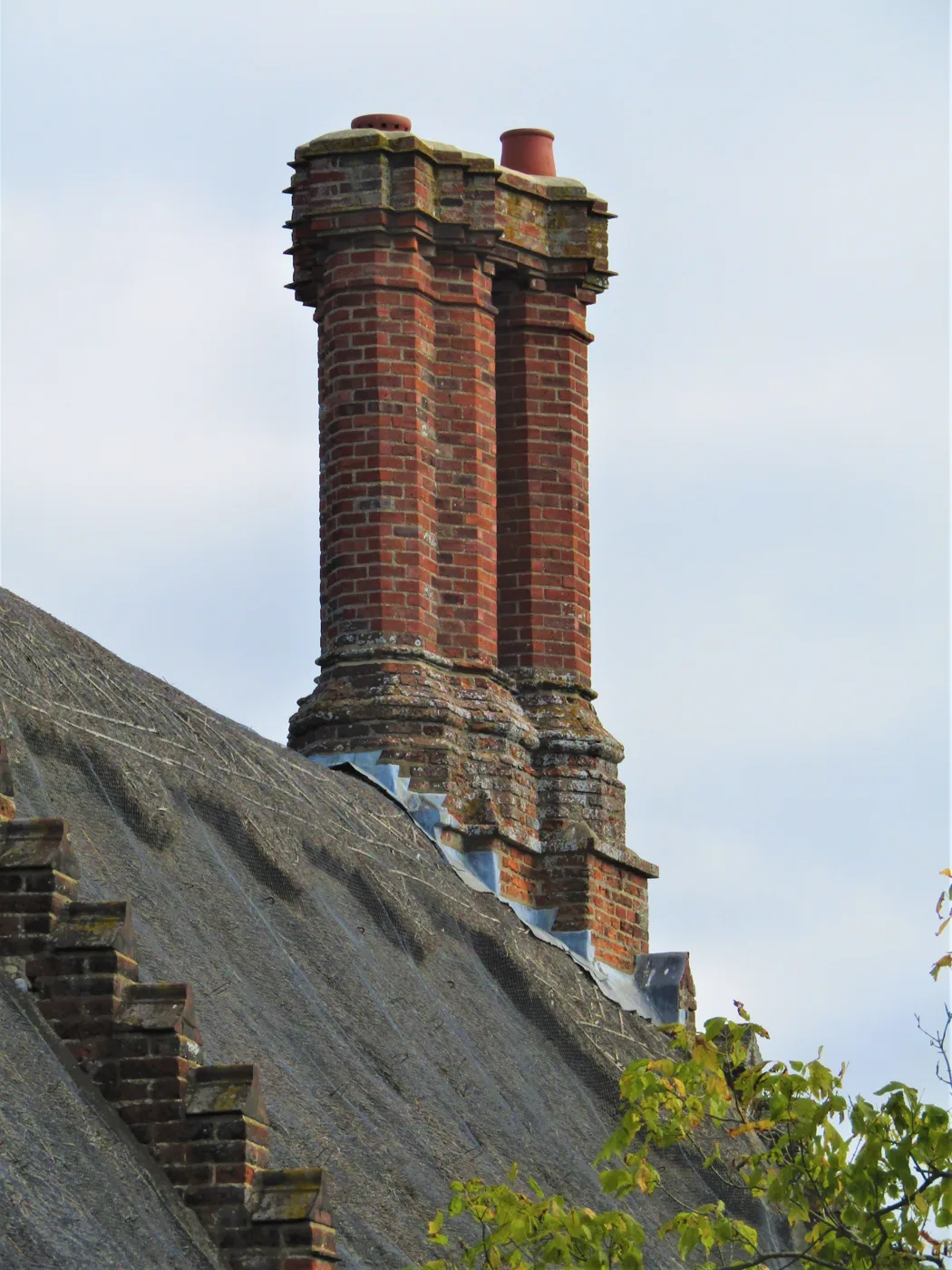
Chimney Repointing and Repair Cost UK (2026)
What chimney repointing cost is in the UK in 2026, why scaffolding drives the price, and how repointing compares to rebuilding, flashing and pot repairs.
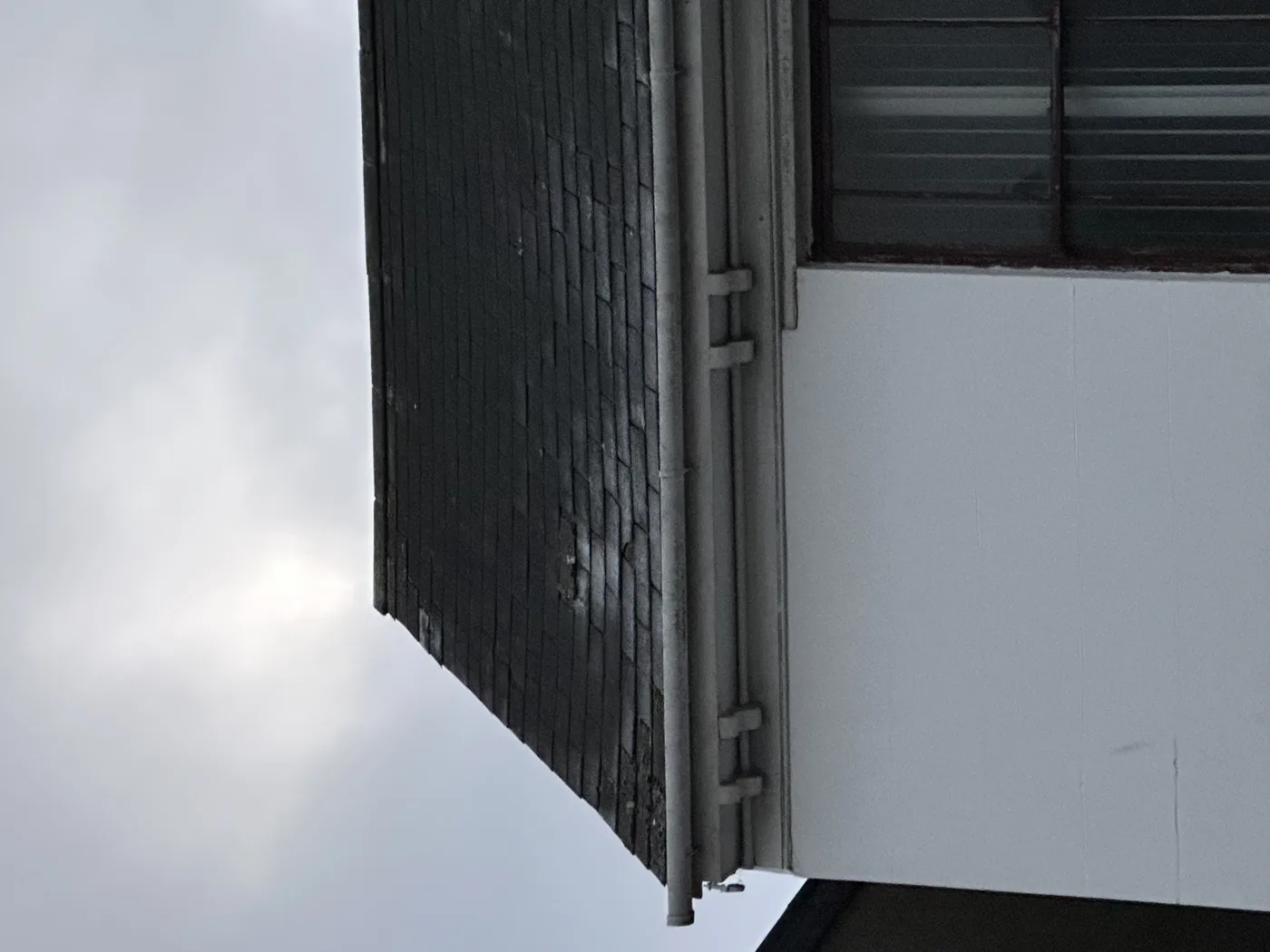
Roof Inspection and Survey Cost UK: What's Checked and the Price
Roof inspection cost UK 2026: what a ground, ladder or drone survey checks, typical prices for each, and when a written roof report is worth paying for.