How Long Does a Flat Roof Last? Lifespan, Pitch and Insulation
By the Professional Roofers team
Updated 2026 · Independent cost guide
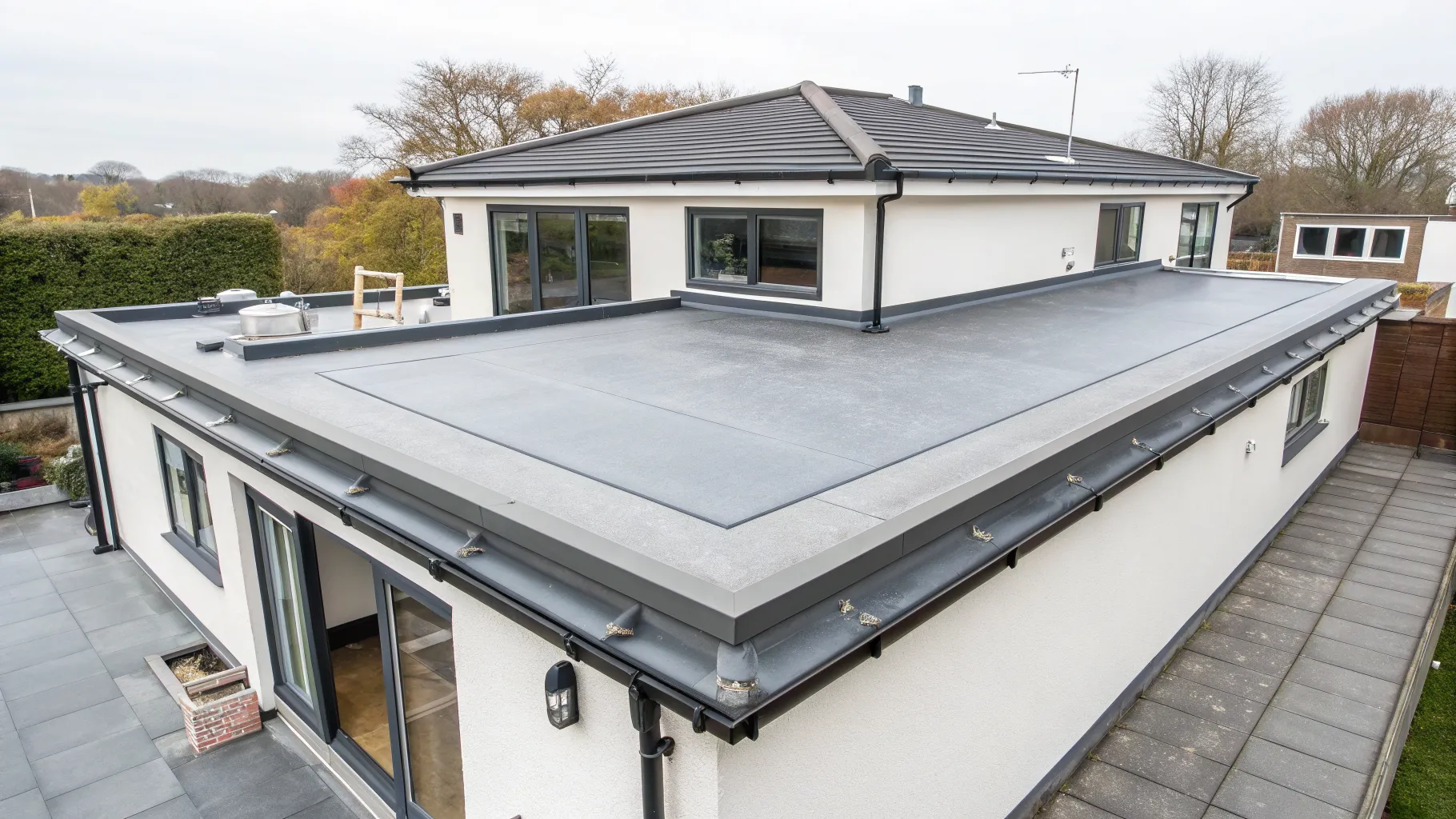
How long does a flat roof last? The honest answer is anywhere from about 10 years to 50, and the single biggest factor is the material sitting on top. Flat roofs get a bad reputation from the cheap felt roofs of decades past, but modern systems installed properly can outlast a lot of pitched coverings. This page answers the questions homeowners actually ask before spending money: lifespan, pitch, whether you can walk on it, and how insulation works.
How long does a flat roof last by material?
Lifespan depends almost entirely on the covering and the quality of the installation:
- Felt (built-up bitumen): roughly 10 to 20 years. A standard three-layer system tends to reach 10 to 15 years, while a high-performance torch-on system with polymer-modified bitumen can manage 15 to 20 with maintenance.
- EPDM rubber: roughly 25 to 50 years. It resists UV, ozone and the freeze-thaw cycles that crack felt over UK winters, and real installations often exceed their 20-year-plus warranties.
- GRP fibreglass: roughly 25 to 40 years. Being seamless, it avoids the joint failures that let water in, and its hard topcoat copes better with the odd bit of foot traffic.
So a flat roof is not automatically short-lived. A felt roof nearing its second decade is due for replacement, but an EPDM or GRP roof of the same age may have plenty left. Our guides to EPDM rubber roofing and GRP fibreglass roofing compare them in detail, and the best flat roof material guide helps you choose.
Does a flat roof have any pitch?
Yes, and this catches people out: a “flat” roof is never truly flat. It is built with a slight slope, called a fall, so rainwater runs to the outlets instead of pooling. UK guidance sets a minimum design fall of 1:80, and because timber decks deflect over time, roofers commonly build to a finished fall of around 1:40 to guarantee water always drains.
Ponding water (puddles that sit for days) is the enemy of any flat roof. It accelerates wear and finds any weak spot. If your roof holds standing water long after rain, the fall was probably built too shallow, and that is worth addressing.
Can you walk on a flat roof?
Only if it was designed for it. Most domestic flat roofs are built to be walked on occasionally for maintenance (clearing gutters, checking flashing), not for regular use. Tread carefully, spread your weight, and stick to a warm dry day when the membrane is less brittle.
If you want a roof terrace or balcony, that is a different specification entirely: it needs a structural deck rated for the load plus a walkable surface such as paving on supports or a purpose-made walkway membrane. Never assume a standard extension roof will take furniture and foot traffic. Ask a roofer or structural engineer first.
Warm roof or cold roof: how flat roof insulation works
Flat roofs are insulated in one of two ways, and the difference matters:
- Warm roof: the insulation sits above the structural deck, directly under the waterproof covering. This keeps the whole structure warm and greatly reduces the risk of condensation. It is the modern standard for new flat roofs and refurbishments.
- Cold roof: the insulation sits between the joists, below the deck. It is older, thinner, and prone to condensation unless ventilated correctly. Current Building Regulations and good practice favour warm roof construction.
If you are replacing a flat roof, upgrading to a warm roof build-up is almost always the right call. It meets current thermal standards and avoids the hidden damp problems that plague poorly ventilated cold roofs. The requirements sit within the Building Regulations, and the official conservation of fuel and power guidance covers the standards.
When to repair and when to replace
A flat roof does not always need ripping off. Isolated splits, blistering or a leak around flashing can often be repaired, especially on an EPDM or GRP roof with years of life left. A felt roof that is widely cracked, blistered and past 15 years is usually better replaced than patched. Our guide to common flat roof problems and repairs covers the warning signs, and the flat roof cost guide sets out replacement pricing.
Frequently asked questions
How long does a flat roof last? Between roughly 10 and 50 years depending on material: felt lasts about 10 to 20 years, GRP fibreglass 25 to 40, and EPDM rubber 25 to 50. Installation quality and drainage make a large difference within those ranges.
What is the minimum pitch for a flat roof? UK guidance sets a minimum design fall of 1:80, but roofers usually build to around 1:40 to allow for the deck deflecting over time, so water always drains to the outlets rather than ponding.
Can you walk on a flat roof safely? Only for occasional maintenance, and carefully. Most domestic flat roofs are not designed for regular foot traffic. A roof terrace or balcony needs a structural deck rated for the load and a proper walkable surface, so check the specification before using it as a walkway.
What is the difference between a warm and cold flat roof? A warm roof places insulation above the deck under the covering, keeping the structure warm and reducing condensation. A cold roof places insulation between the joists below the deck and is more prone to condensation. Warm roof is the current standard.
Is a flat roof cheaper than a pitched roof? Usually yes, both to build and to replace over a similar area, though a long-life EPDM or GRP flat roof can work out competitive over decades. See our comparison of flat roof vs pitched roof cost.
The bottom line
How long a flat roof lasts comes down to the covering and the standard of installation: felt is the short-lived budget option, while modern EPDM and GRP can run for decades. Make sure any new roof has a proper fall so water drains, insist on a warm roof build-up for insulation, and only treat your roof as walkable if it was actually designed for it. Get those three right and a flat roof is a dependable, low-maintenance choice.
Want costs like this each month?
Join the Roofline brief for current UK prices and quote-reading tips.
More from Professional Roofers
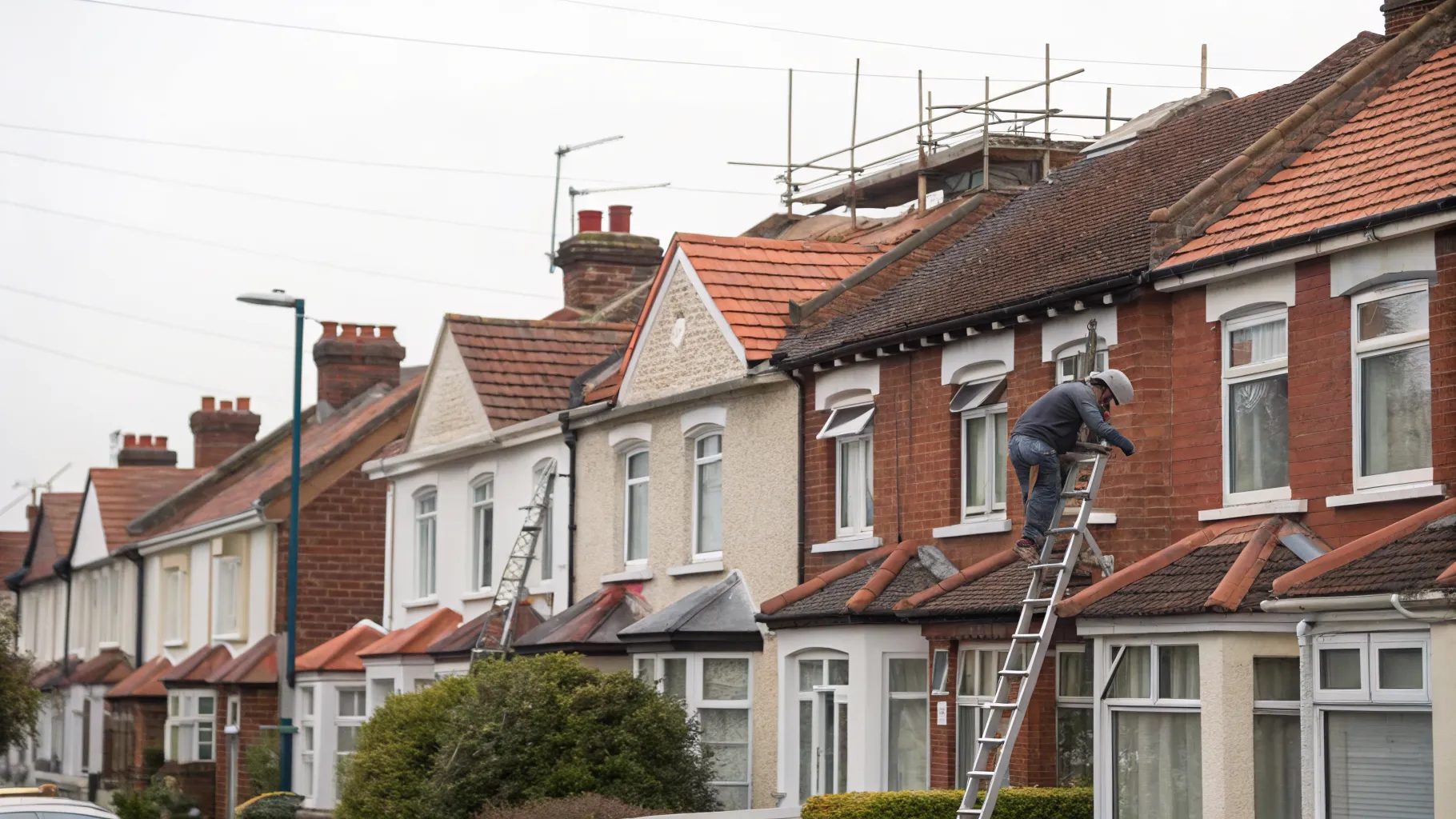
How Much Does a New Roof Cost in the UK in 2026?
What a new roof really costs in the UK in 2026, broken down by house size, material and the hidden extras, plus how to check you are being quoted fairly.
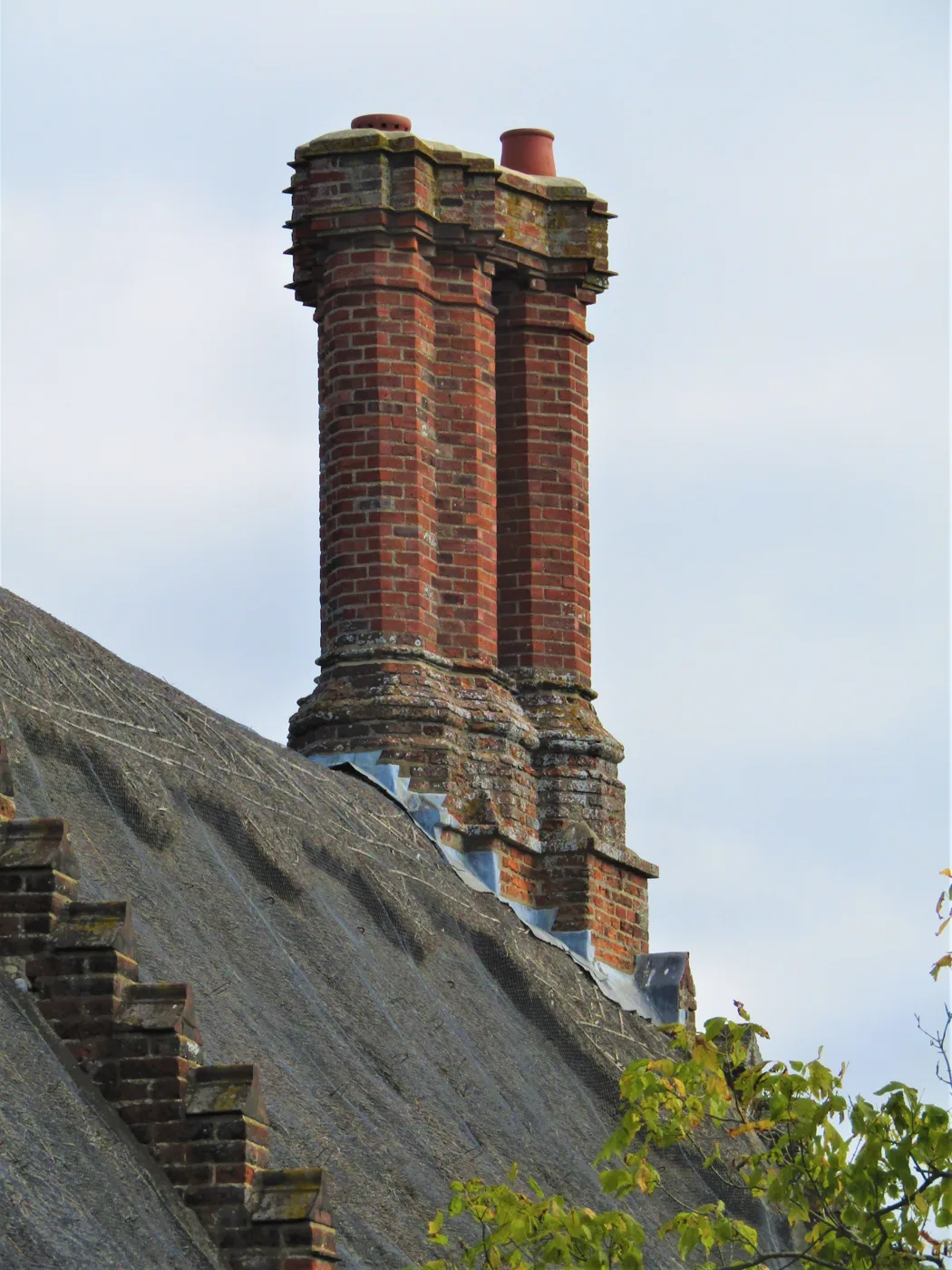
Chimney Repointing and Repair Cost UK (2026)
What chimney repointing cost is in the UK in 2026, why scaffolding drives the price, and how repointing compares to rebuilding, flashing and pot repairs.
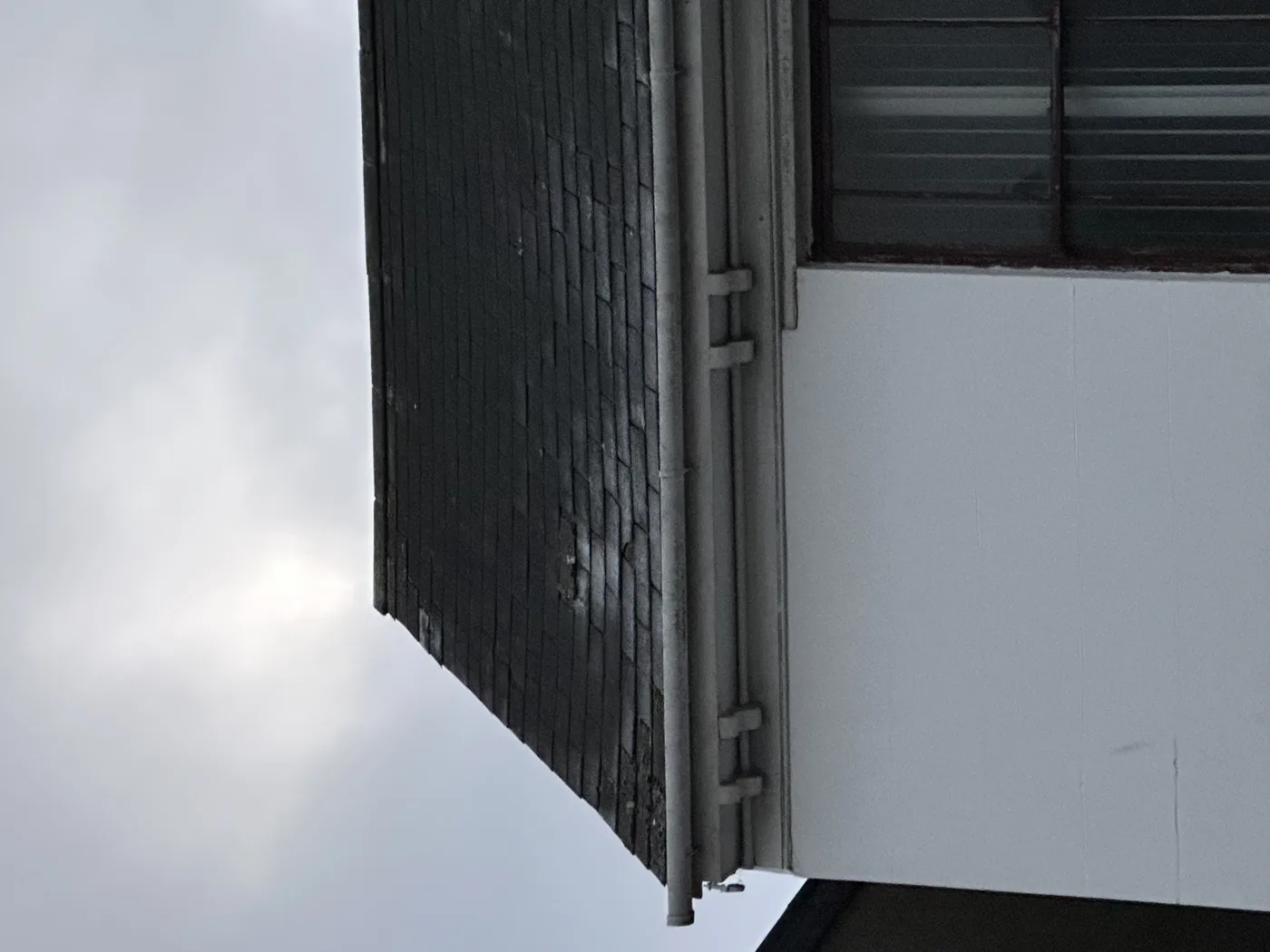
Roof Inspection and Survey Cost UK: What's Checked and the Price
Roof inspection cost UK 2026: what a ground, ladder or drone survey checks, typical prices for each, and when a written roof report is worth paying for.