Pigeons Under Solar Panels: Mesh That Clips On, No Drilling
By the Professional Roofers team
Updated 2026 · Independent cost guide
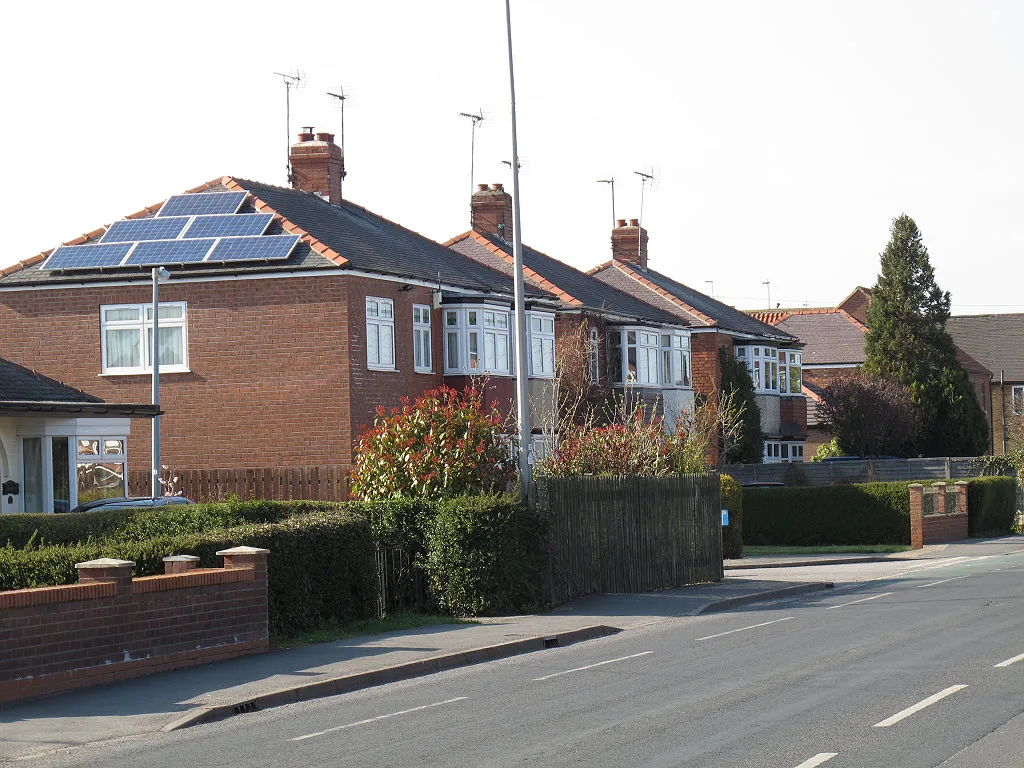
Pigeons under solar panels are one of the most common complaints roofers hear from people who had an array fitted in the last few years. The gap between the panels and the tiles is dry, sheltered, warm and out of reach of predators, which makes it close to a perfect nest site for a feral pigeon. Once one pair moves in, others follow, and you get noise on the roof at dawn, droppings down the tiles and nest debris in the gutters.
The fix is simple: a mesh skirt round the edge of the array, held by clips that grip the panel frames, so nothing is drilled into the panels or the roof. The hard part is timing it so you do not trap birds or break the law.
Why pigeons choose solar panels
Feral pigeons descend from rock doves, which nest on sheltered cliff ledges. A pitched roof with panels mounted a few centimetres above the tiles gives them the same thing: a flat, covered ledge with a roof over it. The panels also hold a little warmth, and the gap is too tight for crows, magpies or cats to follow.
Unlike most garden birds, feral pigeons breed in every season and raise several broods a year. A gap that is empty in October can hold a nest by November.
What they do to the roof
- Droppings build up under the panels and wash down the tiles. They are acidic, stain the roof and attract more birds.
- Nest material, twigs, feathers and droppings, packs into the space and is washed into gutters and downpipes in heavy rain, which causes overflows. Our page on gutter cleaning costs covers clearing that out.
- Cables and connectors under the array sit right where the birds nest. Debris round them makes the installation harder to inspect.
- Noise: cooing and scratching directly above a bedroom ceiling is the reason most people call someone in.
Pigeons do not usually damage the panels themselves, but a roof that stays wet and fouled under an array for years is not doing the tiles any good either.
The law: the nest decides when you can act
All wild birds, their eggs and their active nests are protected under section 1 of the Wildlife and Countryside Act 1981. It is an offence to intentionally take, damage or destroy a nest while it is in use or being built. Feral pigeons are a wild bird for this purpose.
Natural England issues general licences each year that allow some action against certain species for specific purposes, including one for public health and safety, GL41. Government guidance on preventing wild birds damaging your property says you cannot damage birds’ eggs or nests to solve a problem unless you follow a licence’s conditions, and that you should try non-lethal methods first, such as stopping birds nesting on buildings with netting or other physical barriers. The licences are written for people doing pest control, not for a homeowner clearing a nest on a Saturday. If you think it applies, read the current licence text, or use a pest controller who works to it.
For a homeowner the safe rule is simpler:
- Check before you seal. Look under every panel edge for nests, eggs or young. A torch and a phone camera on a stick help.
- If there is an active nest, wait. Feral pigeon eggs take about 17 to 19 days to hatch, and the young leave the nest at roughly 30 to 37 days. From fresh eggs, that can mean waiting around seven or eight weeks.
- Seal straight after the young have gone, before the pair starts again. With pigeons that window can be days.
- Never mesh over an active nest. Trapping birds behind the mesh is both cruel and an offence, and dead birds under an array are a far worse job than live ones.
Other birds use the same gap. House sparrows and starlings, both on the UK red list of birds of conservation concern, also nest under panels and in eaves. Their nests are protected in the same way, and there is no general licence for them. Our guide to nesting birds and roof work covers the wider rules and the March to August peak.
How solar panel mesh works
A bird-proofing kit has two parts:
- Mesh: a roll of galvanised steel mesh, usually PVC coated in black so it blends with the panels, cut to the height of the gap between panel and roof.
- Clips: fixings that hook over the lip of the panel frame and hold the mesh tight against it. The mesh is then bent so its bottom edge sits on the tiles.
The mesh runs all the way round the outside edge of the array, so there is no gap anywhere for a bird to squeeze through. Air still moves through it, so the panels stay cool, and rain still drains out. Nothing is drilled into the panel frames, the mounting rails or the roof covering.
Why you should never drill the panels
It is tempting to screw mesh straight into the panel frames or the roof. Do not. Panel manufacturers’ warranties can be voided by drilling or modifying the frame, and some warranties expect any accessory to be fitted by a professional. Drilling into tiles or slates under the array creates new leak points in exactly the place nobody looks. Before anything is fitted, check the warranty terms for your panels and ask the original installer whether they offer proofing or approve a particular clip.
Look for stainless steel clips. They cost a little more than plain galvanised ones, but they last as long as the mesh.
DIY or get someone in
Fitting mesh means working along the edge of a roof, often two or three storeys up, leaning over glass panels you must not stand on. For most houses this is a job for a roofer, solar installer or pest controller with proper access: a scaffold tower, a cherry picker or a fixed scaffold. Our roof scaffolding cost page explains how access is priced.
If you are booking scaffolding for another roof job, have the panels proofed at the same time. It is the cheapest moment to do it.
A good contractor will:
- check for active nests first and tell you if they need to come back;
- clear out old nest material and droppings from under the panels;
- fit mesh round the whole perimeter, not just the side where you see the birds;
- leave no fixings in the panels or tiles;
- check for gaps where panels meet roof features such as vents or valleys.
Cleaning up the droppings safely
Pigeon droppings can carry disease, and dried droppings release dust when disturbed. When clearing out under panels or from a gutter:
- wear disposable gloves and a dust mask, and eye protection for anything overhead;
- dampen the droppings before you move them, rather than sweeping or blowing them when dry;
- bag the waste, and wash your hands and tools afterwards.
If the build-up is heavy, or anyone in the house has a weak immune system, leave it to a contractor who does this routinely.
What does not work
- Plastic owls and hawks: pigeons learn quickly that they never move.
- Spikes along the panel edge: they do not block the gap underneath, which is where the birds go.
- Gel or sticky repellents: messy on a solar array and short lived.
- Partial meshing: pigeons simply move to the side you left open.
Frequently asked questions
How do I stop pigeons nesting under my solar panels? Fit a mesh skirt round the full edge of the array, held by clips on the panel frames, after checking there are no active nests. Clear out old nest material first. Mesh is the only method that physically blocks the gap.
Is it illegal to remove a pigeon nest under solar panels? It is an offence to intentionally take or destroy any wild bird’s nest while it is in use or being built, including a feral pigeon’s. Natural England’s general licences allow some action against certain birds for public health and safety, but they carry conditions and are aimed at pest controllers. The safe approach is to wait until any young have left, then proof the panels straight away.
Does bird mesh void my solar panel warranty? Clip-on mesh that does not drill the frames is designed to avoid that. Drilling or modifying the panel frames can void a manufacturer’s warranty. Check your warranty terms and ask your installer before anything is fitted.
When is the best time to bird-proof solar panels? When there are no active nests. Feral pigeons breed in every season, so check under the panels first; if there are eggs or young, wait about seven or eight weeks for them to fledge. If sparrows or starlings use the roof too, avoid their March to August peak.
Can I fit solar panel mesh myself? Only if you can reach the whole array safely from proper access equipment without standing on the panels. On most two-storey houses that means a scaffold tower or professional access, so a roofer or solar installer is the safer choice.
Do pigeons damage solar panels? Rarely the panels themselves. The damage is from droppings fouling the tiles and panels, nest material blocking gutters and downpipes, and debris building up round the cables under the array.
Want costs like this each month?
Join the Roofline brief for current UK prices and quote-reading tips.
More from Professional Roofers
How Much Does a New Roof Cost in the UK in 2026?
What a new roof really costs in the UK in 2026, broken down by house size, material and the hidden extras, plus how to check you are being quoted fairly.
Chimney Repointing and Repair Cost UK (2026)
What chimney repointing cost is in the UK in 2026, why scaffolding drives the price, and how repointing compares to rebuilding, flashing and pot repairs.
Roof Inspection and Survey Cost UK: What's Checked and the Price
Roof inspection cost UK 2026: what a ground, ladder or drone survey checks, typical prices for each, and when a written roof report is worth paying for.