EPDM Calculator: Rubber Roof Sheet Size and Trims to Order
By the Professional Roofers team
Updated 2026 · Independent cost guide
An EPDM rubber roof goes down as one sheet, cut to size, so the size you order is the whole job. Order it to the deck dimensions and it will come up short, because the membrane has to turn up any wall, wrap over the drip trims and dress over any kerb. Enter your deck size and say what happens at each edge, and the calculator gives you the sheet to order, the trim lengths and the areas to bond.
Your flat roof deck
Along the front and back edges, measured on the deck.
Along the left and right sides.
What happens at each edge?
Edge allowances and trims
Upstand height plus a little to tuck under the flashing. 150 mm up the wall plus 50 mm is a common starting point.
Enough to bond over the trim face. Check your trim profile.
Over the kerb and down its face. Check your trim profile.
Use whatever your supplier stocks.
Fill this in to check the roof can go down as one piece.
Why the sheet is bigger than the roof
EPDM is not laid flush to the edge of the deck and cut off. At every edge the membrane carries on and is finished in one of three ways, and each one takes extra rubber:
- Drip trim. The edge that drains into the gutter. The membrane is bonded over a drip trim that throws the water clear of the fascia, so you need enough to reach over the trim.
- Kerb trim. A raised edge, used on the sides that do not drain so water is held on the roof and steered to the gutter. The membrane runs over the kerb and down its outside face.
- Wall upstand. Where the roof meets the house or a parapet, the membrane is turned up the wall and covered by a flashing. This is the hungriest edge, because the upstand has to be tall enough to keep water out.
The sheet length is the roof length plus the allowances on the left and right sides; the sheet width is the roof width plus the front and back allowances. On a typical lean-to garage, with a wall at the back, a drip edge at the front and kerbs on both sides, a 5 m by 3 m deck needs a 5.2 m by 3.3 m sheet, around 14% more rubber than the deck area.
Setting the allowances
The defaults are reasonable starting points, not rules. Trim profiles differ between systems, so measure the face of the trim you are buying and make sure the allowance covers it with room to spare. For wall upstands, the figure that matters is the height above the finished roof surface: roofers normally work to at least 150 mm, which is also the figure used on the flat roof fall calculator. Add whatever needs to tuck behind the flashing or termination bar.
Err on the generous side. Surplus rubber is trimmed off in a minute with a knife; a sheet that is 30 mm short on one edge is either a seam you did not want or a new sheet.
One sheet or two?
The main selling point of EPDM on a domestic roof is that it goes down with no joints in the field, which is why our EPDM rubber roofing guide treats the single sheet as the whole point of the material. That only works if the narrower side of your sheet fits within the widest roll your supplier cuts from. Put that width into the optional box and the calculator tells you whether you have a one-piece roof. If you do not, the joint should run down the fall rather than across it, made with the manufacturer’s splice tape and primer, and you need to add the lap they specify.
Adhesive
Most domestic EPDM systems bond the main deck with a water-based adhesive and the upstands and perimeter with a contact adhesive, because a water-based adhesive will not hold rubber on a vertical face. The calculator gives you both areas. Coverage per tub varies by product and by how absorbent the deck is, so divide the areas by the coverage printed on the label rather than guessing.
Before you order
Check the deck first. EPDM must not go straight over old felt, and the deck should already have its fall built in. If you are pricing the job rather than doing it, compare the figures with the flat roof cost comparison calculator, which sets EPDM against felt and GRP over the life of the roof.
Common questions
How much extra EPDM do I need for upstands?
The height of the upstand plus whatever tucks under the flashing, on each wall edge. With a 150 mm upstand and 50 mm for the flashing, that is 200 mm added to the sheet for every wall the roof meets.
Do I need drip trim on every edge?
No. Drip trim goes on the edge that drains, usually into a gutter. Sides that do not drain normally take a kerb trim so water cannot run off them, and edges against a wall take an upstand. If the roof has walls or kerbs on all four sides, it needs an internal outlet instead.
Can I join two pieces of EPDM?
Yes, with the system’s own splice tape and primer, and many large roofs have to be seamed. On a small domestic roof it is better avoided, because every seam is a detail that has to be made well, and a single sheet has nothing to fail.
Why round the sheet up?
Because rubber cannot be stretched to fit. The calculator rounds each dimension up to the next 0.1 m so a sheet cut to your figures is never short.
Want costs like this each month?
Join the Roofline brief for current UK prices and quote-reading tips.
More from Professional Roofers
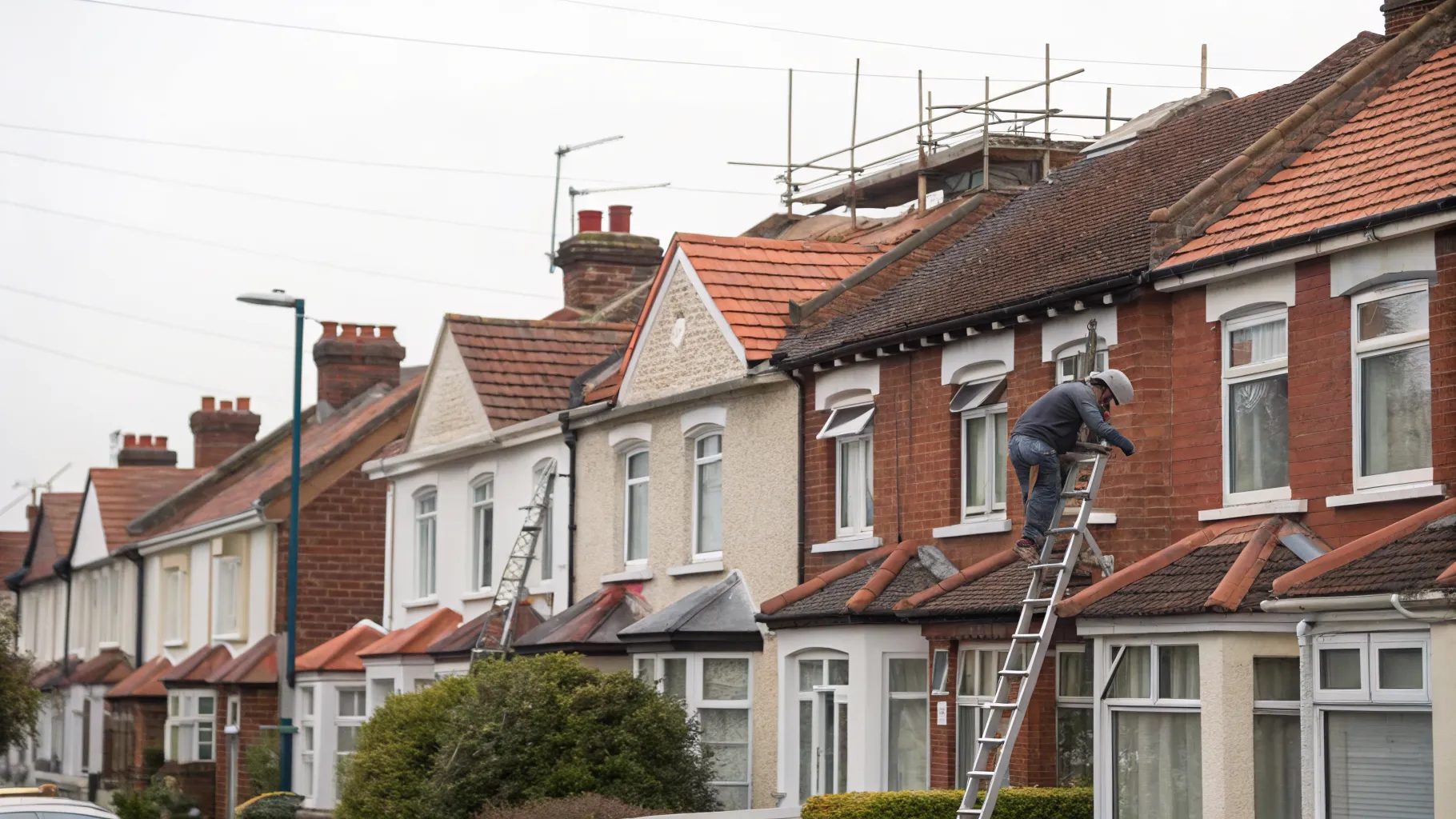
How Much Does a New Roof Cost in the UK in 2026?
What a new roof really costs in the UK in 2026, broken down by house size, material and the hidden extras, plus how to check you are being quoted fairly.
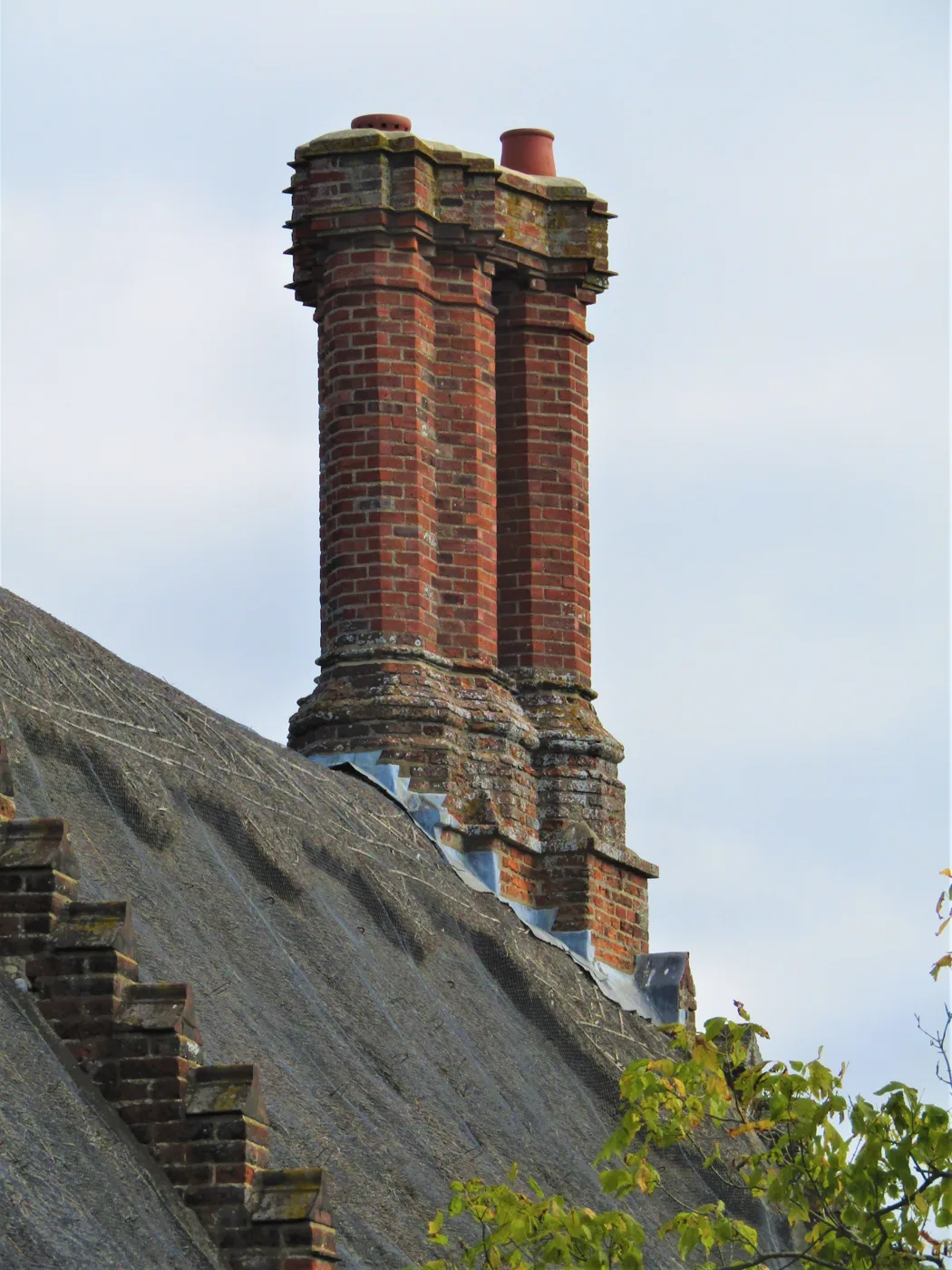
Chimney Repointing and Repair Cost UK (2026)
What chimney repointing cost is in the UK in 2026, why scaffolding drives the price, and how repointing compares to rebuilding, flashing and pot repairs.
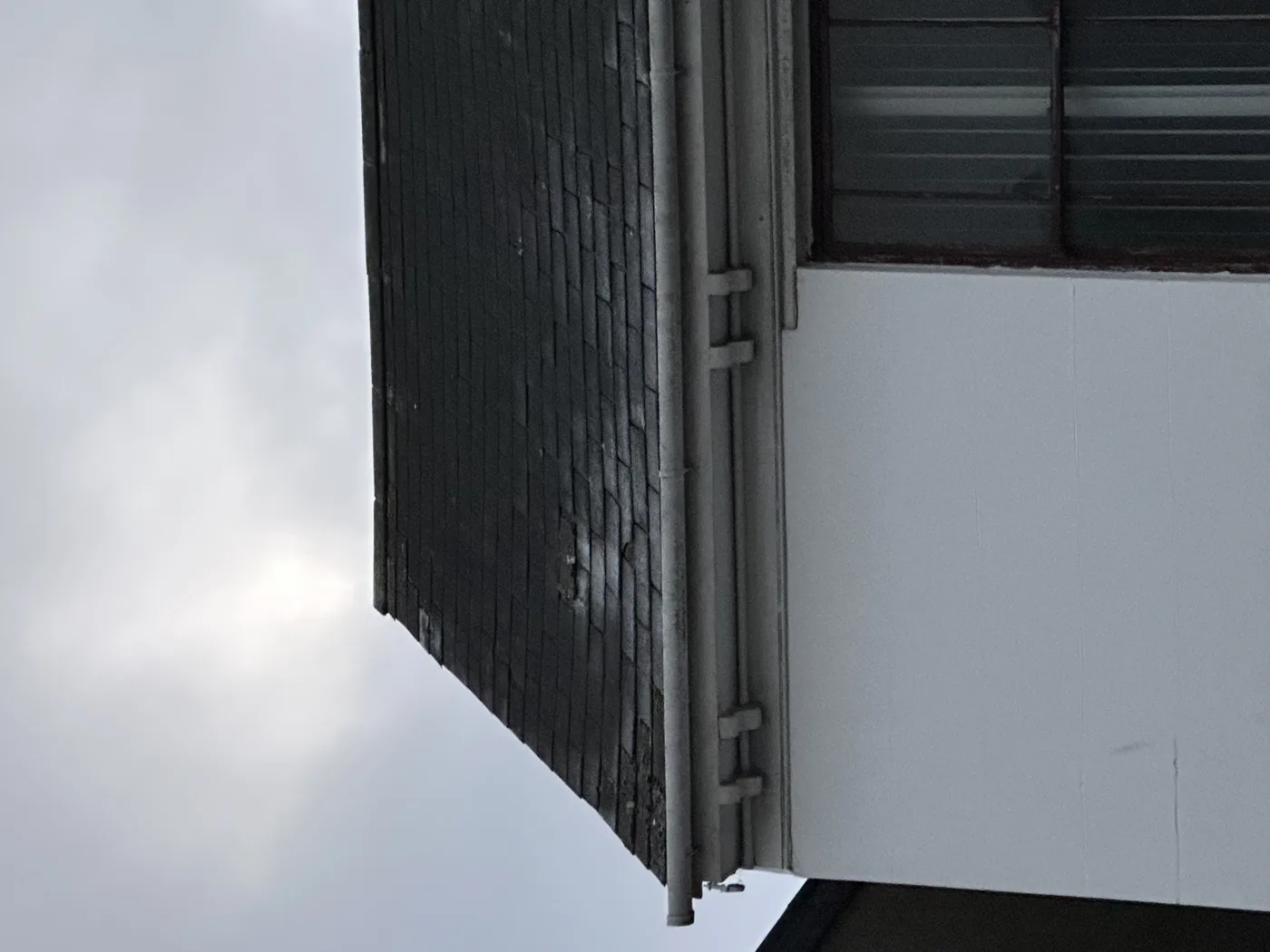
Roof Inspection and Survey Cost UK: What's Checked and the Price
Roof inspection cost UK 2026: what a ground, ladder or drone survey checks, typical prices for each, and when a written roof report is worth paying for.