Roof Tile Colours and Styles: Choosing Tiles to Suit Your Home
By the Professional Roofers team
Updated 2026 · Independent cost guide
A new roof is one of the biggest visual changes you can make to a house, and unlike a coat of paint you cannot easily redo it. Get the roof tile colours right and the whole property looks considered and worth more; get them wrong and the roof jars against the brick and the street for the next fifty years. This guide runs through the main tile colours and styles available in the UK, how to choose ones that suit your home and your area, and the practical checks worth making before you commit.
The main roof tile colours
Most UK concrete and clay tiles fall into a handful of colour families, and the big manufacturers name their own shades within them. Marley, for instance, offers around nine concrete colours spanning reds, browns and greys, and Redland runs a similarly broad palette. In practice you are choosing from these groups.
Reds and terracotta. The traditional choice across much of England, from natural red through to old English dark red. Reds suit red-brick homes, period properties and anywhere the surrounding roofs are already warm-toned.
Browns. Smooth brown and antique brown sit between red and grey, and they flatter buff, brown or mixed brickwork. A blended or “antique” brown with subtle colour variation reads as more natural than a flat single tone.
Greys and slate tones. Smooth grey, greystone and the increasingly popular anthracite (near-black) give a cooler, more contemporary look. Grey works on modern homes, rendered houses and new builds, and slate-grey is the natural match anywhere real slate dominates the roofscape.
Natural slate. If your home has or had genuine slate, its blue-grey is a colour family of its own, and in many older or protected areas it is the only acceptable option.
Matching your house and your street
Colour choice is not just personal taste; the tile needs to work with three things.
Your brick or render. Hold tile samples against your actual walls in daylight before deciding. Red tiles lift red brick; grey and anthracite suit render, grey brick and modern cladding; brown bridges mixed or buff brick. A colour that looks great in a brochure can clash badly with your particular wall.
The surrounding roofs. Walk your street and look up. A roof that matches the prevailing colour of neighbouring houses looks settled; one that fights it stands out for the wrong reasons and can even dent resale appeal. This matters most on terraces and semis, where your roof sits directly against the next.
The style of the house. Period cottages and Victorian terraces suit traditional reds, browns and plain tiles or slate. Modern and new-build homes carry grey and anthracite well, often in a sleeker interlocking or flat profile.
Tile styles and profiles
Colour is only half the decision; the tile’s shape changes the look as much as its shade.
Plain tiles are small, flat and laid in a double lap, giving a fine, traditional texture that suits older and higher-status homes. They use more tiles per square metre, so they cost more.
Interlocking tiles are larger and lock together at the edges, covering the roof faster and more cheaply. They range from low-profile flat tiles for a clean modern look to bold “pantile” and Roman profiles with a rolling, characterful shadow line.
Slate and slate-effect gives the flattest, most understated finish, whether in natural slate or a slate-look concrete or fibre-cement tile.
For a fuller breakdown of materials and how they compare on cost and lifespan, see our guide to roof tile and material types and the clay vs concrete roof tiles comparison.
Practical checks before you choose
A few things are worth confirming before you fall for a colour.
Conservation areas and listed buildings. If your home is listed or in a conservation area, you may be legally required to match the existing tile type and colour, and you may need consent to change it. Check with your local planning authority first; our guide on planning permission for a new roof explains when approval is needed, and you can look up designations on the Historic England list.
Fading and finish. Concrete tiles can soften in colour over the first years as the surface weathers, especially reds. Through-coloured tiles hold their tone better than surface-coated ones, so ask what you are buying.
Blended colours. A roof laid in a single flat colour can look artificial. Many homeowners prefer a blend of two or three close shades, which reads as more natural and hides the odd replacement tile better later.
See it on a real roof. A single tile in your hand tells you little. Ask your roofer or the merchant to show you the tile on a finished roof nearby, and view it from the street at the distance people will actually see it.
Once you have a colour and style in mind, the next question is cost, which we cover in the new roof cost guide, and choosing the right installer, covered in how to find a good roofer.
Frequently asked questions
What are the most popular roof tile colours in the UK? Reds and terracotta remain the traditional favourite, especially on red-brick and period homes, while greys and anthracite (near-black) have grown fast in popularity on modern and rendered houses. Browns sit in between and suit mixed or buff brickwork. The best choice depends on your brick colour, the surrounding roofs and the age of your home.
How do I choose a roof tile colour to match my house? Hold tile samples against your actual brick or render in daylight, then look at the roofs of neighbouring houses to see the prevailing colour on your street. Match the style to the age of the property, traditional reds and browns for older homes, grey and anthracite for modern ones, and view the tile on a finished roof before deciding.
Can I change my roof tile colour to anything I want? Usually yes, but not always. If your home is listed or in a conservation area, you may be required to match the existing tile type and colour and to get consent before changing it. Even where you are free to choose, a colour that clashes with your brick or the surrounding roofs can look wrong and affect resale, so it pays to choose carefully.
Do concrete roof tiles fade over time? Concrete tiles can lighten and soften in colour over the first few years as the surface weathers, and reds in particular can dull. Through-coloured tiles, which carry the colour throughout rather than only on a coated surface, hold their tone better than surface-coated ones, so ask which type you are buying if long-term colour matters.
Should I choose a single colour or a blended roof? Many homeowners prefer a blend of two or three close shades rather than a single flat colour, because it looks more natural, echoes older handmade roofs, and disguises the odd replacement tile far better in future. A single strong colour can look artificial on a large roof, though it can suit a deliberately modern, uniform finish.
Want costs like this each month?
Join the Roofline brief for current UK prices and quote-reading tips.
More from Professional Roofers
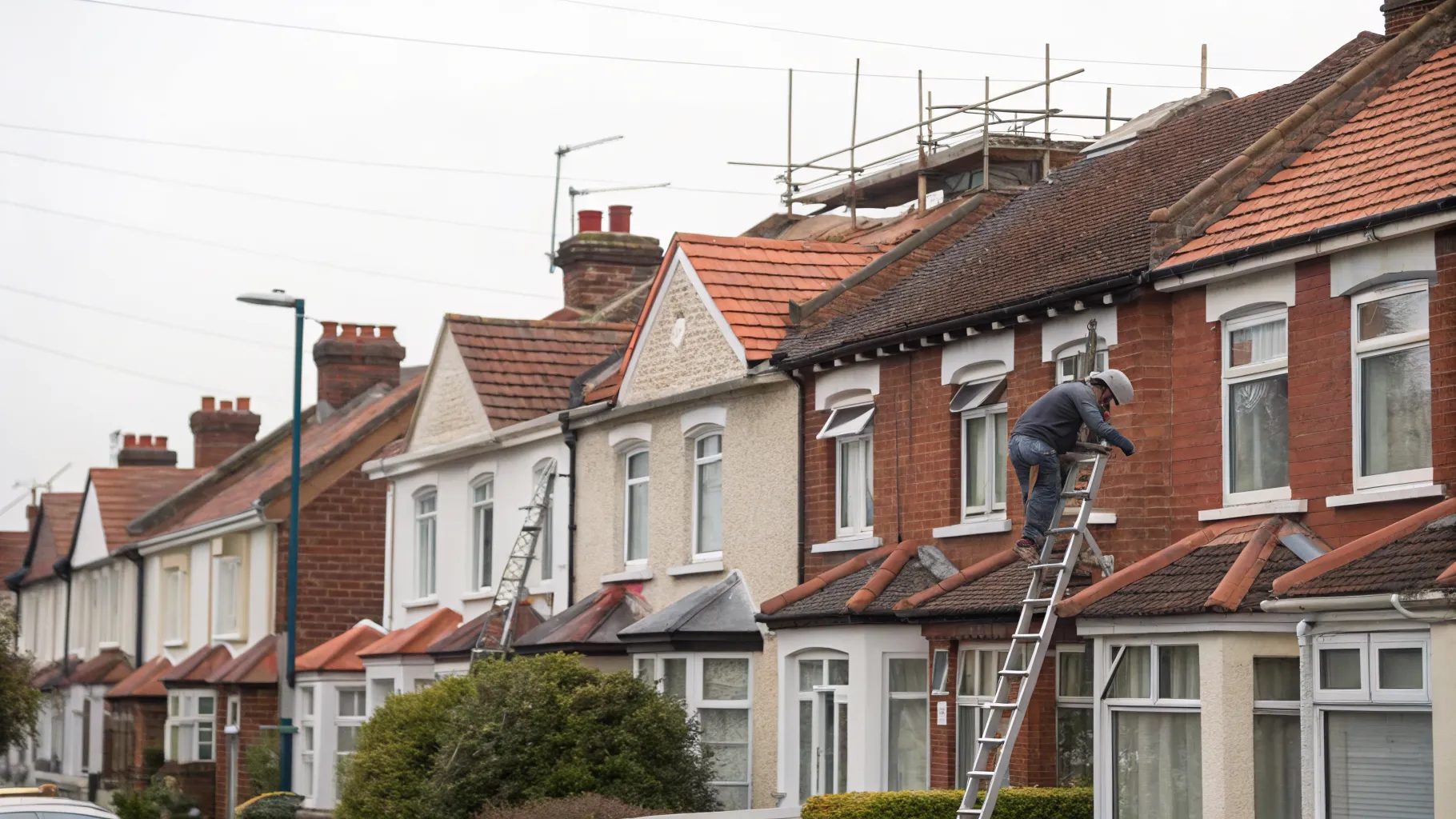
How Much Does a New Roof Cost in the UK in 2026?
What a new roof really costs in the UK in 2026, broken down by house size, material and the hidden extras, plus how to check you are being quoted fairly.
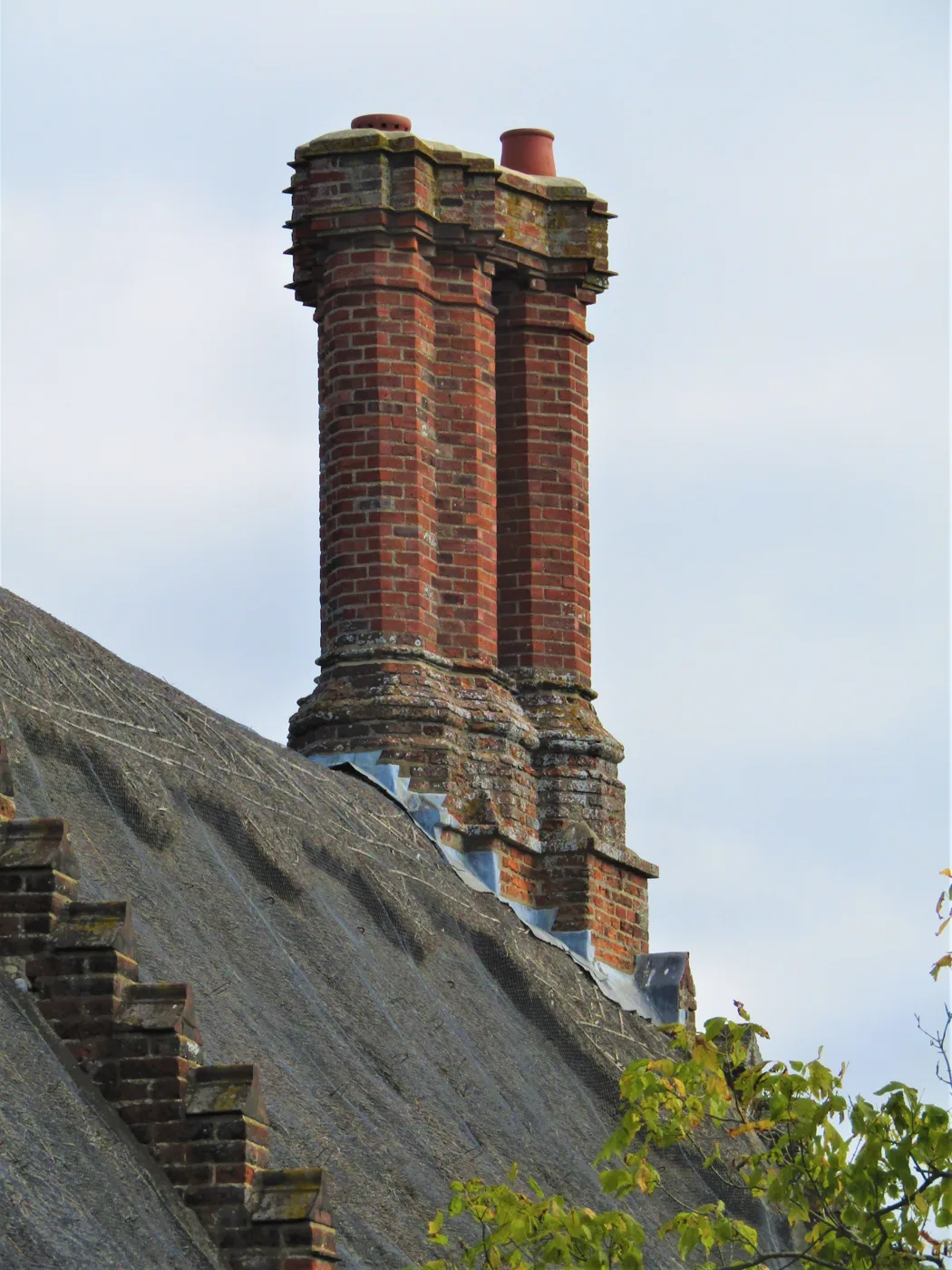
Chimney Repointing and Repair Cost UK (2026)
What chimney repointing cost is in the UK in 2026, why scaffolding drives the price, and how repointing compares to rebuilding, flashing and pot repairs.
Roof Inspection and Survey Cost UK: What's Checked and the Price
Roof inspection cost UK 2026: what a ground, ladder or drone survey checks, typical prices for each, and when a written roof report is worth paying for.