Who Is Responsible for Roof Repairs in a Leasehold Flat?
By the Professional Roofers team
Updated 2026 · Independent cost guide
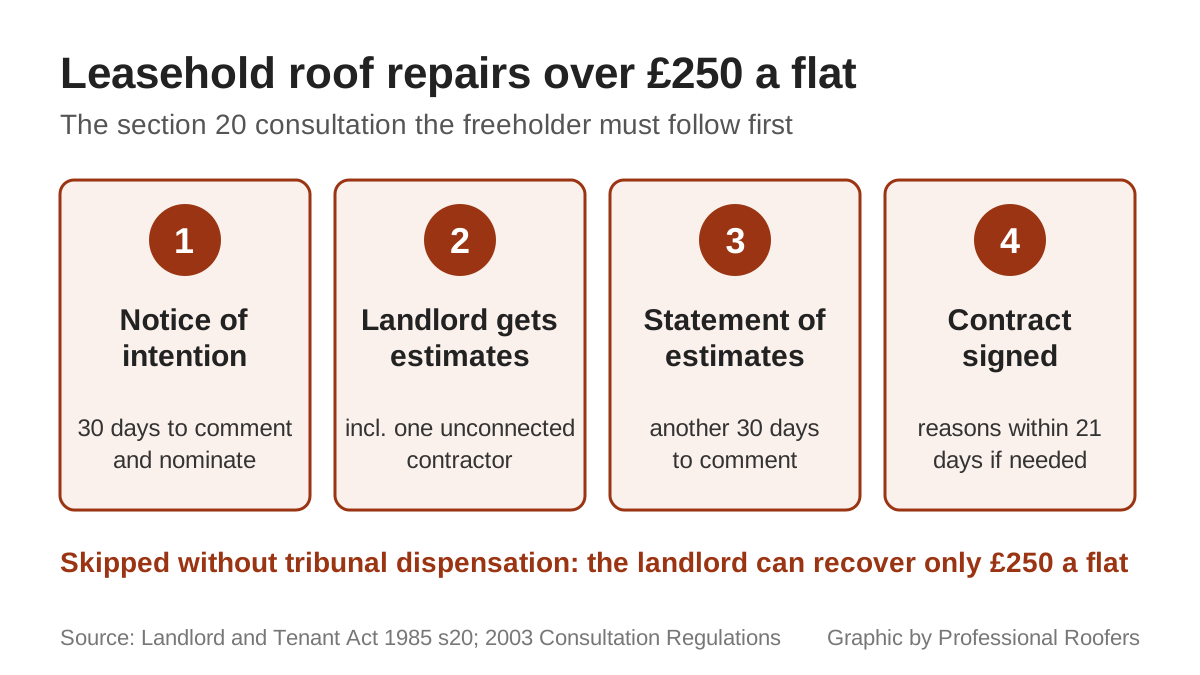
Who is responsible for roof repairs in a leasehold flat comes down to one document: the lease. In most blocks and converted houses, the roof belongs to the freeholder, who has to keep it in repair, and every leaseholder pays a share of the cost through the service charge. The exception is the top-floor flat whose lease includes the roof, which happens more often in house conversions than people expect. And once the bill for the work reaches more than £250 for any one flat, the freeholder has to consult every leaseholder before starting, or risk recovering only £250 from each of them.
This page covers England and Wales, where leasehold law applies. It explains how to read your lease for the roof, how the section 20 consultation works, and what to check before anyone gets a roofer on site.
Step 1: find the roof in your lease
Three parts of the lease answer the question. Ask your solicitor or the managing agent for a copy if you do not have one; you can also buy one from HM Land Registry if the lease is registered.
The demise. This is the description of what you actually lease, usually in a schedule with a plan. Look for whether it includes “the roof”, “the roof space”, “the loft” or “the structure”. In a purpose-built block, the demise of each flat normally stops at the inside of the walls, ceilings and floors, and the roof is retained by the landlord. In a Victorian house split into two or three flats, the top flat’s lease sometimes includes the roof and loft, which makes the roof that leaseholder’s property to repair.
The landlord’s covenants. Usually a clause where the landlord agrees to “maintain, repair and renew the structure and exterior”, often naming the roof, main walls and foundations. If the roof is in there, the freeholder organises the work.
The service charge clause. This sets out what proportion of the cost each flat pays. It might be equal shares, a percentage per flat, or a “fair proportion” decided by the landlord. Top-floor flats do not normally pay more for roof work unless the lease says so.
If the lease is silent or contradictory, which happens with older conversions, take legal advice before anyone commissions work. Roof disputes between two flats that share a freehold are among the more common reasons small buildings end up at tribunal.
Step 2: the common answers
| Your situation | Who repairs the roof | Who pays |
|---|---|---|
| Flat in a purpose-built block, roof retained by the freeholder | Freeholder or managing agent | All leaseholders, through the service charge, in the shares the lease sets |
| Top-floor flat in a conversion, lease includes the roof | You | You, unless the lease requires a contribution from the other flats |
| Share of freehold, roof retained by the freehold company | The freehold company, which you part-own | All leaseholders, as the lease sets out |
| Right to manage company in place | The RTM company takes over the landlord’s management duties | All leaseholders, through the service charge |
A share of freehold does not let you skip the formal steps. The company that owns the freehold is still the landlord, and the consultation rules below still apply to it.
Step 3: the section 20 consultation and the £250 rule
Section 20 of the Landlord and Tenant Act 1985 applies to “qualifying works” that will cost any one leaseholder more than £250. Almost any roof job beyond a slipped slate or a gutter clear in a small building will cross that line. A £3,000 repair split between four flats is £750 each.
For works where public notice is not needed, which covers most private blocks, the landlord has to:
- Serve a notice of intention on every leaseholder, describing the works and why they are needed, and inviting written observations and the name of a contractor you would like an estimate from. You have 30 days to respond.
- Obtain estimates, including one from a contractor nominated by a leaseholder where a nomination was made, and at least one from a contractor wholly unconnected with the landlord.
- Serve a statement of estimates, with at least two estimates and a summary of the observations received. You have another 30 days to comment.
- Give reasons, within 21 days of signing the contract, if the landlord did not choose the leaseholders’ nominee or the lowest estimate.
That is a minimum of about two months before work starts on anything non-urgent. The full procedure is in Schedule 4 of the Service Charges (Consultation Requirements) (England) Regulations 2003; Wales has equivalent 2004 regulations.
If the landlord skips it, they can only recover £250 from each leaseholder for those works, unless they apply to the First-tier Tribunal (Property Chamber) for dispensation. The tribunal can grant it, and does for genuine emergencies such as a roof leaking into a flat in winter, but the leaseholders can argue that the lack of consultation cost them, for example because a cheaper contractor was never asked.
Emergency leaks
A roof letting water into a flat cannot wait two months. The usual route is a quick temporary repair, which may fall under the £250 threshold on its own, followed by full consultation for the permanent work. Where the permanent work must happen at once, landlords apply for dispensation, often after the event.
If water is coming into your flat:
- Report it in writing to the freeholder or managing agent with photos and the date it started. A landlord’s repair obligation generally bites once they have notice of the defect, so a dated email matters.
- Do not instruct a roofer yourself for a roof you do not own unless the landlord agrees in writing. You may not be able to recover the cost, and you are working on someone else’s property.
- Check the buildings insurance. Storm damage to a roof is often an insured event under the block policy, which the freeholder arranges and leaseholders pay for. Wear and tear and gradual deterioration are not. Our page on what home insurance covers on a roof explains the difference.
Can you challenge the cost?
Yes. Service charges must be “reasonably incurred”, and the work must be of a reasonable standard. A leaseholder can apply to the First-tier Tribunal (Property Chamber) to decide whether a roof charge is payable and reasonable. In Wales, the equivalent is the Leasehold Valuation Tribunal.
Two other protections help:
- The 18-month rule. Under section 20B of the 1985 Act, a landlord generally cannot charge for costs incurred more than 18 months before the demand, unless they warned you in writing within that period that the costs had been incurred and you would be asked to pay.
- The reserve fund. Many leases allow a sinking or reserve fund. If yours has one, ask how much is in it before the roof is quoted, as it may cover part or all of the bill.
Changes on the way
The government consulted in 2025 on raising the section 20 threshold, which has stayed at £250 per leaseholder since 2003. Its consultation on strengthening leaseholder protections proposed £600 for major works and £300 a year for long-term agreements, standard consultation forms, and possibly a shorter 21-day response period. These are proposals only. When we checked on 1 October 2026 the £250 threshold and the 30-day periods still applied.
Before anyone gets quotes
- Confirm who owns the roof using the demise and the plan, not what a neighbour remembers.
- Get a proper survey of what is wrong. A roof inspection with photos helps every leaseholder understand why work is needed, and gives a nominated contractor something to price against.
- Agree what you are asking for. A patch repair, a recover or a full replacement can differ by thousands of pounds. Our new roof cost guide and flat roof cost guide give the 2026 ranges for each.
- Nominate a contractor at the notice of intention stage if you know a good one. It is the main lever leaseholders have over price.
- Ask about scaffolding early. On a block it can be a large share of the total; the scaffolding cost calculator gives a starting figure.
Frequently asked questions
Who is responsible for roof repairs in a leasehold flat? Usually the freeholder, because most leases keep the roof as part of the building’s structure. The freeholder organises the repair and recovers the cost from all leaseholders through the service charge. If the top-floor lease includes the roof in its demise, that leaseholder may be responsible instead.
Does the top-floor flat pay more for the roof? Not normally. Each flat pays the share set out in the lease, regardless of floor. The exception is where the top-floor lease includes the roof itself, or the lease sets a larger share for that flat.
What is the section 20 limit for roof repairs? If roof works will cost any one leaseholder more than £250, the landlord must follow the section 20 consultation procedure first. If they do not, and the tribunal does not grant dispensation, they can only recover £250 per leaseholder for those works.
Can the freeholder do an emergency roof repair without consulting? They can carry out urgent work, but if it costs any leaseholder more than £250 they will need dispensation from the First-tier Tribunal to recover the full cost. Small temporary repairs often fall under the threshold.
Can I repair the roof above my flat myself? Only if the roof is part of your demise or the landlord agrees in writing. Working on a roof you do not own can breach the lease, and you may not be able to recover the cost.
Has the £250 section 20 threshold changed? Not yet. The government proposed raising it to £600 per leaseholder in a 2025 consultation, but as of 1 October 2026 the threshold remained £250.
Want costs like this each month?
Join the Roofline brief for current UK prices and quote-reading tips.
More from Professional Roofers
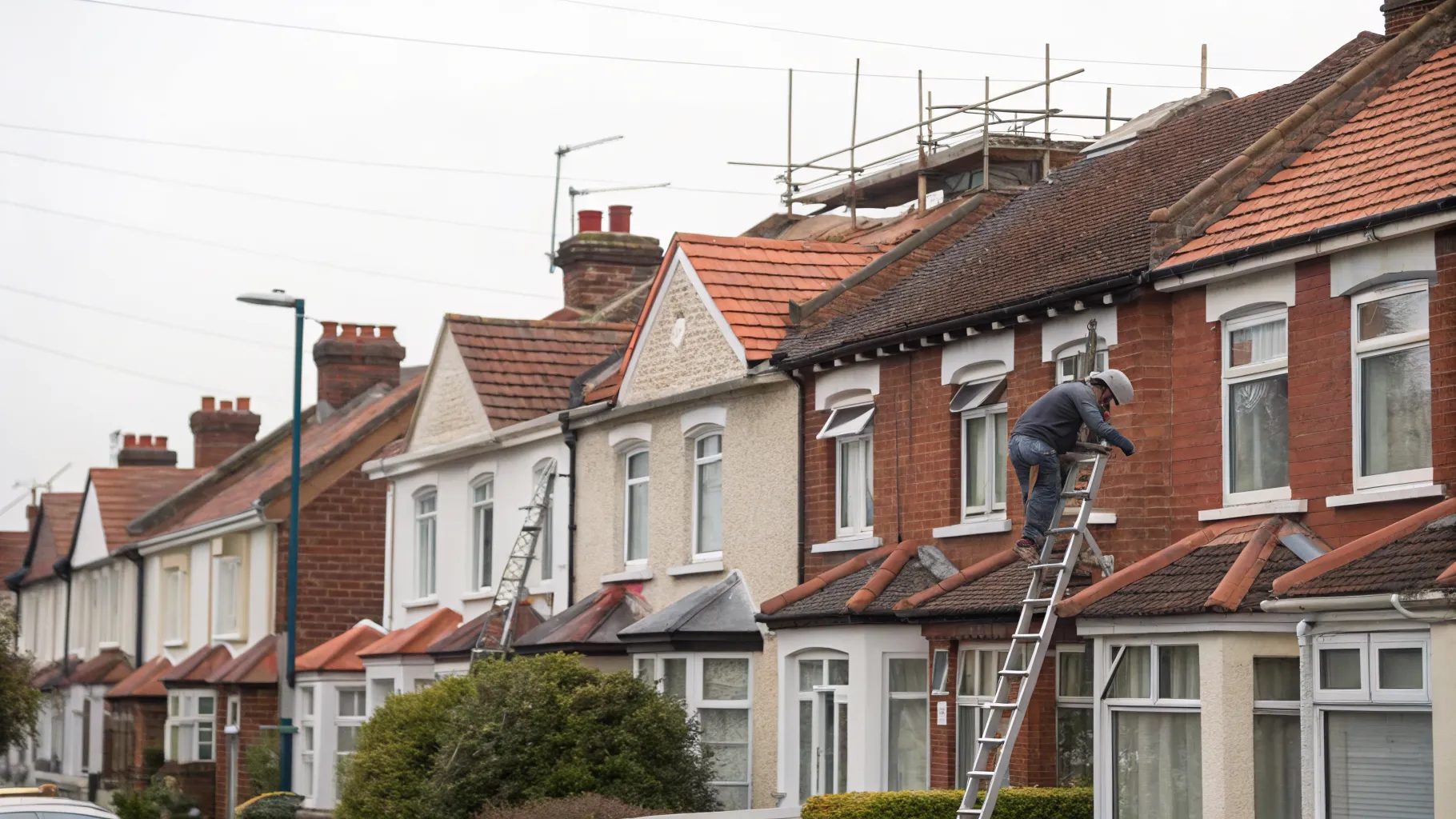
How Much Does a New Roof Cost in the UK in 2026?
What a new roof really costs in the UK in 2026, broken down by house size, material and the hidden extras, plus how to check you are being quoted fairly.
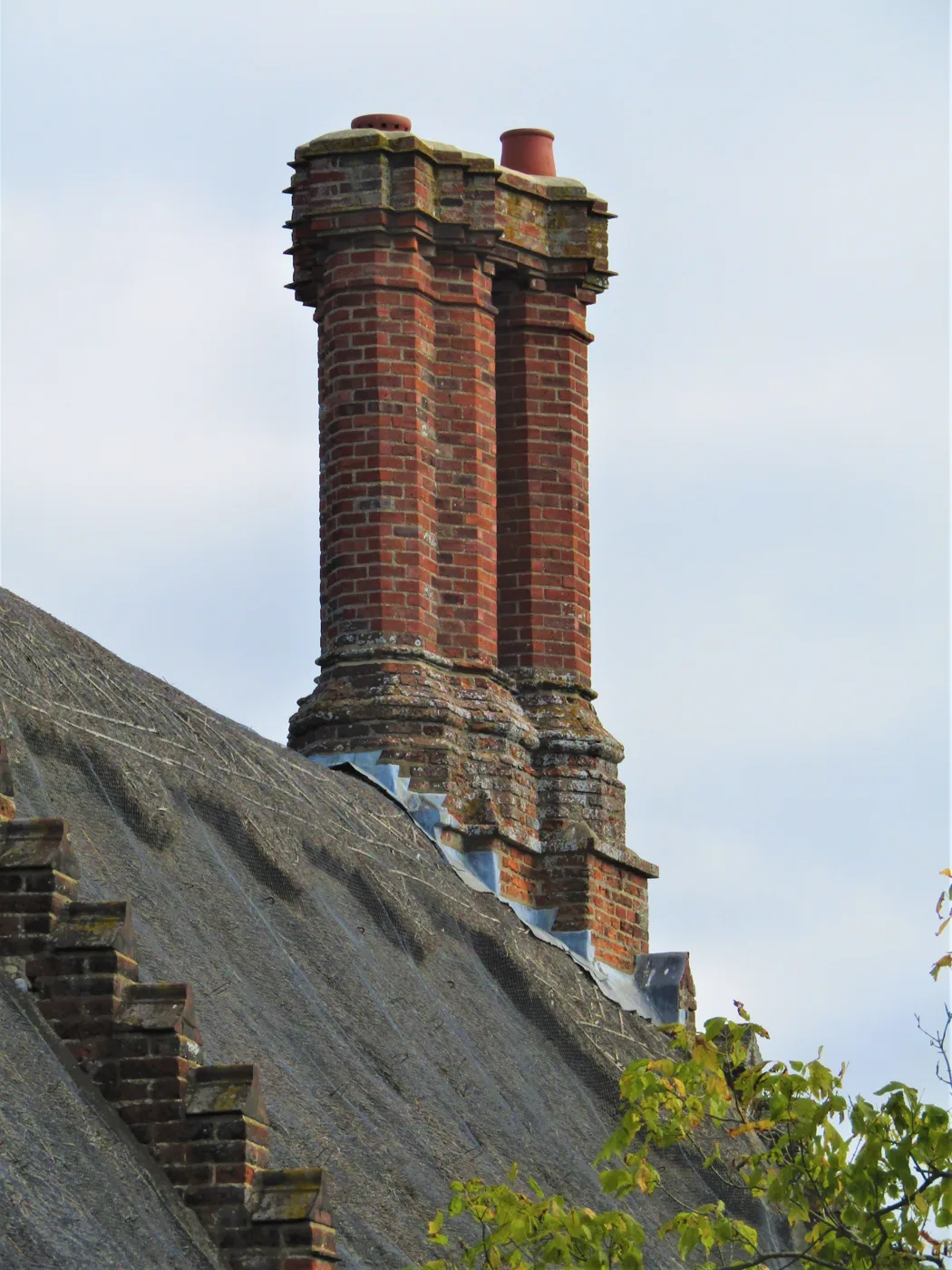
Chimney Repointing and Repair Cost UK (2026)
What chimney repointing cost is in the UK in 2026, why scaffolding drives the price, and how repointing compares to rebuilding, flashing and pot repairs.
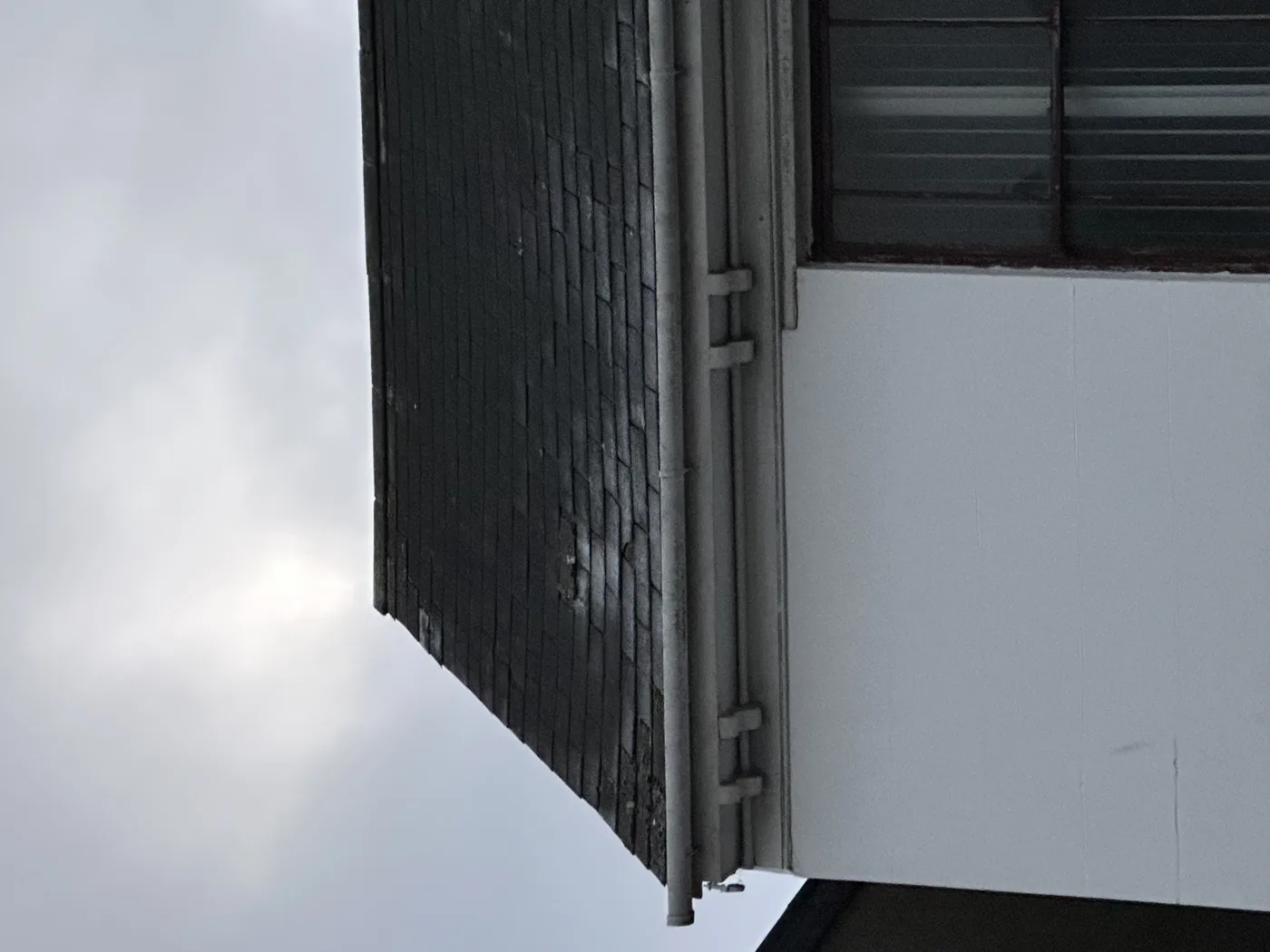
Roof Inspection and Survey Cost UK: What's Checked and the Price
Roof inspection cost UK 2026: what a ground, ladder or drone survey checks, typical prices for each, and when a written roof report is worth paying for.